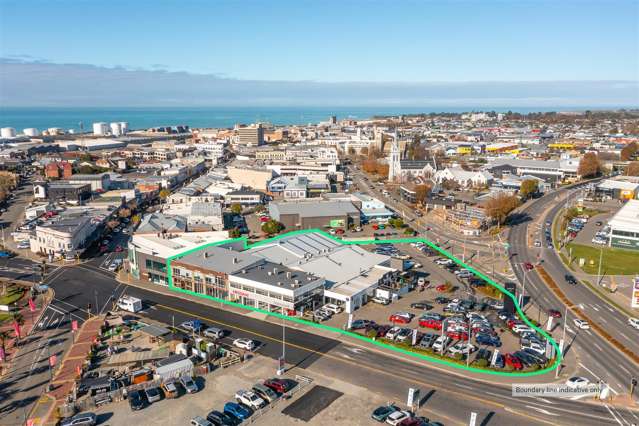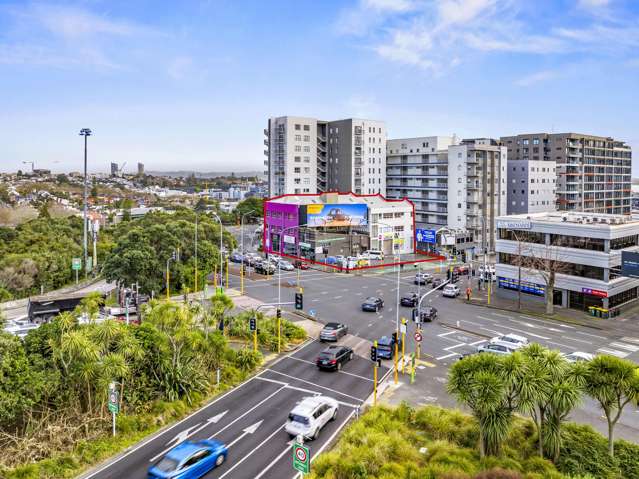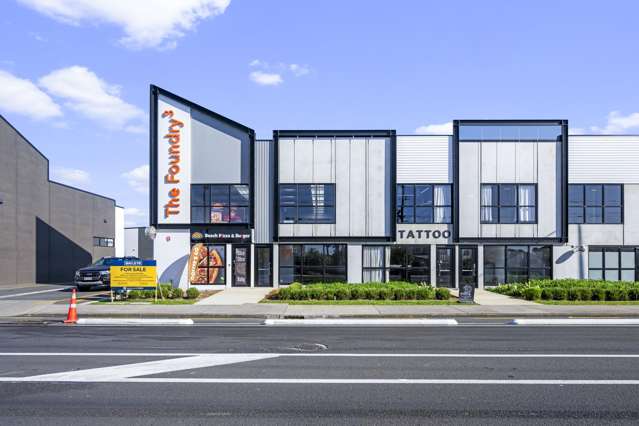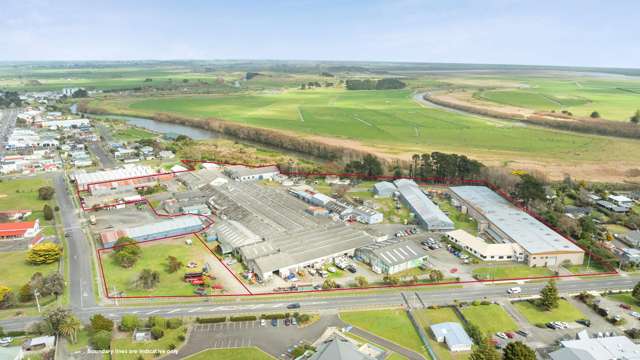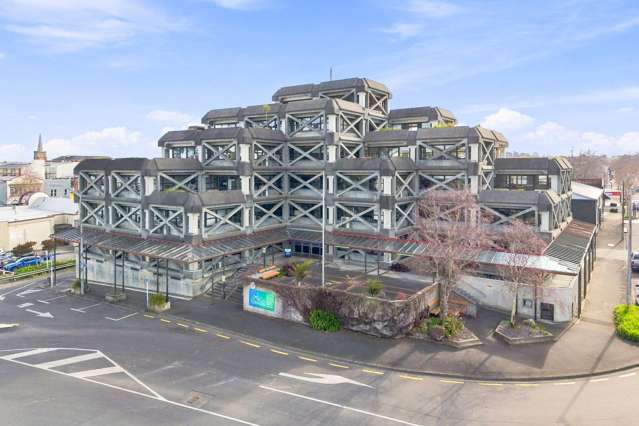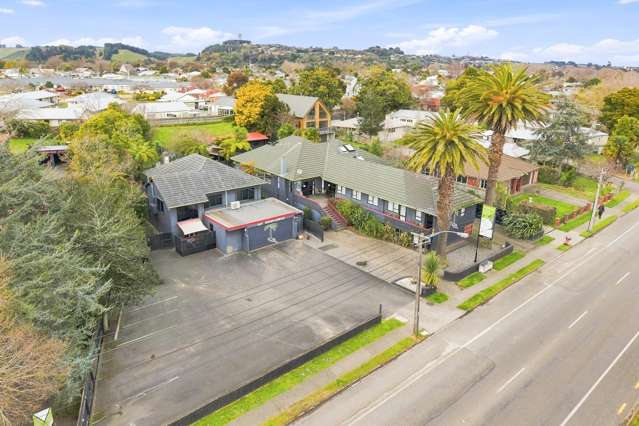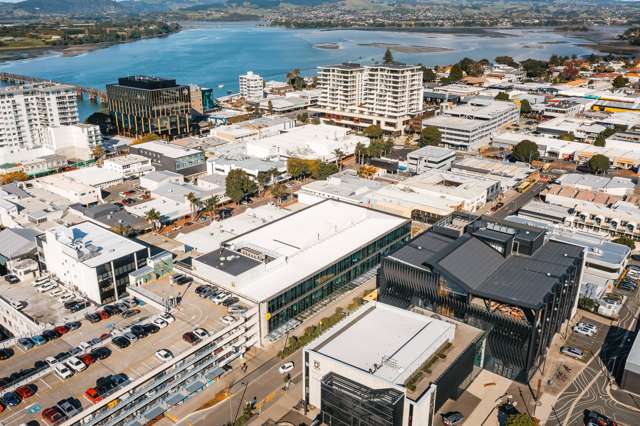
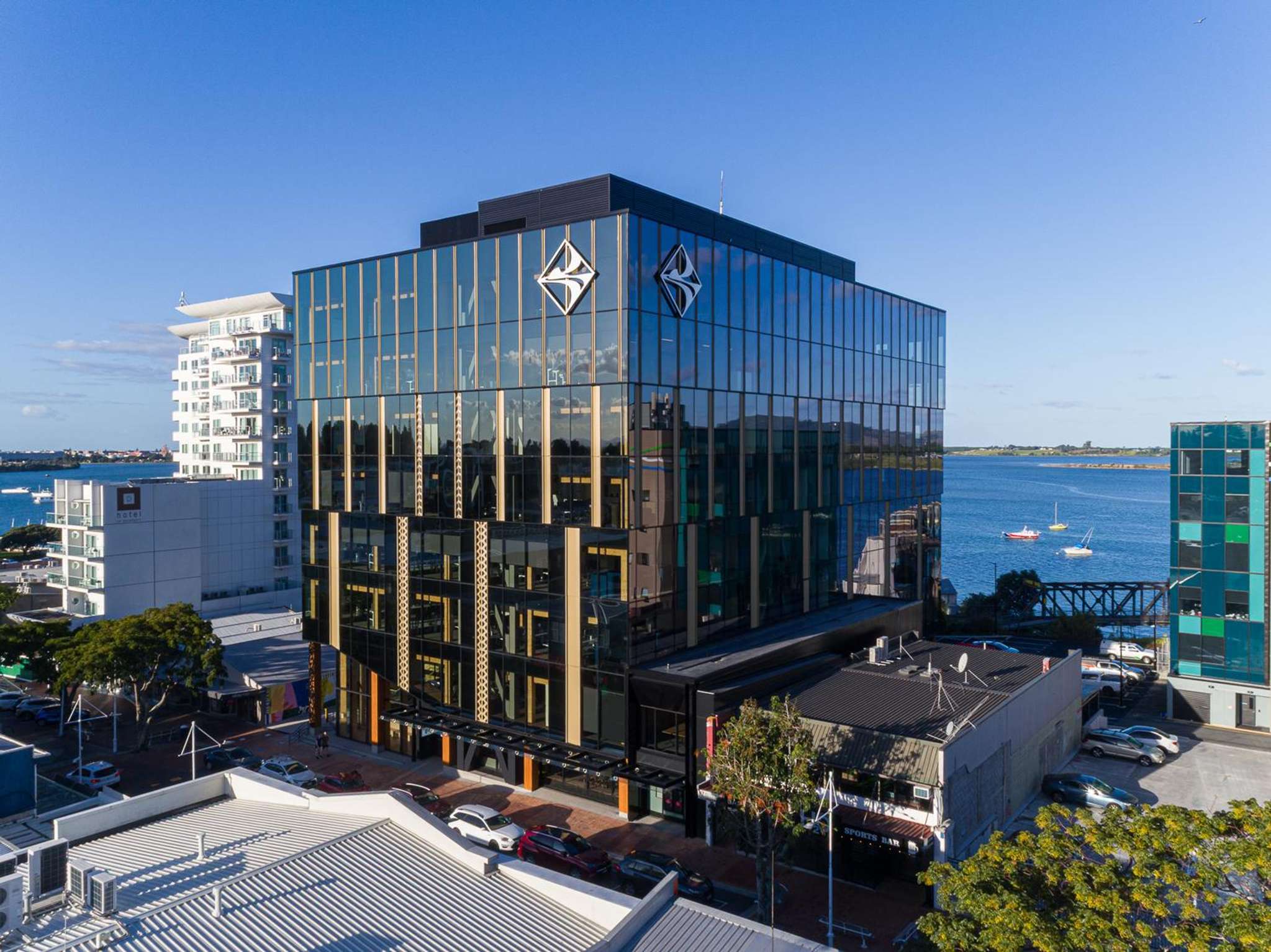
Multiple developments in Tauranga’s CBD are set toreinvigorate the downtown precinct as the city looks to benefit from improvingeconomic conditions, according to the latest research from Colliers.
The commercial development sector in the city has beenactive in recent years with major projects having either been completed lastyear or are set to come online in 2026.
New Zealand’s largest mass timber office building at 90Devonport Road, the new home of the Tauranga City Council, opened last year,while 2 Devonport Road, which will house Craigs Investment Partners as theanchor tenant, and Panorama Towers at 35 Hamilton Street will all contribute tothe refreshed CBD.
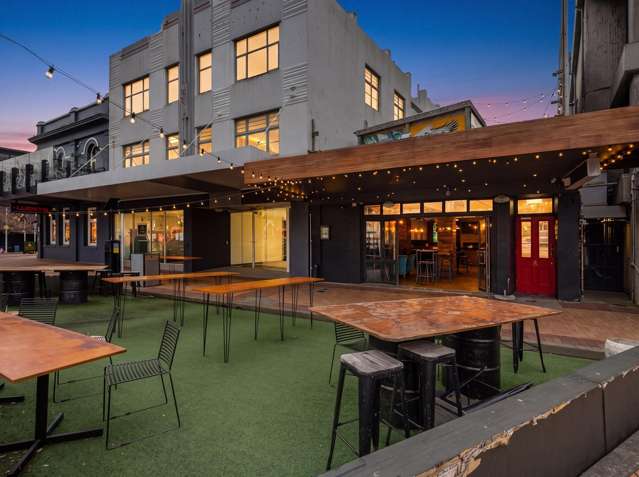
The Northern Quarter project, which can be accessed via TheStrand, has added office and hospitality space to the city and attractedhigh-profile tenants. There are also multiple civil developments such as a newlibrary and courthouse that are expected to open this year.
Start your property search
The Bay of Plenty Regional Essentials report that waspublished by the Colliers Research team recently analysed the industrial,retail, and office sectors of the property market against the backdrop ofgeneral economic and demographic trends in the region.
Pritika Chand, Senior Research Analyst at Colliers, sayswhile the completed and in-progress developments in Tauranga will draw peopleto the CBD there are also encouraging underlying fundamentals to suggest thecity can contribute to further growth in Bay of Plenty.
“Bay of Plenty has experienced consistent population growthin recent years with an overall increase of 4.4 per cent between June 2020 and2025,” Chand says.
“This sustained growth continues to drive demand forhousing, retail, and commercial property development, supported by a resilientand diverse economic base that is underpinned by its horticultural sector,Tauranga’s industrial strength, and the Port of Tauranga – New Zealand’slargest export hub.”
Hamish Fitchett, National Director of Research &Economics at Colliers, says while commercial property sales activity in Bay ofPlenty was subdued in 2025 with total sales volumes down on the previous year,improving investment conditions should contribute to heightened transactionnumbers in 2026.
“With the Official Cash Rate now sitting at 2.25 per cent,we are in a stimulatory economic environment that will create conditions whereinvestors feel confident and can access capital more freely,” Fitchett says.
“This means the Bay of Plenty region is well positioned forrenewed sales momentum this year.”
Looking across other sectors of the commercial propertymarket in Bay of Plenty, the research from Colliers notes trends in the retailmarket are highly localised.
Vacancy rates in Mount Maunganui remain negligible, whileTauranga’s CBD has stabilised. In Papamoa, there are multiple developmentsunderway, including at The Sands and Papamoa Plaza.
Simon Clark, General Manager at Colliers Tauranga, says theretail vacancy rates in Tauranga CBD could fall when the new officedevelopments open, creating a greater need for services.
“Anecdotal evidence leading into 2026 points to improvingsentiment and is expected to attract increased foot traffic and renewedretailer interest,” Clark says.
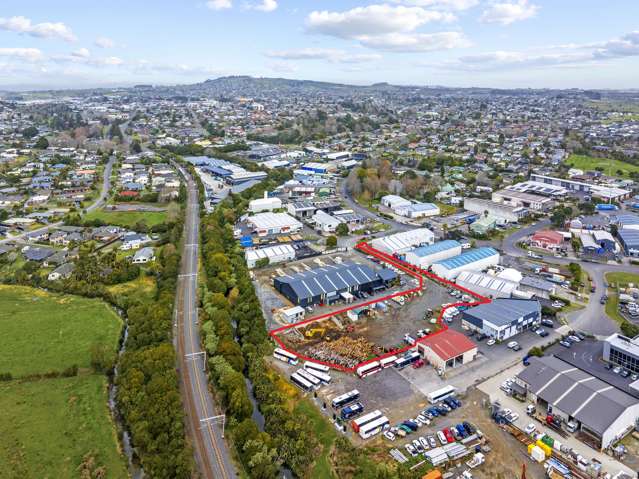
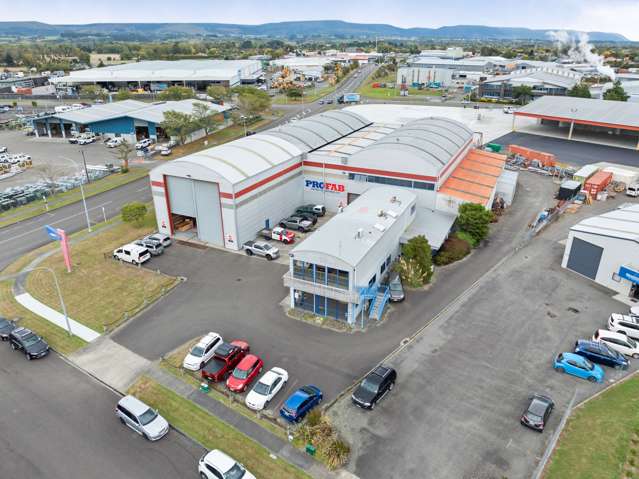
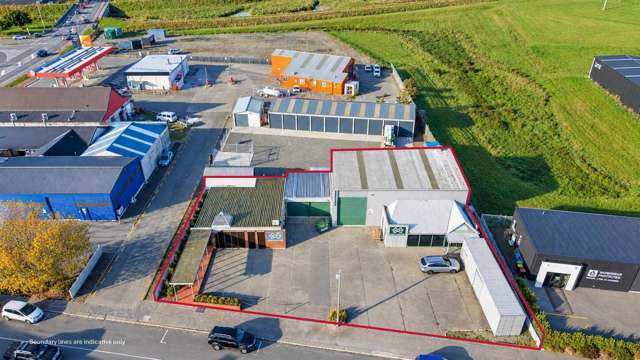
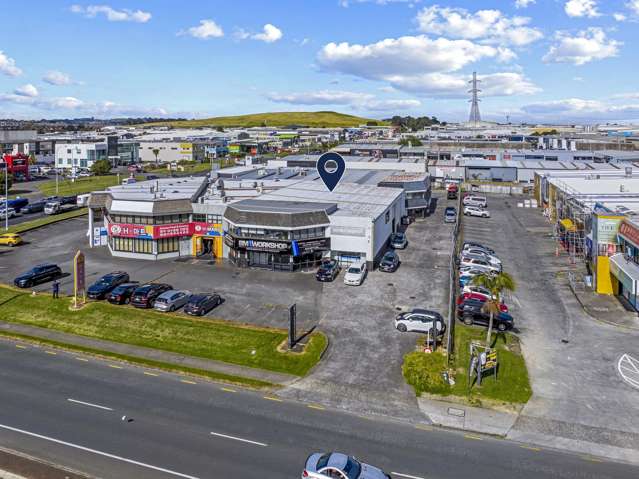
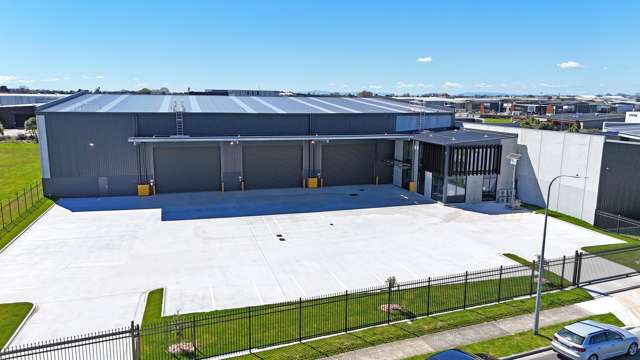
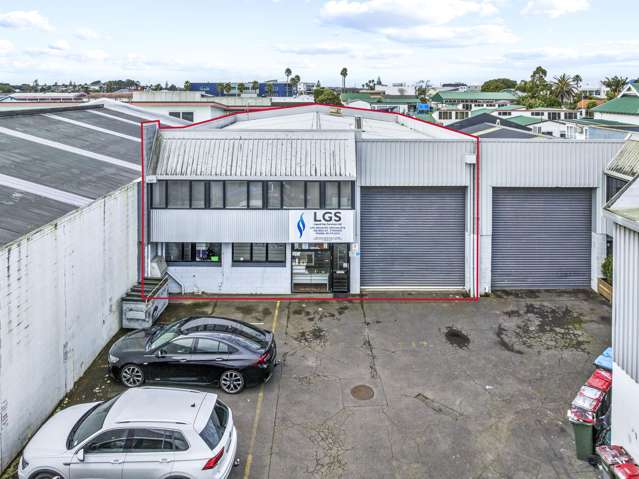
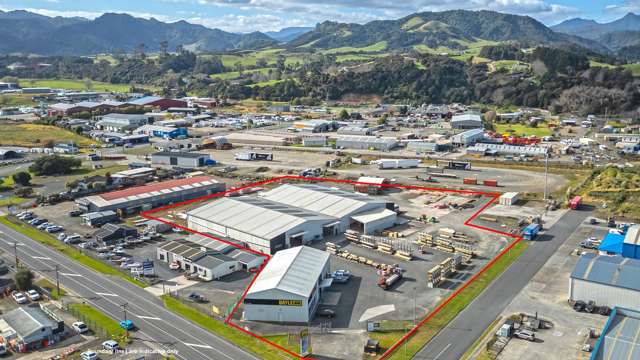
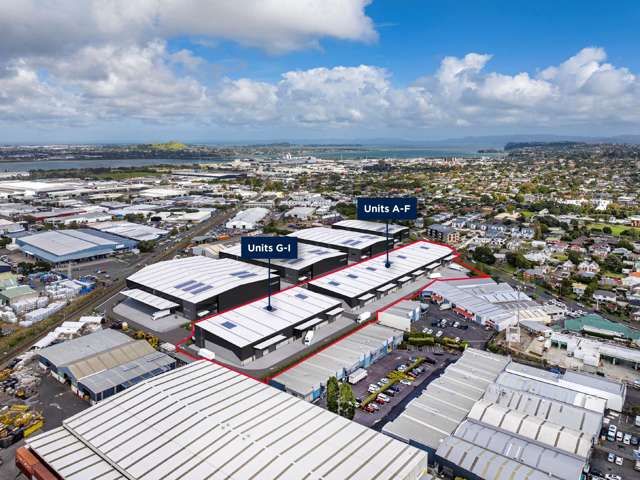
In the industrial market, Clark says vacancy rates remainlow across Bay of Plenty with traditionally tightly held spots like MountMaunganui remaining sought-after, causing rental rates to remain stable.
“Development activity has moderated as developers respond tosofter end-user demand and high construction costs.
“However, falling financing costs will assist withfeasibility and confidence. Expectations of stronger economic momentum through2026 are likely to stimulate renewed demand.
“Land constraints persist in established precincts andemerging locations such as Rangiuru are gaining traction, supported by majorinfrastructure upgrades.”
- Supplied by Colliers