High-level European Union employees are worried that Russia's war against Ukraine will pull the continent into another world war and are among the scores of overseas buyers investigating a move to New Zealand, an international lawyer has told OneRoof.
Nicola Hoobin, of Nicola Hoobin Legal, said there had been a surge of interest from senior EU specialists looking to establish a footprint in New Zealand.
Among them are “accomplished retirees”, who have worked for the EU much of their lives and whose pension packages would support them for the rest of their lives.
They had expressed fears that “that war appears to be approaching the Schengen countries [the 29 European Union countries, including Belgium, Denmark and Germany] and that it's highly volatile, given what has obviously been occurring in Ukraine".
Start your property search
“The majority of people I've spoken to have come from Europe and are making parallels between the start of the Second World War and what's going on now – super scary for them and when you're over there, which I haven't been since last year, but you're just so close to everything. We don't have that vulnerability.”
Others eyeing New Zealand include Kiwi expats who are seeing life in Europe change before their eyes.
One who has lived in London since the 1960s talked of growing concern about war.
“There is a palpable feeling of concern of the radical changes in the way of life since Covid," the person, who did not wish to be named, told OneRoof.
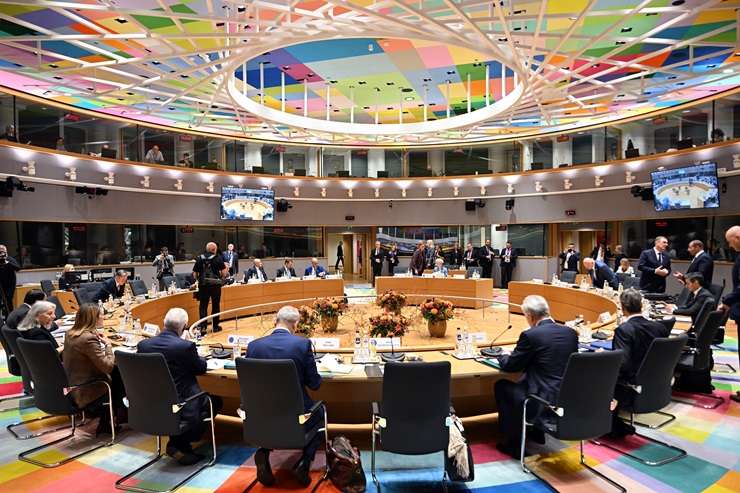
European Union leaders gather in Brussels, Belgium, in October to discuss the bloc's support for Ukraine and its response to hybrid attacks attributed to Russia. Photo / Getty Images
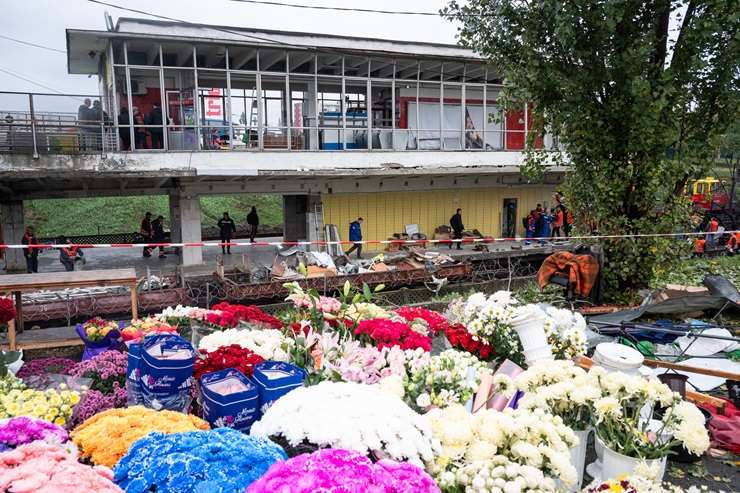
Flowers near the Chernihivska metro station, damaged by a Russian strike, in the Ukrainian capital of Kyiv on October 19. Photo / Getty Images
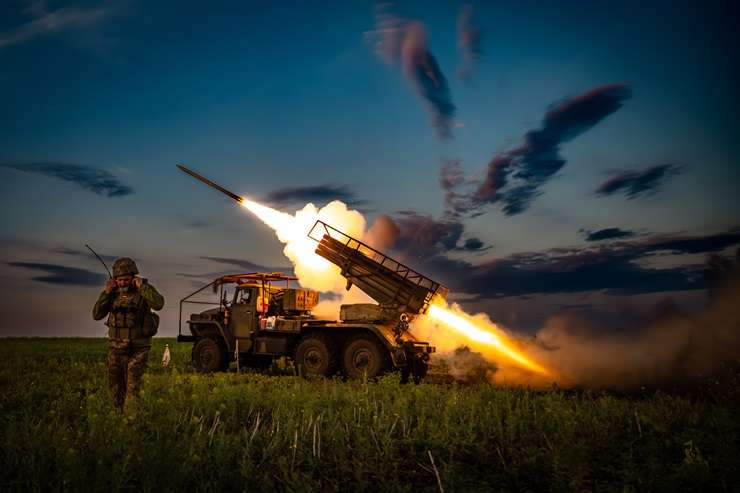
Ukrainian servicemen of the rocket artillery battery of the 23rd Mechanized Brigade fire a BM-21 Grad multiple launch rocket system in May this year. Photo / Getty Images

Lawyer Nicola Hoobin used to live in Italy and has witnessed the changes in Europe first-hand. Photo / Supplied
“Conversations with any age group, friends, or with strangers, in shops, buses, queues, in London's variety of cultures, soon reveal anxieties and disbelief at sudden changes or abandonment in what used to be accepted stable practices.
“There are parallels with the 1930s: a rise in anti-Semitism, unemployment, a breakdown of law, discipline, and manners.”
Such issues were continually discussed and were particularly pertinent for the young, who, after tertiary or university education, were being challenged or ignored by the increasing domination of AI and impersonal algorithms.
“You ask about the threat of war. History catalogues such repetitions, but now it's a technological war, and not just a threat anymore. It's happening, with destructive drones and cyber interference from Eastern Europe encroaching further and further west.
“I fear these concerns do not apply only to Europe either. The world has become much smaller and the geographical escape routes less reliable.”
Discover more:
- What Kiwi buyers need to know before snapping up a tropical getaway
- 29% of NZ’s priciest properties off limits to golden visa buyers
- Euro family who’ve never set foot in NZ buy Auckland home for $3m-plus
The person said New Zealand's isolated position, along with its beauty and relatively uncrowded population statistics, still offered a safer distance from the political upheavals in the northern hemisphere and its immigration chaos.
New Zealand was still home, the person said: “I miss its light, its sound and its outdoor way of life – even if its lack of reliable public transport drives me, and doubtless many, to despair.”
If and when the person returned, they would choose to live back in Rodney, but they said they faced a dilemma as the rest of their family was in Europe.
A couple who lived and worked in Brussels for 30 years told OneRoof they were also considering a move to New Zealand.
They felt Europe was “a long way" from a major conflict, but did see the parallels.
“Too many other factors are needed to even entertain starting another European theatre of war.”
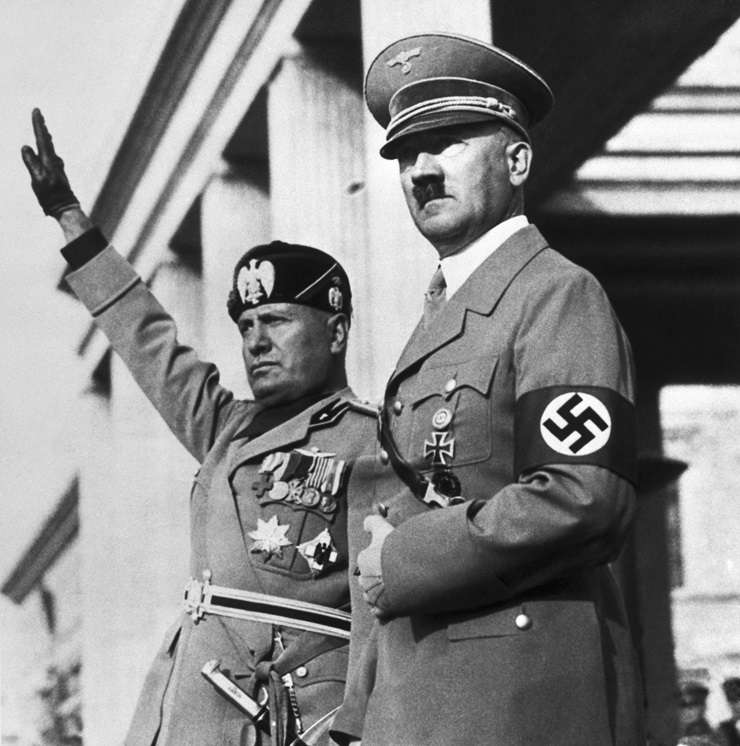
Benito Mussolini, left, and Adolf Hitler. The spectre of the Second World War and the damage and death inflicted by the Nazis looms large in Europe. Photo / Getty Images
They said there was a trend towards the right, and European countries, such as France and Germany, were teetering on the brink of recession. “The highly successful industries that grew Europe are struggling, so a quick fix that politicians are peddling is to build the military.
“This is the one growth industry in Europe. Once you build the military and its weapons, it is inevitable they will be used.”
Hoobin's work involves helping high-net-worth people navigate New Zealand visa and residency requirements. She lived part-time in Italy and has seen first-hand the impact of Covid, the recession and the Ukraine war has had on European communities.
“For older generations in Europe, the footprints of the Second World War never truly faded. They are etched into the architecture, the family histories, and the cultural memory, including memories of famine," she said.
“The parallel I notice most is the creeping feeling of unpredictability - the realisation that a stable, peaceful life can shift on its axis because of decisions made far away.
“When you see local communities taking in refugees and children adjusting to new schools overnight, it acts as a very grounded, human reminder of how quickly borders and lives can be disrupted, mirroring the stories our grandparents or great-grandparents held within them.”
The latest figures from Land Information New Zealand show 32 properties have been bought under the Active Investor Plus scheme since March this year, mostly in Auckland and Otago.
The majority of successful applicants are from the US, with European countries, including non-EU nations, accounting for six of the $5m-plus house purchases.
Hoobin said Europeans who could afford to move to New Zealand had been flying in to scout properties, spending days at a time with an agent looking at properties while staying in high-end hotels which offered all the bells and whistles they required to continue with their lifestyle.
The changes to the Active Investor Plus scheme this year allowed those who invested $5m or more in New Zealand the right to buy or build a New Zealand property for $5m and above.
The EU couple who talked to OneRoof said New Zealand had affordability challenges for retirees. If they chose New Zealand, they would like to buy a large house or high-end apartment around Auckland. However, the current high financial demands for retirees moving to New Zealand were “almost insurmountable”.
“There does not appear to be flexibility for people like us who have full international medical cover and a very high income and would be zero burden on the state.”
Hoobin said there were other pathways for retirees and others that are outside the AIP visa, which has tended to receive all the publicity since it was introduced.

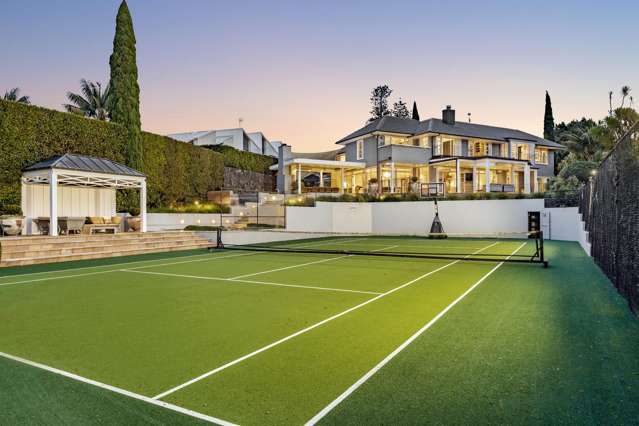
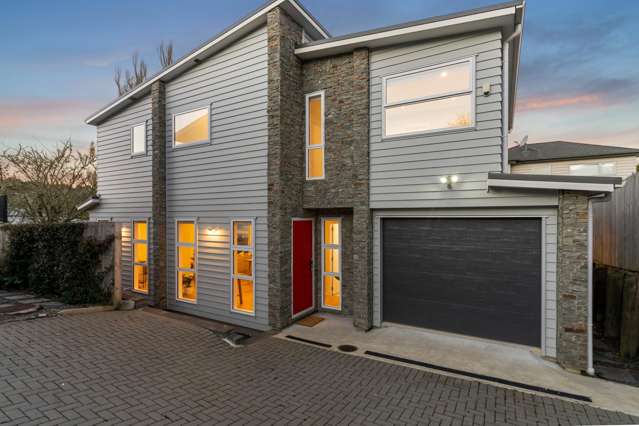
Auckland's high-end homes have caught the eye of overseas buyers. Photo / Chris Tarpey

New Zealand Sotheby's International Realty managing director Mark Harris wants the $5m threshold lowered for regions outside of Auckland and Queenstown-Lakes. Photo / Supplied
“There is still a widespread perception that unless you qualify under the Active Investor Plus framework and deploy millions of dollars of investment in New Zealand, and then utilise the special OIO amendments to buy or build a luxury home valued above $5m, then living and purchasing property in New Zealand is virtually impossible," she said.
“While the ultra-luxury investor playbook is a major pathway, there are highly structured, sophisticated alternative tracks for those who simply wish to reside and purchase a home in New Zealand below a New Zealand $5m-plus threshold.”
For those aged 66 or older, the temporary retirement path allowed an investment of $750,000 to live here and scout land, she said.
For working age buyers, the standard track required holding residency and meeting physical presence rules for a year, but Hoobin said a resident shortcut existed where buyers could pay a $2040 fee, pass a commitment test, and get immediate consent to buy or build a single home.
“That's what I anticipate will be a draw card for if and when Europe and America become more volatile.”
Hoobin said many overseas buyers viewed "a premium New Zealand estate not just as real estate but as a practical sovereign insurance policy for their families’ multi-generational future”.
There are calls for the AIP threshold to be lowered in some regions.
New Zealand Sotheby's International Realty managing director Mark Harris said: “Since the AIP exemption came into effect in March this year, there have only been 174 residential transactions above the $5m threshold - 32 of which have sold to AIP buyers.
“If the policy objective is to attract greater overseas investment into New Zealand, there is an opportunity to review whether the current settings are delivering that outcome.”
One approach would be to consider a lower threshold in regions outside of Auckland and the Southern Lakes, where approximately 75% of qualifying transactions had taken place.
“A more regionally targeted model could help attract investment into markets facing softer conditions, such as Wellington, while supporting economic activity and improving sales opportunities for Kiwi vendors.”
Another option could be to introduce a regionally adjusted threshold based on local property values.
- Click here to find properties for sale