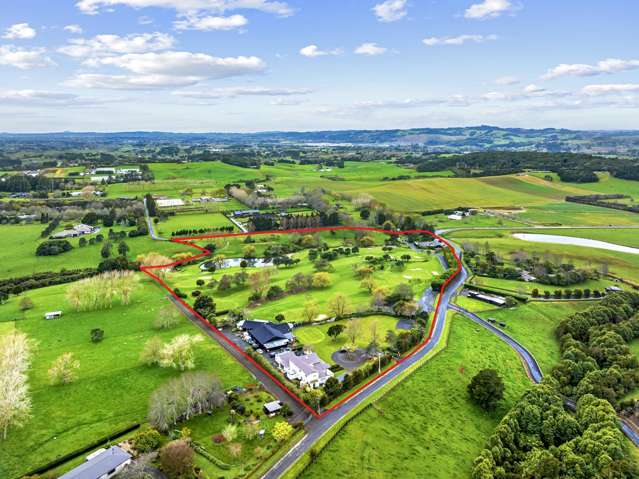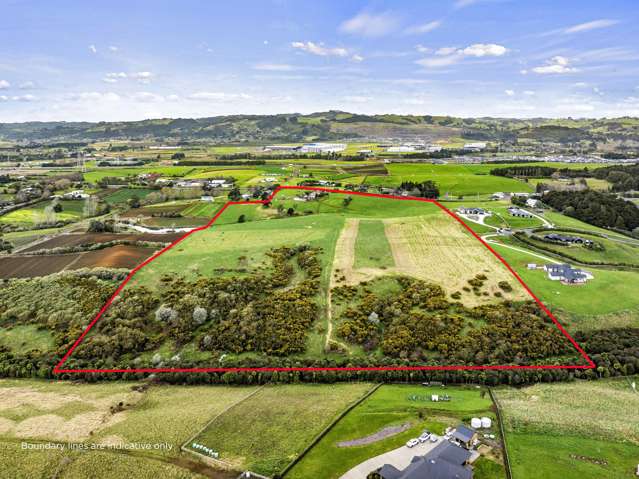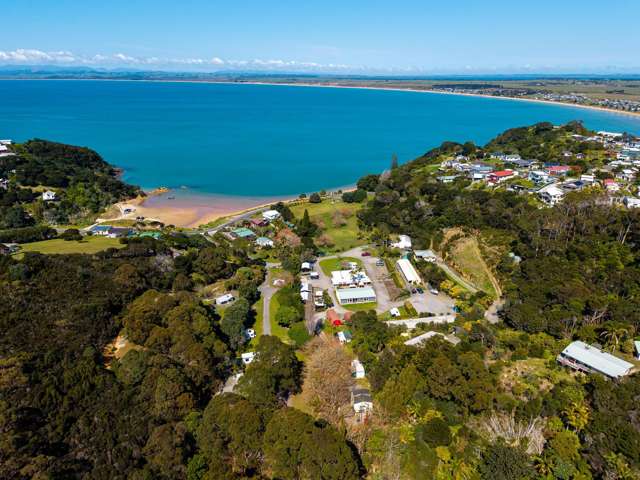
The rural sector remains a driving force for the local economy in Taranaki, as it continues to support spending and business activity across the region.
The Colliers Research & Economics team has published their Regional Essentials report for Taranaki, which shows the region’s softer economic backdrop experienced over the past 12 months is broadly in line with national trends.
A record $1.8 billion dairy payout in the 2024/2025 season provided substantial capital flow for Taranaki and the payout for the 2025/2026 season is expected to remain historically strong at around $1.7 billion, according to the March 2026 Infometrics Quarterly Economic Monitor.
Hamish Fitchett, National Director of Research & Economics at Colliers, says these strong payouts are well supported by the significant capital return from Fonterra’s consumer brands sale that has been paid to farmers.
Start your property search
“We anticipate that these funds will be partially reinvested back into the local region, supporting Taranaki’s gradual economic diversification away from its traditional reliance on the oil and gas industry and towards the manufacturing, engineering, and clean energy sectors,” Fitchett says.
“We have seen in other areas of the country, such as Canterbury, farmers are actively seeking off-farm investment opportunities and commercial property looms as an attractive asset class.”
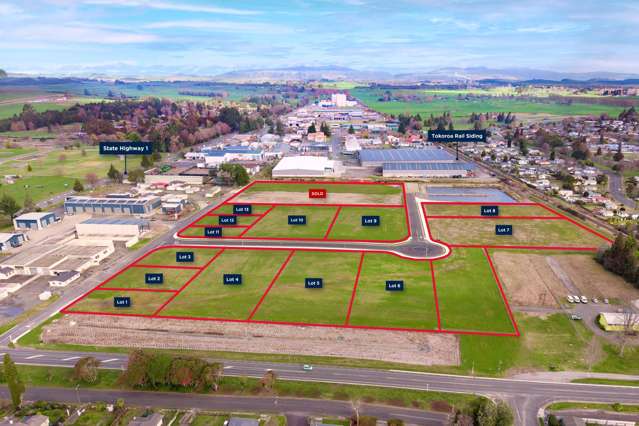
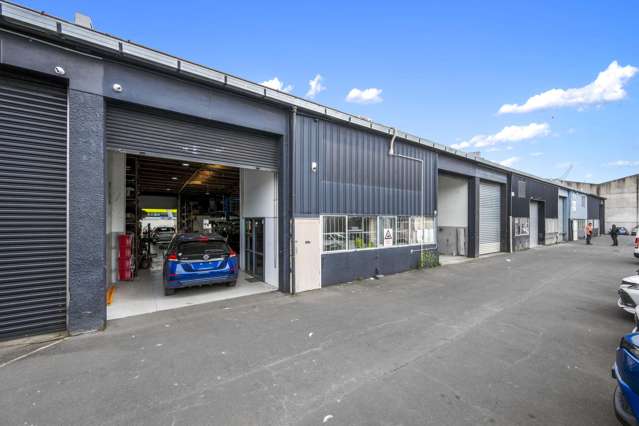
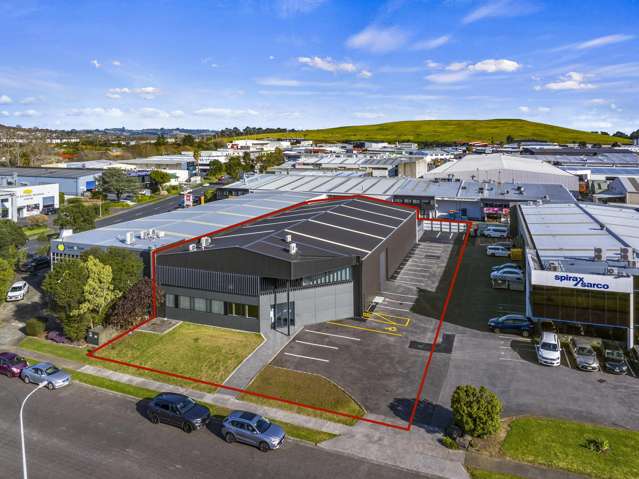
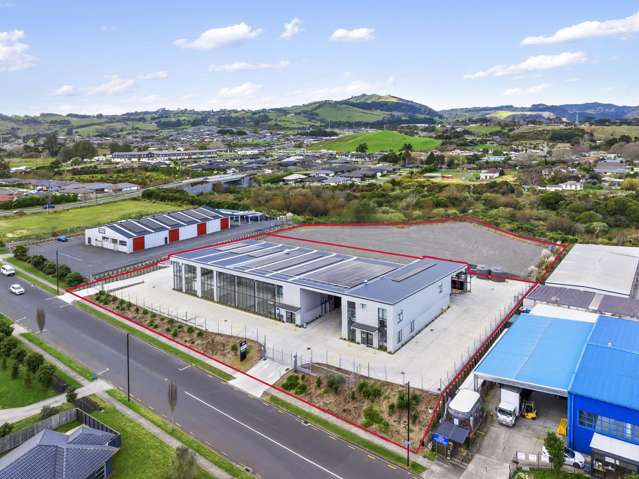
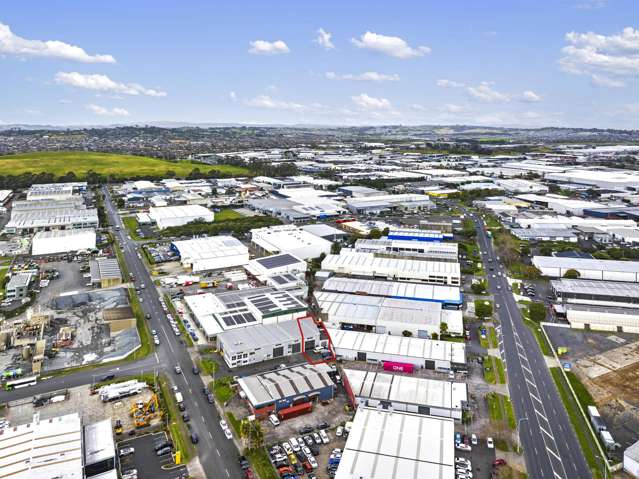
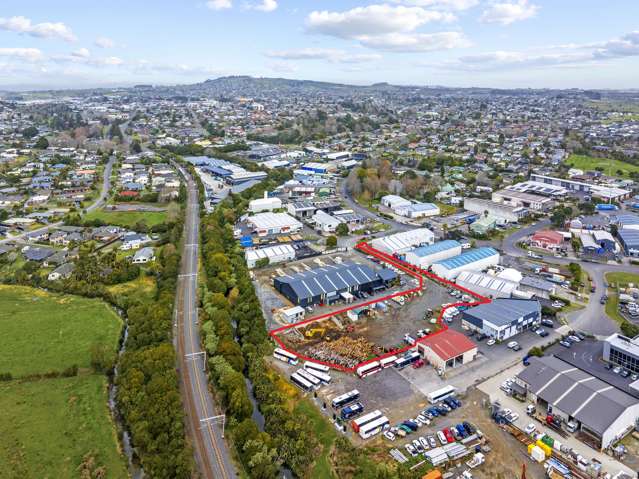
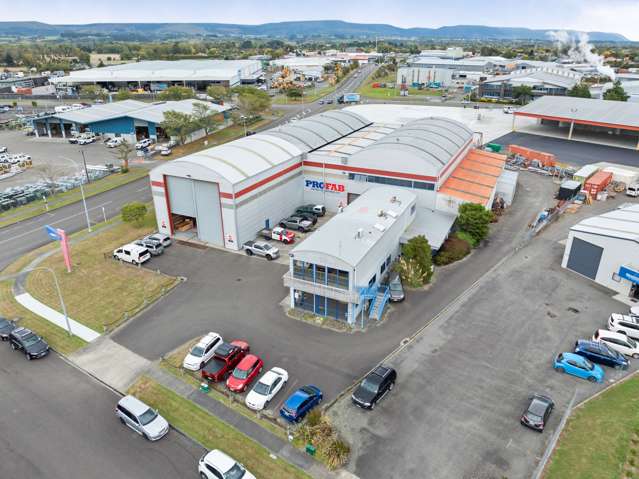
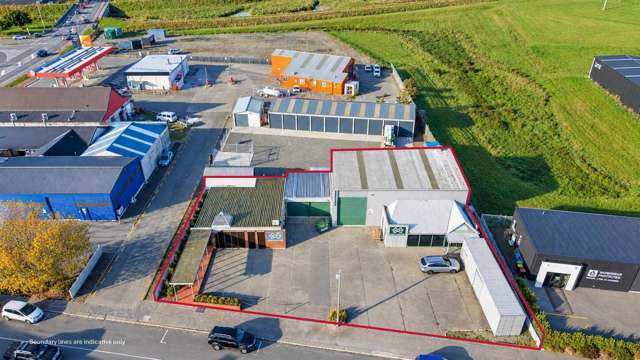
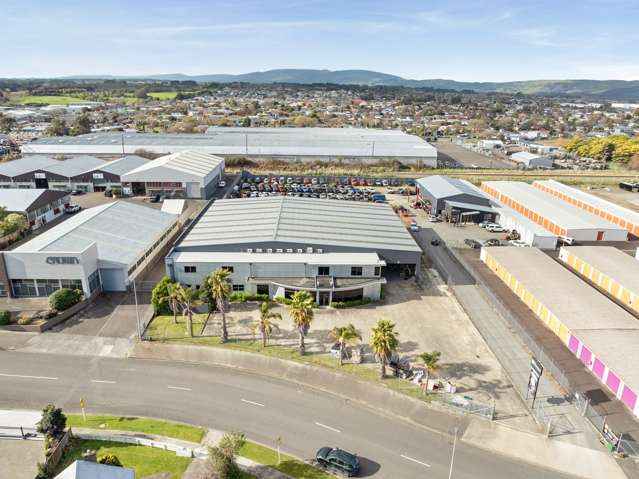
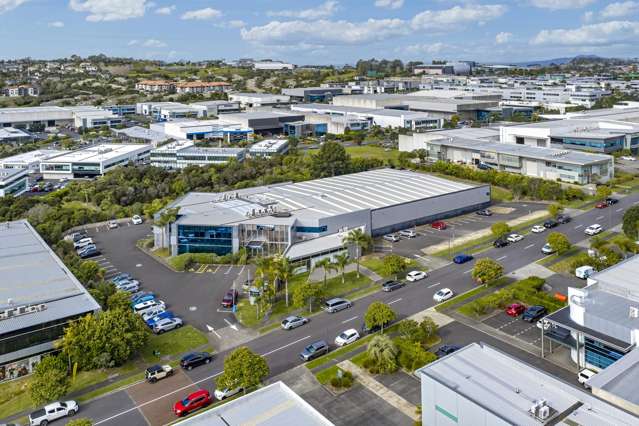
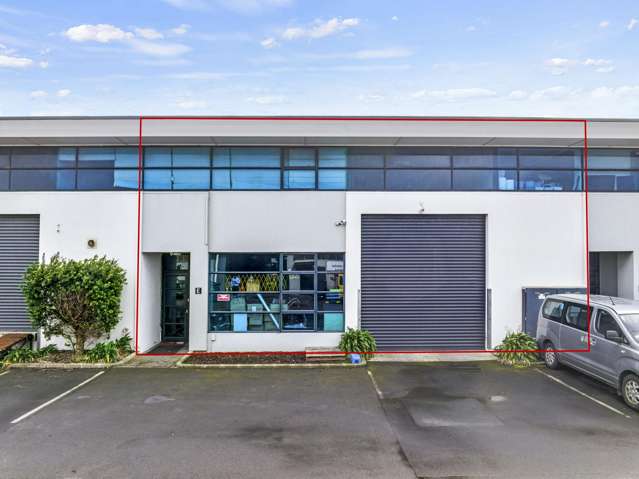
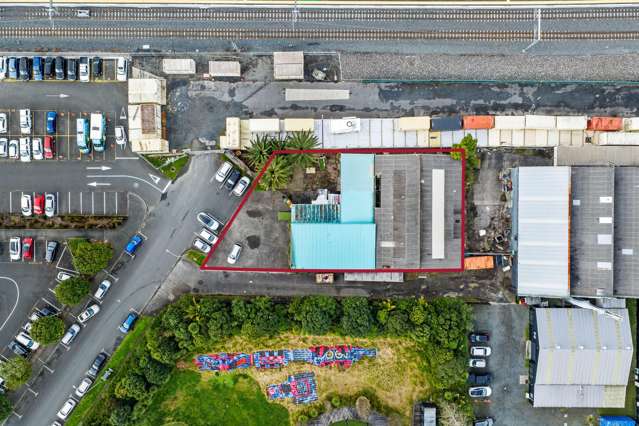
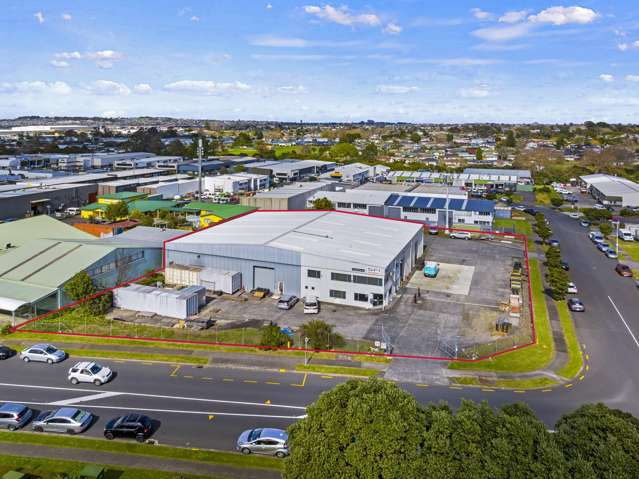
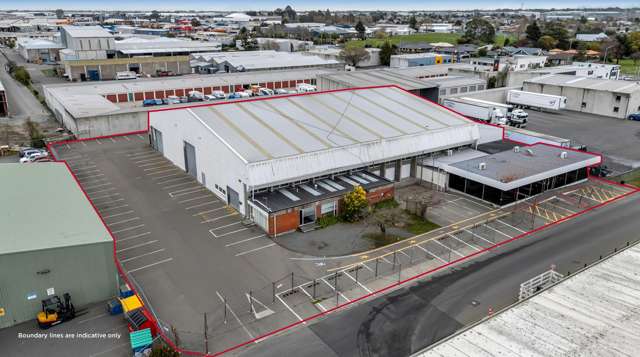
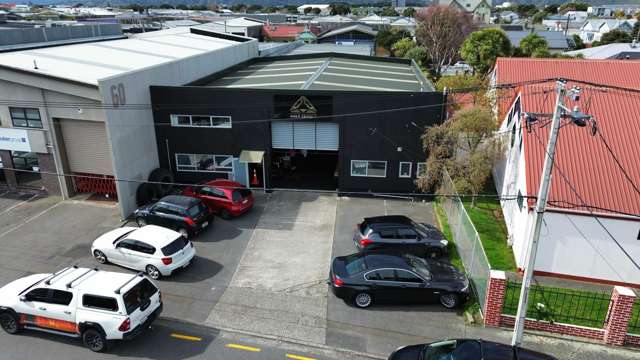
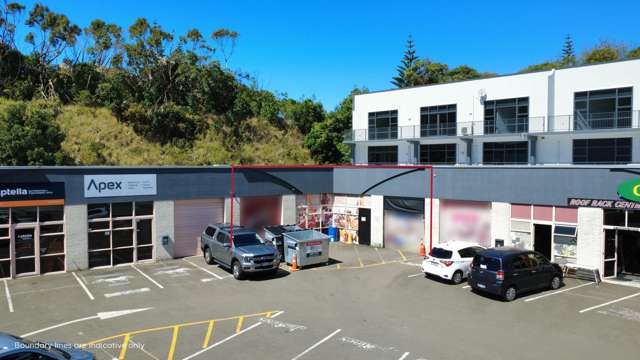
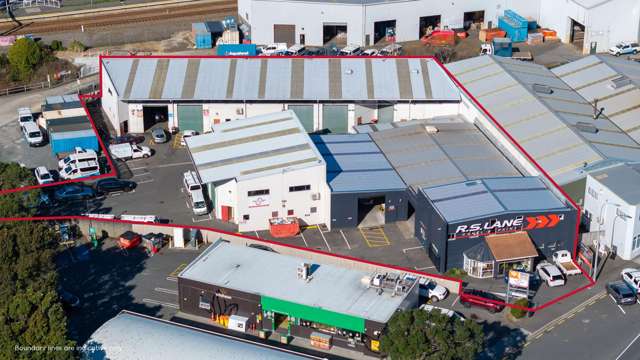
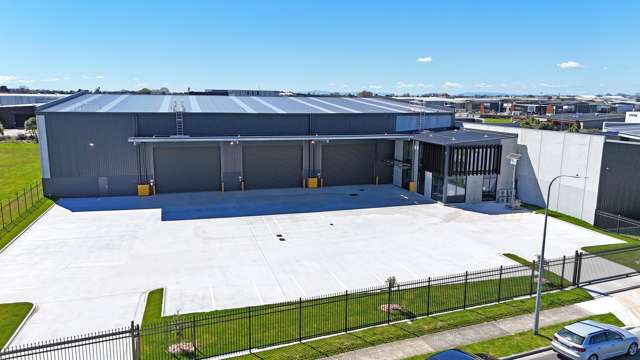
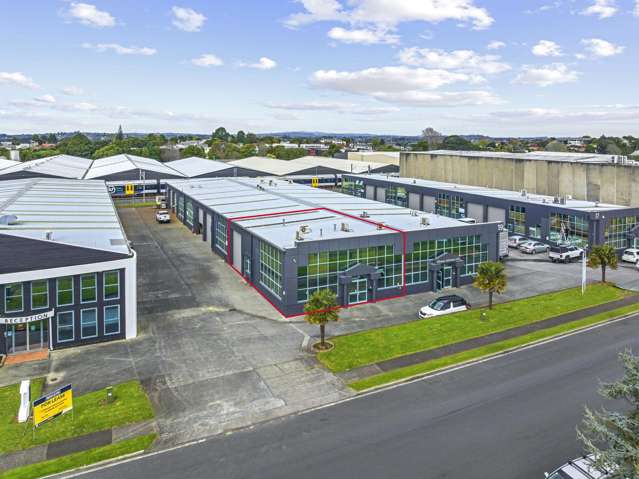
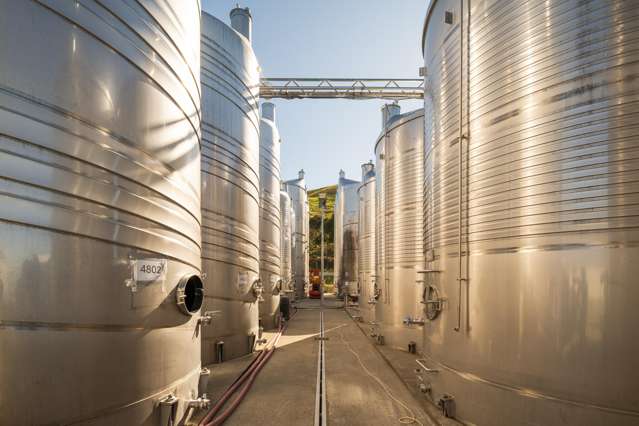
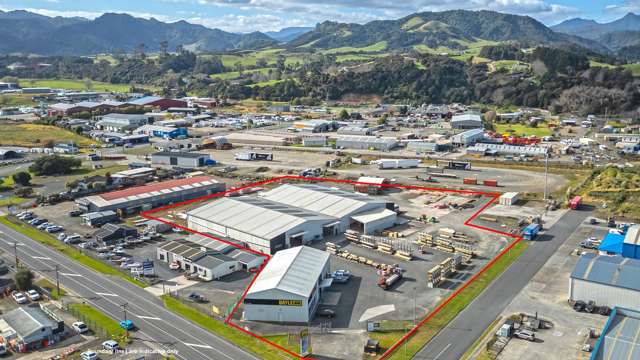
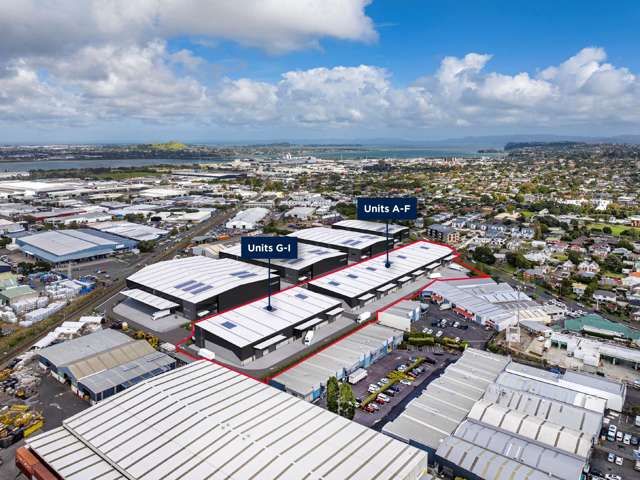
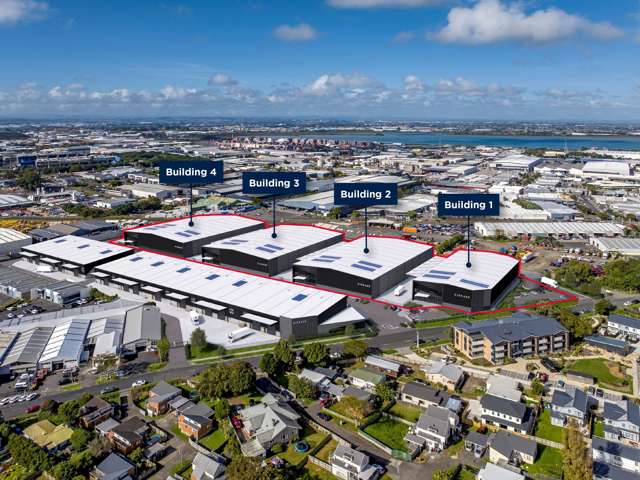
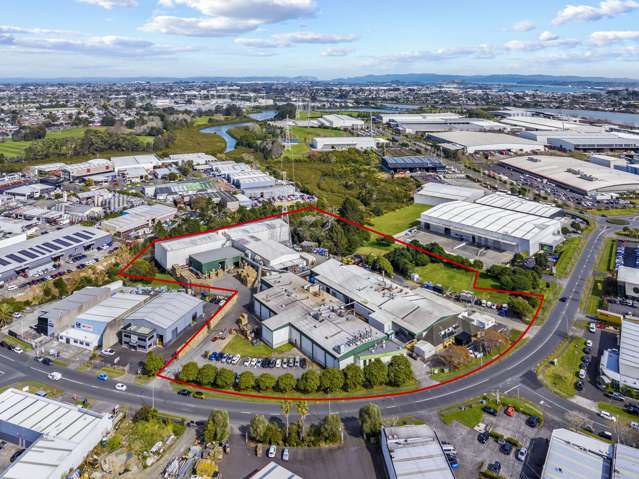
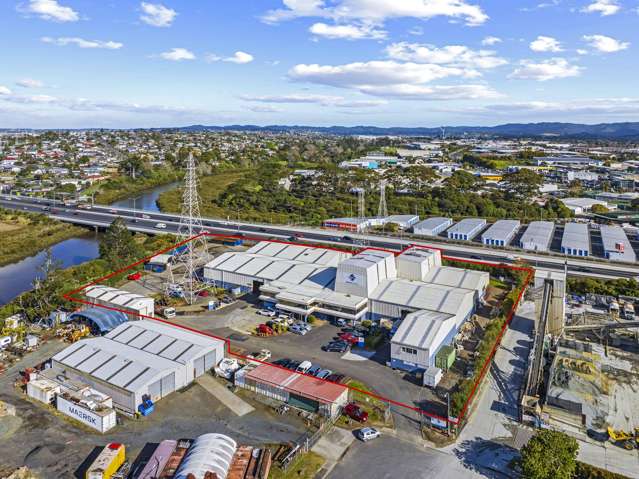
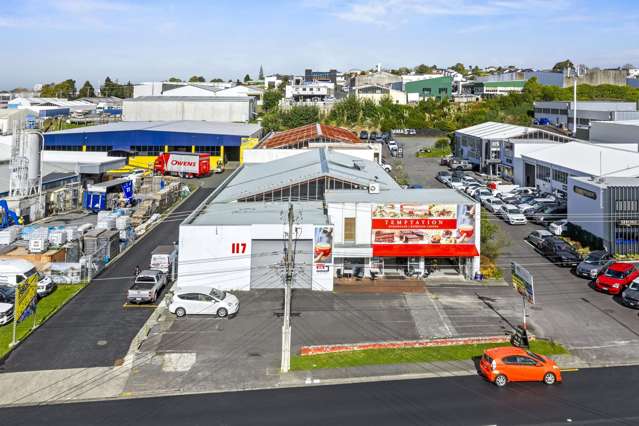
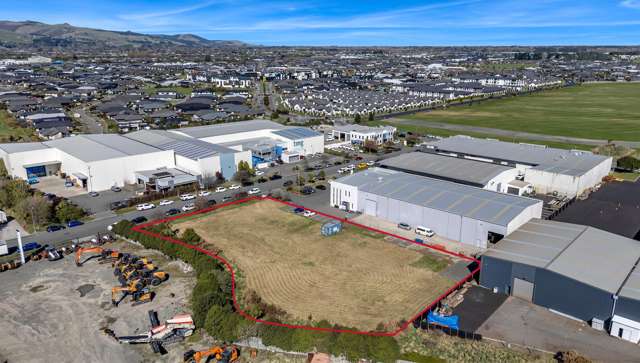
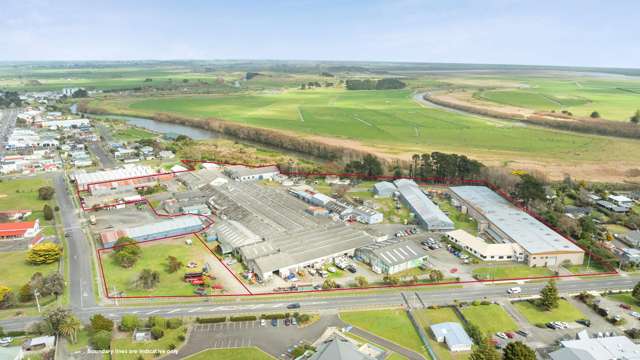
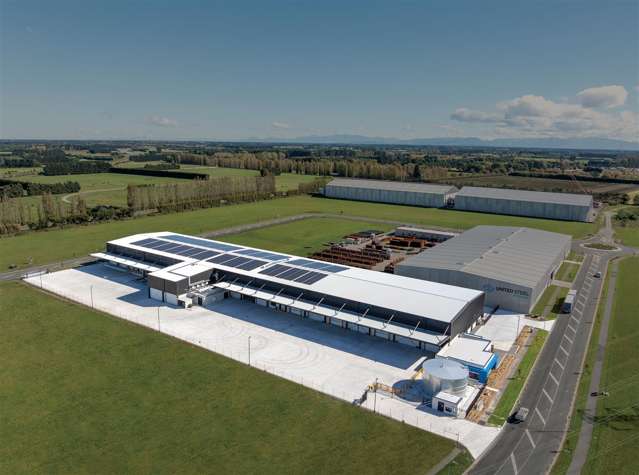
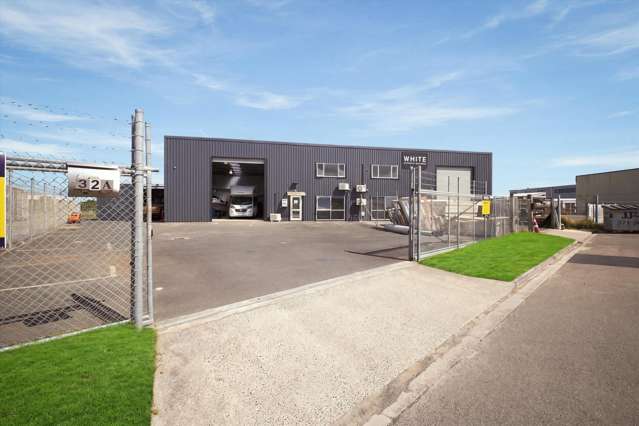
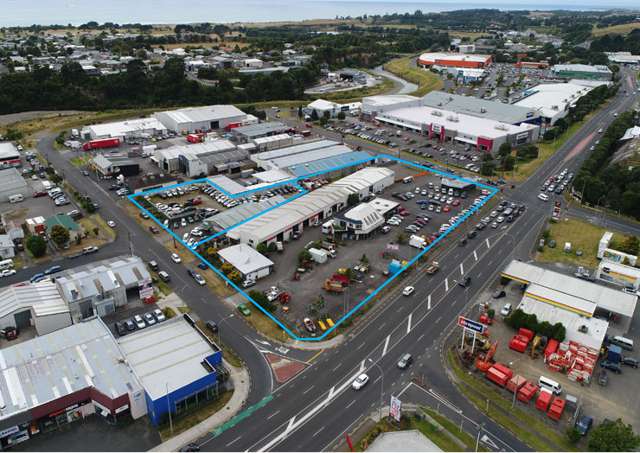
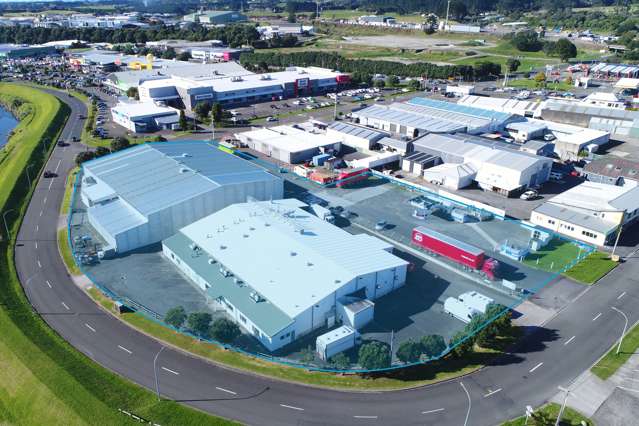
The industrial corner of the commercial property market continues to perform admirably in Taranaki with occupier demand remaining resilient.
There has been steady development activity in the region. Over the 12 months to March 2026, 23,880sq m of industrial floorspace was consented, up from 11,861sq m the previous year, according to Stats NZ.
Benet Carroll, Director at Colliers New Plymouth, says while vacancy has edged up from historical lows, the supply of modern, well-located industrial space remains limited.
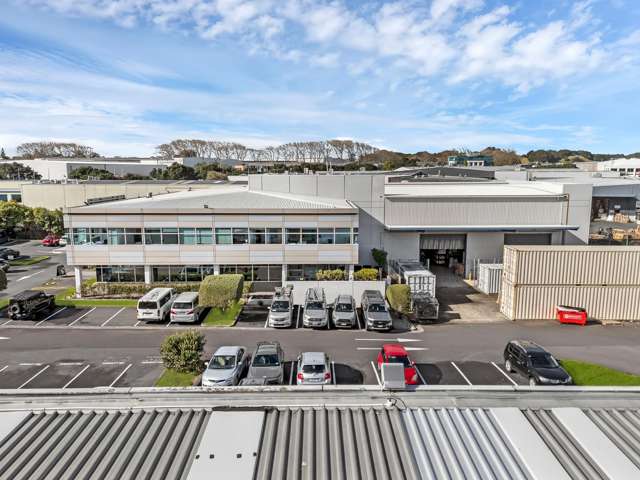
“Prime grade facilities in established precincts such as Bell Block continue to attract steady tenant enquiry, particularly from logistics, waste management, and specialised engineering firms,” Carroll says.
“Investor demand in Taranaki remains strongest for well-leased, high-quality industrial assets, reflecting the sector’s relatively stable income profile.
“Industrial market activity is driven by infrastructure requirements linked to the evolving energy sector, contributing to demand for larger-scale industrial facilities.”
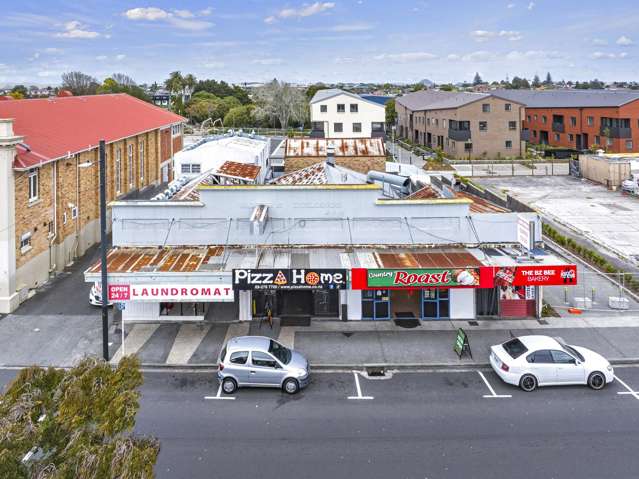
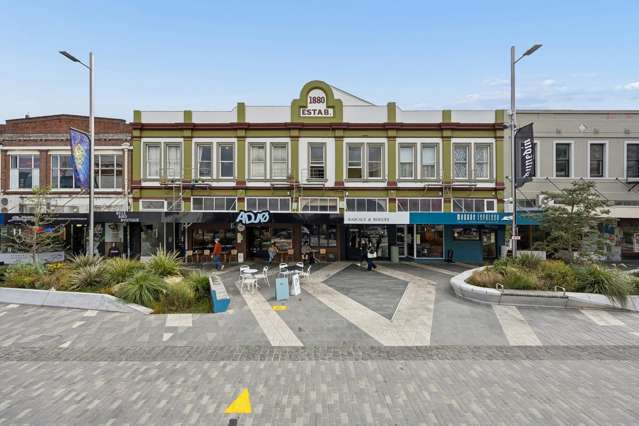
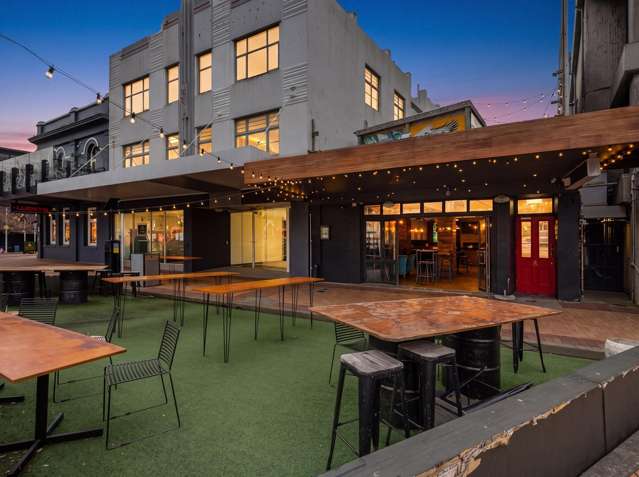
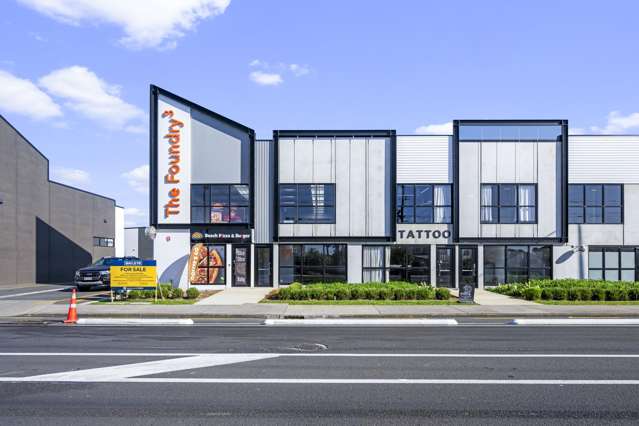
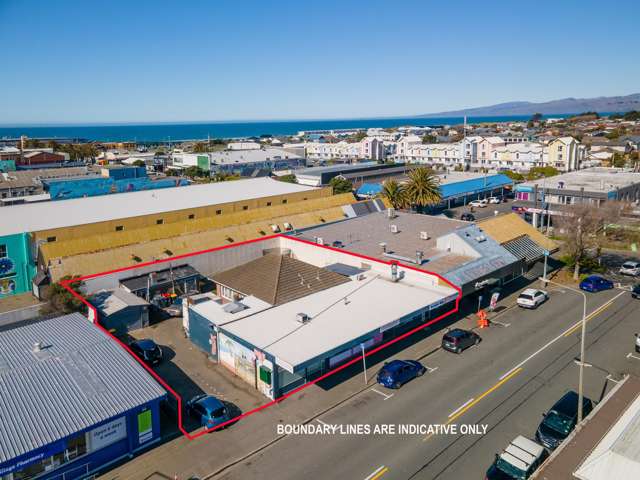
Considering other areas of the commercial property market, conditions for retail properties across Taranaki remain varied, with performance continuing to differ by format and location.
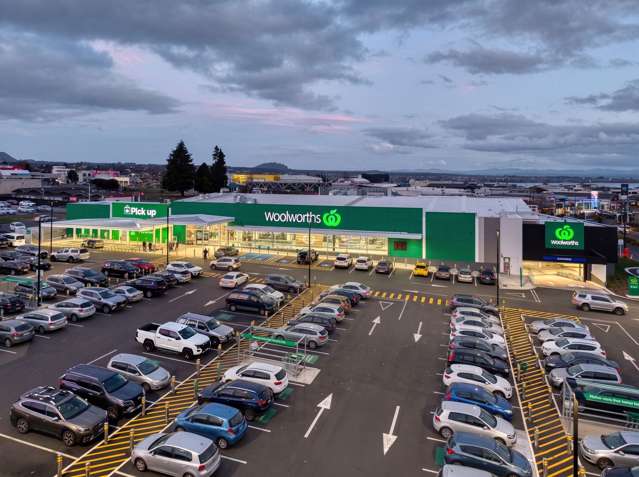
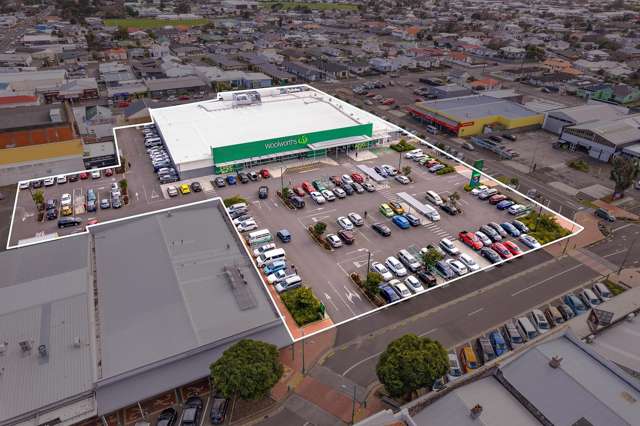
Large-format retail premises remain relatively well supported, with demand aligned to limited availability, as evidenced by the record-breaking price achieved for a supermarket in the region when Carroll sold Woolworths in Hāwera six months ago.
While consenting activity has been subdued, the long-term potential is on display at the former Ravensdown site in New Plymouth.
It is held by Bunnings for a large-format retail development that is expected to become a significant addition to the region’s retail supply once delivered.
CBD upgrades in New Plymouth include works on Devon Street and the West End Crossing that will support a more active and accessible city centre that is positioned to capitalise on consumer spending stabilising.
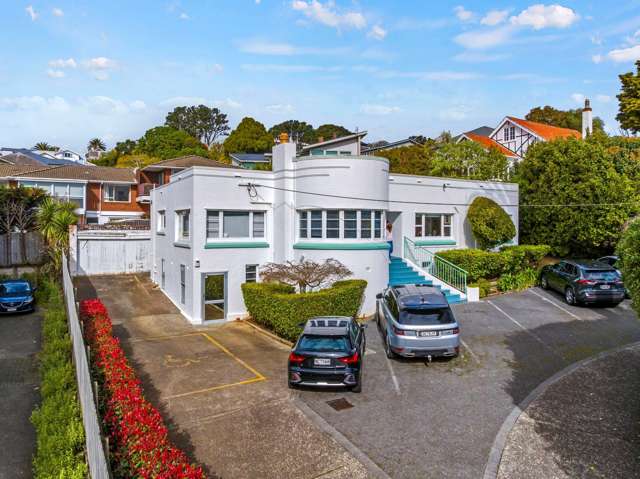
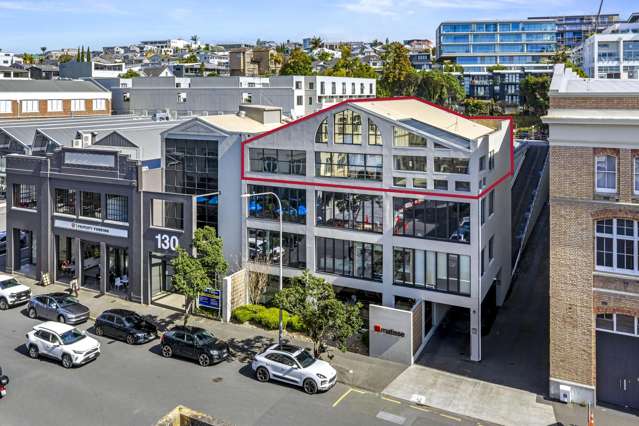
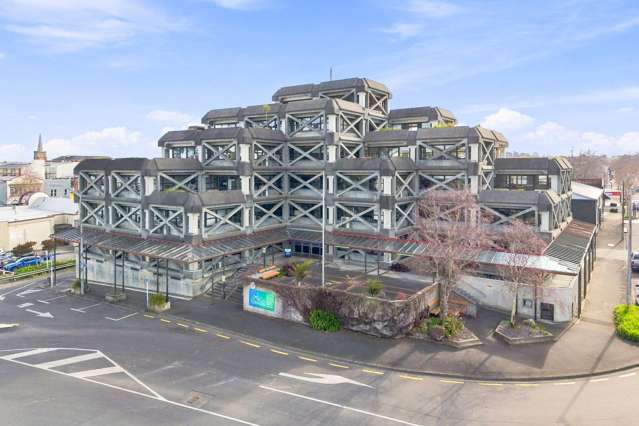
The flight-to-quality trend that is evident across the national office market also applies to Taranaki as occupiers increasingly prioritise seismic resilience, staff amenity, and operational efficiency.
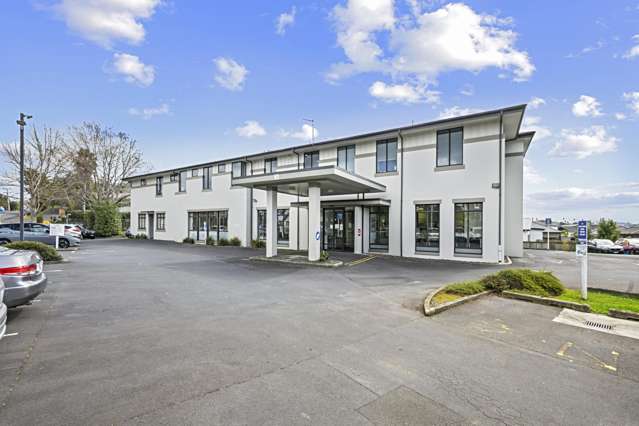
“Demand from health, professional, and community service-related occupiers has remained comparatively steady, particularly for accessible modern buildings outside the traditional CBD core,” Carroll says.
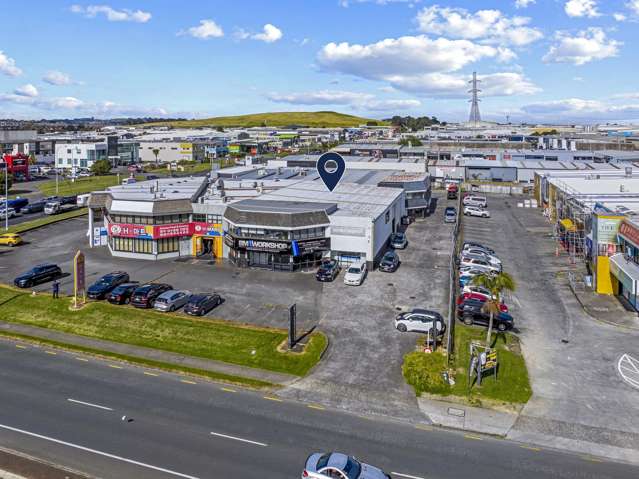
“Recent leasing activity also highlights a growing preference for highly visible and accessible premises.
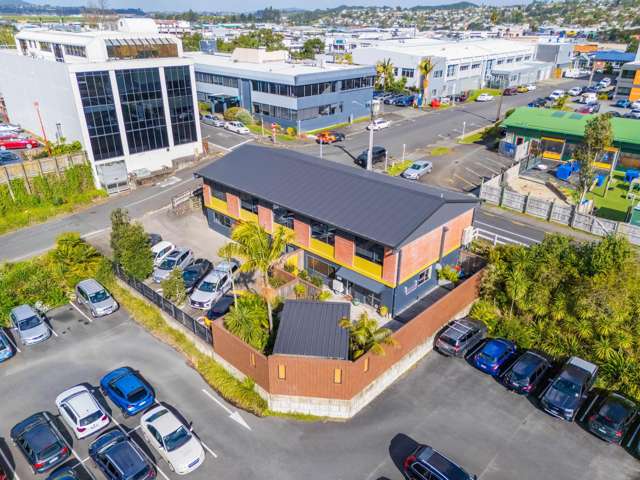
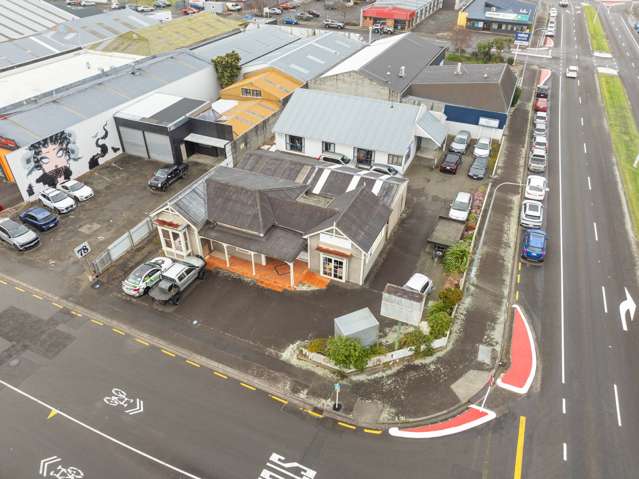
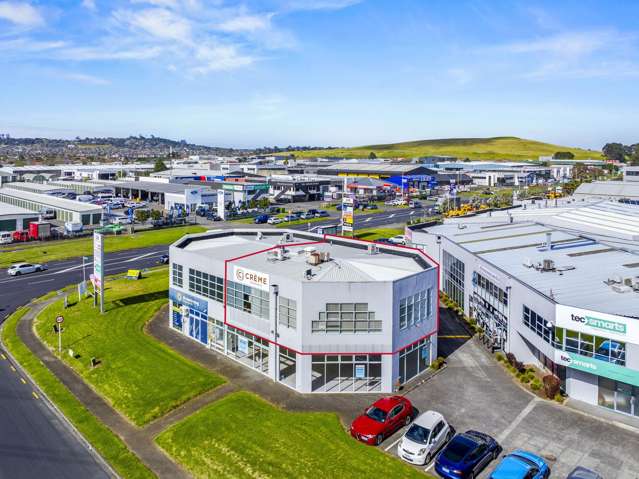
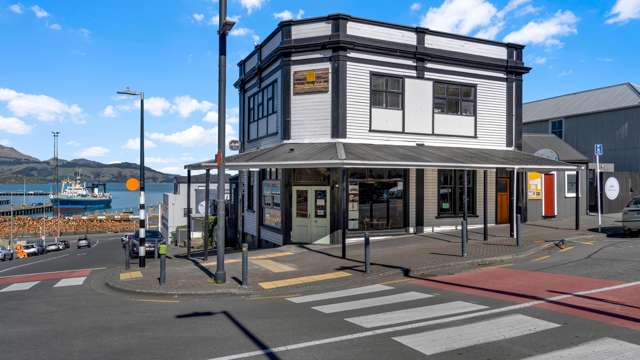
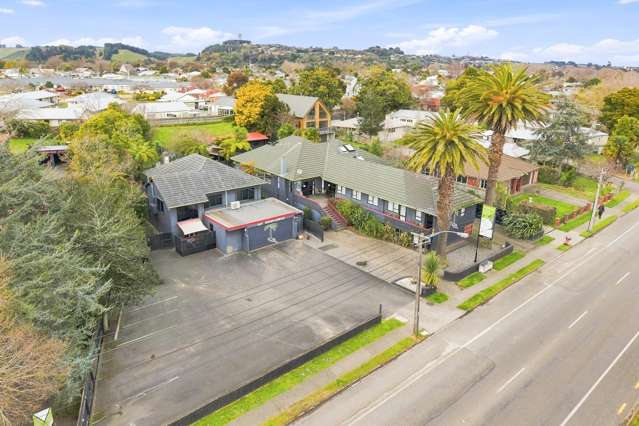
"Occupiers are increasingly favouring modern ground floor or prominent corner locations that support staff accessibility and business visibility, particularly across fringe CBD areas.”
Carroll says while overall commercial property market investment momentum has improved from the 2023 lows, activity remains measured.
“Capital continues to flow toward assets that offer long-term income security and strong underlying fundamentals.”
- Supplied by Colliers