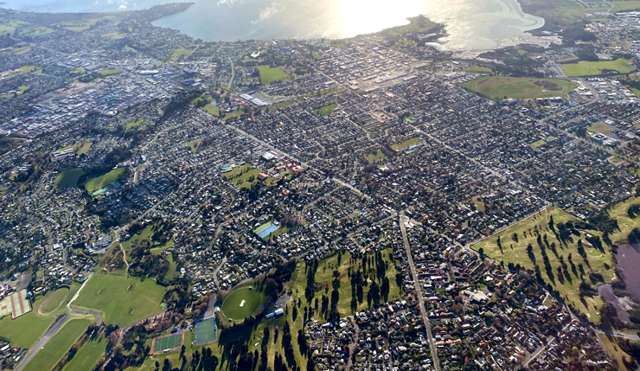
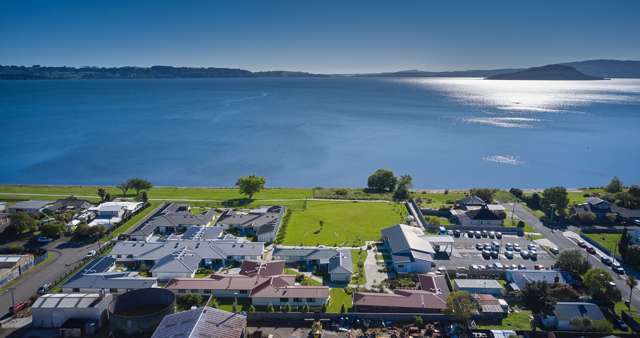
Rotorua is experiencing a residential building upswing with several Greenfield sites coming through the pipeline. However, the demand outlook seems firm, so the new property will certainly be needed.
Rotorua’s residential property market has been a strong performer in recent years. The annual rate of growth in property values in Rotorua has been stronger than the national average since early 2016 and has even picked up a little bit in the past 2-3 months, as opposed to the national slowdown (see the first chart). In the past three years, average values in Rotorua have risen by 57% (almost $155,000) to a touch more than $427,000.
Across the bigger suburbs (those with at least 600 properties) in Rotorua, growth over the past year has been strongest in Victoria, Glenholme and Sunnybrook. But Western Heights, Pukehangi, and Ngongotaha haven’t been far behind.
The strength in property values has triggered a supply response and new dwelling consents in Rotorua are on the rise. To be fair, consents in Rotorua are still relatively low by past standards. Even so, the trend since 2014 is clearly upwards.
Start your property search
New housing supply in Rotorua isn’t just measured by dwelling consents though. At CoreLogic we have access to data on new supply at an earlier stage of the pipeline – i.e. when the infrastructure for sections (e.g. fibre broadband) is being installed. This "Greenfield" data shows that there are at least 400 new lots across the district that are further back in the pipeline, and which (all going to plan) will end up with a house on them at some later stage.
Many of these are heading north-west around the lake, in Ngongotaha and Pukehangi. Measured against Rotorua’s dwelling stock of around 18,500, 400 proposed lots is a decent number (2.2 percent), which of course is additional to all of the new houses that have already been consented (160 in the past year).
However, it looks pretty clear that all of these new dwellings will be necessary. After all, the economy has been going well, with Rotorua’s GDP growing 4 percent in the March 2018 year, well above the national average of 2.7 percent. Tourism, forestry and dairying have all supported growth in Rotorua in recent quarters.
On top of that, the district/city’s population is also growing and is expected to continue to expand steadily. Statistics NZ’s projects that Rotorua will gain a net 1700 people over the next five years. That would require around 630 new houses (at an occupancy rate of 2.7 people per house) and would pretty quickly soak up the consented and Greenfield development.
Overall, this highlights how it’s not just Auckland that needs more new housing in the coming years in order to cap the growth in the value of existing stock.
Kelvin Davidson is a senior research analyst at CoreLogic NZ.