- Auckland has nearly 22,000 extra houses due to planning changes over the past decade.
- Despite 65,700 new homes since 2016, housing affordability hasn’t significantly improved, with prices still high.
- Without these changes, house prices could be 39% higher, but affordability remains a challenge.
Auckland has nearly 22,000 extra houses as a result of planning changes brought in almost 10 years ago.
Start your property search
But the median house price in Auckland is still $320,000 more than it would be if affordability had not worsened since the early 2000s, according to Auckland Council’s chief economist Gary Blick.
Despite Auckland consenting 65,700 new homes in the five years since zoning changes were introduced in 2016, the city has not been able to fully reverse the decline in housing affordability, Blick told OneRoof.
“Twenty-five years ago, Auckland’s median house price was around five times the city’s median household income. When the unitary plan became operative in 2016, the median house price was 9.5 times the median household income; now it’s around 7.5, at $1m.”

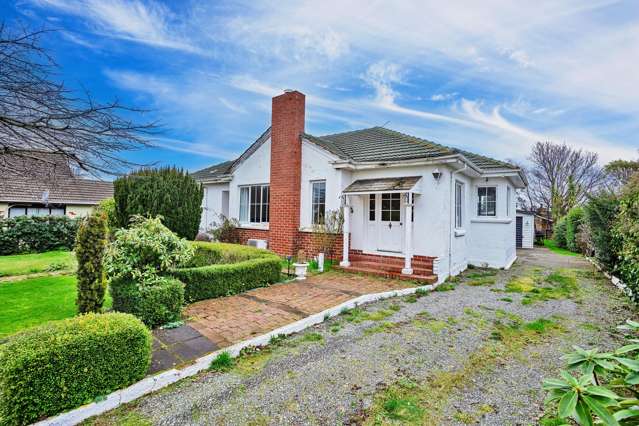
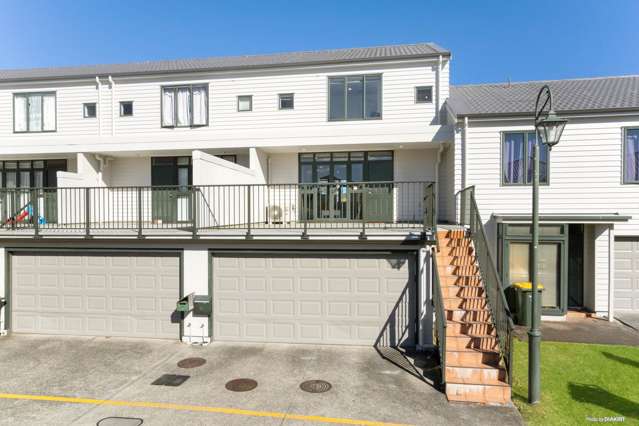
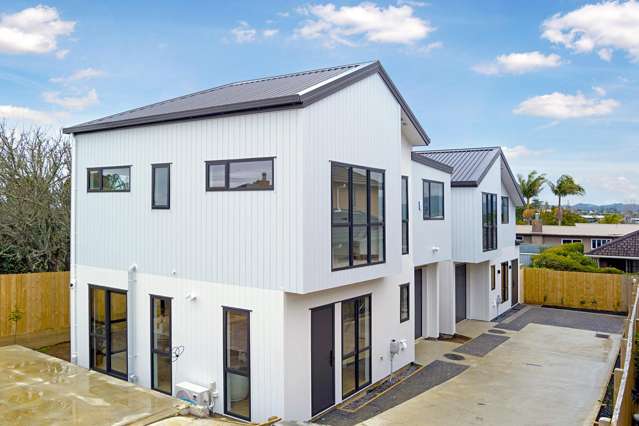
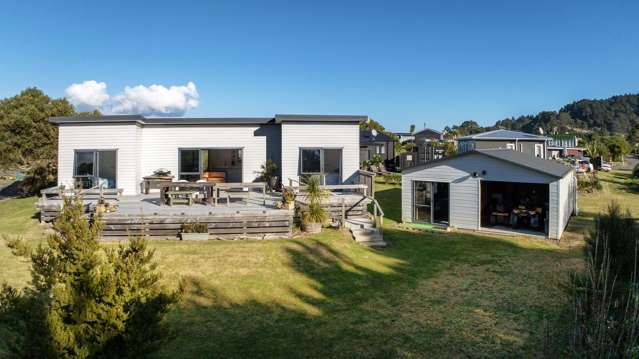
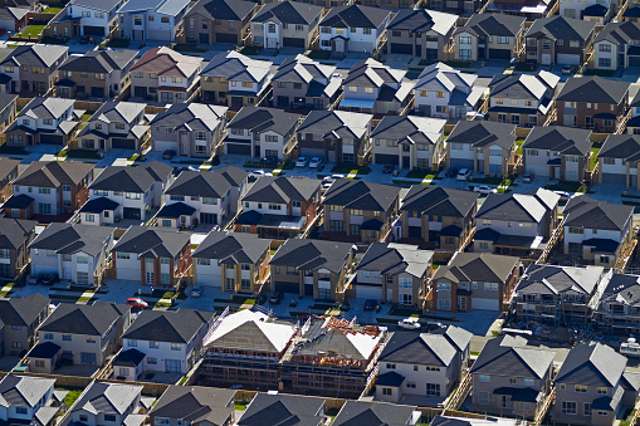
House-building in the city has increased as a result of changes to planning rules almost a decade ago. Photo / Michael Craig
An Auckland home would need to cost $680,000 to get to five times the current median household income, Blick said.
“That’s how much we’ve slipped. We’ve not seen any material and sustained improvement in housing affordability. People are paying more of their incomes, in part because of the relative scarcity of housing.”
However, the situation could be worse for Auckland home buyers.
Quoting studies by Auckland University professors Ryan Greenaway-McGrevy and Peter Phillips, Blick found that without the increase in home-building spurred by the unitary plan, Auckland house prices could be even higher – one calculation estimated by as much as 39%, the other by between 15 and 27%.
The team estimated that under the old planning rules, Auckland would have built just 43,900 homes since 2016.
Intensification had helped lower prices, but not enough, Blick said.
Discover more:
- Rich-lister pays more than $17m to buy houses next door to Remuera mansion
- Where the cost of buying a four-bedroom home has dropped by $32,000
- ‘Fairytale’ manor built with thousands of hand-washed bricks for sale
“People buy a dwelling that consumes less land, and land is the expensive part of the home. They are saying, ‘Well, for my budget, I’m willing to have a little bit less land’ and are also trading off space for location.
“The big theme through all of this is flexibility in terms of how we use land, and more choice for people.”
Nick Goodall, head of research at Cotality, said his firm used different methods to calculate housing affordability but came up with the same number as Blick: $670,000.
“For someone on the median household income, this would equate to 30% of income to service the mortgage, and 30% seems to be the figure referenced as affordable,” Goodall told OneRoof.
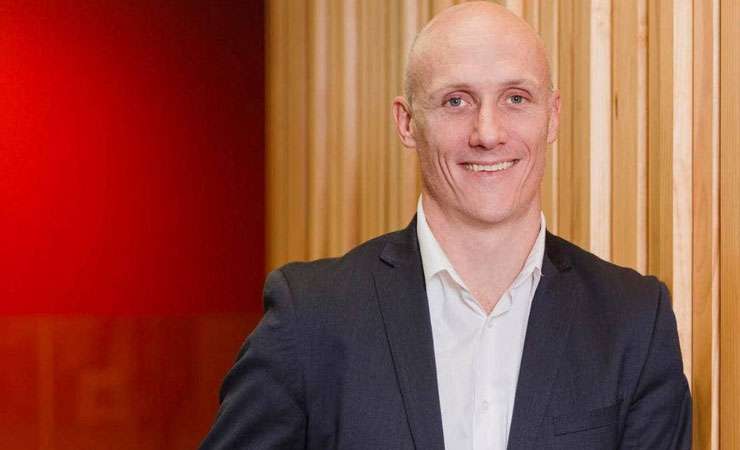
Cotality head of research Nick Goodall says Auckland first-home buyers have a slightly better deal than buyers overall in the city. Photo / Supplied
Currently, 48% of an Aucklander’s income is required to service a mortgage. That’s down slightly on the 50%-60% recorded at the height of the market post-Covid, Goodall told OneRoof.
He did note that first-home buyers in Auckland were slightly better off than buyers overall, with the median house price for a first purchase in the city $900,000, rather than $1m. That translates to around 40% of income needed to service the mortgage.
However, Goodall said the figures assumed first-home buyers had a median household income of $135,675, which was probably on the high side.
Goodall does point out that 20 years ago, when interest rates were 7.7% but median prices were $307,000, affordability was better: 36% of income was needed to service a mortgage.
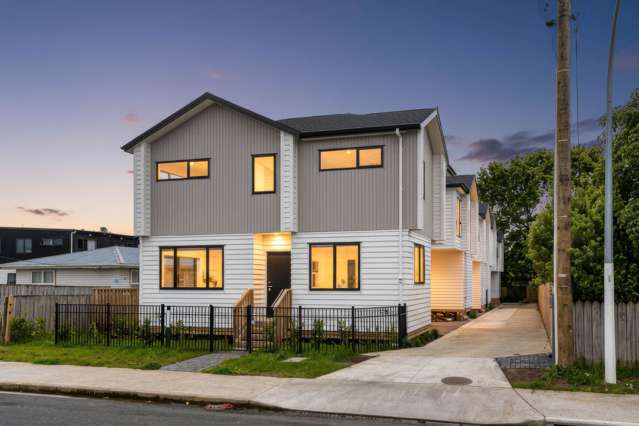
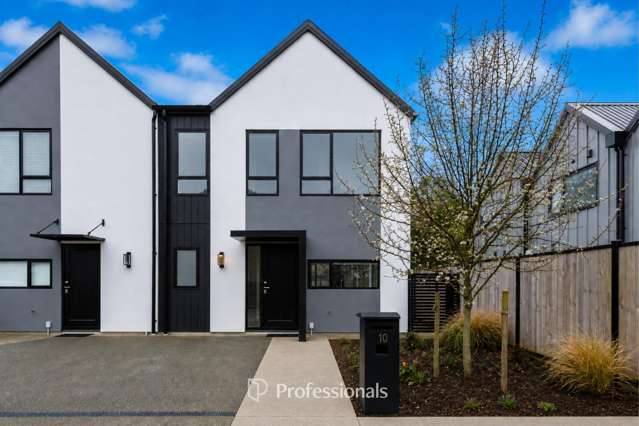
Despite the large number of new townhouses on the market right now, Auckland did not have enough houses, Goodall said.
“It’s just that we’ve been building more townhouses than houses, so it seems like there are more for sale. But we’re still under-supplied,” he said.
He compares Auckland’s situation to Christchurch, which had almost no restrictions on new buildings after the earthquakes that hit the city almost 15 years ago.
“Building numbers there are still strong, and that kept the lid on price growth, which means that it’s still really affordable.”
But trying to pin exactly when Auckland had that halcyon match between supply and prices was hard.
“Do you start in 1990 and say we had the right number of houses? Or do you start in 2000? I had a colleague who tried to collate all this for a housing minister and found, depending on what figures you used, we were either 50,000 houses under or 200,000 over supplied. There is no perfect measure here.”
Blick did have good news on supply, telling OneRoof that 90% of building consents (the figure they and central government track) end up being built, most of them new rather than replacing a demolished house.
By the end of last year, just over 20,000 homes were being built or were consented and were taking on average 13 months to complete. That is down by 10,000 from the market peak at the end of 2022, but is still the city’s highest number of new builds per head of population, another figure tracked by the economists. The 9.5 consents per 1000 residents, is up from 5.9 per 1000 from 10 to 20 years ago.
Blick said: “There is a bit of cyclical fluctuation, but I would be careful of concluding that it’s oversupply. With interest rates coming down, demand will pick up. It is just a question of timing and strength.”
- Click here to find houses for sale in Auckland