- One in three suburbs still has lower property values than three years ago, OneRoof research shows.
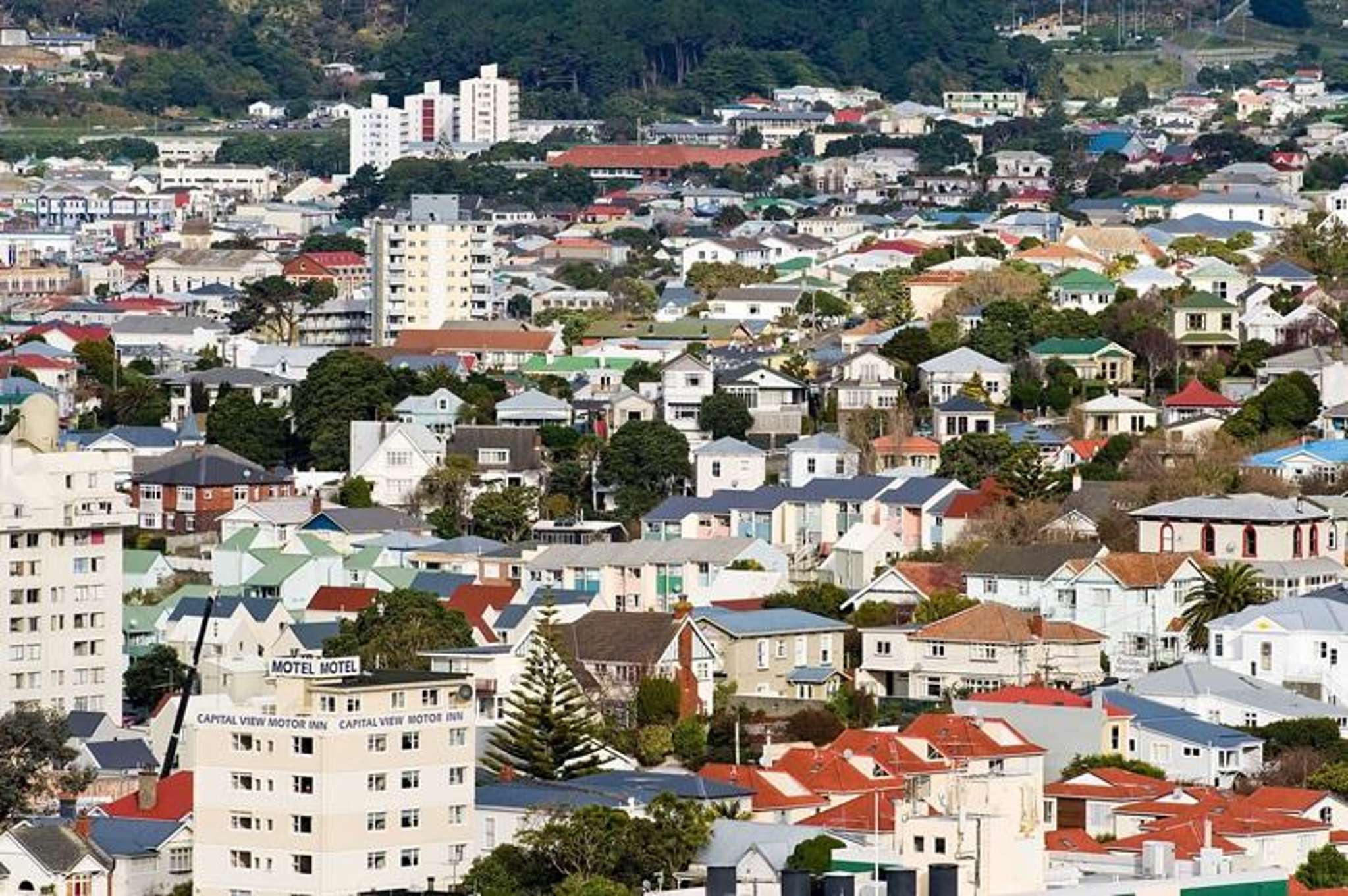
- Auckland and Wellington suburbs are hardest hit, with some areas experiencing significant declines.
- South Island suburbs, especially in Christchurch and Queenstown, saw property value growth over 10%.
The housing market slump never ended for a third of New Zealand suburbs, new OneRoof research shows.
Start your property search
The latest OneRoof-Valocity figures show that the average property value in one in three suburbs is now lower than it was when the housing downturn was declared over three years ago.
At the end of May 2023, the country’s biggest lender, ANZ, reported that house prices were bottoming out after an 18% decline from post-Covid peaks recorded at the end of 2021.
Separate data from the OneRoof-Valocity House Value Index showed the nationwide average property value hitting a trough of just over $940,000 at the end of June 2023.
The belief that the slump was at an end followed the Reserve Bank’s decision to put the brakes on an aggressive campaign of interest rate hikes that took the OCR from 0.2% to 5.5% in less than two years.
Analysis of property value changes in the three years since June 2023 shows that homeowners in some parts of the country have never really broken free of the slump.
The nationwide average property value is now only 2.3% above its level three years ago. In Auckland and Wellington, property values are 1.5% below June 2023 levels. In Northland, homeowners are 2% worse off; in Nelson, they are 3% under.
OneRoof and Valocity looked at the average property value in suburbs with 20-plus sales in the 12 months to the end of June 2023 and to the end of May 2024. Of the 778 suburbs that met the criteria, 233 have an average property value that’s lower now than it was three years ago.
Of these, 118 have recorded declines in value over the past three months, suggesting more pain to come. Suburbs in Auckland and Wellington make up the largest share of those experiencing the slump, but Hamilton, Palmerston North and Whangarei also felt the squeeze.
The biggest value declines since June 2023 were in Wellington Central (-15.3% to $452,000); Point England (-14.5% $864,000); Ohakune (-14.3% $467,000); Wairoa (-12.2% to $308,000); and Massey (-11.8% to $871,000). For some homeowners who bought at the height of the market, those declines equated to losses of up $164,000, adding to the pain of the initial slump and pushing them further into negative equity.
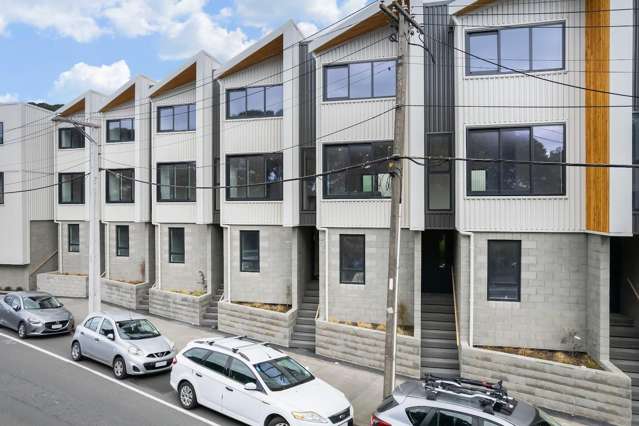
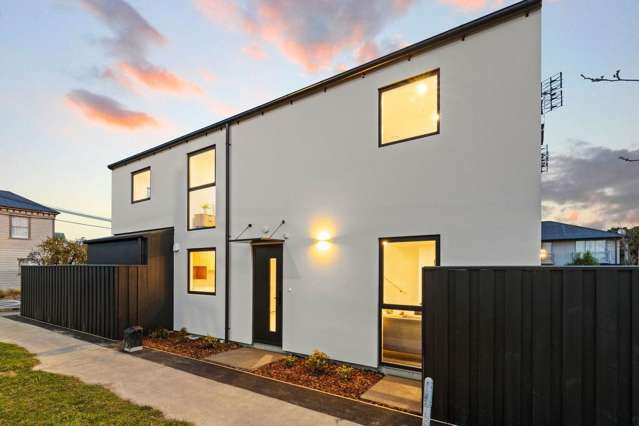
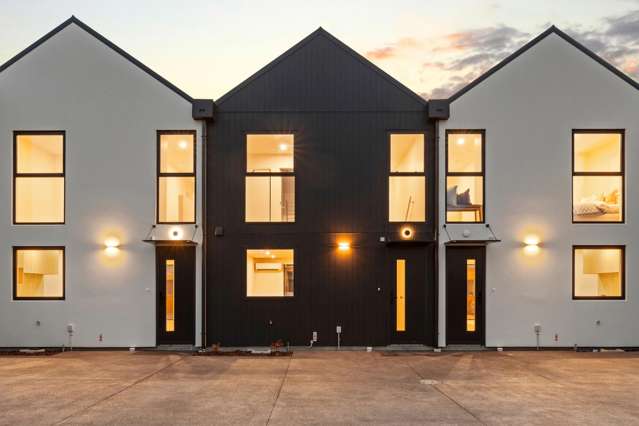
Some of the drops can be attributed to changes in housing stock. Point England and Massey have suffered from a glut of townhouses, which has brought down overall values in the suburbs. Other drops can be attributed to a pullback by investors.
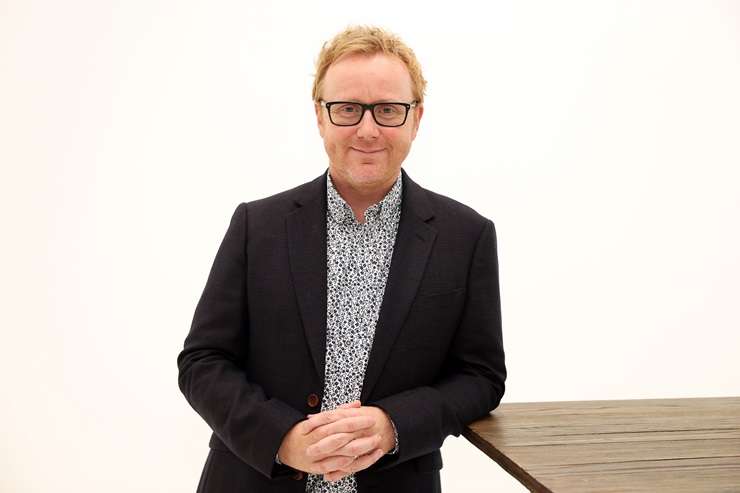
OneRoof editor Owen Vaughan: "High-value suburbs have also struggled to escape a downturn that began four and a half years ago." Photo / Fiona Goodall
However, some high-value suburbs have also struggled to escape a downturn that began four and a half years ago. Property values in Saint Marys Bay, Ponsonby, Glendowie and Epsom are up to 5% lower now than they were in June 2023, and up to 20% lower than they were at market peak.
The analysis also highlights the geographic divide in the housing market. Property values in 108 suburbs – all in the South Island bar one, Elgin in Gisborne – grew by more than 10% in the last three years.
Suburbs both expensive and cheap enjoyed extraordinary price growth on the back of the South Island’s relatively impressive rural economy. Affordable prices in growth areas like Christchurch and Invercargill, and tightness of supply in wealthy tourist hotspots like Queenstown and Wanaka, supported buyer demand.
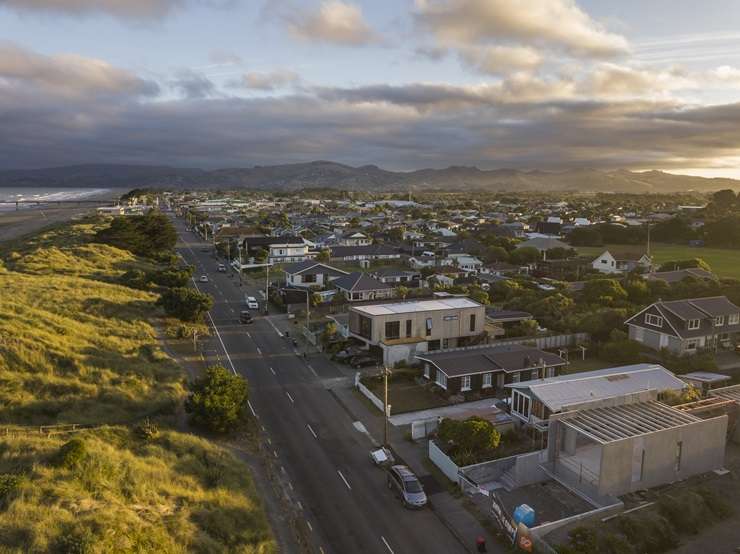
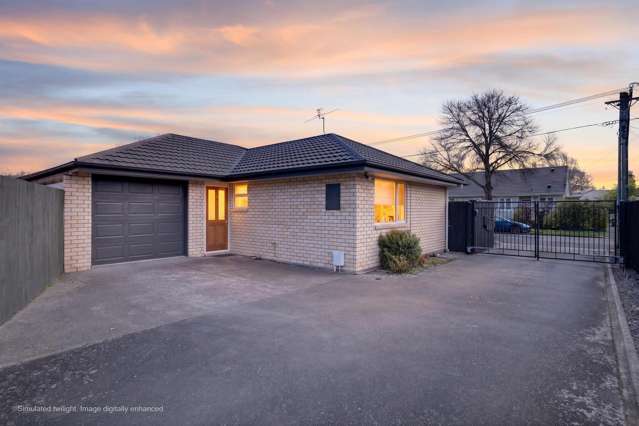
Prices are still climbing in the Christchurch suburb of New Brighton. Photo / Peter Meecham
The biggest value surges were in Runanga (+33.4% to $335,000); Arrowtown (+32% to $3.16m); Cobden (+31% to $342,000); Mataura (+29% to $335,000); and Fendalton (+25% to $1.88m). For some homeowners, the market bump added more than half a million dollars to the value of their property.
The analysis also found that property values in 72 suburbs reached new peaks, including Hanmer Springs and Geraldine, in Canterbury, and New Brighton and Merivale in Christchurch, and Arrowtown and Lake Hayes in Queenstown-Lakes.
The OneRoof-Valocity figures suggest the housing market will have a tough winter, with much of the North Island in line for continued price declines or lacklustre growth.
Over the last three months, property values in Auckland and Wellington City barely changed – possibly a win for both metros after such a bad run. Tauranga and Hamilton were in the same boat, recording dips of 0.1% and 0.2%, respectively.
Growth over the quarter was more positive in Christchurch (+2%), Dunedin (+3.4%), Invercargill (+1.8%), and Queenstown-Lakes (+1.2%).
- Click here to find properties for sale