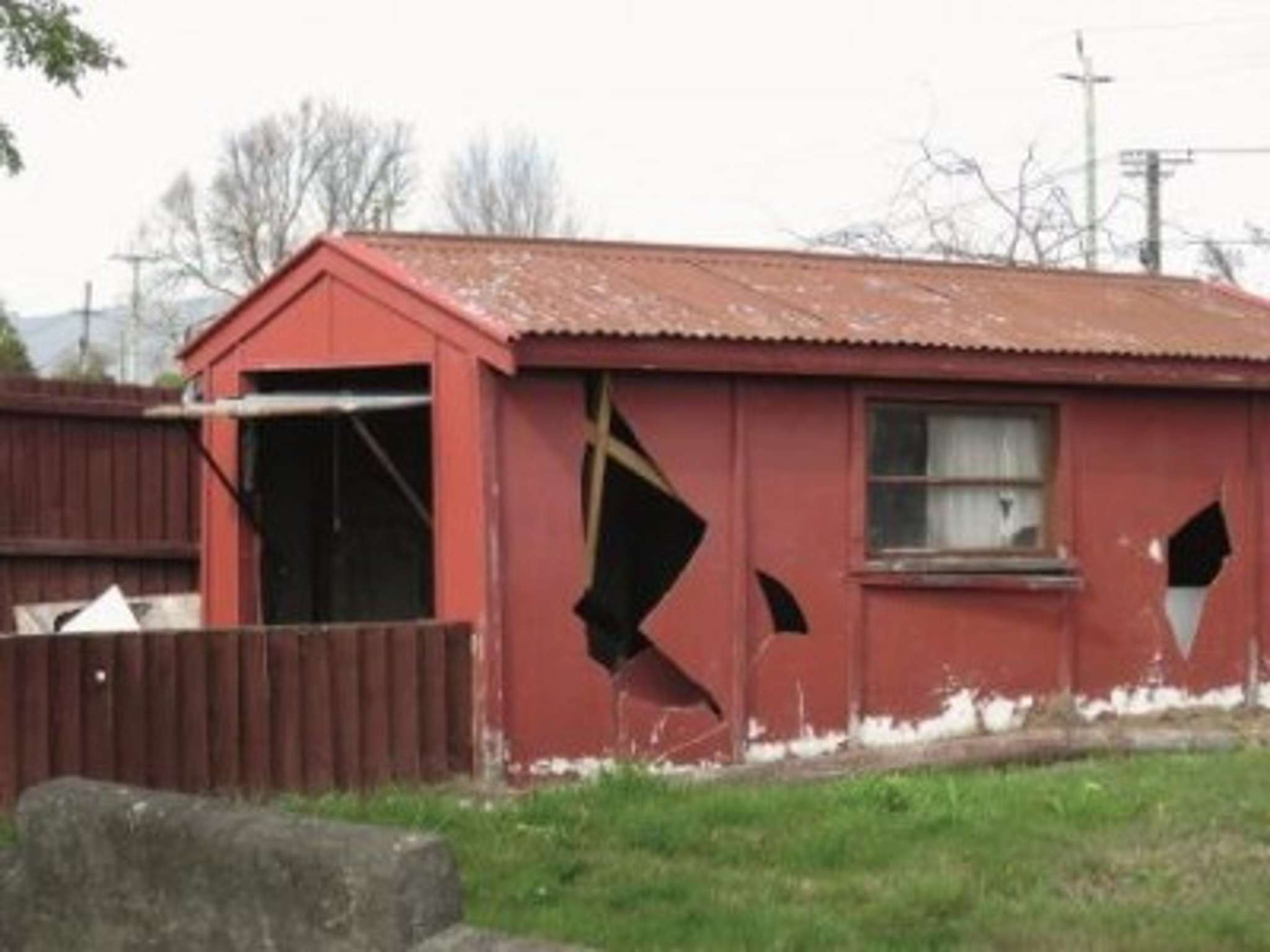
When researching properties with an eye to buy, it is important to be on the lookout for homes made with building materials that are known to be problematic.
If any of these three are present, it doesn’t necessarily mean you shouldn’t buy that property, but you’ll need to understand the risks and potential costs associated, and factor that into your decision-making.
An important note – before making a commitment to buy any home, you should use a qualified and accredited property inspector who has professional indemnity insurance to inspect the property and provide you with an inspection report that meets the New Zealand Property Inspection Standard.
Their expertise is key to helping you understand the property’s condition and avoid unpleasant surprises.
Start your property search
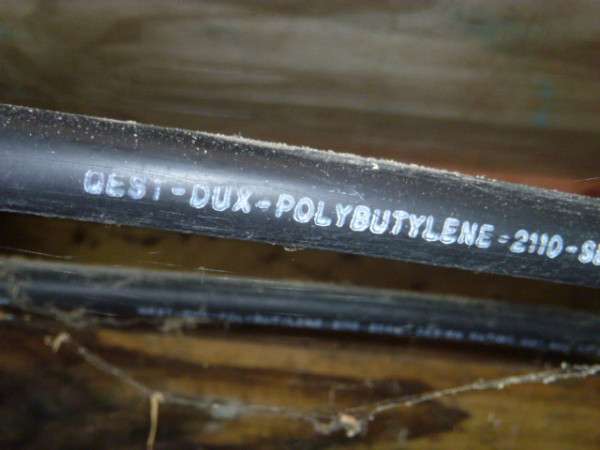
Dux Quest piping, commonly used for plumbing in New Zealand homes in the late 1970s to early 1980s, was discontinued after pipes and fittings were prone to leaking. Photo / Supplied
Dux Quest piping
Dux Quest piping was commonly used for plumbing in New Zealand homes in the late 1970s to early 1980s. Dux Quest was discontinued after pipes and fittings were reported as bursting throughout New Zealand. The pipes are prone to leaking by either splitting down the length or at the joints and can cause flooding and damage.
Dux Quest is usually recognisable as black piping with distinctive white lettering on the side, but your building inspector can confirm. Replacing Dux Quest is preferable to simply fixing leaks, especially as insurers may not cover any damage it causes because of the known risks.

The only way to fix weatherside houses is to replace the cladding. Photo / Supplied
Weatherside
Weatherside is a type of exterior cladding made from wood and glue that was popular in the early 1980s. In many cases the glue failed which let moisture come into contact with the wood fibre. This resulted in the cladding swelling, delaminating and turning to mush.
Weatherside cladding can be difficult to identify as it looks similar to some more recent building materials, so it is best to get your professional building inspector to check. The only way to fix Weatherside houses is to replace the cladding, so the cost of replacement should be factored into the price you are willing to offer.
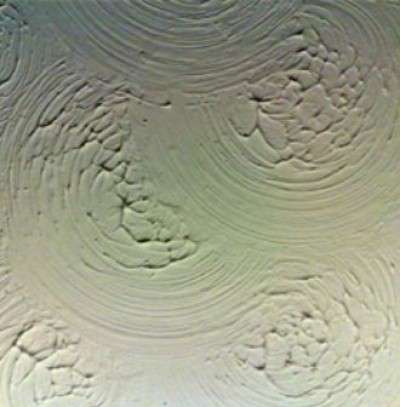
Textured asbestos ceilings were popular in the 1960s, 1970s and 1980s. Photo / Supplied
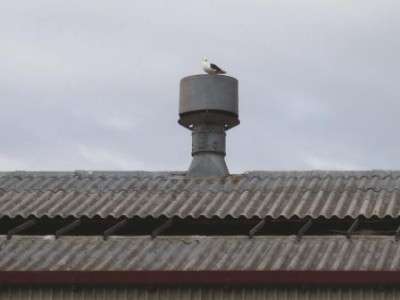
If you suspect asbestos, particularly in an older house, make sure you hire an inspector who will look for it. Photo / Supplied
Asbestos
Asbestos is the name given to a group of natural minerals that are made up of many small fibres invisible to the naked eye. Even a small amount of asbestos dust is potentially lethal if it is inhaled because the fibres aggravate lung tissue, causing it to scar.
Asbestos is dangerous when it starts to deteriorate or is disturbed during renovation or other activity, because it spreads very easily and can contaminate a large portion of a house.
Asbestos was a popular building material from the mid-1940s until the mid-1980s. Asbestos cement is the most common form of asbestos in New Zealand homes, especially in internal and external wall cladding, ceilings (particularly in wet areas such as bathrooms and laundries), sheds, roofs and fences.
Textured asbestos ceilings were popular in the 1960s, 1970s, and 1980s, and asbestos products were also used in floor coverings including as a backing for vinyl flooring.
Some building inspectors exclude liability for asbestos, so if you suspect asbestos (particularly in an older house), make sure you have hired an inspector who will look for it. If you find asbestos, you will need to get specialist advice on how much of a risk it poses, how it could be removed and the time and expense of doing this.
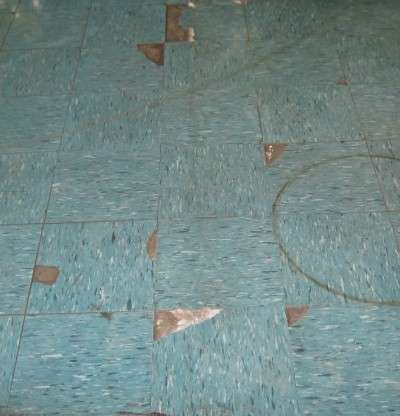
Asbestos products were also used in floor coverings including as a backing for vinyl flooring. Photo / Supplied
This information about problem building materials may not cover everything that is relevant to you or the property. You should always get advice from your own lawyer or conveyancer and other registered professionals.
- The Real Estate Authority (REA) is the independent government agency that regulates the conduct of real estate professionals in New Zealand. For more independent advice and guidance on the property buying and selling process visit our consumer website Settled.govt.nz, and for more information on the regulation of licensed real estate professionals visit REA.govt.nz.