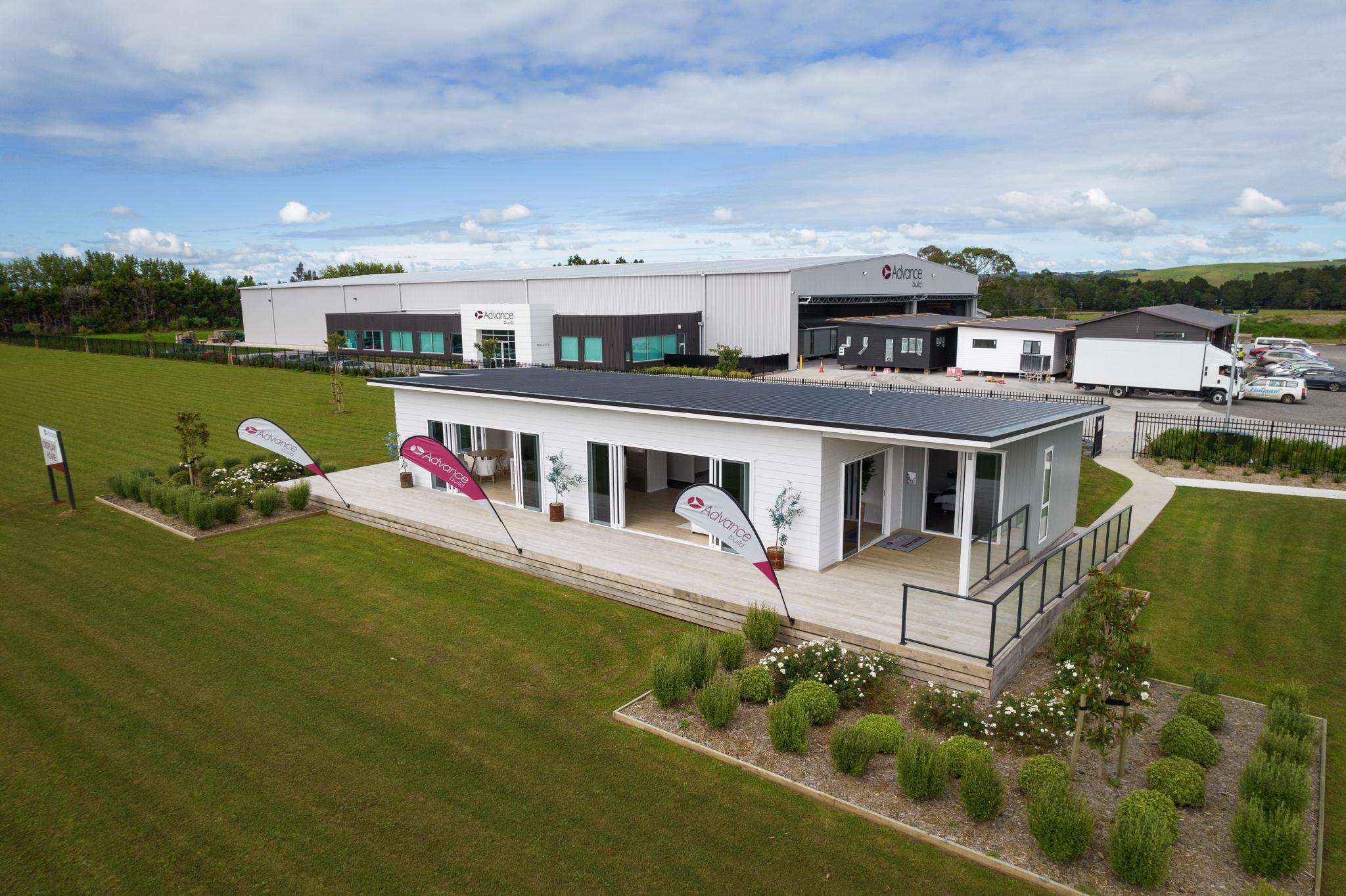
This article was prepared by Advance Build and is being published by the New Zealand Herald as advertorial.
Thinking about building? There’s a lot to consider. And whether it’s your first home or a holiday haven, you want to do it right.
That means weighing up your:
- Budget
Start your property search
- Style and size of home
- Build location
But what about how you actually build it? It’s no longer assumed you’ll take the traditional construction path. Today, prefab stands out as a quick, easy and cost-certain alternative.
Prefab vs traditional construction: the quick overview
Traditional homes are built on-site using standard construction methods. All materials are brought to site, where builders and tradespeople then construct the house.
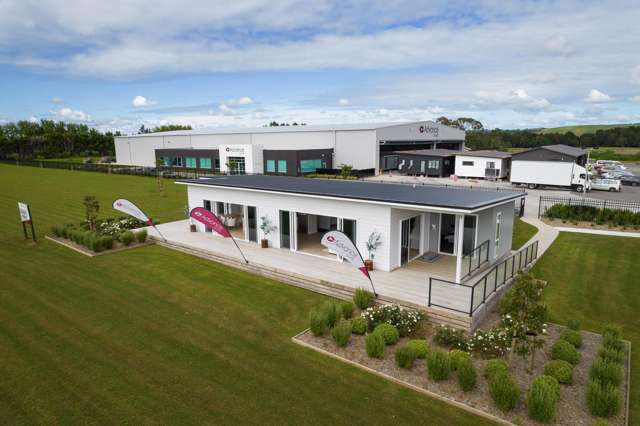
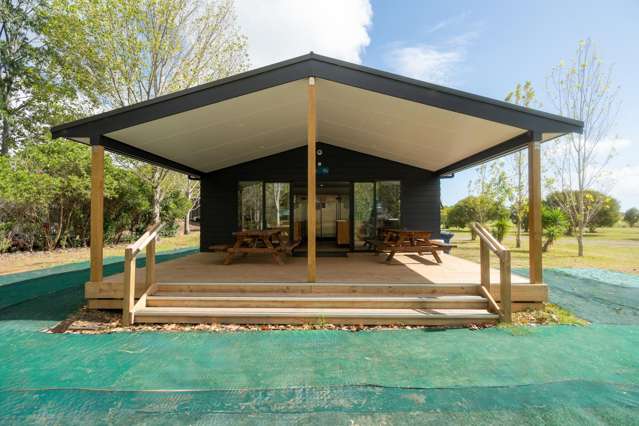
Prefabricated homes – like the ones Advance Build constructs – are manufactured off-site in a factory. The majority of the building works are completed here, then the home is transported to site and connected to site services.
Traditional construction
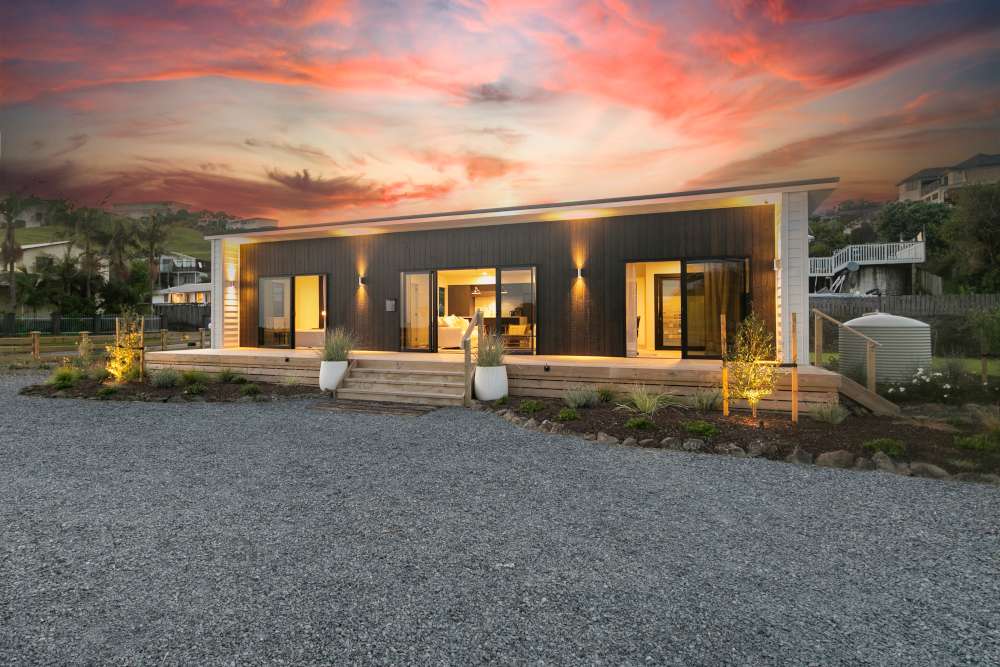
Generally speaking, traditional construction is the slower, more expensive approach. Because it happens onsite, progress can be hindered by bad weather and labour shortages. It’s also harder to maintain consistentquality, while the overall environmental toll tends to be far heavier.
That said, this approach allows more design customisation and materials choice. It can be more straightforward to obtain financing (onsite construction offers banks better security over the property) and there’s more scope for complex builds.
Prefabricated construction
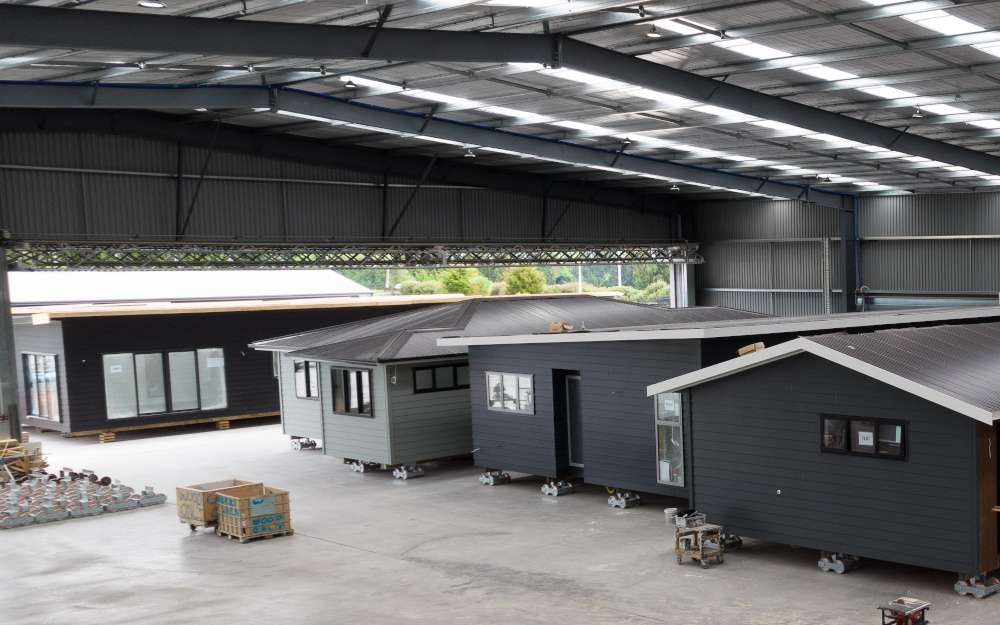
Because these homes are built in a controlled factory setting with a streamlined manufacturing process, materials waste is minimal. This approach also means quality remains consistently high. And, without the weather delays that can plague traditional worksites, a prefab home is finished faster. That gives homeowners cost-certainty – and a guaranteed move-in date.
The downside? Although companies like Advance Build offer a wide range of prefab floor plans and customisation options, they aren’t completely bespoke in the way a traditional home is (as it has to be transported on a truck to the site).
How do you decide between prefab and traditional?
You’ll need to consider every element of a build project, including:
- Timeline – project delays mean budget blowouts
- Budget – how flexible are you if unexpected costs arise? Prefab offers cost-certainty – something traditional cannot
- Financing – talk to your bank or builder early on (Advanced Build can help with bridging finance)
- Design needs – will you need complex customisation?
- Quality – a durable home with a quality finish will last generations.
Choosing prefab means taking the building offsite and into a controlled factory environment. It gives you:
- More cost certainty (and less budget blowouts)
- A faster build (so you can move into your new home sooner)
- Guaranteed completion date
- A high-quality, long-lasting home.
Advance Build is a reputable, experienced company who offers:
- A hassle-free building process. That means expertly managing everything from start to finish so you can enjoy the journey.
- Innovative designs that are stylish, comfortable – and can be customised for you.
- Factory-controlled precision to give you a high-quality, durable home.
- Faster, cost-certain builds that give you peace of mind and a guaranteed completion date.
- Sustainable designs and building practices to reduce your environmental footprint – and your energy costs.
- Finance options for prefab homes that take the stress out of building.
Thinking prefab?
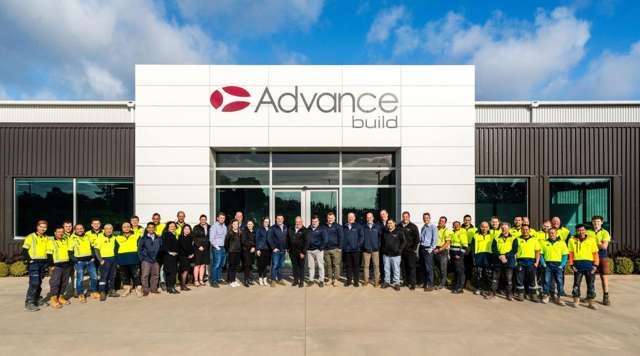
Advance Build is a pioneer in offsite construction. For more than 16 years, they’ve built homes at their one-of-its-kind factory in Northland, using a proven manufacturing process.
Talk to the team about your dream home today.