- Homeowners are urged to ensure adequate insurance as flood damage affects over 600 properties in Nelson-Tasman.
- Chris Van Rensburg warns against under-insuring, emphasising the importance of full coverage before purchasing.
- Insurance premiums are rising due to factors like inflation and natural disasters, says Kris Faafoi.
With parts of the country reeling from flood damage and reports of people ditching their insurance due to cost-of-living pressures, homeowners are being urged to check they have adequate protection.
Start your property search
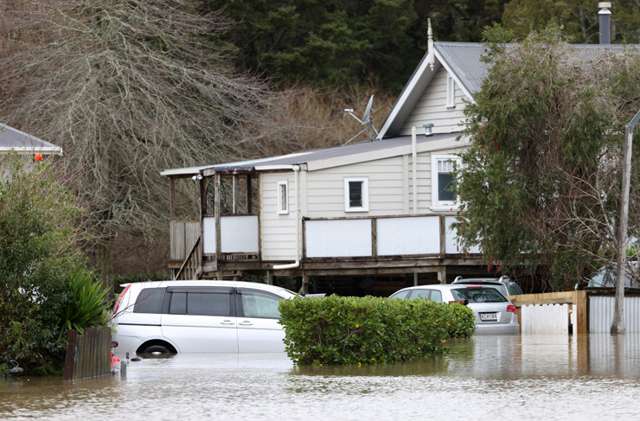
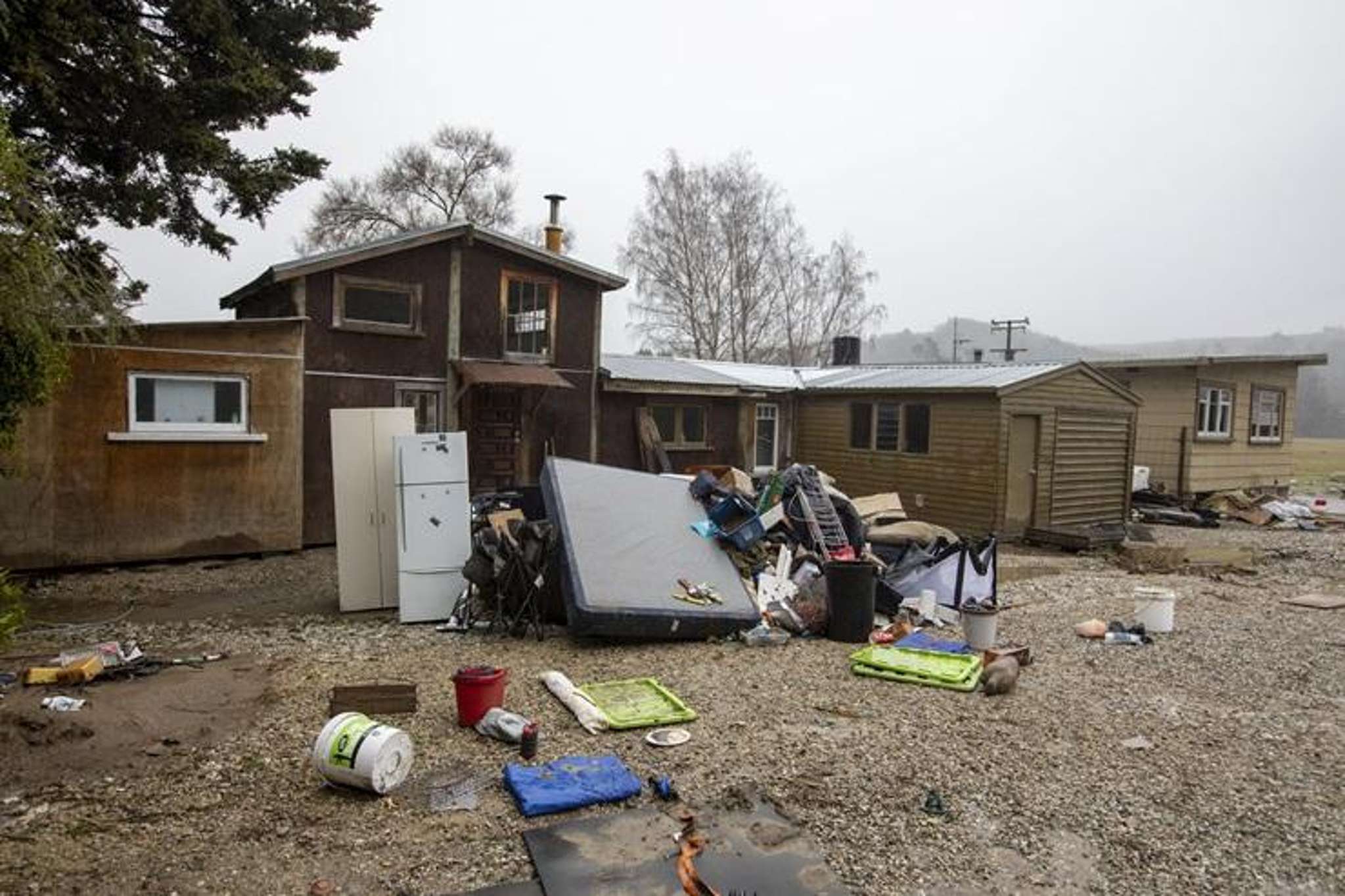
The Nelson-Tasman region is under its second state of emergency in three years, following wild weather that saw rivers burst their banks and hundreds of homes swamped with water.
More than 600 properties are being assessed for damage, with some already deemed beyond repair.

Noel Edmonds shared photos of the flood damage to his Ngātīmoti estate online. Photo / River Haven TV

Edmonds has recently given the region an international boost with his show, Noel Edmonds’ Kiwi Adventure. Photo / Supplied
Among the properties affected is the $30m Tasman estate owned by British TV celebrity Noel Edmonds. In a video posted on YouTube, the star of Noel Edmonds’ Kiwi Adventure said: “Over 200mm of rain ... fell in just over 24 hours, with the result that the Motueka River burst its banks and inundated the land for many kilometres around the Tasman area.
“Our river valley – our paradise – now looks very different.”
Nelson-based Loan Market financial adviser Chris Van Rensburg said he had clients who had just settled on a property that was almost overrun by water.
Van Rensburg urged new homeowners in the region to ensure they had insurance in place before taking possession. “The temptation would be to overlook a little dribble of water here and a dribble of water there. But buyers should go, ‘No, let’s make sure it’s 100% OK before we commit’.”
Discover more:
- Mega-mortgagee sale: Who has $60m to buy an entire apartment block?
- 'Bit of a pickle': Council twist turns bach into $400K off-grid shed
- Supermarket magnates' dream home for sale in tiny Southland town
Van Rensburg, who lived in Christchurch during the earthquakes, said New Zealanders tended to under-insure their properties, sometimes thinking that because they paid $500,000 for a home, they should insure it for the same amount.
However, the cost of repairing damage from weather events often exceeded insurance payouts, and Van Rensburg urged people to use industry tools, such as the Cordell Calculator, to work out what they needed to cover.
“Coming from Christchurch during the earthquake, we saw so many places that were grossly under-insured,” Van Rensburg said.
The big lesson from Christchurch for the Nelson-Tasman region, was that people had no control, and while they might hate paying insurance, it was important.
He acknowledged premiums were expensive and rising, but said “when things go wrong, you just have to have it”.
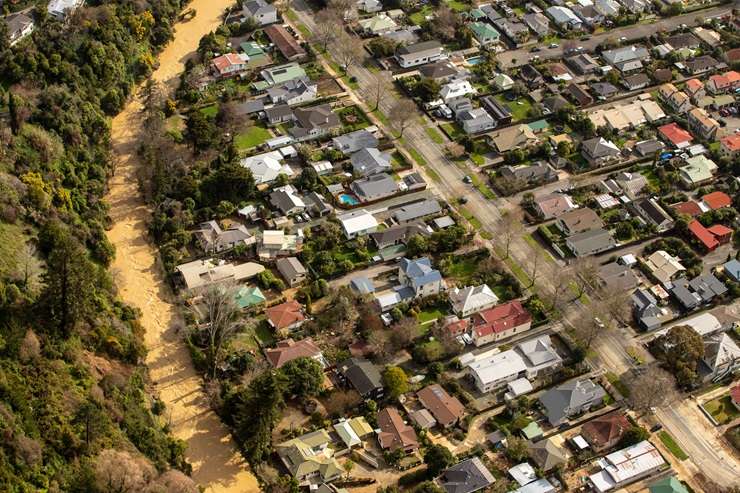
Flooding in Nelson in 2022. Photo / Tim Cuff
Insurance Council chief executive Kris Faafoi said there were several reasons premiums were rising, some of which were out of insurers’ control, like inflation, global reinsurance rates, and taxes and levies.
“Taxes and levies, for example, account for around 40% of premiums, which is collected by insurers on behalf of the Government.
“The Reserve Bank reported last year that premiums tend to trend upwards after large-scale natural disasters.
“Some of those pressures are now easing with inflation and reinsurance rates stabilising, which are flowing through into premium levels.”
Faafoi said insurers were moving toward greater risk-based pricing as more was known about natural hazards such as earthquake and flooding.
“It’s about taking a balanced approach to ensure Kiwis can remain covered while appropriately pricing the risk on lives and property.”
Asked by OneRoof if there were “no-go” areas for insurers, he said insurance was generally available across the country, including Nelson-Tasman.
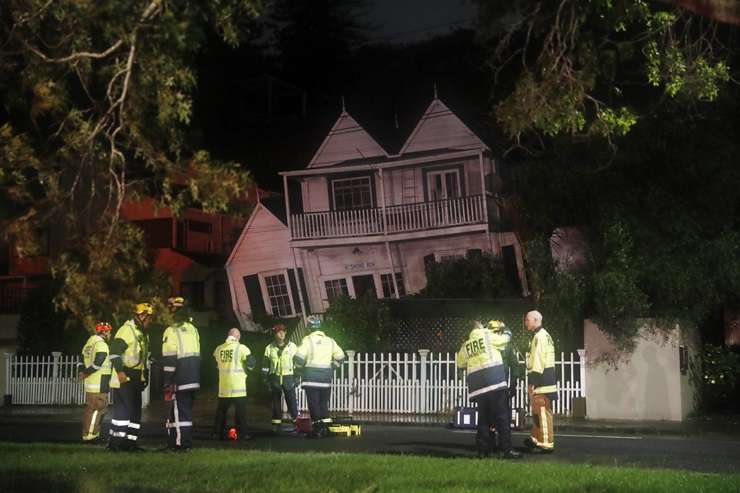
Damage to houses in Auckland during the Anniversary Weekend flooding in 2023. Photo / Dean Purcell
“The only areas affected are those in Category 3 following the 2023 Auckland Anniversary Weekend and Cyclone Gabrielle events.”
Insurers considered a range of factors when assessing risk, including the profile of the property, their own models and claims data, and information on natural hazards, he said.
“Even with the same information, insurers will make their own decisions depending on their risk appetite. Depending on all of these inputs, insurers have a range of terms and conditions they can apply.
“The most common measure is premium loadings or increased excesses for particular hazards. Far less common is excluding a natural hazard or declining cover altogether. There is no standard approach across all companies.”
New Zealand was highly vulnerable to natural hazards, Faafoi said, adding the insurance industry was committed to working collaboratively with government, councils, and other groups to ensure people built in the right places.
Van Rensburg said buyers did need to consider where they were purchasing. “When you look at a house, it might be the most amazing house in the world, but you should ask yourself, ‘Where is it situated and what’s insurance going to look like?’.”
It was also possible to get caught out. He had a case where the vendors had made an insurance claim but had not carried out all the remedial work, leaving the new owners exposed.
Steve Kelso, managing director of New Zealand Sotheby’s International Realty in Nelson, said his agency had only received one query from a vendor to pause marketing.
“Our advice is, should there be any weather-affected issue that requires checking or correction on a listed property, then it is appropriate to attend to that first,” he said.
“There are mechanisms we can use to allow that to occur. In previous flooding events, we found that taking some time to assess homes before continuing marketing was useful and appropriate.
“This is the first time we have had a property pause temporarily, so I’m confident that this shouldn’t affect the market in the short- to medium-term.”
Paul Vining, Ray White Richmond principal, said none of his vendors had been affected, but he had clients who had been impacted by the flooding in 2022.
“It obviously creates something else for purchasers to consider, particularly when choosing where to buy,” he told OneRoof.
“It is really difficult. Mother Nature is a pretty powerful beast, so there’s nothing you can do to control that other than just to be aware of what has happened and what the potential risks are.”
- Click here to find properties for sale