The five things you need to know about the housing market this week.
1. Inflation slows, but worse might lie ahead
It was obviously encouraging that CPI inflation slowed from 4.1% in Q2 to 3.7% in Q3, with tradable/imported pressures easing from 4.9% to 4.3% (and non-tradable/domestic slowing slightly from 3.4% to 3.3%). However, we probably shouldn’t take too much comfort from this: fuel prices are flaring up again, which means the Q4 inflation result could be worse.
Of course, price pressure remains too high; well above the Reserve Bank's 1-3% target. On the whole, there’s probably not a lot here to dissuade the view that the OCR will be lifted again on Wednesday, as the Reserve Bank tries to head off second-round inflation risks, where price expectations rise permanently, and this gets embedded into wage demands, etc.
Start your property search
2. OCR decision day
It probably needs to be acknowledged that a rise on Wednesday is not guaranteed; nothing ever is. After all, the economy remains patchy, which would suggest reduced pressure to keep pushing the OCR higher. But on the other hand, as noted above, inflation is high, and there are real risks of second-round inflation, which would strengthen the argument for more rate rises. The Reserve Bank's mandate is to control inflation over the medium-term, not to worry about the economy per se. So what does this mean for the cost of home loans? The financial markets have been anticipating another OCR hike, so mortgage rates may not change much in the very near term.
3. Housing still matters a lot for private wealth in NZ
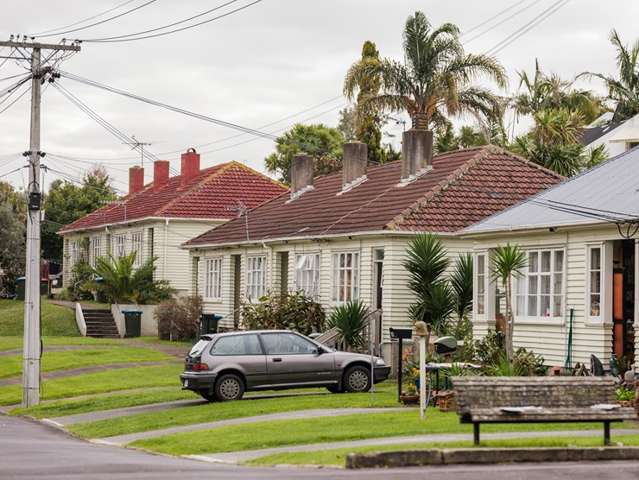
Meanwhile, there’s no denying the residential property market remains a large store of wealth for many households, at least on paper (bear in mind it’s not guaranteed until it’s actually sold!). Our count puts the total value of New Zealand’s residential property market at $1.66 trillion, spanning 1.74 million dwellings. This comes even as property sales activity drifts lower, values remain subdued, and attitudes towards housing as an investment might also just be shifting slightly too. We’ll only know for sure if we’re at an inflection point once we’re actually past it and can look backwards, but with new housing supply looking to have reached a higher normal level and taxes potentially changing in future too, it’s certainly not hard to imagine less capital gains from property in future.

Cotality chief economist Kelvin Davidson: "The financial markets have been anticipating another OCR hike, so mortgage rates may not change much in the very near term." Photo / Peter Meecham
4. Mortgage activity still drifting lower?
On Tuesday, the Reserve Bank will publish aggregated mortgage lending stats for September, which may show overall activity has eased again, after gradual falls in July and August. This probably reflects some recent increases in mortgage rates, as well as the general air of caution that pervades the economy and property market at present.
But it's worth looking beyond the headline figures to check on payment type (such as interest-only), loan type (such as bank switching), as well as the LVR and DTI breakdowns. First-home buyers have recently continued to take advantage of reasonable low-deposit loan availability, with more than half not waiting to have a 20% deposit.
5. A small lift in employment?
Also this week, Stats NZ will publish the filled jobs data for September. There’s been a slow creep higher in employment in recent months, but not enough yet to make much of a dent in above-average unemployment (as the labour force grows). My best guess is we’ll see another small lift in filled jobs on the latest data too, which of course is good news.
- Kelvin Davidson is chief economist at property insights firm Cotality