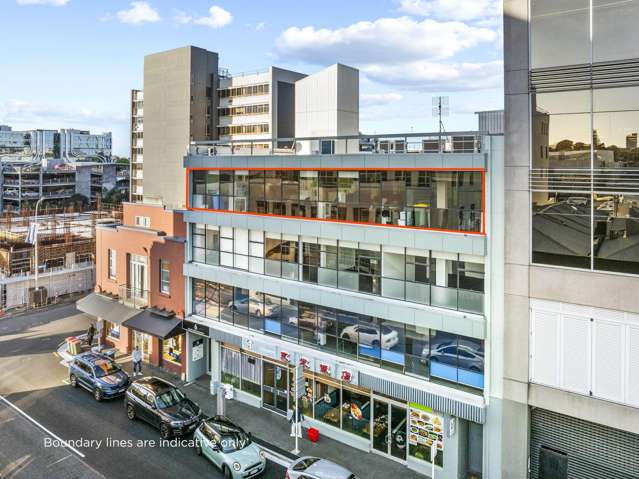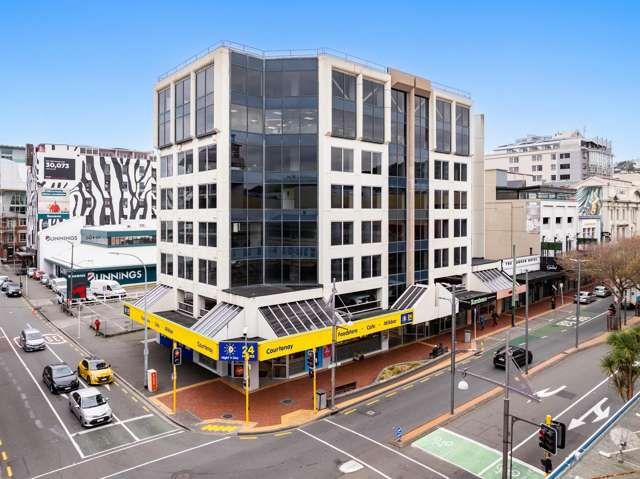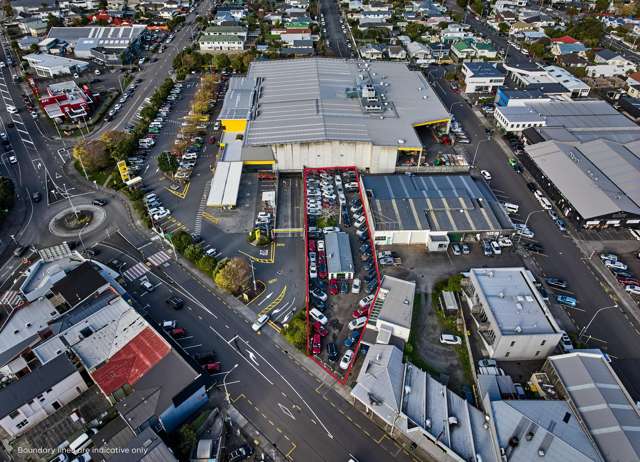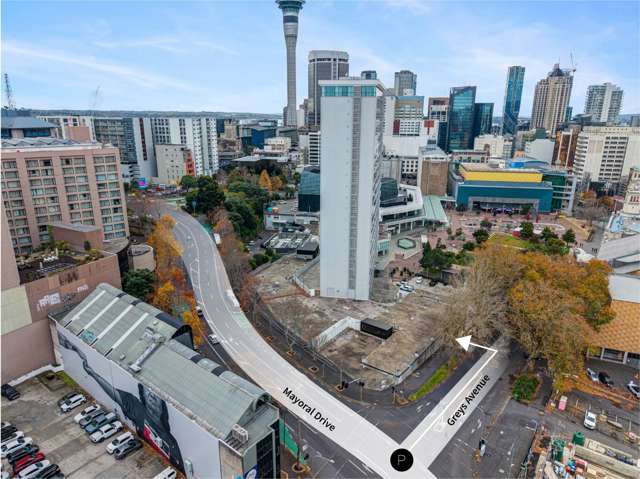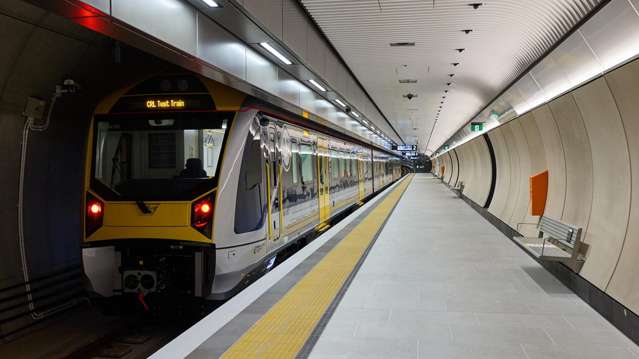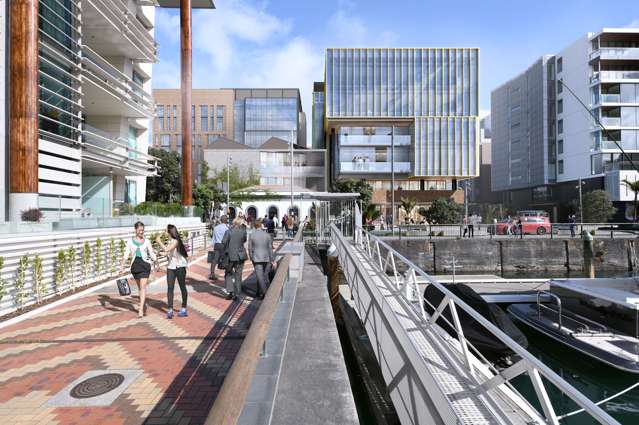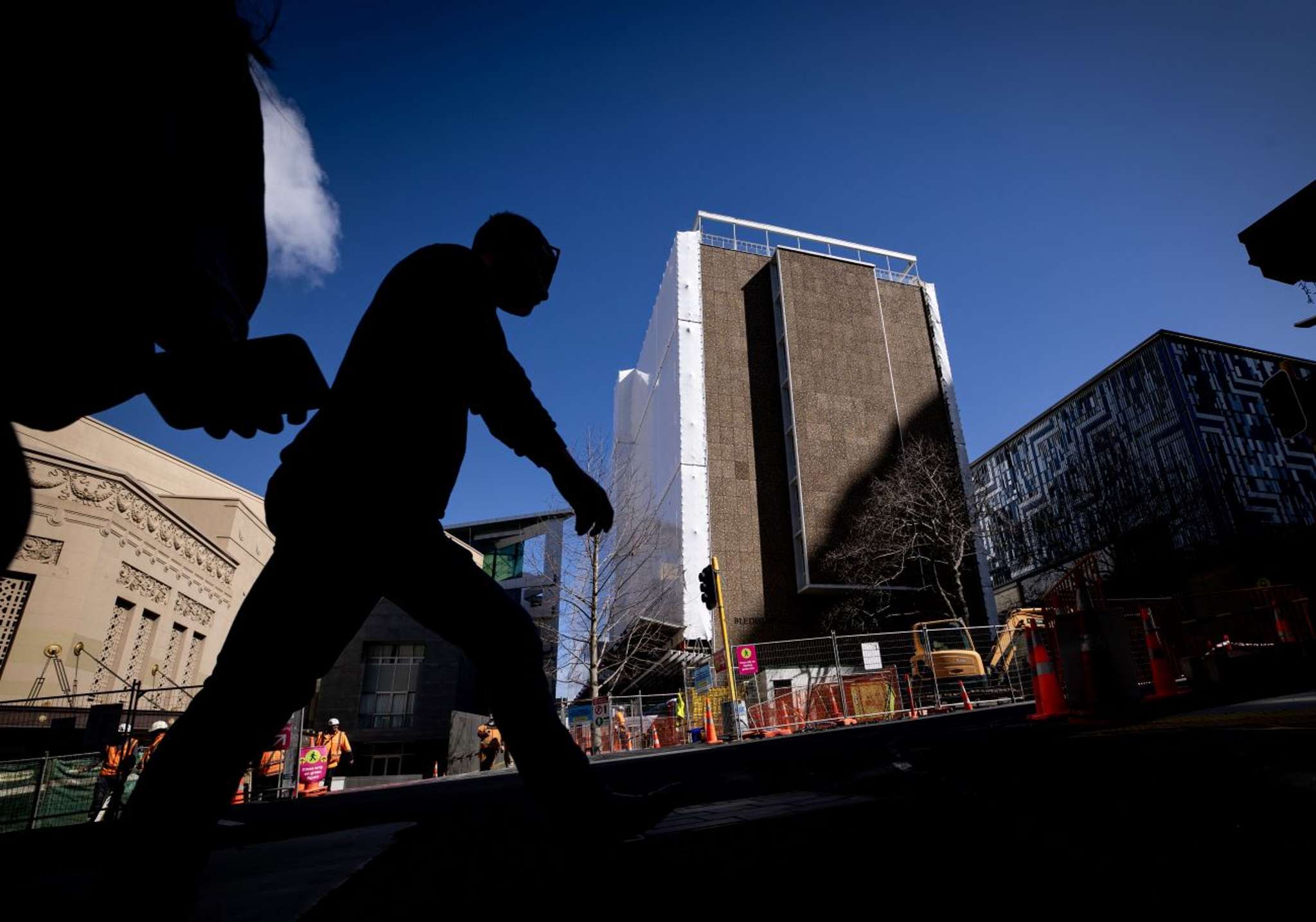
The refurbishment of two office buildings in Auckland will inject new floorspace into the centre of the city near Aotea Square, which is tipped to be home to one of the country’s busiest train stations when the City Rail Link opens next year.
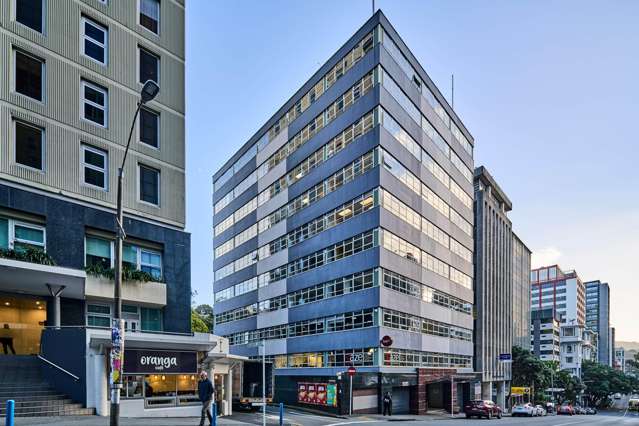
PAG is refurbishing about 13,950sqm of space at 2 Wakefield Street, which is being targeted for completion at the end of this year, while 10,239sqm of space at Bledisloe House on Wellesley Street West is being redeveloped by MRCB.
These two projects mark the first notable addition of new A-grade office space to this specific precinct in Auckland for many years. The timing is strategic given the City Rail Link should come online next year and will open up transport options for people coming into the centre of town.
Bledisloe House sits adjacent to the Te Waihorotiu Station (Aotea), while the Wakefield Street building is a short walk away. Recent forecasts from Auckland Transport have suggested the City Rail Link will have a peak capacity of 19,000 travellers per hour.
Start your property search
Rob Bird, national director of office leasing at Colliers, says these two buildings will help the regeneration of the midtown area, alongside ongoing civic projects.
“This area of central Auckland will be completely reshaped when the City Rail Link is up and running given the foot traffic that will be present,” Bird says.
“Having high-quality office space in this precinct will make it attractive to businesses and there’s a vast array of amenities within walking distance that will appeal to workers.”
Meanwhile, the latest office vacancy surveys from Colliers for Auckland and Wellington highlight demand remains strong for prime floorspace, which is made up of premium and A-grade stock.
Prime grade vacancy in Auckland has fallen from 9.8% to 8.4%, indicating the flight-to-quality movement is still a feature of the market.
The vacancy surveys noted the total vacancy rate for space in Auckland CBD rose slightly to 14.6% from the 13.9% that was recorded in December 2024. Wellington vacancy rose to 11.2%, up from 10.5% in December.
Hamish Fitchett, national director of research and economics at Colliers, says the shift to high-quality space in Auckland is one of the underlying reasons for the slight jump in the overall vacancy rate as business movements have left secondary space vacant.
“During the past decade, the supply of prime space has continued to grow in Auckland, reflecting the investment in top-quality buildings and the ongoing evolution of the CBD’s built environment,” Fitchett says.
“The incoming A-grade supply to the midtown precinct could also contribute to further secondary vacancy.”
Jim Pinson, executive director at Colliers Wellington, manages the office leasing team in the capital and says a combination of factors have impacted vacancy rates.
“Significant government restructuring has created some uncertainty across core ministries and the associated corporate service sector, typically manifesting in increased vacancy in the traditional A and B-grade sectors,” Pinson says.
“However, vacancy rates in more recently developed premium grade buildings remain extremely low and demand for this level of quality and seismic resilience remains very high.
“New additions to the premium grade include the soon-to-be completed Ministry of Foreign Affairs’ headquarters at 55-61 Molesworth Street, as well as the new Archives New Zealand building and the refurbishment and seismic strengthening of Bowen House, all of which will be finished in 2026.”
Supplied by Colliers