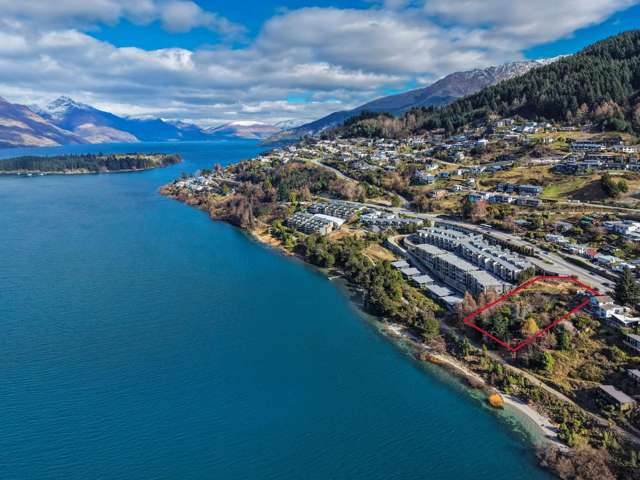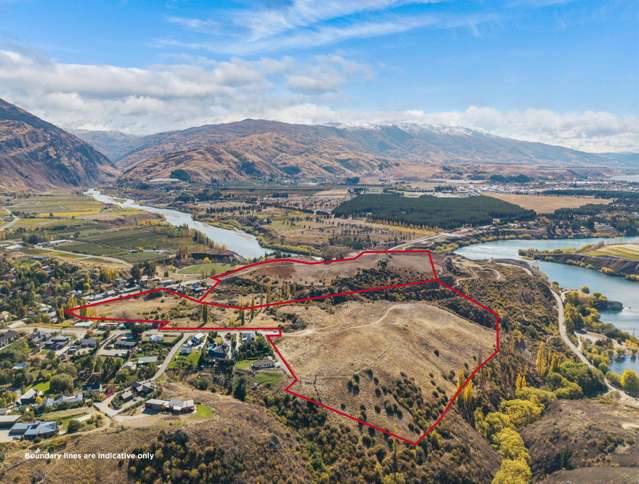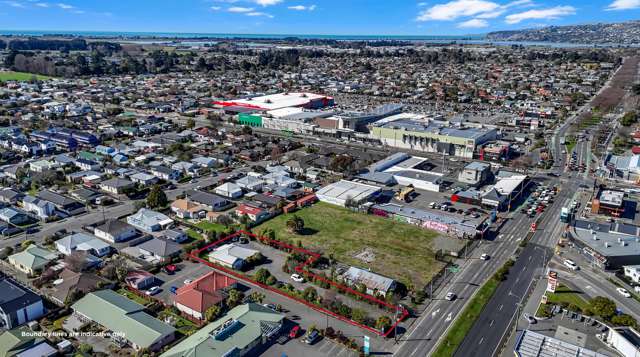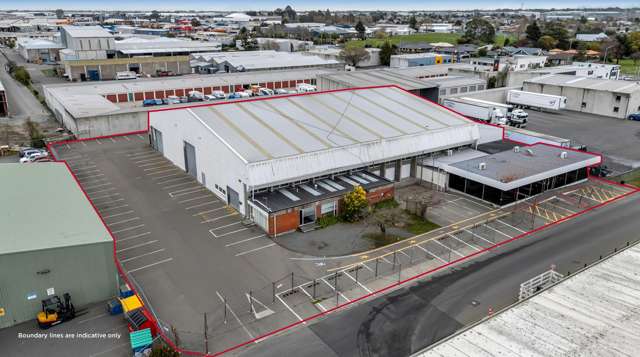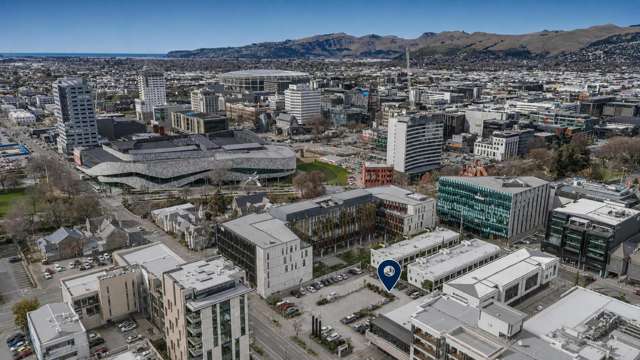
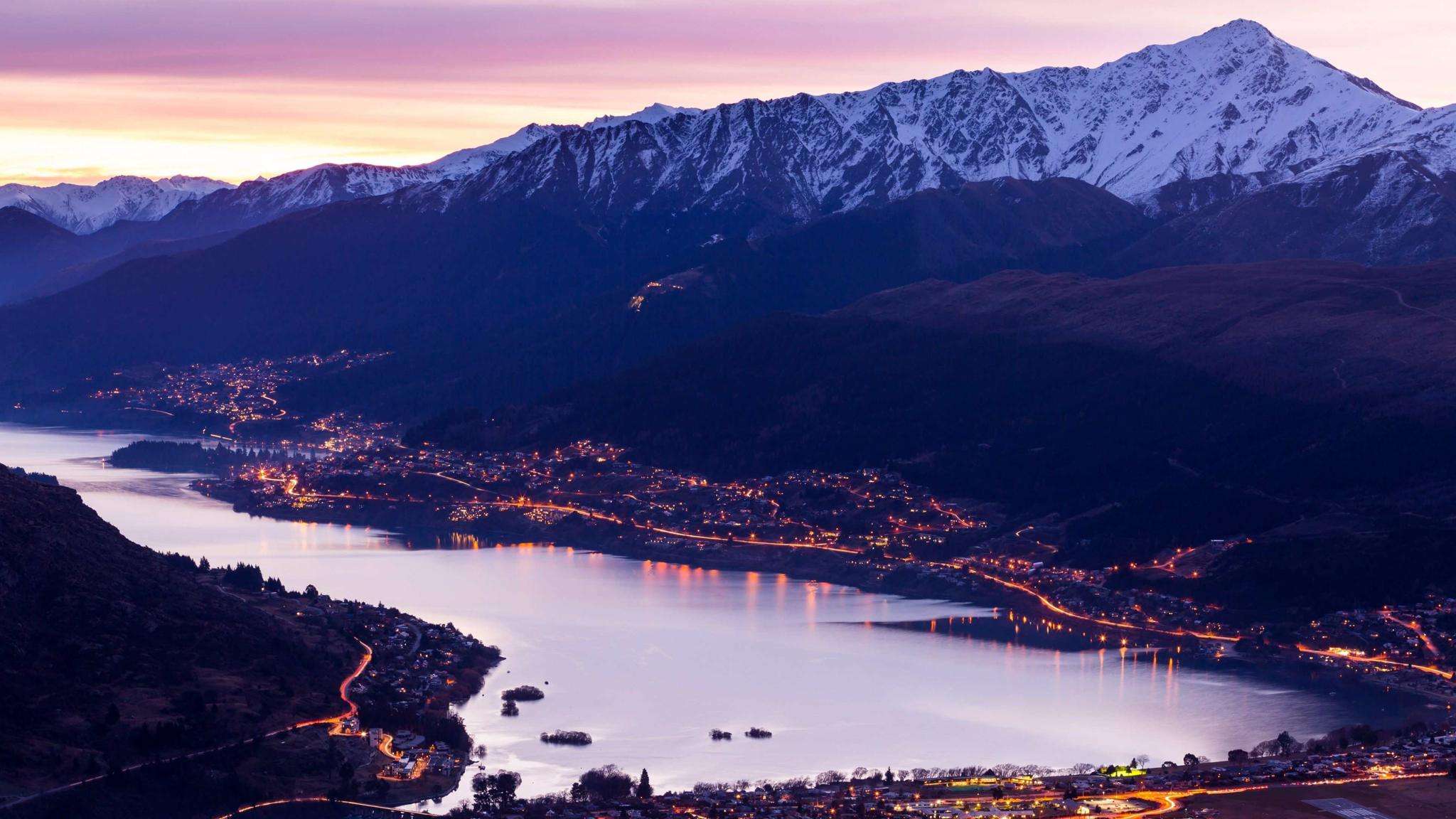
Four-season demand, infrastructure investment, and global lifestyle trends are propelling Queenstown into a new era of sustained growth, attracting capital and reflecting the momentum seen in premium alpine markets worldwide.
The town’s evolution into a world-class, year-round destination and an aspirational place to live is reshaping the wider region’s commercial and residential property markets and this theme is explored in Bayleys’ latest Total Property portfolio.
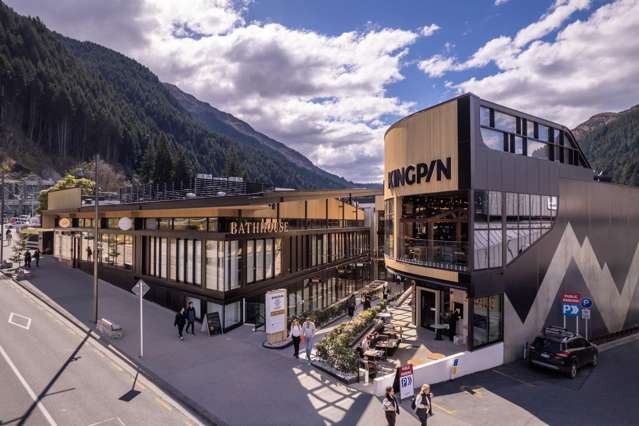
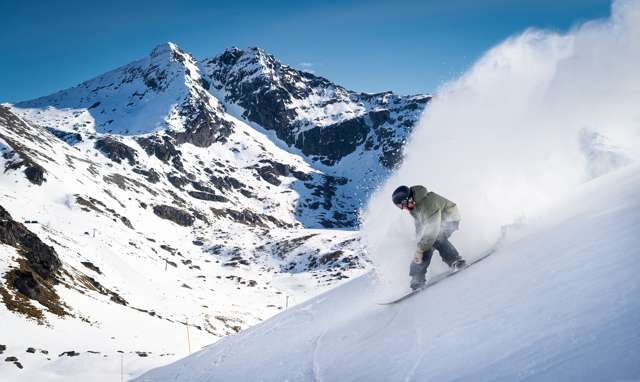
Once defined primarily by its alpine high season, Queenstown’s appeal now includes an expanding network of walking and biking trails, adrenaline tourism, golf, fine dining, wellness experiences and a new generation of hotel development.
Knight Frank’s latest research into the European Alps shows a move away from winter-focused markets toward vibrant, year-round lifestyle destinations.
Start your property search
As alpine towns become places where people choose to live permanently rather than simply holiday, investor buyers are now placing greater emphasis on lifestyle-led investment rather than yield alone.
Queenstown’s trajectory aligns closely with the international pivot toward remote-work freedom and post-pandemic lifestyle priorities, with constrained supply in prime locations.
These forces are reshaping New Zealand’s alpine markets more broadly, with Wānaka and the Central Plateau entering a new phase of sustained demand, and halo towns like Cromwell playing a strong supporting role.
Bayleys South Island commercial general manager, William Wallace, says the strength of the Queenstown market is unmistakable.
“Queenstown is a high-demand market that operates in its own bubble, and I don’t see that changing anytime soon.
"With visitor numbers climbing and major international hotel groups actively scoping opportunities, its status as a headline global location is cemented.”
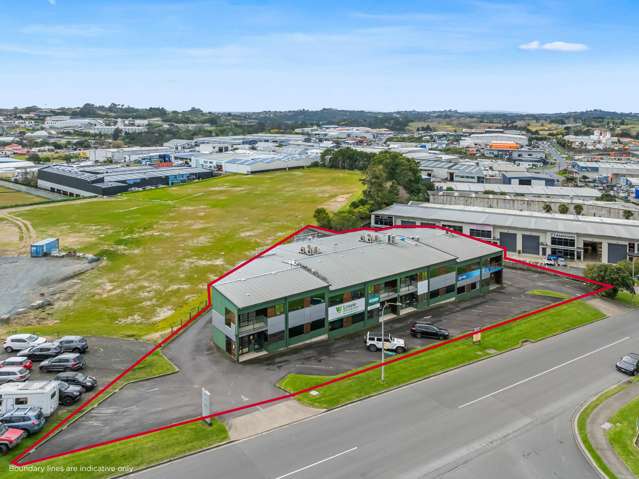
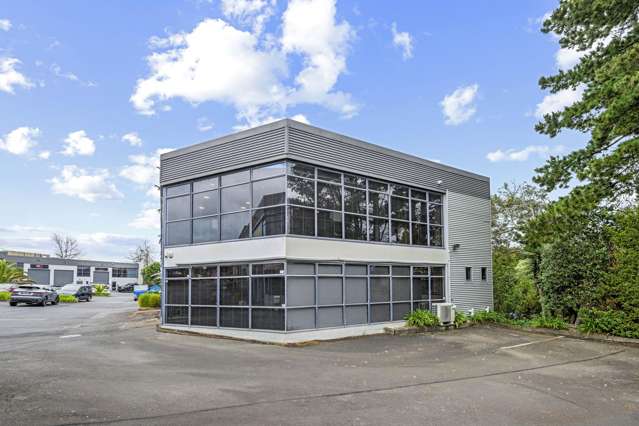
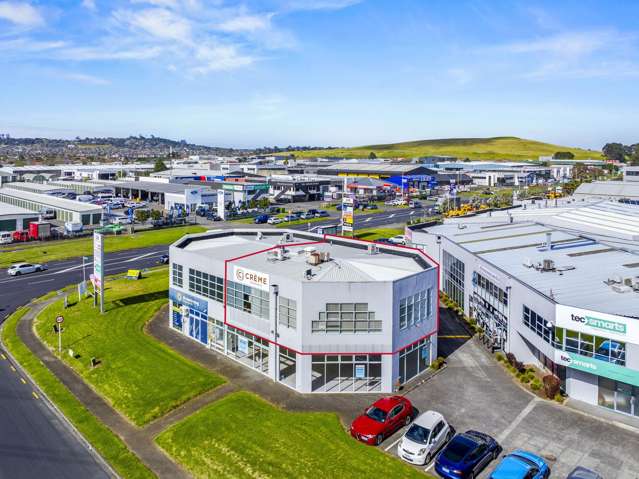
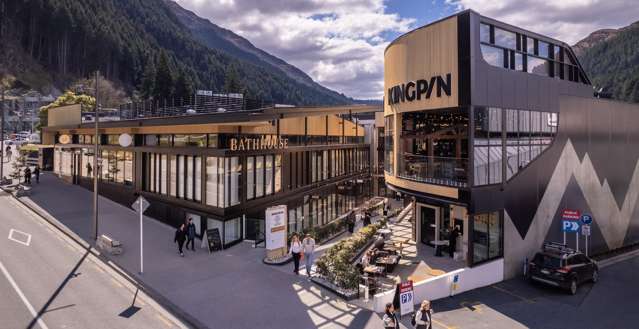
Commercial vacancy remains exceptionally low, retail and hospitality continue to outperform national trends, and competition for stock is intense. Wallace notes that planning constraints and limited land supply are materially restricting growth, pushing commercial and industrial expansion toward Cromwell and even Alexandra.
A wave of major infrastructure projects is now under way to support Queenstown’s long-term growth trajectory.
Southern Infrastructure’s proposed Queenstown Cable Car network is currently progressing through the fast-track approvals process and aims to deliver a fully electric, zero-emissions transport system linking the town centre with Frankton, Queenstown Airport and the Ladies Mile catchment.
The $250 million State Highway 6/6A Frankton upgrade continues through 2026, adding dedicated bus lanes, replacing the Frankton roundabout with a signalised intersection, and improving access for Lake Hayes Estate and Shotover Country.
Meanwhile, with passenger numbers reaching 1.46 million in the six months to December 2025, up nine per cent year-on-year, Queenstown Airport is scaling up with terminal strengthening, concept design for expansion, and planning for a parallel taxiway now advancing.
Queenstown’s residential market continues to outperform national benchmarks, with values remaining resilient despite broader market fluctuations.
A recent Xpect Property Limited report describes Queenstown Lakes as “New Zealand’s most expensive and most unusual housing market,” noting that even record construction levels have not eased supply pressure.
Bayleys Queenstown residential sales manager, Dee McQuillan, says the town’s evolution into a mature, internationally-recognised place to live, work and invest is accelerating.
“Median values have firmed, supported by improved confidence around interest rates and a growing acceptance of current pricing levels. A broader mix of residential stock is now coming to market, giving buyers at all price points genuine choice.”
Lifestyle migration, remote-work flexibility and a steady exodus from Auckland continue to drive population inflows.
Demand from Australia has also lifted following recent legislative changes that enhance the appeal of investing in New Zealand property.
McQuillan says infrastructure pressures are influencing buyer preferences, with heightened interest in areas offering easier access to employment hubs, schools and amenities.
Momentum is building through the southern corridor, where Park Ridge, Homestead Bay and Kingston Village represent the next wave of community and lifestyle development.
Bayleys national director projects, Suzie Wigglesworth, says Queenstown continues to attract local, regional and offshore developers, with most new homes delivered to date in the affordable, higher-density sector with development firm Gibbons Co. particularly prolific.
Recent land releases at Homestead Bay and Kingsview reflect growing demand for lower-density product as existing residents look to upsize.
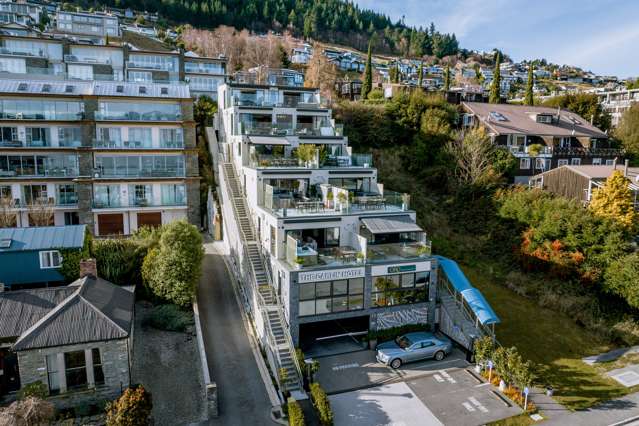
Smaller infill developments, such as Redwood Group’s Alpine Quarters, are also reshaping central Queenstown. Two emerging developers, Clarke Group and Wolfbrook, are now influencing the next wave of supply, with multiple projects underway or sold out.
Wigglesworth points to the appeal of new-build developments offering 365 day visitor accommodation consents, backed by strong amenity and reliable parking.
“The flexibility, functionality, and accessibility of these next-generation projects is underpinning Queenstown’s status as a highly sought-after destination.”
Beyond the Southern Lakes, the Central Plateau is experiencing renewed confidence, supported by a $10.8 million government investment in cycle trails and the granting of 10-year ski field concessions. Interest in revitalising the shuttered Chateau Tongariro, including a potential five-star redevelopment, is further strengthening sentiment.
Bayleys Manawatū-Whanganui regional general manager, Rachel Thompson, says the region’s relative affordability and growing year-round tourism base are underpinning stable property demand.
- Supplied by Bayleys