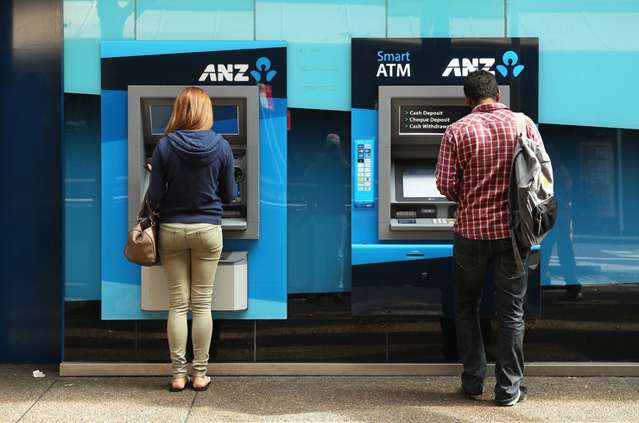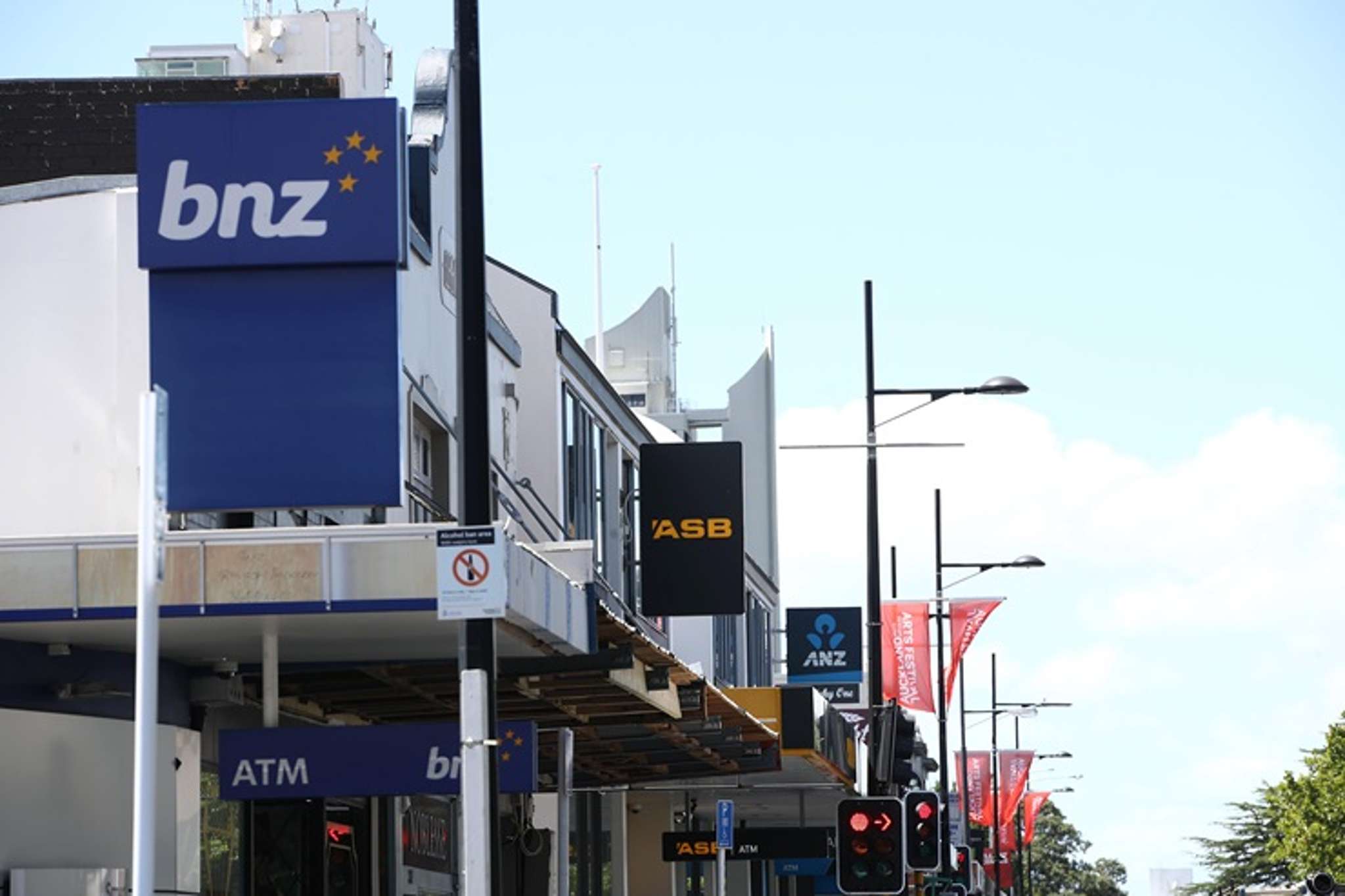
ANALYSIS: Politicians this past week have been calling on the banks to pass the latest cash rate cut by the Reserve Bank on in full to their customers. If we are talking about floating interest rates for households and businesses, then fair enough. They have. But not for fixed mortgage rates.
In very simple terms if a bank lends to you at a fixed rate for one year, they match that by borrowing at a fixed rate also for one year. To do otherwise means running a high risk of getting hit by a surprise change in interest rates. For instance, if a bank funds a two-year, fixed-rate mortgage by borrowing at floating rates, then it could end up paying more for the funds than it receives as a result of any monetary policy surprises.
The thing about fixed borrowing interest rates is that they do not much reflect where the Reserve Bank’s Official Cash Rate is now, but where the financial markets expect it will be on average over fixed periods of one, two, or five years.
Start your property search
At the moment, the view in the markets is that further cuts in the cash rate are highly unlikely, given encouraging signs of growth in New Zealand’s economy and growing concerns about an early appearance of inflation this time around.
The markets see a good chance of the cash rate going up in two years, and that helps explain why the cost of borrowing at a fixed rate for two years is near 2.7% for banks, while the cost of borrowing on a floating rate is near 2.5%.
Discover more:
- Brad Pitt's West Auckland crib has finally sold - but who's the buyer?
- How much money has your suburb made? Housing market's biggest winners and losers of 2025
- 'There are people with $1m of debt - they refinance and that's a holiday to Fiji'
The cost of borrowing in the wholesale markets to lend at a five-year fixed rate is about 3.25%.
But an important point to note is this: market expectations of a tightening in monetary policy as a result of good economic growth in 2026 and 2027 have been building up for many months.
That is why the two-year borrowing rate banks face has actually gone up by 0.15% and the five-year rate by about the same amount despite the cash rate dropping 0.75 percentage points since October 8.
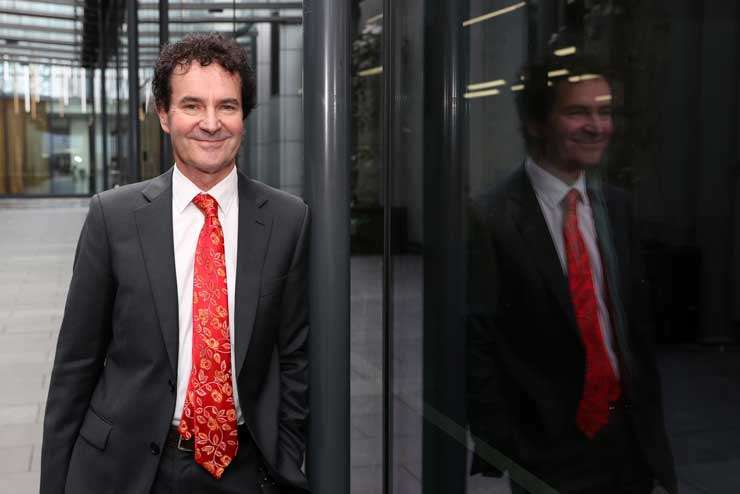
Independent economist Tony Alexander: "Interest rate falls are having an impact on the housing market." Photo / Fiona Goodall
So, if you want to have a dig at the banks for not passing on the latest cash rate cut into the fixed rates they charge, best hold your tongue. The Reserve Bank’s influence on fixed rates is slight at best and diminishes over the long-term.
Nonetheless, despite the absence of any cuts in fixed mortgage rates since last week’s 0.25% cash rate cut, can we see evidence that this year’s rate cuts have had an impact on the residential real estate market? Yes, according to the latest results of my monthly survey of real estate agents.
A month ago, 20% of agents said that buyers were displaying some FOMO (fear of missing out). That reading now sits at 26%. The net proportion saying that house prices appear to be rising in their area has climbed from 7% to 21%.
However, there is no sign that the housing market is suddenly taking off. Only a net 2% of agents say that they are seeing more investors looking to buy, and, in fact, a net 26% say they are seeing more investors looking to sell. Also, a net 27% from 26% a month ago said we were still in a buyer’s market.
Interest rate falls are having an impact on the housing market. But with people worried about their jobs, investors worried about more tax rule changes, and a plentiful supply of new dwellings hitting the market, scope for price growth this cycle will be more limited than what we have seen for quite some time.
- Tony Alexander is an independent economics commentator. Additional commentary from him can be found at www.tonyalexander.nz