1. Decent labour market numbers unlikely to stop OCR cuts
On the back of a small rise in employment in the first three months of the year and a drop in the labour force participation rate (even though the labour force itself got bigger), the unemployment rate held steady at 5.1%. This was a bit less than had been expected and could potentially mark the peak for this cycle, which is great news. However, wages remain fairly subdued, so there isn’t too much that will prevent another Official Cash Rate cut on May 28. But after that, it’ll get pretty interesting, especially if inflation continues to show slightly worrying increases.
2. Peak-to-trough changes differ hugely across the regions
Speaking of the labour market, public sector job losses will have had an impact on Wellington’s pretty subdued property values – still between 22% and 24% down from the peak in Porirua, Wellington City, Upper Hutt, and Lower Hutt. South Wairarapa, Wairoa, Carterton, and Auckland round out the group of areas still at least 20% below their peak.
Start your property search
But Central Otago, Ashburton, Grey, Invercargill, Timaru, and Gore are all now back within 2% of their previous peaks, with Kaikoura, Westland and New Plymouth actually rising to new highs in April. Across each of these areas, you’d have to assume that relatively better affordability and solid economic activity (either in or around them) – such as dairy farming – have been key supportive factors for values.
Ultimately, the data highlights that whether you’re in a generally rising phase or a downturn, there are always local factors that drive different speeds and directions of travel for house prices.

CoreLogic chief economist Kelvin Davidson: "Any hints that inflation has started to rise again would be uncomfortable for the Reserve Bank." Photo / Peter Meecham
3. The shift onto longer rates continues
March’s lending data showed that around 24% of new mortgages were on floating rates, still quite a high share, but basically the lowest in six months. By contrast, 42% were fixed for 6-12 months, and 34% for longer than 12 months – in particular on the two-year rate. The 34% share locked in for longer than 12 months was the highest since January last year, but shouldn’t be too much of a surprise. After all, as rates were falling, it made sense to go short. But now that the trough for rates is closer, people are starting to think longer again, especially since the banks have been offering some competitive interest rates too (2-3 years <5%).
4. Keeping a close eye on inflation
On Thursday, Stats NZ will release the monthly selected price indexes data for April, which is one to watch carefully. It relates to about 45% of the benchmark quarterly CPI, and also has a tilt towards “tradable” items, which you’d think will be most impacted by global uncertainty and tariffs. Any hints that inflation has started to rise again would be uncomfortable for the Reserve Bank and could ultimately reduce the scope for multiple further Official Cash Rate cuts.
5. Warmer and drier homes save money
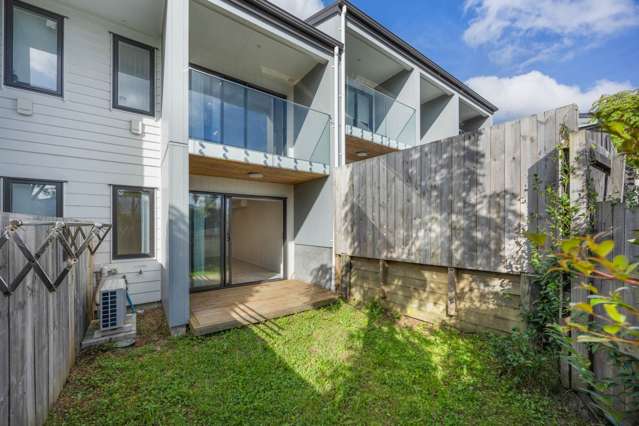
On a slightly different note to finish, last week the NZ Green Building Council released a report outlining how a 6 Homestar rating could save homeowners more than $60,000 in electricity and mortgage interest over 30 years; the equivalent of being mortgage-free potentially up to two years earlier. All in all, some fascinating research, and obviously, we all hope that more improvements in this area can be made over time.
- Kelvin Davidson is chief economist at property insights firm CoreLogic