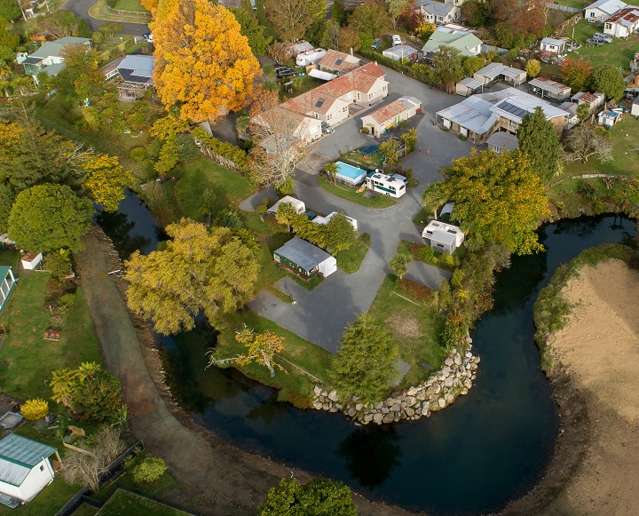
While officially it’s called a suburb of Rotorua, to its residents Ngongotaha, is a separate community. Only 10km northwest of the city, with a tight-knit population of around 4,850 souls, its position on the edge of Lake Rotorua gives it unrivalled views.
Its name comes from the legend of Maori explorer Ihenga who met a patupaiarehe woman on Mount Ngongotaha, and she offered him a drink from a calabash, so Ngongotaha means “to drink calabash”.
Locals often refer to it as “the sunny side of the mountain”.
Ngongotaha has a pleasant small-town vibe, largely based around the village centre with its shops decorated with hanging baskets. It’s expected to grow significantly over the next few years as Rotorua flourishes, driven by the growing tourism demand that brings new residents to the city to fill the myriad jobs being created in the sector.
Start your property search
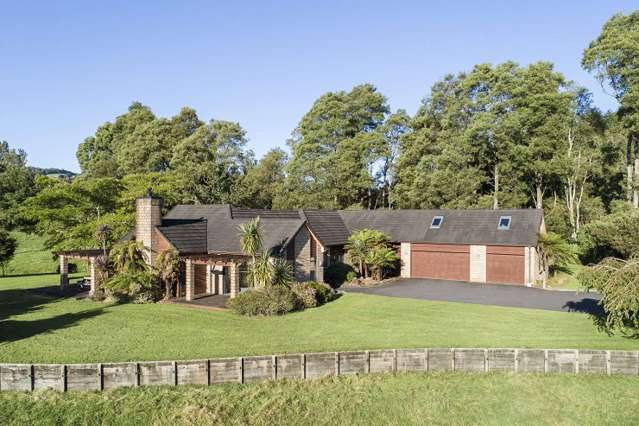
The median sale price in the suburb has risen impressively in the past five years. Not surprisingly the most desirable modern, lakefront properties fetch significantly higher prices than standard stock, but there are definitely still entry-level properties on offer.
While there’s been some opposition to the Special Housing Development with almost 300 dwellings planned for Ngongotaha Road awaiting final government sign-off, many in the community see it as a positive boost for the suburb. The thoughtfully planned subdivision, with lots of green space will give people who couldn’t otherwise afford it the chance to buy their own home.
Who lives here and what do they do?
A picturesque lakeside suburb, with a huge range of outdoor attractions on its doorstep, attracts families.
Properties are tightly held, with many owners remaining in their homes for ten years or more.
Locals appreciate easy access to and from the central city.
What’s to love?
What’s not to love? Generally speaking, life in Ngongotaha is helped by those views of a picturesque blue lake in summer, particularly now the the water quality is stable after 20 years of local effort. Even in winter, the neighbourhood still has its charms. There’s a strong café culture, and the Ngongotaha community is a friendly supportive one.
Sports form a strong base for town life, with soccer, rugby and netball featuring prominently. Legendary All Black legend Hika Reid grew up here, as did actor Temuera Morrison.
Ngongotaha Stream is the largest tributary to Lake Rotorua, and reportedly the most heavily-fished spot in New Zealand for rainbow trout and brown trout. The local trout-hatchery keeps supply ticking over and kids’ fishing days are a regular, much anticipated event.
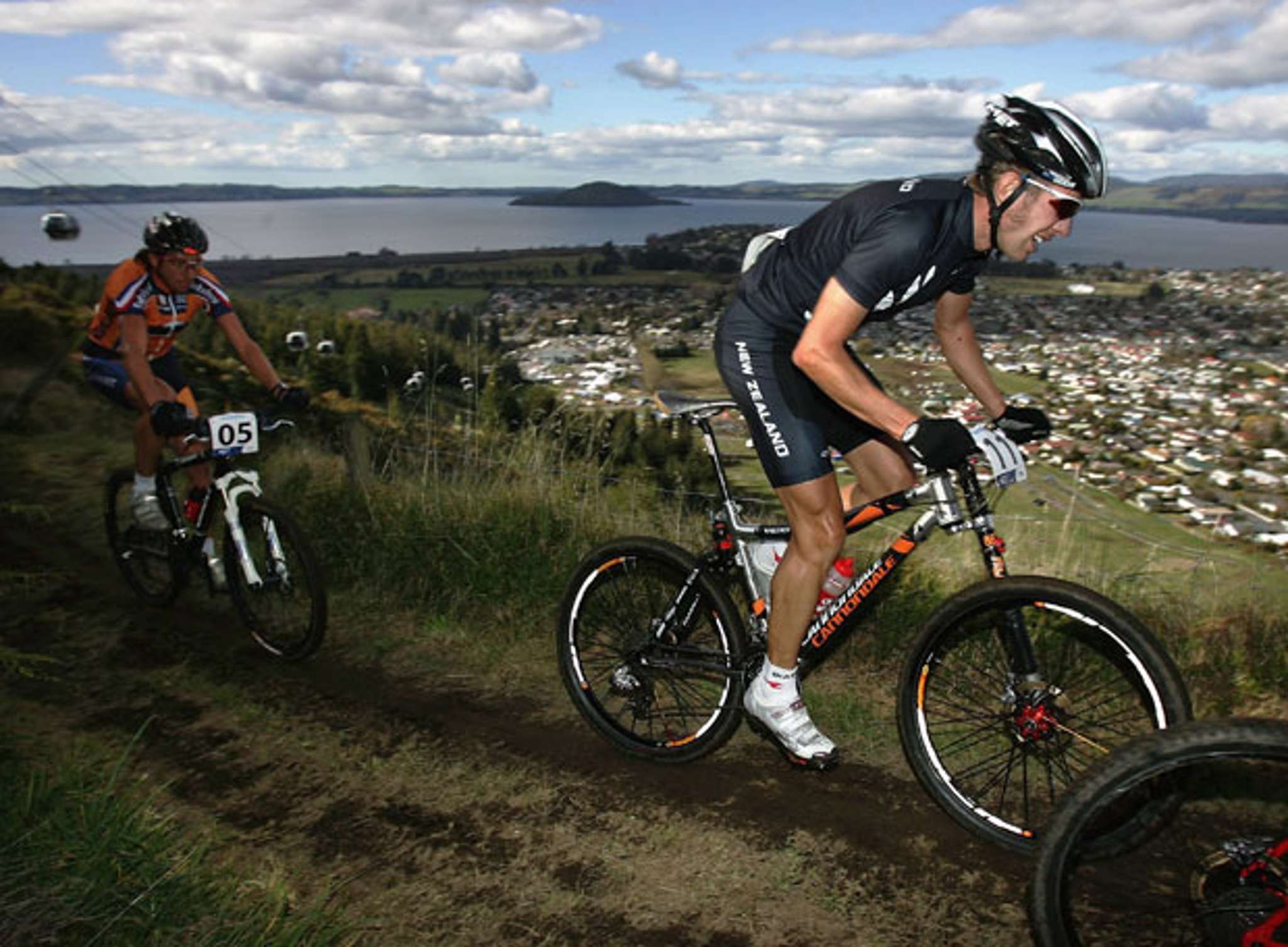
Many local residents are mountain bike aficionados. And if they aren’t doing the rugged stuff on weekends, locals can easily peddle into the city and beyond on the shared off-road and pathway cycle paths, part of the Rotorua CyWay, that joins the national cycleway, Te Ara Ahi.
For families, there are playgrounds, reserves and lakeside picnic spots with lots of paddling potential so children can enjoy the outside life.
Buying and selling
The news is all good for Ngongotaha, according to Steve Lovegrove, principal at Professionals McDowell in Rotorua.
“It’s hard to imagine a place that’s so perfectly positioned, and people from both inside and outside Rotorua are definitely taking a second look at it.”
He points out that Ngongotaha lies right nearby State Highway 5, which goes directly through to Pyes Pa.
“We’ve got people living in Rotorua and working in Tauranga - and vice versa. Plus some Rotorua children are going to Bethlehem College,” he says.
“In terms of connectivity, things have never been better and there’s more to come.
The Huntly section of the Waikato Expressway, which will be finished next year, will make access from Auckland to Rotorua much more straightforward.”
Ngongotaha has seen substantial growth over the past 12 months - with the median value rising 15 percent to $403,000 - but it has not budged in the last quarter.
Lovegrove expects to see Ngongotaha’s profile to increase and says that first-home buyers should probably get in soon, before prices rocket up.
He’s a supporter of the Special Housing Development, believing that having more residents will contribute towards creating an even more vibrant community. “It’s almost certain that the town centre is going to expand, and more shops, cafes and other amenities will arrive,” he says. “It’s exciting.”