The five things you need to know about the housing market this week.
1. Another month, another shuffle sideways
The latest Cotality Home Value Index showed a grand 0.0% monthly change in the nationwide median property value in May. The quarterly and annual changes were -0.1% and -0.6%, respectively, while the change since market peak in January 2022 is -17% (or around -30% once you factor in general price inflation over that period).
Of course, not all regions are equal. Parts of Southland, West Coast, and Canterbury continued to enjoy monthly property value growth (albeit modest by past standards), but main centres such as Auckland and Wellington remain sluggish. This isn’t a huge surprise, though, given that farming remains resilient, but the services sector of the economy is subdued.
Start your property search
Taking a step back, there doesn’t appear to be much urgency from buyers or sellers right now. Buyers with confidence in their financial resilience have lots of listings to choose from. And very few vendors are "forced sellers" at the moment, meaning they don’t have to capitulate on price.
With mortgage rates drifting upwards and the economy softening, the central scenario for the moment would have to be a continued sideways shuffle for property sales volumes and house prices in the coming months.
2. Higher mortgage rates could sting existing borrowers soon, too
The period of lower mortgage rates is well and truly over. New borrowers have seen rates steadily climb since the start of 2026, and we’re now at the point where more existing borrowers will see higher costs as their loans roll over.
Granted, those who made short-term fixes last year are unlikely to see significant changes to their mortgage bills if they opt for another six-month or one-year fix. But we know that many people are taking out longer fixes now to avoid the risk of even higher mortgage rates later. Indeed, the latest Reserve Bank stats show that the most popular individual loan term (31% of activity) in April was a two-year fix.
A switch from a six-month loan six months ago to a two-year fix now could see a rate rise of up to 0.4%, which will tend to be even larger for people repricing in the coming months.

Cotality chief economist Kelvin Davidson: "Not all regions are equal. Parts of Southland, West Coast, and Canterbury continue to see value growth." Photo / Peter Meecham
3. Dwelling consents continue to rise ... for now
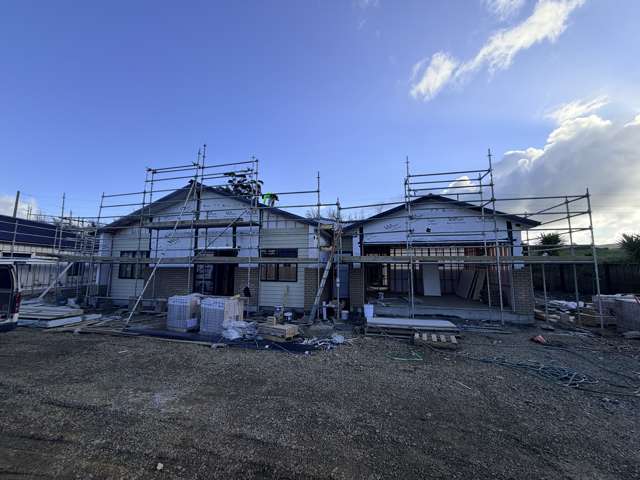
Meanwhile, the number of new dwellings consented in April was up compared to the same time last year for the ninth month in a row, with the annual running total lifting to almost 39,100 – up appreciably from the trough of less than 33,500 in late 2024 and the highest figure since October 2023. Great news.
That said, there could be some challenges ahead – including fuel surcharges for deliveries to builders, higher materials costs, flat house prices (which might limit how much of the cost increase can be passed through), and higher mortgage/financing rates for households. All of this suggests that dwelling consents could face some downside risks in the coming months.
4. Net migration may have risen further in April
On Friday this week, we’ll get April’s migration figures from Stats NZ, with the upward trend in the net balance likely to continue as resident departures ease and new arrivals drift higher. To be fair, the net migration balance remains lower than normal, but a continued rise would tend to underpin property rents to some extent (although they’re starting from a subdued position).
5. NZ as a ‘tax haven’ for Australians?
Just to finish, I’ve been asked a lot lately about whether Australian residents (whether they’re citizens or expat Kiwis) frustrated by the proposed property tax changes over the ditch – including tighter capital gains (CGT) and negative gearing rules – will suddenly all target the New Zealand market.
There are plenty of differing views, and I’m no tax expert, but I don’t expect our market to be flooded with Australian money. For a start, it would appear that even if someone held for more than two years and avoided New Zealand’s bright-line test, they could still potentially end up being stung for CGT by the Australian taxman anyway.
It’d also be a bit of a punt on political inertia, too, given that a change of New Zealand government in November could likely see a broad-based capital gains tax here, as well as potentially the phasing out again of mortgage interest deductions.
Ultimately, I struggle to believe that vast numbers of people would invest over here simply for tax reasons. Surely other factors, such as rental income performance, would be just as important, or even more so. In any case, as my accountant neighbour says, paying tax is good because it means you’re making money!
- Kelvin Davidson is chief economist at property insights firm Cotality