ANALYSIS: Last week, the Reserve Bank dropped the Official Cash Rate 0.5 percentage points to 2.5%. The question now is: will this shock treatment have any impact on the economy? So far, based on the results of two surveys I ran immediately after the cut, the economic outlook looks marginally more positive than it had been.
On Friday, I asked my subscribers if they planned to buy more or less stuff over the coming three to six months. This measure was at a horrible net 42% negative in the middle of last year, when the economy was in the process of shrinking 2%.
It then jumped to +10% in December as people falsely assumed the simple removal of high interest rates would solve many problems. But, as the reality of a weak jobs market kicked in and feelings of employment insecurity returned, the measure fell to -18% in April.
Start your property search
It recovered to just -1% a month ago and now has risen to +13%. This is the best reading in almost four years and tells us that retailers can start to more realistically talk about light at the end of their long and dark tunnel. But until the employment situation improves, the actual boost in consumer spending is likely to be constrained.
So, will businesses start thinking about hiring more people? I am partway through another of my monthly surveys which looks at business concerns and plans. The net proportion of businesses anticipating better revenue in a year has lifted to 53% from 48% a month ago. Again, the direction of travel is good, but the improvement is quite mild.
Discover more:
- Tony Alexander: What the OCR drop to 2.5% means for mortgages and house prices
- Should Kiwis lock in a 5-year rate? Economist who got it right in 2021 says yes
- Rich-listers selling their Herne Bay mansions - will they break the $50m ceiling?
Tellingly, the net proportion of businesses planning to spend more on new investment in plant and machinery has actually fallen to 4% from 10% and the measure looking at planned stock levels has also worsened slightly.
Looking at employment, there is a hint of positivity with a lift in plans to spend more on remuneration to a net 22% positive from 18%. But the labour market traditionally lags the economic cycle so we may not see much happening in this and other surveys until the New Year, when hopefully there will be greater feedthrough from higher farm incomes and sustained lower interest rates.
Looking at the housing market the question becomes whether owner-occupiers will finally step forward and join the many first-home buyers who have been active since the start of 2023. Without a strong labour market, it seems unreasonable to expect more than a lightly more positive feeling for the next few months.
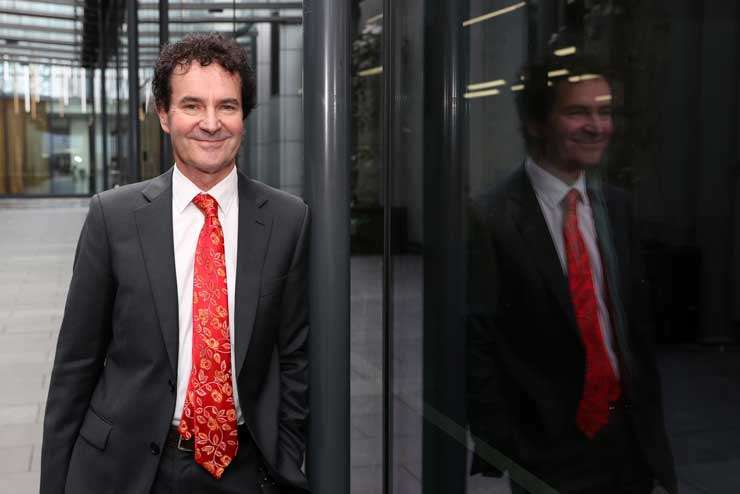
Independent economist Tony Alexander: "The data suggests house prices have at least stopped falling and are starting to creep slightly higher." Photo / Fiona Goodall
For investors, the lower financing costs will go some way to offset the sustained higher spending on council rates, maintenance, and insurance. But continued weakness in net migration flows will act as a strong restraint as will the evidence of rents falling and good tenants still being in short supply.
For housing, the ducks are starting to line up for a better performance. But it feels too soon to expect anything particularly solid in the near future.
Having said that, the data suggests house prices have at least stopped falling and are starting to creep slightly higher. The REINZ House Price Index for the country as a whole rose 0.8% in September after gaining 0.4% in August. That sounds good, but merely offsets falls of the same magnitude in the previous two months. Assuming prices are stabilising seems the best bet for now.
- Tony Alexander is an independent economics commentator. Additional commentary from him can be found at www.tonyalexander.nz