ANALYSIS: I run five surveys each month, the results of which give us insight into what real estate agents are seeing, how businesses feel and what they plan to do, how property investors are finding the rental market, where consumers will or won’t spend their money, and how mortgage lenders are finding bank willingness to lend.
Last week, I discussed some of the key results from my real estate agent survey, and they show the market firming and some valid reasons for expecting the upward movement to continue through 2026. This week I have just completed my monthly survey of mortgage advisors with mortgages.co.nz and the results also back up a view of a rising market.
A net 55% of the brokers say that they are seeing more first-home buyers in the market. This is up from a net 33% in October but consistent with other data from the start of 2023 showing young buyers strongly taking advantage of a market in their favour.
A net 32% of the brokers have also said that more investors are coming in looking for some advice. This is up from 14% last month and broadly consistent with most (not all) results from late-2023.
Start your property search
Discover more:
- Tony Alexander: FOMO is back, house-buyers, but this time the market's different
- Small bank quietly offers 'crazy' home loan rates of 3.99% - lowest in four years
- Family selling beloved wildlife park - 280 animals included as chattels
Of high interest, however, is the net 51% of advisors who have reported that the banks (and presumably a few non-bank lenders as well) are increasingly willing to advance funds to home buyers. This is up from a net 33% last month and the strongest result since February, before the 2025 reality check set in across the economy.
The second key point of interest for me from the survey is the slight rise in the proportion of mortgage brokers saying that home buyers are fixing their mortgage interest rate for five years. At 4% this proportion pales into insignificance beside the 61% of brokers saying people favour fixing one year or less. But 4% is the highest proportion since December 2021. The peak was 6% in April 2021.
As a rule, Kiwis fix their mortgage interest rates only for short periods of time. This is partly why no banks copy the lending norm in the United States and offer 30-year fixed rates. Demand for any period longer than 2-3 years is almost non-existent.
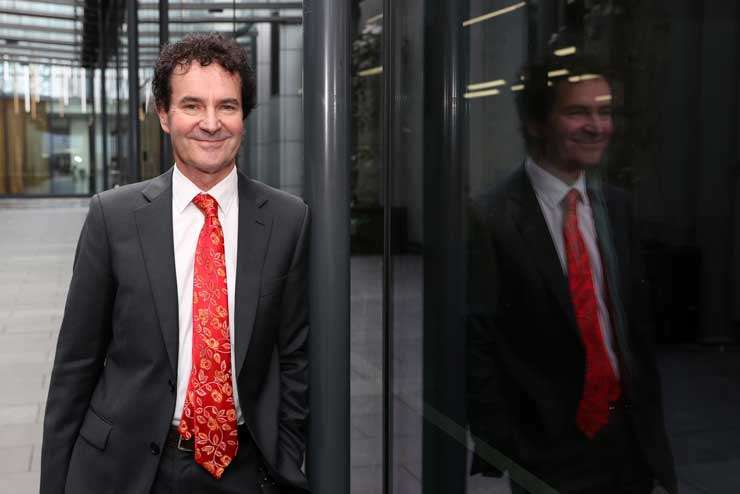
Independent economist Tony Alexander: "As a rule, Kiwis fix their mortgage interest rates only for short periods of time." Photo / Fiona Goodall
By and large, Kiwis just take whatever rate is the lowest, giving little thought to what might happen to that rate in the next few years. For those who fixed for five years at 2.99% in the 11 months this rate was available over 2020-21, the hike in the likes of the one-year rate to 7.35% come early-2024 was irrelevant.
Will people fixing for five years now at around 4.99% also be left smiling like Cheshire cats in 2-3 years? A few grins seem likely. But avoiding a 5% nominal rate hike isn’t likely (2.29% in 2021 to the 7.35% peak).
That is, when the Reserve Bank starts tightening monetary policy again, perhaps from late-2027 (partly motivated by the risk they are easing too much this year), rates are unlikely to soar 5% as they did after the pandemic binge. But a return to rates over 7% is something borrowers should allow for.
For now, though, our central bank looks set to make one more rate cut of 0.25% come November 26, and short-dated mortgage rates are likely to remain near current low levels through all of 2026. After that, the risks shift upward.
- Tony Alexander is an independent economics commentator. Additional commentary from him can be found at www.tonyalexander.nz