1. First-home buyers are still dominant
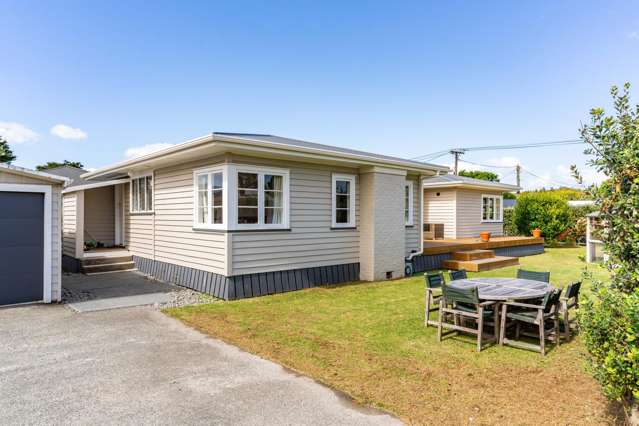
Last week Cotality published its second First Home Buyer Report with Westpac, and it showed that first-timers remain a strong presence in the property market – a continuation of a positive news story that has been with us for more than two years now.
Their market share hit nearly 28% in the September quarter, a new record high. The number of deals they're involved is rising, too, thanks to the lift in the overall market. Their strength can be seen across the country and across various price brackets (first-home buyers don’t always enter at the bottom and work their way up).
The median price being paid by first-home buyers was around $700,000 nationwide, and Westpac’s figures show an average LVR of 79% lately, up from 74% a couple of years ago. With mortgage rates down and larger loans now more serviceable, some first-home buyers are clearly choosing to get in sooner with a lower deposit. That being said, it’s still not easy to get that first home (and never has been either). The average age of first-home buyers is 36 nationally, up from 34 in 2019.
Start your property search
All in all, first-time continue to fare well though in these sluggish market conditions. With LVRs set to loosen soon, mortgage rates down, and house prices unlikely to surge away in the next 12-18 months (partly due to DTI caps), the window of opportunity should stay open.
2. But movers remain in a cautious mood
On the other hand, the data shows that relocating owner-occupiers, or movers, are quiet at the moment, accounting for less than 24% of activity in October. That’s the lowest we’ve seen since late 2008/early 2009. Even though mortgage rates have fallen, movers appear to be cautious, perhaps waiting for clearer signs that employment security is on the rise, and that they’ll be able to sell their own house faster and at a good price.

Cotality chief economist Kelvin Davidson: "Another firm result would add to the belief that we’re pulling out of recession and that the RBNZ’s job is almost done." Photo / Peter Meecham
3. Has migration turned the corner?
Last week’s figures from Stats NZ showed a decent-enough monthly net migration balance for September, with arrivals showing hints of rising and departures remaining fairly flat. The 12-month rolling total for net migration picked up to around 12,400, a six-month high. It’s worth taking care with the numbers, as they can be revised in future, and of course they still remain low – which has been a key reason for the recent weakness of property rents. Even so, maybe green shoots.
4. Hoping for an inflation slowdown ...
This week, Stats NZ will publish the selected price indexes data for October, a monthly series which relates to about 45% of the benchmark quarterly CPI. It can be a bit volatile, given that it includes seasonal/jumpy items such as food, petrol, and airfares. But even so, it’d be reassuring to see a general slowdown, just reinforcing the likelihood of another OCR cut next week.
5. ... and more economic green shoots
Of course, that likely OCR cut could well be the last in this cycle. We’ll get more insight on that when Stats NZ releases the NZ Activity Index for October this Thursday. There’s been a solid rebound in this timely proxy for wider GDP in recent months, and another firm result would add to the belief that we’re pulling out of recession and that the RBNZ’s job is almost done.
- Kelvin Davidson is chief economist at property insights firm Cotality