Northland’s economic outlook improved materially through 2025, with a range of indicators turning more positive by year-end.
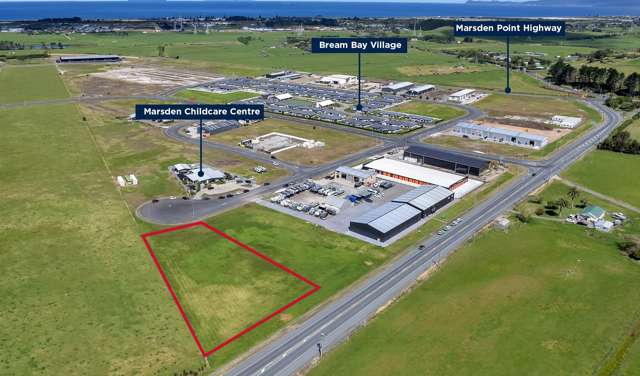
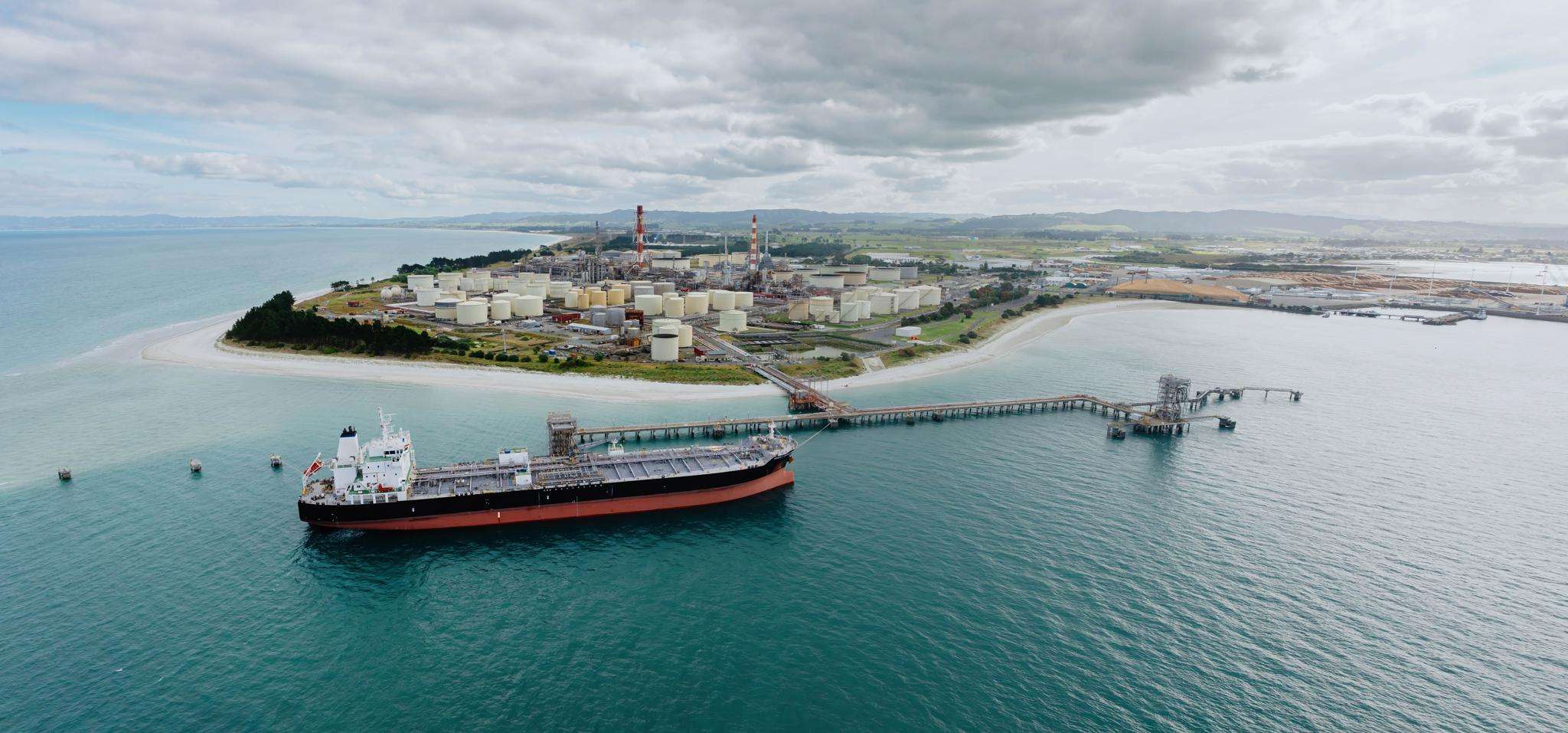
Meanwhile, the war in the Middle East has highlighted the importance of Northland’s energy infrastructure at Marsden Point in supporting New Zealand’s energy security.
Recent Infometrics data shows Northland’s regional GDP increased by 0.3 per cent over the year to Q4 2025, representing a notable jump from Q1 2025 when GDP was tracked at -1 per cent.
The Colliers Research & Economics team recently published its Northland Regional Essentials report that outlines how the region’s strategic importance is underpinned by its connectivity to Auckland and other upper North Island growth hubs.
Start your property search
The war in the Middle East means national energy security requirements have led to investment into the Northland region, boosting its economic outlook.
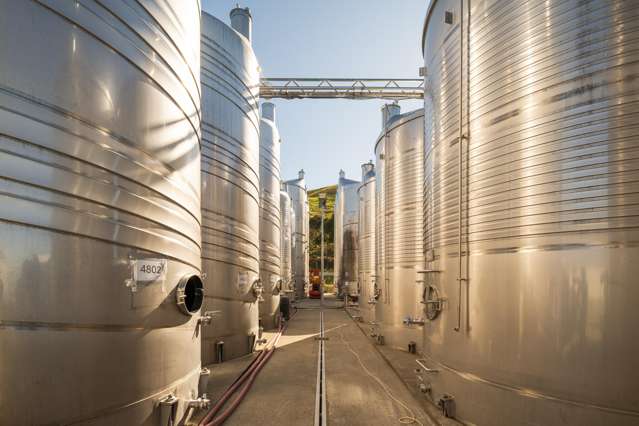
Marsden Point is increasingly being framed as nationally important infrastructure in an uncertain world, given its role as New Zealand’s largest fuel import terminal and its potential to improve resilience across the country’s supply chain.
In April 2026, the Government committed up to $21.6 million to support additional diesel storage at Marsden Point amounting to approximately nine additional days of national diesel demand.
Megan McGregor, Director at Colliers Whangārei, says major infrastructure and industrial proposals remain central to Northland’s medium-term outlook.
“Active developments such as the Northport pier upgrades, vital maintenance on the North Auckland Line, and the first stage of Whangārei Hospital’s $759 million Project Pihi Kaha are already injecting capital into the local economy and supporting construction-led activity,” McGregor says.
“This momentum is set to accelerate over the second half of 2026 as construction is expected to start on both the Warkworth to Te Hana Expressway and the Hospital's new Acute Services Building.
“The fast-tracked Brynderwyn Hills alternative route does not yet have a start date, although once completed, it is expected to resolve long-standing freight vulnerabilities.
"This will support Northland’s viability as a resilient, long-term hub for industrial and commercial investment.”
Northland’s long-term outlook is also supported by ongoing population growth, which at a national level is expected to remain concentrated in the upper North Island.
Stats NZ’s population projections indicate Northland’s population will rise from about 198,500 in 2023 to around 253,300 by 2053, an increase of roughly 55,000 people or 27.6 per cent over 30 years, making Northland one of the five fastest-growing regions in the country.
Hamish Fitchett, National Director of Research & Economics at Colliers, says Northland will have steadily rising requirements for infrastructure, logistics capacity, retail space, and commercial offices over time.
“In the year to March 2026, consents data showed a 16 per cent increase in volume of non-residential building activity in Northland with 32,977sq m of consented commercial floor area,” Fitchett says.
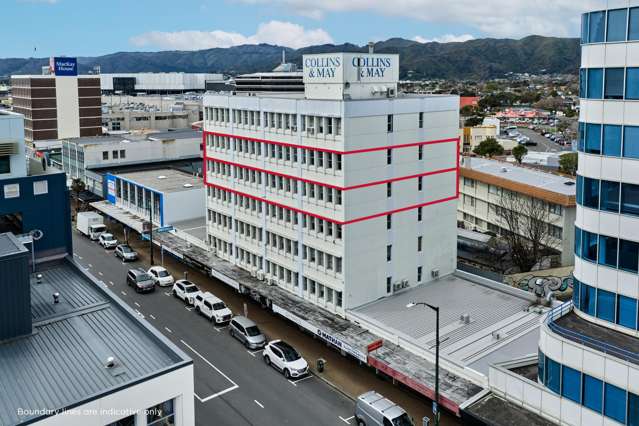
“Industrial development makes up the core of this commercial space, but the growth is being driven by an increase in consents for offices, administration, and public transport buildings in the region.”
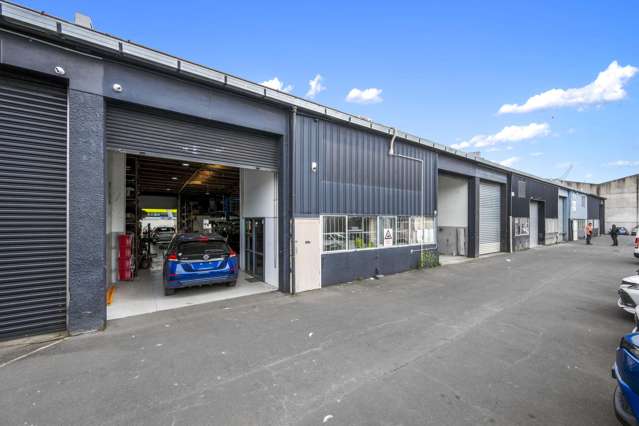
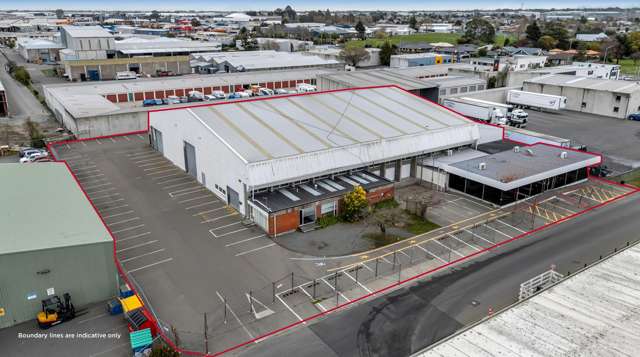
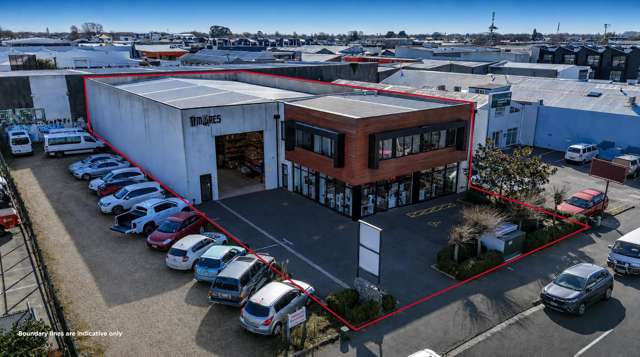
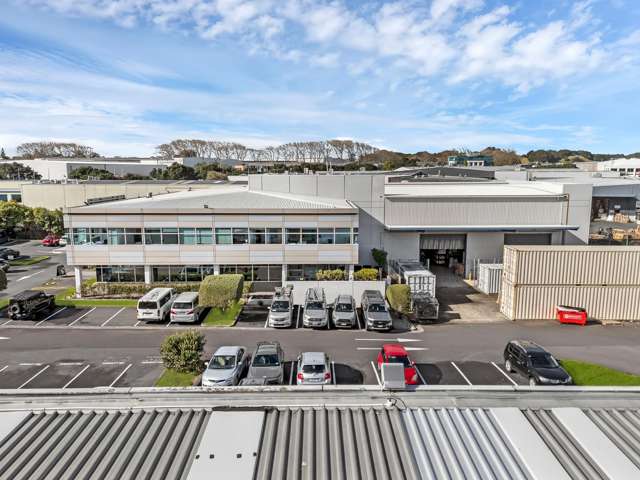
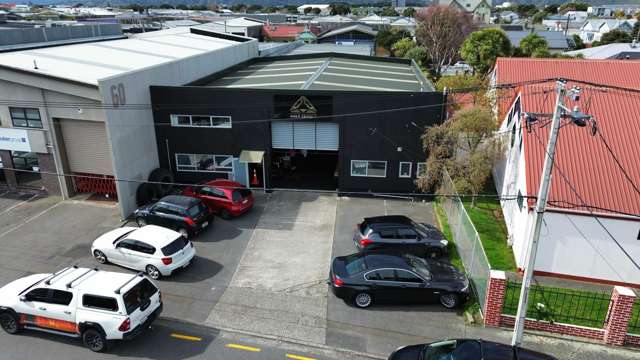
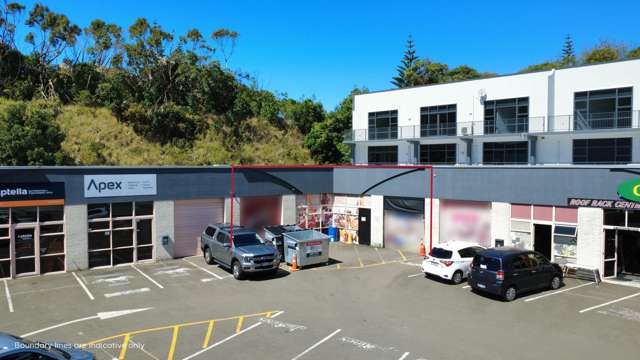
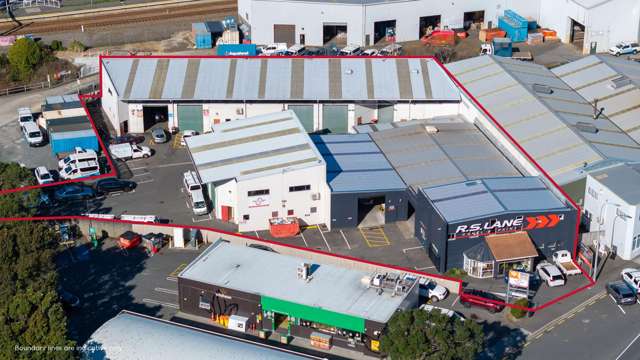
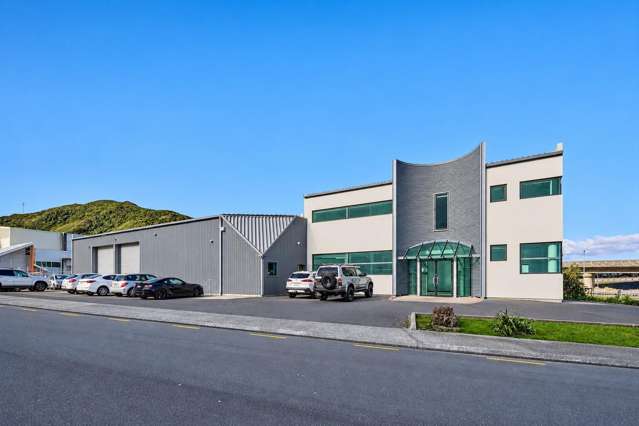
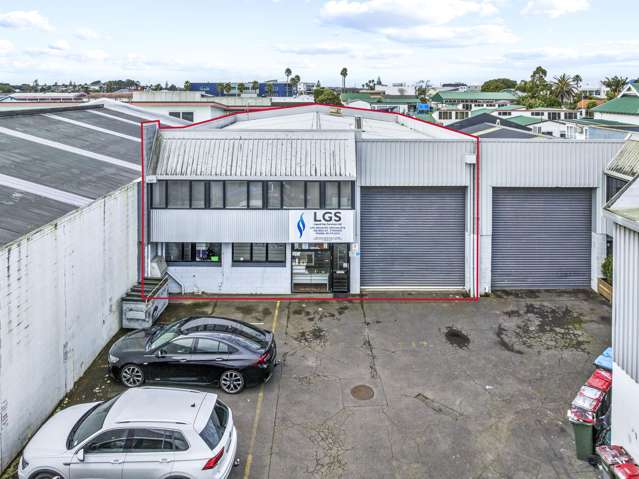
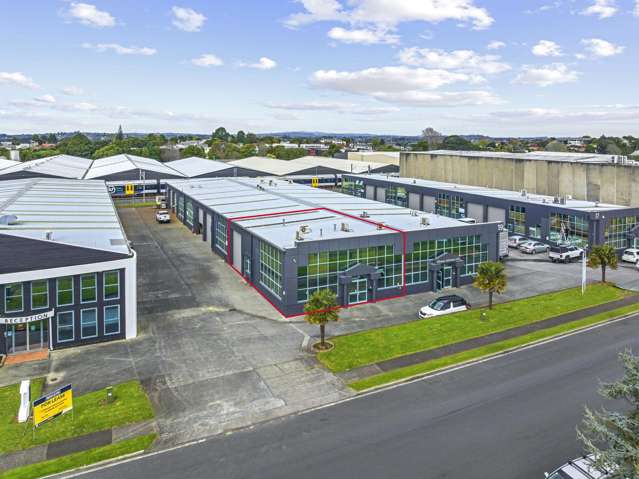
Industrial property remains the most resilient segment of the Northland commercial market, with occupier demand in Whangārei supported by logistics operators, trade businesses, and firms linked to primary production and port activity.
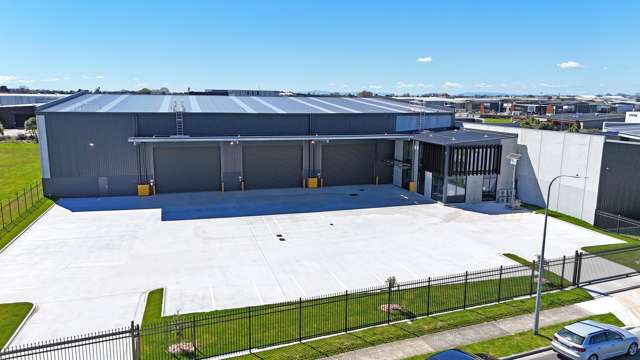
Supply remains relatively constrained for modern, functional warehouse stock, particularly where premises offer yard space, efficient vehicle access, and proximity to key transport routes.
Although wider construction activity remains cautious, Marsden Point provides an important counterpoint.
The Government-backed expansion of diesel storage capacity and the broader focus on energy resilience, freight connectivity, and nationally important infrastructure investment strengthen the long-term case for industrial land and logistics-related property across the Whangārei corridor.
- Supplied by Colliers