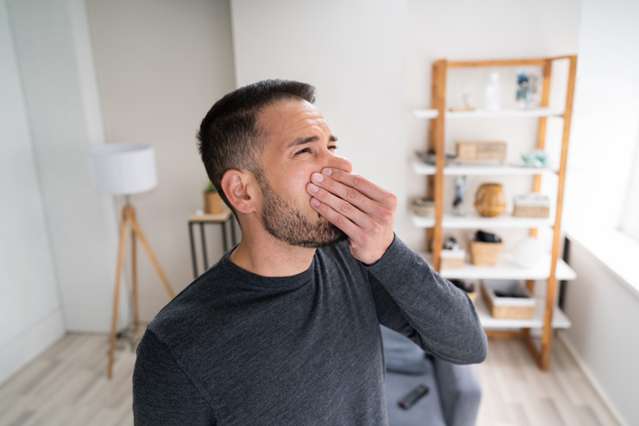
Damp homes can kill – with one study conducted by University of Otago establishing that 1600 people a year die in New Zealand due to health conditions arising from living in damp or cold homes.k
It’s a pretty staggering figure for a country in the so-called “developed” world.
Ventilation systems can do much to alleviate dampness in the homes but, for many, the cost seems prohibitive. However homeowners and property investors take note: this is a false economy. Dampness is not only bad news for human health, it’s also bad news for your property.
A Building Research Association of New Zealand (BRANZ) study from 2015 found 44 per cent of owner-occupied homes and 56 per cent of rental properties had visible mould. As well as the multiplicity of health issues related to those conditions, mould can also erode the structural integrity of the home – causing timber to decay, damaging paintwork, wallpaper and wall linings.
Start your property search
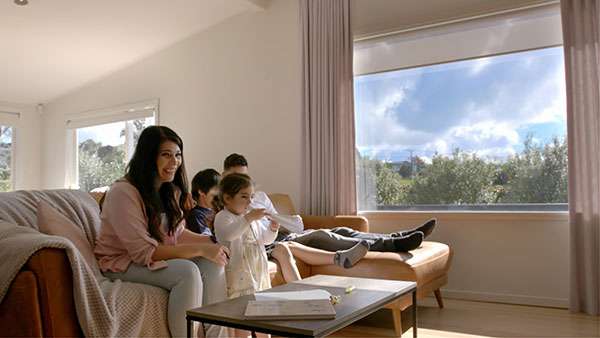
Prevention is better than cure and the outlay spent on protecting a home from dampness could save tens of thousands of dollars in the long run.
A dry home is much easier to heat. This is of particular importance to landlords, who will soon have to ensure all their homes are dry and warm under the Healthy Homes Guarantee Bill. Under these changes, landlords must ensure that their homes have a heating system in the living area that will warm the room to 18C.
“This is extremely hard to achieve if a home is damp,” Warren Drinkwater, CEO of Unovent (a company specialising in innovative, New Zealand-designed home ventilation systems), explains: “It takes a lot more energy and cost to heat a damp home rather than a dry home.”
Drinkwater says most people, including landlords, don’t realise just how much moisture exists in the home and where it comes from.
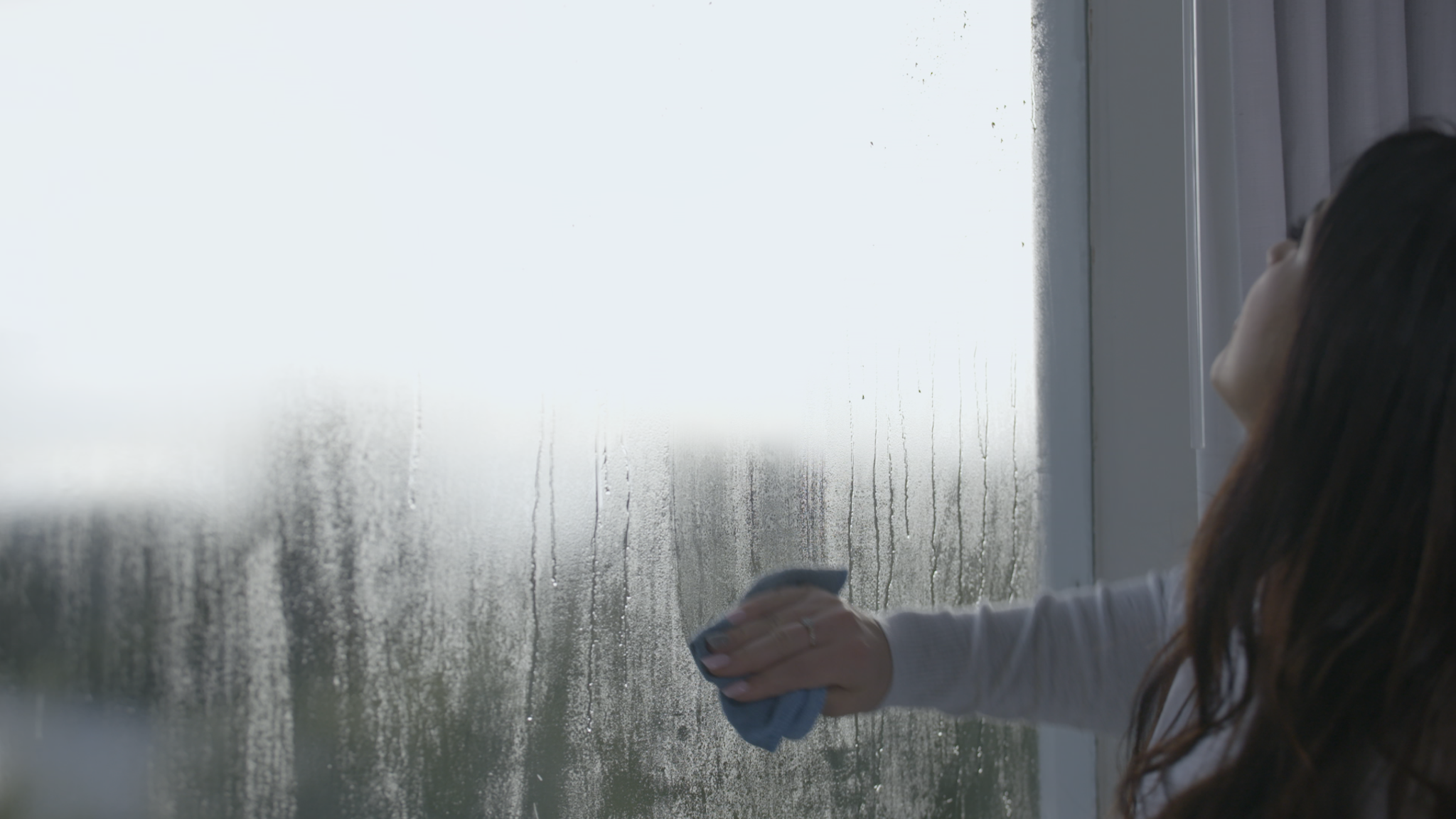
“Humans create about three litres of moisture themselves each day. If you are drying the washing inside, the moisture created remains in the home. That’s why you get ‘crying’ windows, dampness and mould.”
Unovent offers homeowners a cost-effective and innovative way of protecting their home. Rather than using a large fan that connects to ducts which run throughout the home, these systems have separate fans located in the ceiling space of each room. This allows the ventilation system to be introduced room by room and is very cost effective.
“Unovent is up to half the price of other home ventilation systems,” says Drinkwater. “Running costs are also reasonable: only about $1 a month for the electricity that powers a typical sized four outlet system.”
Another key selling point for Unovent system is that it “thinks for itself”; other home ventilation systems have a central control panel that needs to be programmed while Unovent has a sensor (the Unobrain) that establishes if the outside air is too cold or too warm – and stops the fan accordingly.
“In winter, the system will shut off when it’s about 8C outside: in summer, the system will automatically switch off when the temperature outside reaches around 28C,” explains Drinkwater.
Unovent systems can be tailored to the configuration of different houses and there is also a pre-priced system (which comes complete with installation) sold online.
“Installation of a four-unit system will take about three-and-a-half hours, so it’s not a long process at all,” says Drinkwater.
The “whisper quiet” system doesn’t interrupt the residents’ peace and quiet and it comes with a 10-year guarantee. It’s a great solution for homeowners committed to protecting the life of both their property and its inhabitants.
For more information click here