
Traditionally, when borrowing costs for government debt have risen around the world, yields in other asset classes such as commercial property have been pushed higher, and New Zealand as an advanced economy follows this pattern.
In the most recent interest rate cycle, government bond yields have increased but commercial property yields have not risen as quickly, according to data in the latest monthly research report from the Colliers Research & Economics team.
Hamish Fitchett, National Director of Research & Economics at Colliers, says this is because domestic commercial property values have generally remained resilient during the recent period of weak economic activity.
“Globally, long-term debt markets are under pressure. The 10-year US Treasury yield was around 4.8 per cent in early September, while the 30-year yield recently moved above 5.25 per cent and reached its highest level since before the Global Financial Crisis,” Fitchett says.
Start your property search
“US Treasuries set a global benchmark for debt pricing and influence the returns sought by international capital, which means their yield increase has placed similar upward pressure across many other developed economies, including New Zealand.”
Long-term government bond yields have moved materially higher since the low interest rates of the pandemic.
New Zealand’s 10-year government bond yield was 4.46 per cent in June 2026, more than 3.5 percentage points above the sub-1 per cent rates recorded during 2020.
Government debt now provides investors with a much higher return than it did through the previous cycle, shifting the benchmark against which other long-duration assets are assessed.
Fitchett says this matters for commercial property because higher government bond yields raise both the ‘risk-free’ return available to investors and the cost of debt used to fund purchases.
“A property yielding 5.5 per cent, for example, offers an income premium of only around one percentage point over the June government bond yield before allowing for transaction costs, leasing risk, capital expenditure, and lower liquidity.
“Investors therefore need either stronger rental growth, greater long-term capital appreciation, or a wider initial yield to justify taking on property-specific risk.”
The Reserve Bank announced a 25 basis point increase to the Official Cash Rate this week as it rose to 2.75 per cent, a change that was widely expected.
Commercial property yields increased when interest rates tightened earlier in the decade, but not by enough to match the move in government bonds. The result has been a squeeze in the spread between property yields and 10-year government bonds.
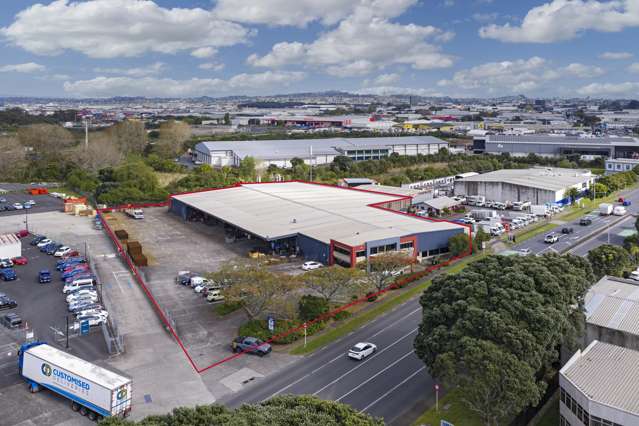
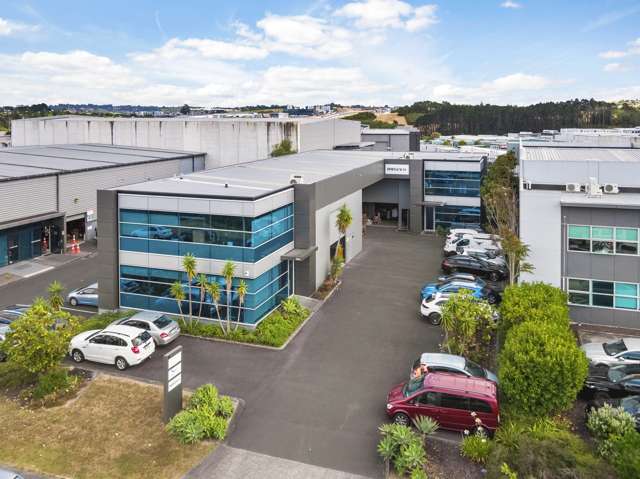
At the sharper end of Auckland’s current prime ranges, industrial property yields are around 5.3 per cent, while office and retail property both yield above 6.5 per cent.
Against the June government bond yield of 4.46 per cent, these figures imply premiums of only around 0.7 percentage points for industrial property and two percentage points for prime office or retail property.
Eunice Tsang, Senior Research Analyst at Colliers, says the comparison is particularly striking for industrial property.
“Relatively strong occupier demand, rental growth, and constrained supply have kept Auckland prime industrial yields within a tight 5 per cent to 5.6 per cent range despite the higher interest rate environment,” Tsang says.
“Investors are accepting a comparatively small income premium because they continue to place value on the sector’s defensive fundamentals and long-term growth prospects.
“Commercial property yields vary by both asset type and location across New Zealand.
"Regional markets typically offer higher initial yields than Auckland’s prime assets, but investors need to distinguish between returns generated by location and those reflecting higher asset-specific risk.”
The long-term data show that prime commercial property has delivered material price increases, or capital growth, although outcomes differ sharply by sector and city, with Auckland’s industrial sector a standout performer.
Fitchett says commercial property has provided a comparatively resilient source of capital growth despite the sharp rise in interest rates and a period of weak economic activity.
“Taken together, current yields and long-term price performance reinforce the role commercial property can play within a diversified investment portfolio.
“Commercial property yields have risen since the pandemic, but not as much as government bond yields because investors continue to place a premium on assets with strong rents and long-term capital appreciation potential.”
- Supplied by Colliers