Coastal interiors remain a favourite for their relaxed and light-filled atmosphere. But coastal style doesn't have to be reserved for summer or beach houses only.
Today's coastal interiors are less about crisp blue-and-white colour schemes and more about capturing the feeling of nature through layered colours, textures and materials. The result is a home that feels fresh in summer, cosy in winter and welcoming all year round.
Add warmth through layering
Creating a warmer coastal look is all about thoughtful layering, says Resene colour consultant Hannah Lynch.
Start your property search
"You can absolutely stay true to a classic blue and white base with shades like Resene Torea Bay and Alabaster, but introducing softer, warmer accent tones will help create depth and make the scheme feel more livable year-round."
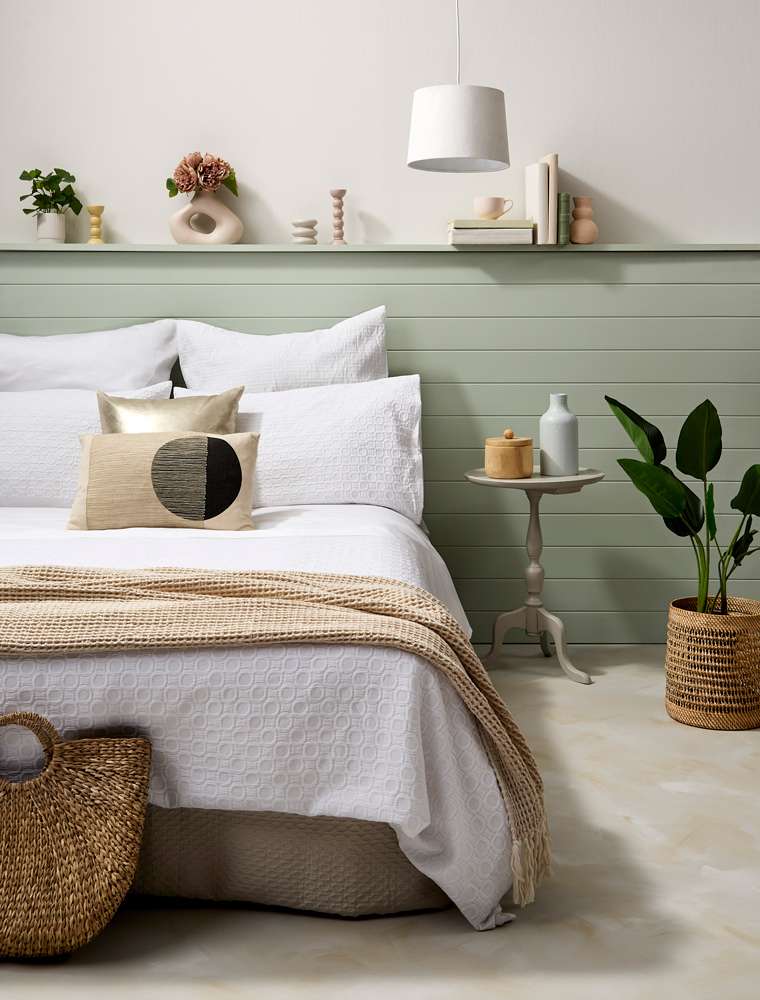
Soft greens bring all the delicate freshness of a coastal look while complex neutrals and natural textures add layers of comfort and cosiness. Wall in Resene Eighth Truffle, headboard in Rainee, floor in Triple Truffle, Truffle and Quarter Truffle, bedside table in Double Truffle, shelf vases, from left, in Spring Wood, Contented and Alpaca, candlesticks in Mint Julep and Contented, cup in Half Pot Pourri, table vase in Onahau, light shade in White Pointer, books in White Pointer, Frontier and Alpaca. Bedding from Resene Living Collection. Project by Annick Larkin. Photo / Bryce Carleton
Texture is important
“Coastal style doesn't need to feel minimal. Bringing in layers with wallpaper, textured fabrics like linen and wool, with natural materials such as timber or rattan, instantly softens the look. Even choosing a warmer off-white such as Bianca, or adding contrast through cabinetry or trims, can take a space from feeling fresh and summery to relaxed and inviting.”
For subtle texture, try a linen-look or distressed wallpaper such as Resene Harmony Wallpaper Collection A67602 or PH3305 to add warmth while maintaining a relaxed coastal feel.
Look beyond blue and white
Classic coastal palettes draw inspiration from the natural landscape, but that landscape is much broader than sea and sky.
Think sandy beiges like Athena, weathered charcoals such as Kia Kaha, soft neutrals like Akaroa or Spanish White, and coastal greens inspired by dunes and native planting.
Hannah recommends muted greens like Aspiring or Bandicoot to ground lighter colours, alongside warm sandy shades including Grain Brown and Half Akaroa.
“For contrast, deeper shades like Madison and Warrior work beautifully layered against whites and pale blues, adding richness and making the overall scheme feel more intentional, balanced and cosy.”
Soft sage greens such as Pumice and warm clay tones like Sante Fe or Cashmere also reflect the wider coastal landscape while adding unexpected warmth.
If blue is still your favourite, choose softened, greyed blues such as Duck Egg Blue, Half Dusted Blue or Coast. Layering several tones together creates a more sophisticated, relaxed look compared to strong blue-and-white contrasts.
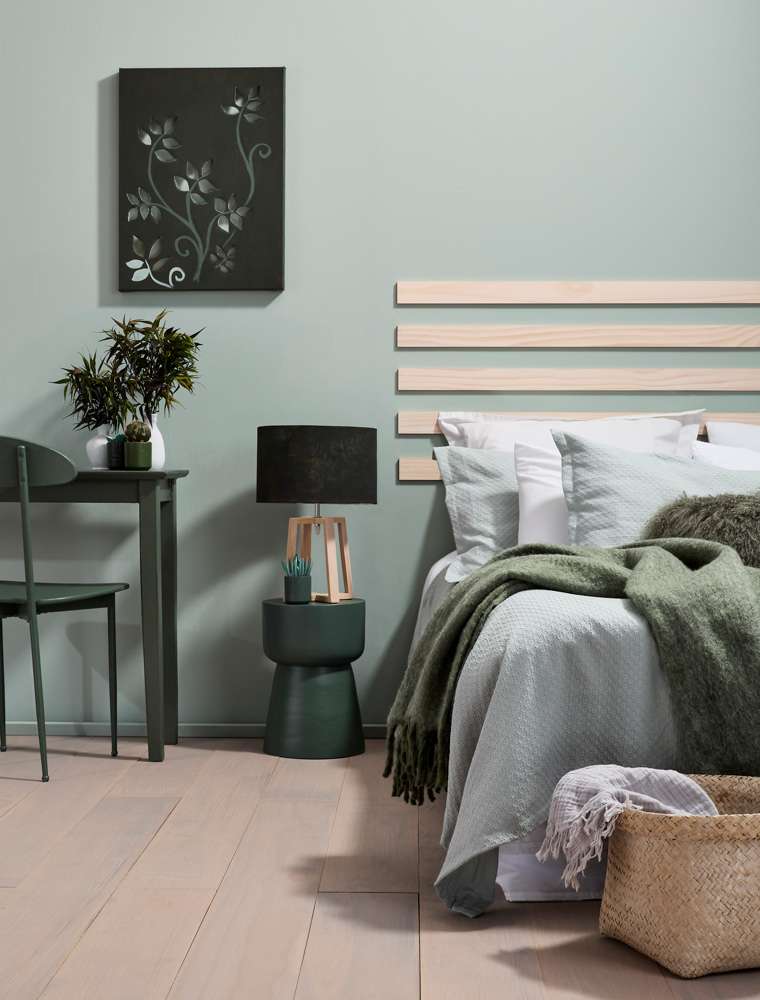
Layers of greens replace blues in a relaxed, layered coastal-inspired room. Wall in Resene Haven, floor washed in Resene Colorwood Bleached Riverstone, bedside table, chair and desk in Mangrove, bedhead slates in Resene Colorwood Rock Salt, lampshade and vase in Marshlands, desk vases in Olive Green and Marshlands, lighter vases in Poured Milk, basket in Resene Colorwood Whitewash. Green throw from Nood, bedding from Briscoes. Project by Megan Harrison-Turner. Photo / Bryce Carleton
Create depth with neutrals
A warm coastal interior still relies on neutrals that are richer and more complex than bright white.
Choose off-whites such as Half Sea Fog, Rice Cake or Quarter Tea to create a soft backdrop that reflects light without feeling clinical.
Build depth with mid-tones including Truffle, Sandcastle or Dune, then introduce darker accents through shades like Bokara Grey or Rocky Point, or timber stained in Resene Colorwood Deep Oak. These deeper colours help anchor the palette and prevent it from feeling washed out.
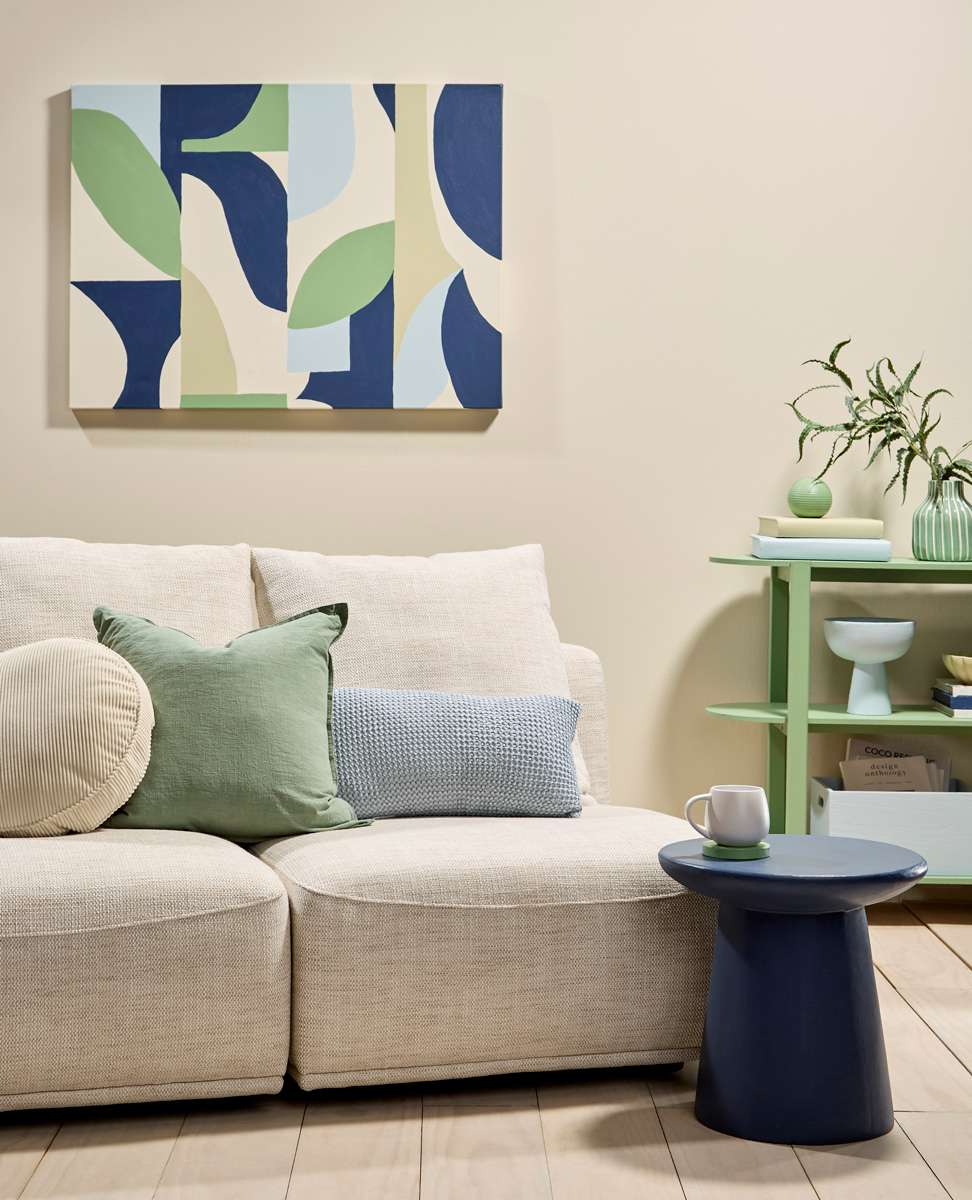
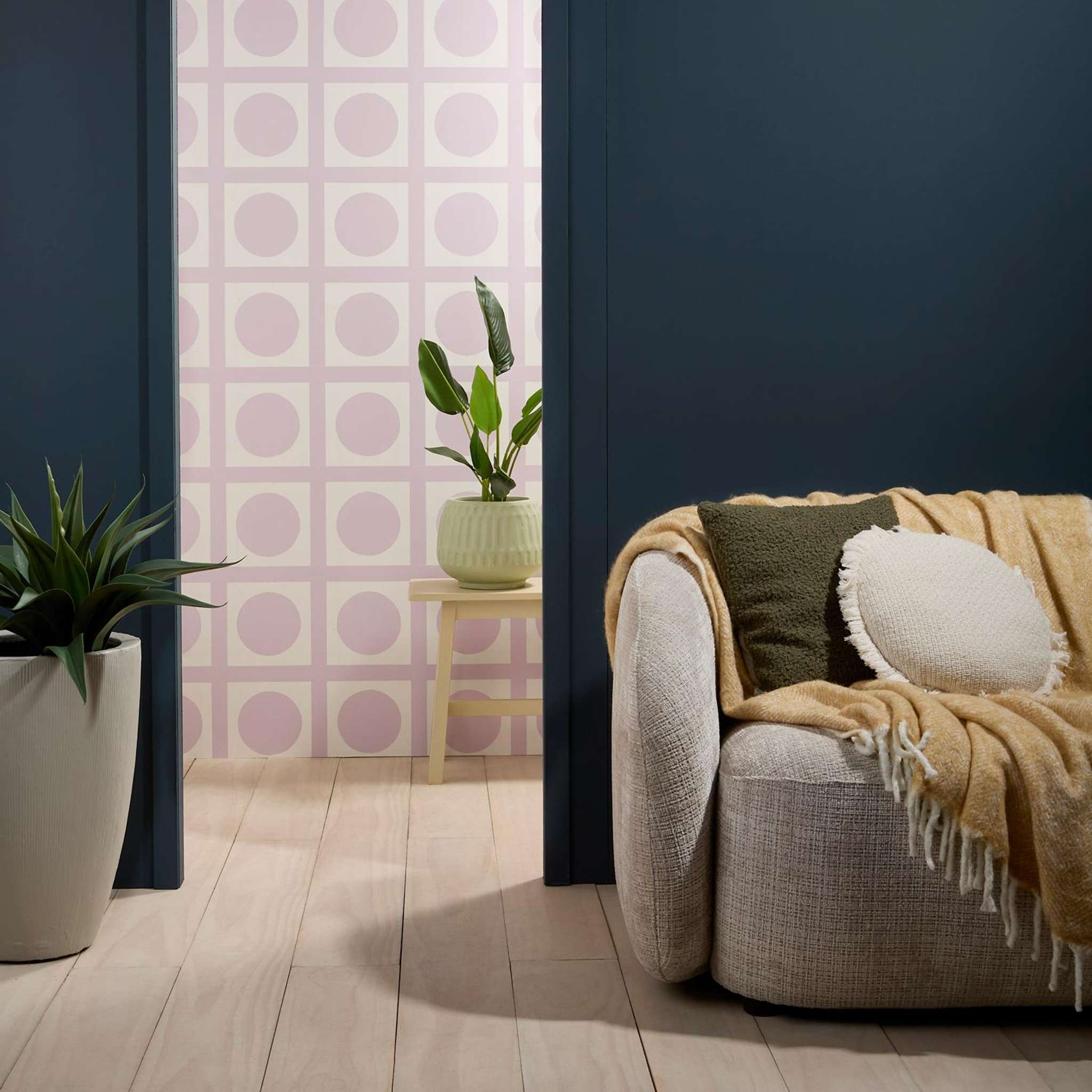
Deeper blues mixed with botanical greens and sandy beiges connect this room with the coast as well as the wider natural environment for an inviting, warm space. Walls in Resene Spanish White, floor in Resene Colorwood Breathe Easy, DIY art in Resene Biscay, Fawn Green, Amulet, Spanish White and Halcyon, shelves and small vase in Fawn Green, table in Biscay, storage box and pedestal bowl on shelf in Half Halcyon, books in Half Halcyon, Fawn Green, coaster in Amulet. Modular chairs from Nood, green cushion from The Warehouse. Project by Vanessa Nouwens. Photo / Bryce Carleton
Texture brings it all together
Texture is what transforms a coastal interior from light and airy to warm and inviting.
Natural materials such as linen, cotton, timber and rattan provide the perfect foundation. As the seasons change, layer in wool throws, heavier curtains, textured rugs and upholstered furniture to create a softer, more cocooning feel.
Paint finishes can also add subtle interest. Resene SpaceCote Low Sheen creates a soft, velvety appearance on walls, while Lustacryl on trims or cabinetry introduces gentle contrast. For even more character, consider textured finishes such as Resene Limewash or MyArtisan Foundation Coat.
Finally, don't underestimate the warmth timber brings to a home. Furniture, shelving and flooring finished in Resene Colorwood Natural or Colorwood Teak, balance cooler tones beautifully while reinforcing the natural, relaxed character that makes coastal interiors feel timeless.
With layered colours, tactile textures and inspiration drawn from the whole coastal landscape, it's easy to create a home that feels just as inviting in the middle of winter as it does on a summer afternoon.