OneRoof’s Ask the Expert series is aimed at helping consumers cut through the noise when buying goods and products for their home. It’s hard to make a decision when there’s so much out there, so who better to trust than the people who have the expertise and use these items for a living?
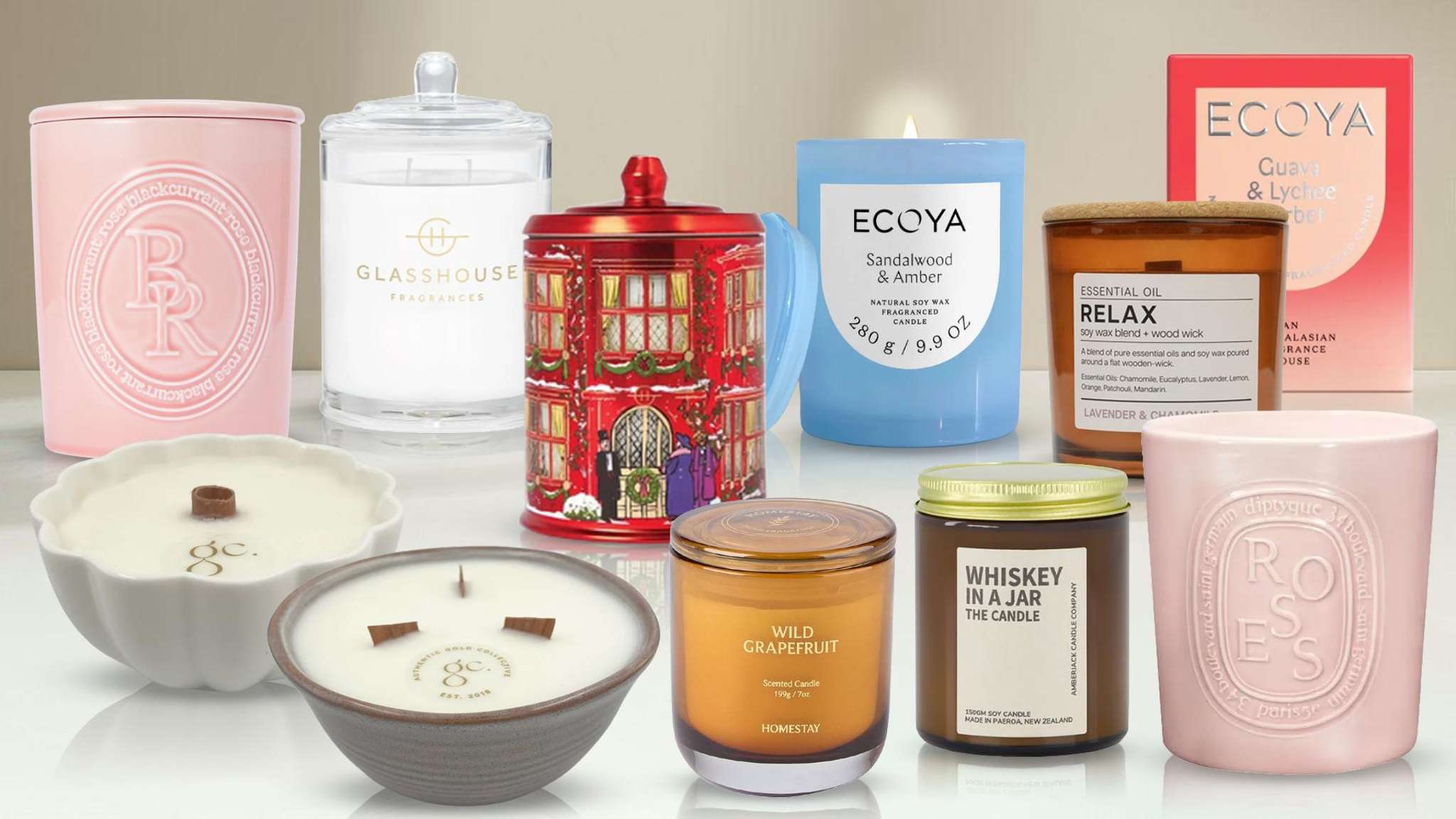
It may be better to light a candle than curse the darkness, but choosing a good one can be surprisingly tricky. We put a range of favourites through their paces and asked expert candle makers what separates a beautiful, even burn from a disappointing crater, and what really delivers on scent, ambience and longevity.
From Kmart and The Warehouse bargains to artisan makers and premium brands, we wanted to know: does price matter? Does soy automatically mean better quality than paraffin? And what should shoppers look for beyond an attractive vessel and a fragrance they love?
Our budget didn’t quite stretch to Mecca’s eye-watering $743 Diptyque candle. But if anyone from the marketing department is reading, we’d happily test whether the glow is really as beautiful as the reviews suggest, and whether it can genuinely make an entire home smell like roses.
Start your property search
Candles can be surprisingly difficult to judge. From the outside, many look much the same. Kmart’s Blackcurrant & Rose candle, for example, comes in a stylish ceramic vessel not unlike the luxury Diptyque offering, but costs just $24. The resemblance largely ends there. The burn proved uneven and, when the fragrance finally emerged, it was hard to smell the rose garden.
Renée Dekker, founder and candle maker at Gold Collective, says quality is not always obvious at first glance.
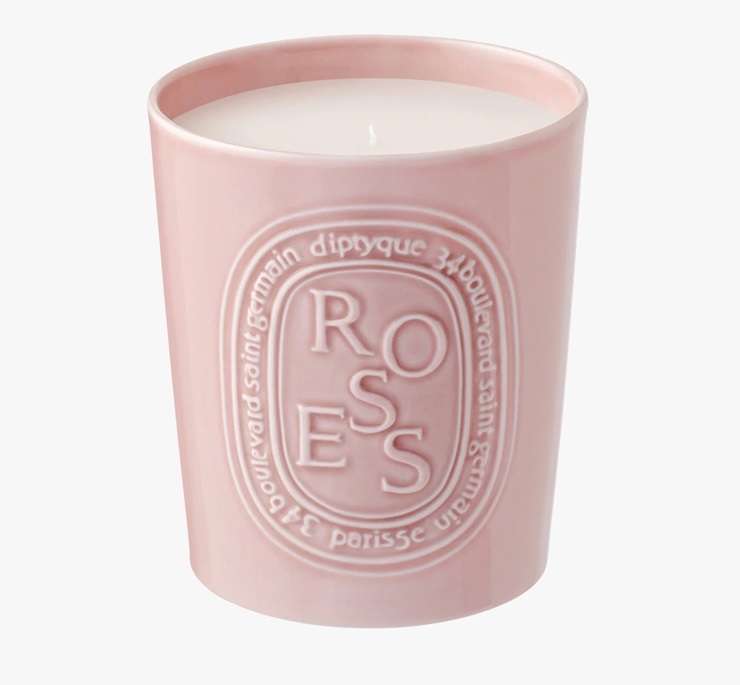
Mecca’s Diptyque candle costs $743 and promises to “capture the sweet scent of rose”. Photo / Supplied
“I think this is possibly one of the trickiest things for customers to navigate. Can you judge a candle simply by looking at it? Probably not.”
There are, however, some clues. Dekker suggests checking whether the wick is centred, looking for obvious imperfections in the wax, and seeing if the maker provides safety information, burn instructions and details about what the candle is made from.
She says a great candle comes down to how all the elements work together.
“A genuinely good candle is really a carefully created combination of wax, wick, fragrance, vessel, creation process and personal preferences.”
Caroline Springhall, head of marketing at ECOYA, agrees consumers should look beyond the packaging.
“For consumers, we’d recommend looking beyond the packaging and checking what the candle is made from. What wax is being used? What kind of wick?”
ECOYA candles have become a reliable staple in many homes and gift baskets because they tend to burn consistently, last well and provide a subtle, balanced fragrance. Among our favourites are Sweet Pea & Jasmine and Sandalwood & Amber. Guava & Lychee Sorbet is a bestseller with plenty of five-star reviews, although its sweetness may not appeal to everyone.
Does the wax matter?
Common candle waxes include soy, coconut, beeswax and paraffin, with each offering different characteristics.
Dekker uses a coconut-soy blend in Gold Collective’s ceramic bowl candles and locally sourced beeswax in its pillar range. She says blends are not necessarily a compromise and can often improve performance.
Among Gold Collective’s standouts are Black Raspberry & Vanilla, with notes of blackberry and vanilla musk, and White Sandalwood & Cedar, which combines lime, grapefruit and bergamot with a warm base of cedar, sandalwood and vanilla.
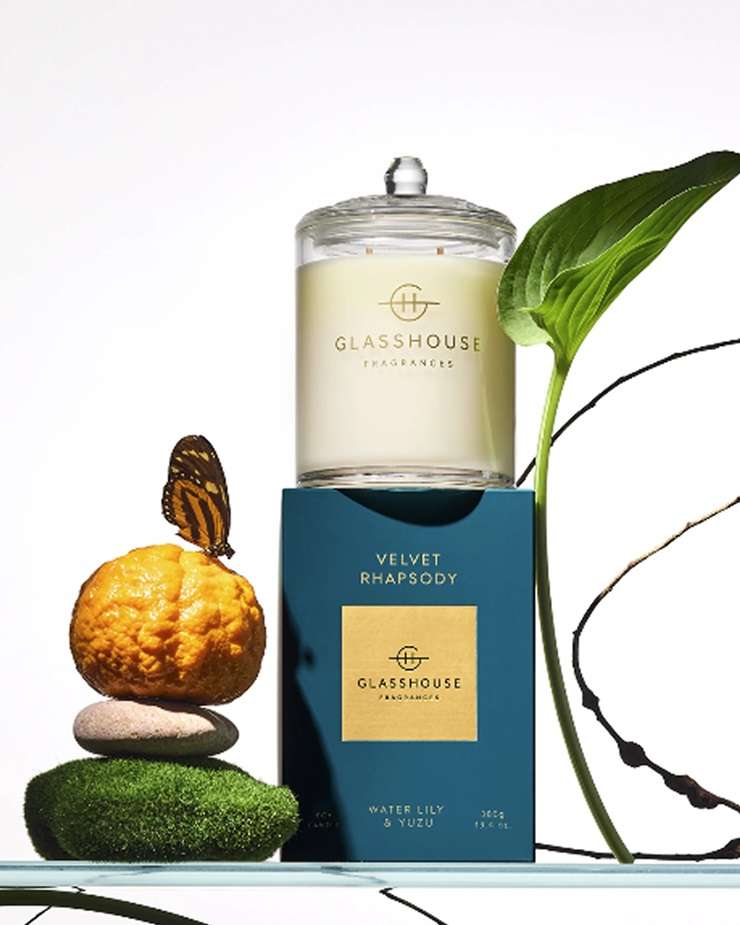
Glasshouse’s Velvet Rhapsody will set you back $54.95. It promises “aquatic florals and fruits in a secret garden after rainfall”. Photo / Supplied
The brand’s combination of natural wax and sustainably sourced wooden wicks also creates a pleasing sensory experience, producing a gentle crackle as the candle burns.
Gold Collective’s wax and wooden wick combination also makes the candle a complete experience, with the sustainably sourced wooden wick producing a lovely soft crackle as it burns.
ECOYA, meanwhile, has used natural soy wax since launching more than two decades ago.
Springhall says consumers should pay close attention to terms such as “soy blend” because they can indicate soy has been mixed with paraffin, a petroleum-derived wax valued for its consistency and ability to carry fragrance.
Dekker avoids paraffin because it doesn’t align with her business ethos.
“I don’t think there is one wax that can objectively be called ‘the best’ for every purpose. You may like to try some different options and see what your preferences are.”
So does expensive mean better?
“Price definitely doesn’t always guarantee quality,” Dekker says.
Consumers may be paying for premium ingredients, fragrance development, testing, small-batch production, ethical sourcing, superior vessels, branding or marketing.
“You’re not simply buying wax and fragrance; you’re buying the entire formulation, craftsmanship, testing, materials, experience and values behind the product.”
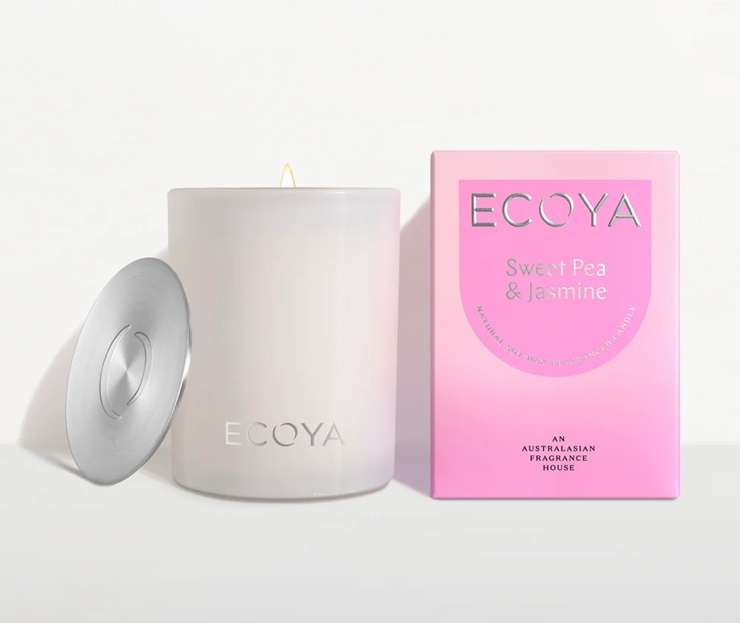
ECOYA’s Sweet Pea & Jasmine is a favourite. Photo / Supplied
She says much of the work behind a quality candle is invisible, including extensive testing of wick sizes, fragrance loads, wax temperatures and burn performance.
Springhall agrees that premium products still need to justify their price once they’re lit.
“A premium candle should deliver beyond the packaging. It should burn properly and fragrance the space beautifully and consistently.”
The brands we keep coming back to
Glasshouse and Amberjack are two other brands we consistently rate highly.
Glasshouse candles burn evenly and, in their larger formats, create excellent ambience. The vessels themselves are attractive, although prominent branding can make them less versatile if you plan to repurpose them. Some fragrances can be overpowering, and the brand’s seasonal marketing machine never seems to rest, with Halloween and Christmas editions appearing in quick succession.
That said, Velvet Rhapsody, Peony Rose & Leather and Kyoto in Bloom remain standouts.
Amberjack is another dependable performer. White Sandalwood is a favourite, while Whiskey in a Jar has become something of a modern classic and seems to appear in homes throughout the country.
The biggest mistake candle owners make
Buying the right candle is only half the equation. How you burn it matters just as much.
Both experts say one of the most common mistakes is failing to trim the wick. A wick that’s too long can create an oversized flame, generating smoke and soot.
“If a candle is producing a lot of visible smoke or soot, that’s a sign to extinguish it, allow it to cool and check the wick before lighting it again,” says Springhall.
The first burn is also critical. Both experts recommend allowing the melted wax pool to reach the edges of the vessel before extinguishing the flame. Blowing out a candle too early can cause tunnelling, where it burns down the centre and leaves large amounts of unused wax around the perimeter.
In our experience, cheaper candles from Kmart and The Warehouse were more prone to tunnelling and uneven burns despite following recommended burn times, highlighting how much formulation and wick selection influence performance.
Ultimately, though, Dekker says the best candle is the one that encourages people to slow down and enjoy it.
“Whatever you choose, be sure to put your feet up, pour yourself a lovely cuppa or a favourite glass of something, and settle in. Let the soft, flickering glow of the flame invite you to slow down, take a breath, and enjoy the moment.”