- House resale profits have shrunk since the Covid highs, with nationwide losses rising from 1% to 12%.
- Auckland and Wellington saw resale losses reach nearly 20%, with median losses over $70,000.
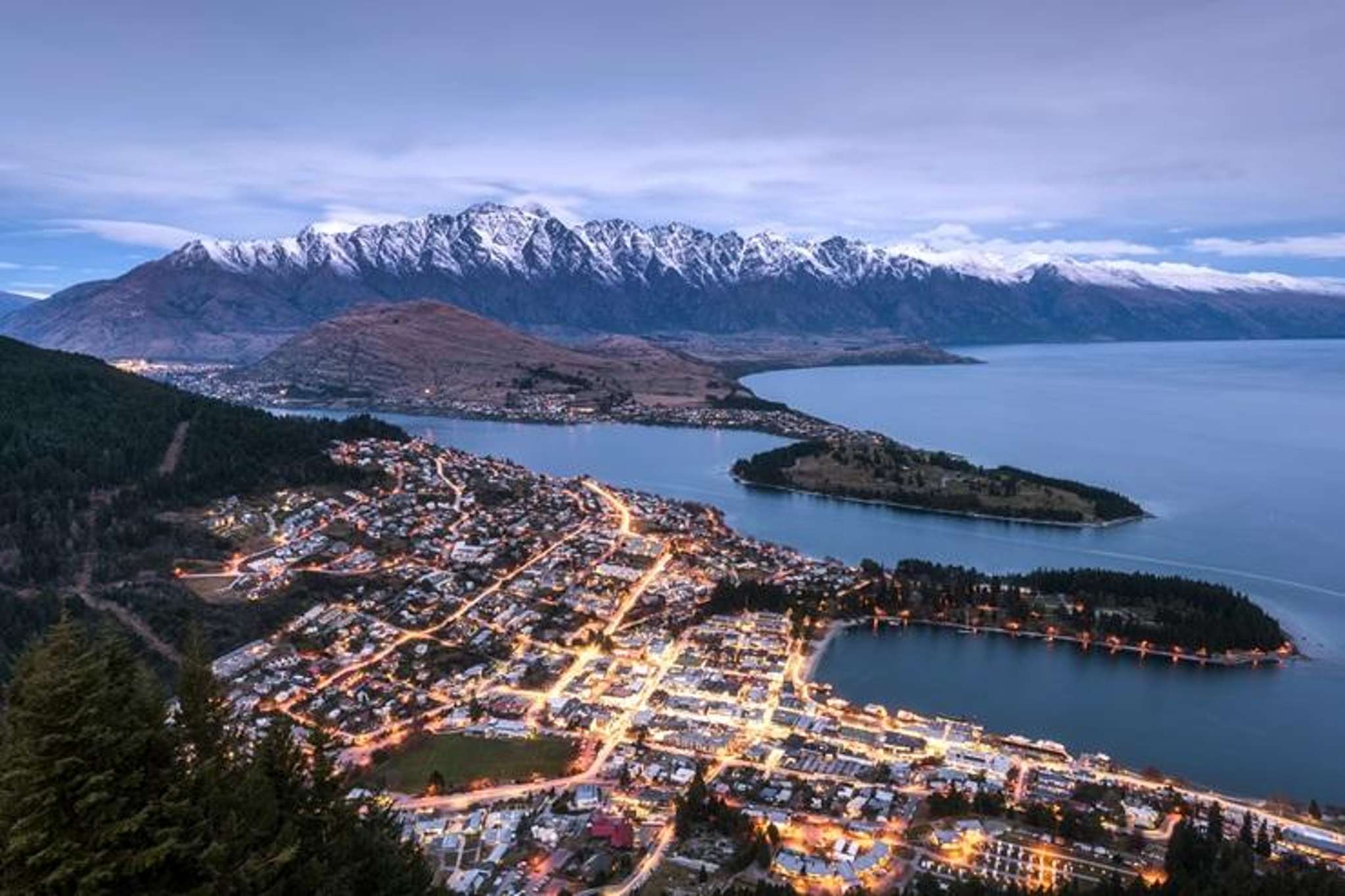
- Queenstown and Southland had the lowest share of losses, with Queenstown's median gain at $480,000.
Agents report widespread hurt among homeowners this year, even in areas like Christchurch, which escaped the worst of the house price slump.
Start your property search
OneRoof and its data partner Valocity analysed settled residential sales between 2021 and 2025 to see how many properties sold for a gross profit and how many sold for a gross loss. The research shows resale profits have largely shrunk after the giddy Covid highs.
The median gain for resellers nationwide dropped from $343,000 at the height of the post-Covid market in 2021 to $250,000 in 2025.
Auckland and Wellington were hardest hit, but some parts of the country did well – unsurprisingly, the country’s wealthiest town, Queenstown, did best, alongside Southland, with Canterbury and the West Coast also defying the slump.
The data shows, however, that the overall nationwide percentage of resale losses climbed from 1% to 12% over the five-year period, and the median loss quadrupled from $11,000 to $50,000.
Some homes gained substantially – such as a Herne Bay mansion which made an $11m profit, on the back of a nearly 10-year hold period.
A property in Whenuapai lost the most, down $4.5m on its sale price after an eight-year hold period, but Wayne Shum, senior research analyst for Valocity, said that could be due to landbanking having gone awry as the property was bought in 2017 before the town in Auckland’s north-west really took off.
“For massive development blocks sometimes, I wouldn't use the word gamble, but sometimes the infrastructure isn't there, or the council plan didn't go your way.”
Shum said in 2019, prior Covid hitting New Zealand, the housing market went up about 5%, making it a pretty standard year, but in 2020, the lockdown, the cutting of interest rates and the suspension of the LVR all played a part in the market's jump of 20%.
The next year, the market was up again and because of the lockdowns, people were spending up and many were casting their eyes to property.
“The market was a fascination for everyone and shot up throughout 2021 as well before it peaked in 2022, so three good years really compounded about 40% of growth.”
Not a lot of people lost money in housing in the good years, but after the market peak, there were some “really average, below par years” so this year, more people lost money on resale.
Auckland and Wellington saw the percentage of homes reselling at a loss reach almost 20% this year, compared to 2021, when the number was just 1%.
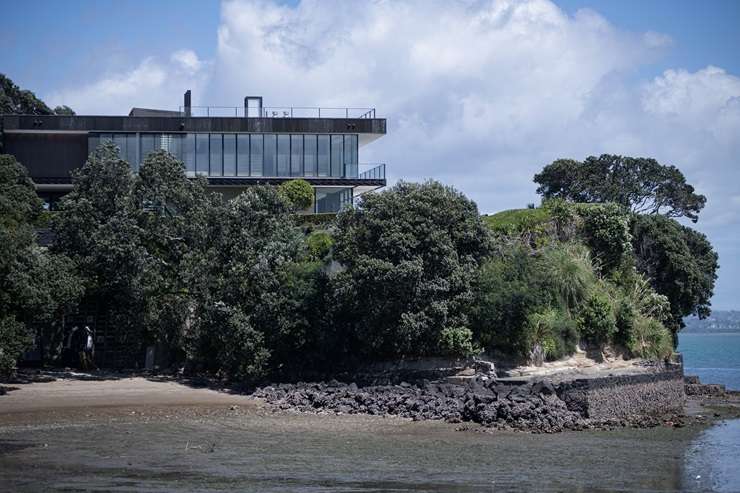
Rich-lister developer Ben Cook sold his Auckland pad on Herne Bay's waterfront for $35m this year. The gross resale profit of $11m was the highest this year. Photo / Alex Burton
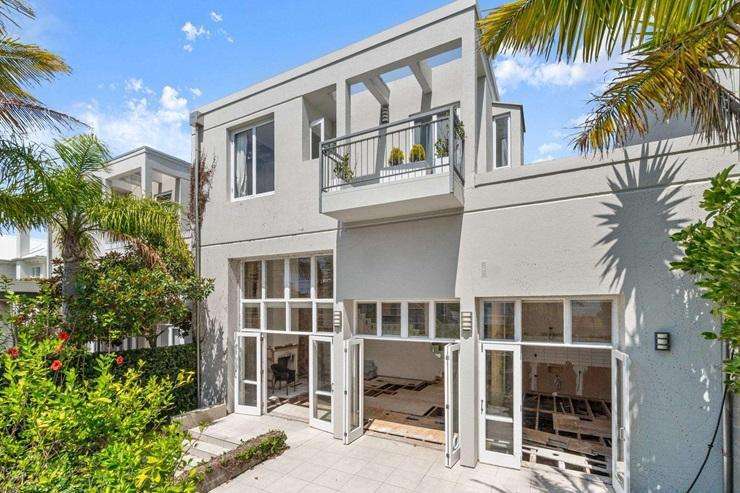
A three-bedroom townhouse on Wallace Street, in Herne Bay, Auckland, was sold “as is, where is” for $850,000 this year. The resale loss was over $1.4m. Photo / Supplied
The median resale loss was just over $70,000 for both cities, a far cry from the minuscule losses of 2021, and the median resale gain in both shrank by around 40% over the same period.
Shum says the numbers reflect in part the higher values of the country’s biggest cities, with Auckland’s average value today sitting around $1.25m while Wellington – one of the worst-performing metros since the 2022 market peak – is close to $1m.
Wellington underwent a huge boom, and then a huge bust: “Obviously, the public sector cuts didn’t help,” Shum said. However, he warned against interpreting losses too negatively, as most people were buying and selling in the same market.
“If you've got two kids and you want to upsize, well, you might have lost $30,000 on the sale, but the house that you're moving on to has also got cheaper as well.”

Valocity senior research analyst Wayne Shum: “Generally speaking, the longer you own the property, the more gains you're likely to realise." Photo / Fiona Goodall
Hold periods also counted, with the data showing the people who lost the most money tended to be selling around the four-year mark, meaning they had bought around market peak. “Generally speaking, the longer you own the property, the more gains you're likely to realise, subject to nothing bad happening.”
Developers who bought big sites in Auckland for “outrageous” money at the peak of the market, thinking they would put seven or more townhouses there, have found the turn in the townhouse market particularly challenging. “Those sites are worth less now. Some of them had to realise that loss.”
Other resales may have been impacted by the 2023 Anniversary Weekend flooding, Shum said. “If you come to 2025 and you jump on the council website, you see, ‘Oh, that now floods’. But five years ago that wasn't a concern for a lot of people.
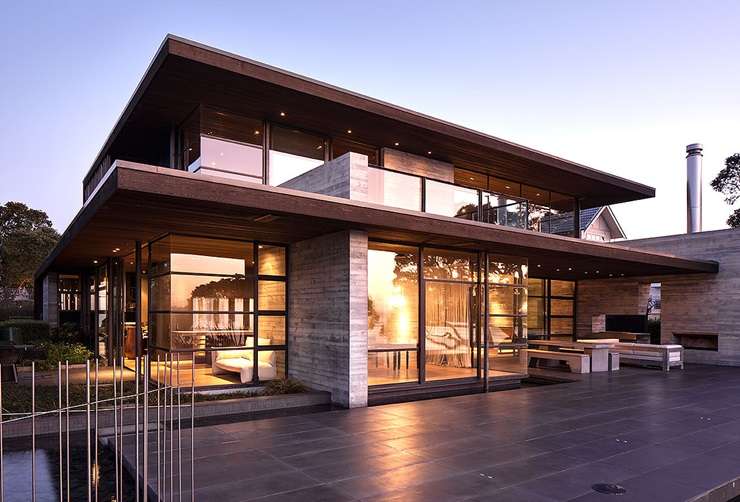
The former Auckland crib of movie star Jason Statham, a luxury build on Rawene Avenue, in Auckland's Westmere, sold for $28m this year. The gross resale profit was just over $10m. Photo / Supplied
“It’s very transparent now. You can argue ‘It's never flooded here’ - yeah, it's never flooded here for you, but the council has tagged it as such.”
Bayleys Remuera agent Steve Koerber said he had noticed Auckland resale prices down in areas deemed flood-prone, and the stigma was there for cliff-top sites as well, although history showed memories faded over time and the market would probably return to normal.
Koerber also said he had observed “quite a few” people in the suburb taking lower prices than they may have paid for the property in 2021 or 2022. “There was one that we sold just recently in the $2.4ms, and the owners had been offered, I think, in the $2.5ms around 2022 and didn't take it then.”
The owners waited, then realised the market was not as good and were willing to accept the lower price.
Wellington
In Wellington, life has been tough for homeowners, though Ben Castle, CEO of Tommy's Real Estate, thinks the capital is through the worst.
Wellington climbed to historical heights, then faced a huge correction, which had probably gone on for longer than expected, he said. “I think if you've owned a property for a long period of time, maybe 12 or 15 years, you would probably be on the positive side of things. If you were transacting in the last four or five, there's every chance there could be a loss with it.”
People did not exactly pay over the odds for properties at the peak, as that was the market value at the time, and Castle says the pandemic and the economy played into buyer behaviour.
The OCR was cut with money “really pushed out the door”, so people had the ability to spend more and borrow more, encouraging a hyper boom, which saw people paying more for a property just to get in.
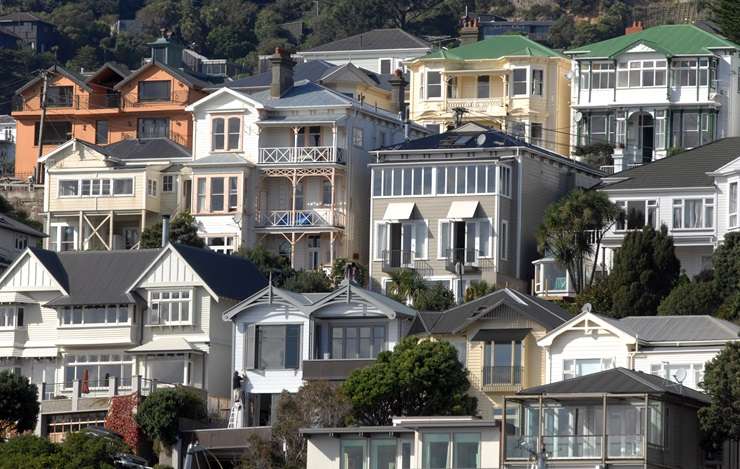
Wellington homeowners who bought at the height of the market have felt the full impact of the slump. Photo / Getty Images
“We had people buying sight unseen who were returning from overseas after Covid. People were so uncertain whether we were going to have another Covid again, so in 2021 people are still thinking, ‘What if we go into lockdown again and we don't have a house and I'm coming home, so I just want to secure that first.' That created the competition, which created, for lack of a better word, mania.”
The swing from high to low had never been seen before, and that took time to climb out of, and Wellington, being a government city, had also felt the Coalition’s restructuring of the public sector the most and had seen a lot of pain. “There are over 10,000 fewer people here in Wellington who would normally be working and have employment.”
That was tough not only on the people who lost their jobs but also impacted other sectors like retail, hospitality, offices, landlords and more: “The tail is quite long around the impact of where it actually impacts.”
Castle thinks the city is through the long slog, saying there is more positivity. Median days to sell are down, and the upside of the slump is that people with a budget of around $800,000 were able to look for something closer to the city rather than having to buy way out on the fringes.
Hamilton
In the Waikato, Hamilton saw its median gain decline over the five years, from $349,000 to $230,000, with the median loss sitting at minus $45,000. Aaron Davey, principal/managing director for LJ Hooker says when people buy and sell in the same market he would not use the word loss.
“If their property has come back 10% whatever they are buying has come back 10% as well so I don't view it as selling at a loss.”
That went for properties bought during the Covid highs, which may have sold for less than the money paid, as those people tended not to exit the market but rebuy, so even if they got less than they paid, they were also buying for less.
Discover more:
- NZ’s most viewed homes of 2025 - Bachelor sweethearts v Block heroes
- Disgraced dentist's Auckland home fetches $880,000 at mortgagee auction
- Christian couple’s life-size ark finally sells after getting $1.5m price tag
Hamilton’s market was on the up, according to what was happening on the auction room floor, Davey said.
“If you look two years ago, of course, almost nothing was selling under the hammer, but now we're seeing a lot more properties selling under the hammer, and we're also seeing more pre-auction offers being accepted as well, so there's a little bit more urgency from the buyers not wanting to wait till auction.”
Hamilton, for the third year running, was the fastest-growing city in New Zealand, and that was going to put pressure on housing, leading to good market activity.
People were coming for job opportunities, or to get out of Auckland and buy something more affordable, he said.
Tauranga
Tauranga had not escaped the slump, with Mark Leach, general manager Bay of Plenty for Eves Real Estate, saying there had been a gradual decline since the Covid boom but that the city was now flatlining, which was positive as it was creating stability.
Stability brought peace of mind for homeowners on the back of a lot of suffering, especially among those who bought at the peak of the market.
“I know just getting around and talking to a lot of our team, some of them will make comments around ‘I did this appraisal and the vendor paid X for it, but it's not valued at that now’.
“So, yes, in short, unfortunately, we are still seeing some of those homeowners who need to sell and are losing money compared to what they paid.”
If people can hold on, they should, Leach says, saying there is light at the end of the tunnel and they are seeing that light now.
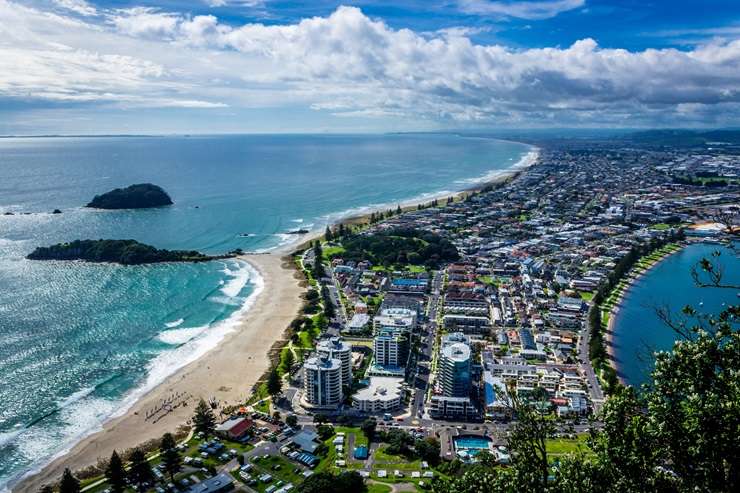
Mount Maunganui saw some record sales this year, but resale profits aren't as high as they were during 2021. Photo / Getty Images
“It's actually really interesting because some pockets of town, like Papamoa, it's going ridiculously well at the moment and it's probably in your $800,000 to $1.2 million price bracket.”
People wanted the coastal lifestyle with access to schools and the beach, and Papamoa now had a strong family vibe.
The peninsula suburbs of Otumoetai, Matua and Bellevue were also in high demand due to schools and easy access to both the CBD and beachside Mount Maunganui, but other areas were struggling, such as Omokoroa, another peninsula that was further away. “If you're retired and your life is out there, happy days, but if you're trying to commute into Tauranga city, you're sitting in queues of traffic.”
The market around Mount Maunganui was solid, but prices were so high that many people had been priced out – but that was Papamoa’s gain because people with a budget around $1m could break in there, and outside of traffic, it was only 15 minutes away.
Christchurch and West Coast
Christchurch and West Coast
Down south, resellers in the West Coast, Canterbury and Christchurch defied the slump, with median resale gain in all three areas in 2025 higher than what it was in 2021.
According to the data, the increase for Canterbury and Christchurch was around 5 to 7% while in the West Coast the jump was over 40%, from $113,000 to $160,000.
But Cameron Bailey, from Harcourts Gold in Christchurch, said even if Christchurch had performed better than elsewhere, there was still much suffering, and prices had been stagnant for the last few years.
“We're certainly still selling a lot of houses for people who bought in 2021, and they'll be struggling to get their money back. 2021 is kind of a benchmark of when you bought a house - it's challenging to get your money back.”
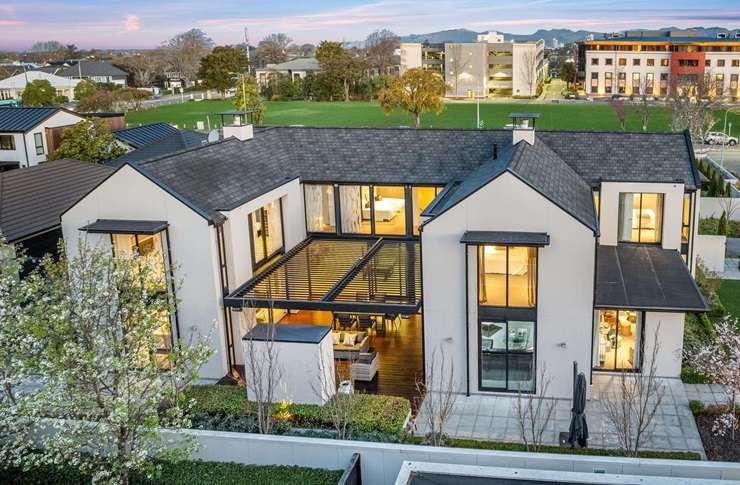
A luxury home on Circuit Street, in Merivale, Christchurch, fetched $4.3m in October - $1m less than what it sold for in 2022. Photo / Supplied
Christchurch had been so undervalued after the earthquakes; there had been a lot of catch-up going on, and some sales had probably gone up, but people paid over the odds in Christchurch in the Covid boom, just as they did across New Zealand.
Bailey had seen little in the way of gains, saying the market had been fairly flat since 2021, but he was now seeing more optimism in the market.
“There's a real feel that we're through the worst of it and coming out the other side, although we're not thinking prices will go up for another year or so.
“There's too much pain out there. Interest rates have come down, but we've seen that interest rates coming down did not affect prices whatsoever.

Harcourts Gold agent Cameron Bailey says there's a feeling that Christchurch is through the worst of it. Photo / George Heard
“The interest rates have halved in the last year, and prices haven't gone up. The cost of living is still really expensive, rates have gone up, insurance has gone up. It's definitely got better, but we're not out of the woods yet, and the economy is still pretty depressed, which is why they keep doing these rate cuts.”
In the West Coast, Deedee Daly, of Greg Daly Real Estate, said the Coast was doing well because of the affordability factor. “You can get a very nice house for $500,000, whereas other areas are a lot more expensive, so people are moving to the coast for cheaper living.”
“We’re getting a lot of new, young families moving to this area. A lot of them are to come and work at the hospital, which is great.”
Among them were new residents from countries like India, but because rentals were tight, they were buying instead, and people were also coming from other places in the South Island, such as Blenheim and Nelson.
“The prices are more expensive than they were two years ago, so they've gone up, but now they've sort of plateaued; they're not going up and up still. It's just holding its own.”
Dunedin
Over on the east coast, Dunedin’s median gain fell from $335,000 to $239,000, but the median loss of $30,000 remained the same in 2021 and 2025.
Chris Maclean, managing director of Bayleys Dunedin, said there had been an overarching feeling of stability in the market there for a while in a city that tended not to have wild swings.
“I don't know if because our median price is lower even in troubled times mortgages are easier to maintain, or perhaps we're a bit Scottish and don't like selling at a loss, or what the actual story is, but we've had a sort of stable and reasonably balanced market for a couple of years now.
“This year has been better than last year in respect of the number of transactions. It's a balanced market where purchasers are lining up to purchase but will walk away, and vendors who are on board to listening to market feedback, and those who are realistic are selling, so in that respect it's been a good market.”
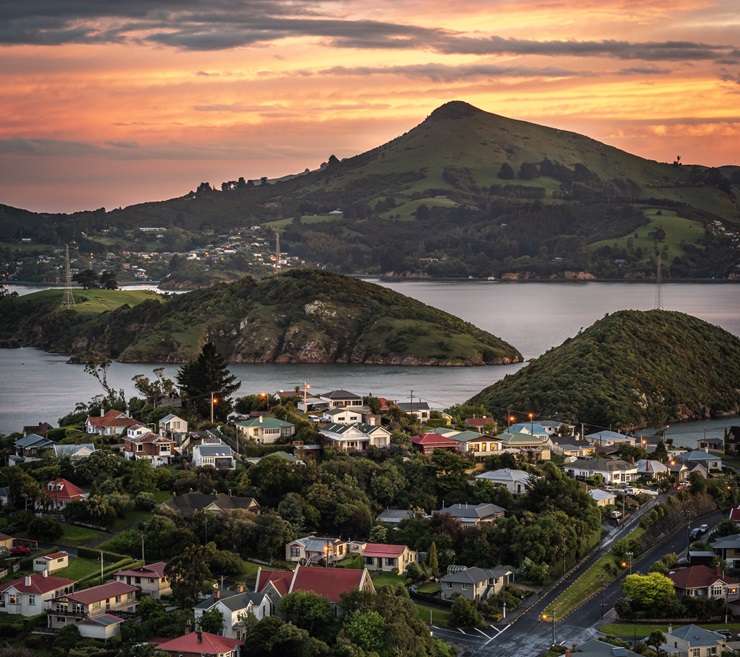
Dunedin's median resale profit has fallen from $335,000 at market peak to $239,000 in 2025. Photo / Getty Images
Dunedin was like a big village that was “gloriously small, and everyone knows everyone”, but with some well-paid jobs, especially around the hospital and university. “We have that ability to have some of that income of an even bigger city in some sectors, but we're still a really affordable housing market," Maclean said.
“I think the stability comes from that even if there's a job loss or a downgrade one income might be able to service the mortgage, where we hear anecdotally of first home buyers in Auckland with mortgages that are 50% higher than our median sale price.”
The median sale price was just over $600,000, and that bought a pretty nice house, Maclean said.
Towns in the southernmost part of the country did the best, with resellers in Queenstown-Lakes and Southland the least likely to make a loss.
Both locations boasted the lowest share of losses at 3%, though there is a stark difference between the two when it comes to the scale of profits enjoyed and losses endured.
Southland and Queenstown-Lakes
Southland and Queenstown-Lakes
In Southland, the median gain was $198,500, and the median loss was $16,500 but in Queenstown-Lakes, home to some of the most expensive homes in the country, the median gain was $480,000 - that's the highest nationwide for 2025, even if it was down on its peak of $570,000 in 2022 – and the median loss was $104,000.
Hughie Brierley, of Todd & Co, in Southland, said it was unusual for people to sell at a loss in Invercargill, which had solid employment and reasonable prices compared to other cities of the same size. “The weather can be a bit harsh [in winter], and that's the only downside really.”
Average growth in the 26 years he had been selling was a little over 8%, making the town a good investment and surviving because of its steady employment and boosted by a rural community doing well as well as the aluminium smelter.
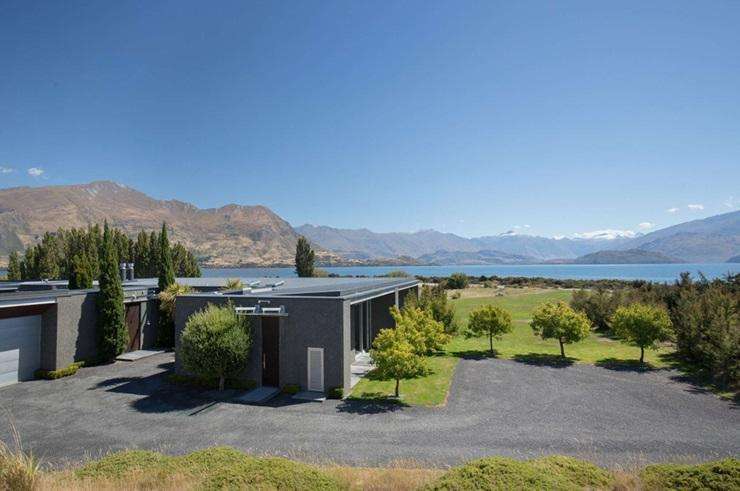
A trophy home on Beacon Point Road, in Wanaka, was snapped up in April this year for $14m. The gross resale gain was over $9m. Photo / Supplied
Unlike Auckland, where it might take three people to pay a mortgage on an unaffordable home, houses in Southland were well-built and well-priced, he said.
“I think the median is looking somewhere around $481,000 this calendar year. For your first-home buyer you can buy a pretty tidy three-bedroom home for around $450,000, and that's a great start.”
Brierley describes the town as New Zealand the way it used to be, with the quarter-acre dream still available and the ability to drive across town in rush hour in 15 minutes.
Over in Queenstown Lakes, Hamish Walker, from Walker & Co, said Queenstown had been on the up prior to Covid, but Covid definitely helped the housing market.
“You see sort of a flight to quality as the market’s been tougher in New Zealand in the last five years, and the demand just keeps on going for Queenstown," he said.
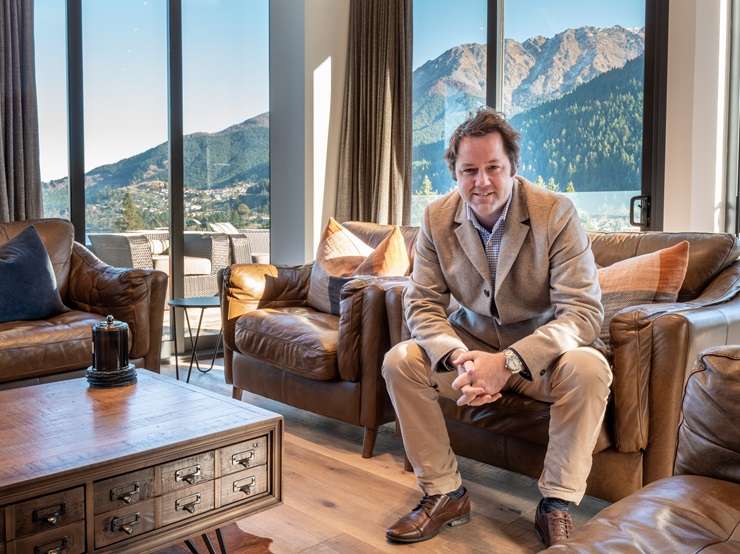
Walker & Co owner Hamish Walker has sold $100m worth of property in Queenstown-Lakes this year. Photo / Supplied
“I think I sold another $100 million in Queenstown this year alone. I think that demand will only keep going, and then if you look at the growth and the people that are viewing the homes on the website and the foot traffic.
“There's a huge amount of growth in the last few months from America, Australia and also Singapore because people in Singapore know that the rest of the world is going to be able to buy into New Zealand.”
Walker was not surprised the tourist town had little in the way of resale losses, saying not only did people want to move there, but Queenstown had a cap on land supply because it was surrounded by mountains.
The small resale losses seen probably came from Jack’s Point, where he says around 12% of homes last year were selling at a loss. The market there had increased about 50% from 2019 to 2021, but then dropped a “huge” amount.
Auckland buyers, who make up a big part of Queenstown’s market, had not been active because they had been finding it hard to sell their Auckland properties, only really starting to transact again midway through last year.
Walker said he had only dealt with one sale where people had bought during the Covid high and who lost resale value when they resold: “That's one out of a few hundred that I've sold over the last few years.”
He said that’s partly because people who can afford a $5m property were not usually in a position of having to sell and will sit and wait for the right buyer to come along.
- Click here to find more properties for sale