
- New rental laws make it harder for landlords to refuse tenant pet requests without a good reason.
- The Residential Tenancies Amendment Act 2024 introduces a pet bond up to an extra two weeks’ rent.
- Uncertainty remains about what is “reasonable”, with expected test cases at the Tenancy Tribunal soon.
Life should be easier for Kiwi tenants with pets as new rental laws covering animals take effect from today.
Start your property search
The long-awaited policy change will make it harder for landlords to refuse tenant requests for pets without a good reason.
However, what exactly is “reasonable” remains unclear, and property managers and investors expect some test cases to end up before the Tenancy Tribunal very soon.
Under the Residential Tenancies Amendment Act 2024, tenants can seek permission from their landlord to have a pet. Requests have to be made in writing, with landlords given 21 days to respond.
The act aims to mitigate any risks by introducing a pet bond (up to an extra two weeks of rent). The bond cannot be applied retrospectively to tenants who already have approval to keep a pet; it only applies to new animals.

Ray White group head of property management Zac Snelling says the change is a positive one. Photo / Supplied
Ray White group head of property management Zac Snelling told OneRoof there might be a sudden rush of applications from December 1. “What we are having to let [landlords] know is before Christmas, you might have a pet request, and you are going to have to let them know before Santa gets there.”
While the new rules prohibited landlords and property managers from saying no without cause, they would still need information from their tenants about the type of pet and how it would be housed.
Snell told OneRoof: “Before we say yes, we just need to kind of get the clear picture of what the tenant was after, how they are going to look after it.”
Discover more:
- Historic chapel for sale after lengthy court fight and $7m-plus restoration
- Wellington’s most photographed home shoots past its $2m guide price
- Check out the urinals! Home with the ultimate party conversation starter
Landlords, he said, would want to know if the animal required a fenced property or if the breed of dog was classed as dangerous or menacing or was a breach of body corporate or local body bylaws.
“Every request needs to be taken in the context in which it has been given,” he said, adding that there was a lot of scope for interpretation. For example, declining a pet because it might mark the wooden floors or set off allergies could be seen as both reasonable and unreasonable.
“There’s a lot of grey with this,” he said, noting that once tribunal decisions start to come through, people would “get a better idea of what is reasonable and what is not”.
Snelling said similar laws had already been introduced in Australia and the results had been positive. “It’s just creating a landscape where tenants can kind of settle into their home. For landlords, that shouldn’t be feared, because they want long-term tenancies. If you have a great household – couple, family, single person, whatever – and they are allowed to paint their bedroom and have a cat and that means they are going to stay for six years, then I think everyone wins.”
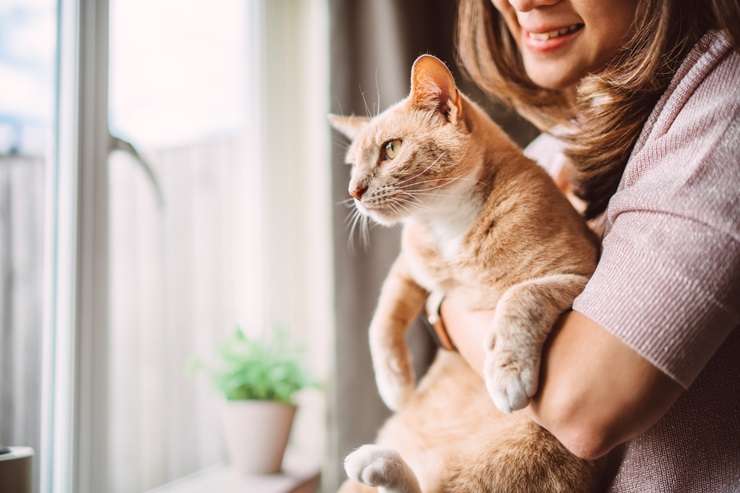
Renters now have the legislative support for having a pet, with landlords unable to decline requests without a good reason. Photo / Getty Images
Harcourts Hamilton Rentals managing director Melanie Rouse said having to stump up an extra $1000 for the pet bond could put people off making the request, especially in the current cost-of-living crisis.
“It’s a move in the right direction for people because obviously there are lots of tenants who rent for a long time, and people want pets. But I don’t necessarily think there’s going to be a mad rush.”
She believed most landlords should and would require a pet bond of two weeks as part of the condition of allowing a pet in their rental property. “There’s so much damage a pet can do. It’s an insurance policy for landlords, really.”
Ministry of Business Innovation and Employment head of tenancy Kat Watson said the new pet consent rules had been drafted to encourage every landlord and tenant to have a “common sense” conversation about pet requests.
“That’s the sort of thing that the legislation intends. That everyone looks at the specific example being put in front of them. I think most people are reasonable enough to know that owning a pet doesn’t make you a careless tenant.”
However, Watson said there were some “edge cases”, which would likely end up at the Tenancy Tribunal “to give people a little bit more clarity”.
The Ministry of Housing and Urban Development said the new rules would make life much easier for renters, as well as victims of domestic abuse who might otherwise remain in relationships to look after their pets.
NZ Property Investors Federation spokesperson Matt Ball said landlords had mixed views about the changes, which would see more pets in rentals.
Some were already supportive of it, having pets themselves or because they found it helped longer-term tenants, while others lacked experience with pets or had negative experiences and were not happy with the new rules, he said, adding that the federation had issued a guide to the new rules.
“Many landlords are on the fence, waiting to find out exactly how the new rules will work in practice. Hopefully they’ll work well, but we won’t know until the law has been live for a while.”
- Click here to find properties for rent