- Most Kiwi homeowners set for new RVs in 2026 won’t see significant drops, OneRoof data suggests.
- Property values have risen in 19 districts, with notable increases in Tararua, Westland, Clutha, and Mackenzie.
- Experts say the market has normalised, with RVs often higher than actual market values.
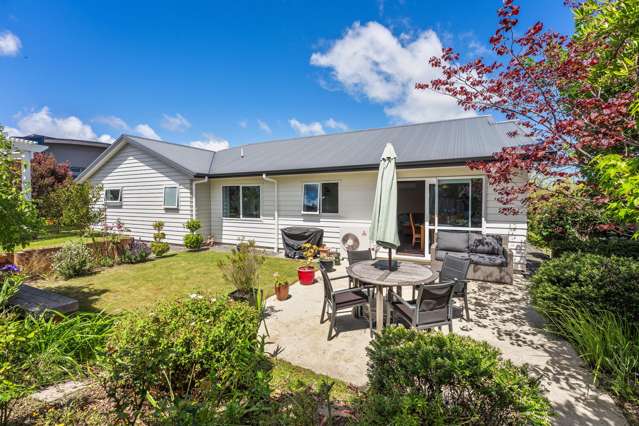
The majority of Kiwi homeowners in line for new RVs in 2026 are unlikely to suffer big drops, new OneRoof data suggests.
Start your property search
Experts predict the housing market will be more normalised and “sensible” this year, but note that the new rating values in 2026 will largely depend on local economic conditions, interest rates, population shifts, and new housing supply.
And real estate agents told OneRoof that some buyers were still using rateable values as a price guide, but warned that it all comes down to what the market was prepared to pay.
In New Zealand, rateable values (RVs) are reassessed by local councils every three years to help determine each property owner's fair share of the total rates bill.
Twenty-three territorial local authorities, including Invercargill, Napier, Rotorua, and Tauranga, are due to carry out and issue new RVs over the next 12 months. Christchurch homeowners will also get new RVs this year, with the council there having assessed values in the city in August 2025).
OneRoof and its data partner Valocity analysed the property values in all 24 authorities and charted their change since the last RV assessment, around three years ago. The average property value in 19 districts had risen, with the biggest leaps in Tararua (+18.99%); Westland (+13.76%); Clutha (+13.42%); and Mackenzie (+11.88%).
The average property value in five districts had dropped since the time of the last RV assessment: Waikato (-0.27%); South Wairarapa (-2.34%); Rangitikei (-4.39%); Carterton (-4.98%); and Ruapehu (-7.53%).
There was next to no movement in the average property in Napier, while Christchurch property values had risen 1.31% between assessment dates.
Valocity senior research analyst Wayne Shum said the property market had already peaked and values had "come off the boil" for most of the 23 districts that issued RVs in 2023.
Discover more:
- Tiny Southland town where houses cost less than $200,000 and everyone is welcome
- How much money has your suburb made? Housing market's biggest winners and losers of 2025
- NZ's most stylish real estate agents: How they get their look, what they spend on clothes
“So we are not anticipating enormous movement in rateable values next year,” he said, noting that 2025 had seen big drops in the RVs issued to homeowners in Auckland and Wellington.
QV National spokesperson Andrea Rush said it was important to remember that rating values were a “snapshot in time”.
“While these districts are not due for their formal revaluations until 2026, Valocity’s estimated figures reflect the market movements that have taken place since their last rating valuation cycle,” she said.
Rush said many lower South Island districts had outperformed other parts of the country in the past few years.
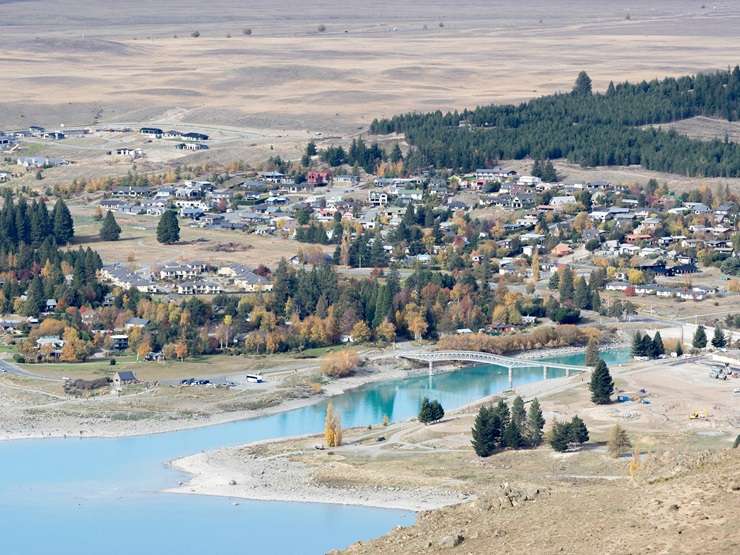
Lake Tekapo in Mackenzie district. Property values in Mackenzie have risen over 11% since RVs were last assessed in the district. Photo / Getty Images
“In Clutha, rising demand for lifestyle properties and character homes, particularly from out-of-town purchasers seeking more affordable options within reach of Dunedin Airport and Queenstown, has been a key driver.”
The Mackenzie District, she said, had benefited from its proximity to Queenstown Lakes, one of the country’s most resilient markets.
“While Auckland and Wellington home values remain around 20 to 30% below the previous nationwide peak, Queenstown Lakes is now more than 18% above it – a remarkable divergence that continues to draw demand into neighbouring districts.”
The West Coast of the South Island had also experienced steady buyer demand this year and an upward trend in values, she said.
“Property there remains some of the most affordable in the country, providing a lower entry point for purchasers.

Valocity senior research analyst Wayne Shum said house prices had already "come off the boil" when the last RVs were assessed. Photo / Fiona Goodall
“While sales volumes tend to be smaller, which can make the figures a little more variable, the overall trend in Westland has been one of gradual improvement, supported by reasonable demand across a range of price brackets.”
Rush said most districts across the North Island have experienced a downward trend in residential values since the market peak in early 2022.
“Some districts that saw strong value escalation during the Covid period have since softened as interest rates rose, affordability constraints set in, and buyer demand became more subdued.
“Local economic factors, smaller sales volumes, and differences in housing stock can also influence the estimated figures.”
Rush said the Wairarapa markets have reflected the strong downward trend seen in Wellington, where home values were down as much as 30 per cent in some areas since the previous nationwide peak of January 2022.
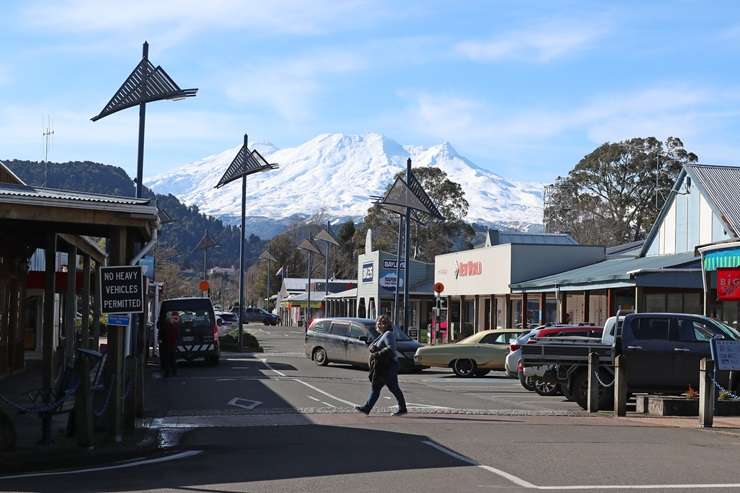
Ohakune in Ruapehu, where property values have fallen sharply since 2023. Photo / Bevan Conley
“Many Wellingtonians have holiday homes in the Wairarapa, and recent economic uncertainty, particularly cuts affecting the public sector, has also influenced housing demand across the wider region.”
Ruapehu recorded some of the more noticeable declines since the peak of the market. “A run of patchy ski seasons, the collapse of Ruapehu Alpine Lifts, and the temporary closure of the Chateau created a period of instability for the area,” she said.
“Over time, this increased certainty should help support confidence in the local property market.”
Bayleys Hawke’s Bay residential sales manager Sally Jackson said some people still used RVs as a price guide. “But it’s not until you start hosting open homes and viewings with serious purchasers that you can see the true market value at that specific point in time.”
James Macpherson, principal of Bayleys Hawke’s Bay and Wairarapa, said in most cases the RV can be significantly higher than the market value, particularly after the flooding and high interest rates.
“The thing about RVs is that people cling to them if they are nice and high but are dismissive when they are too low,” he told OneRoof.
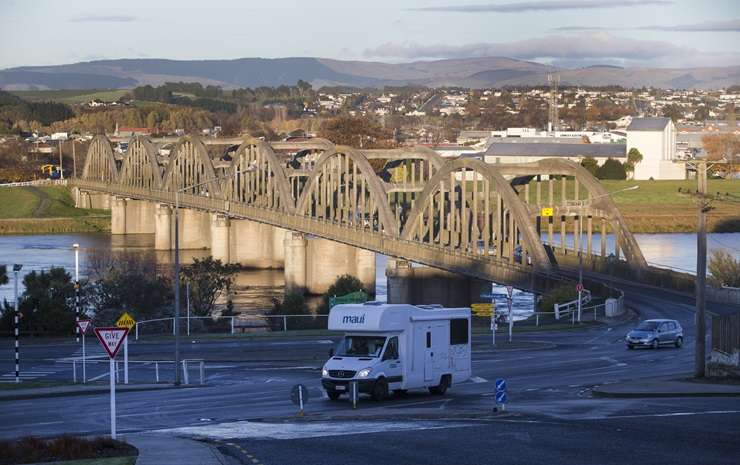
Balclutha, in South Otago, is widely viewed as an affordable place for property. Photo / Mark Mitchell
“Most RVs, including the rural sector, are very optimistic and based on what was happening in a very different market place.”
Macpherson said the property market had normalised since Covid-19 lockdowns in 2021-2022 and most properties were selling below RV. “But we have seen some seriously good deals. We are seeing a really healthy level of trading across all sectors,” he said. “I think we are seeing a very sensible market.”
Property Brokers Balclutha sales consultant Kim Strawbridge said RVs came down to whether a property was worth the investment, including considering any maintenance required on the home. “People are using RVs as a gauge,” she said.
Strawbridge said Balclutha was an affordable place to live, and she did not believe the RVs needed to rise, given the current cost-of-living pressures.
Balclutha, she said, was attracting both out-of-towners and locals, who were either looking to upgrade, or farmers wanting to move closer to town. “Some are even buying sections unseen,” she said.
A spokesperson from Ruapehu District Council said rateable values help determine how rates are shared across all properties. “They do not change how much total rates council collects. They only change a ratepayer’s ‘slice of the pie’.”
The spokesperson said Ruapehu was a large rural district with a number of small townships. “We have pockets of wealth, but on average, high deprivation levels. Around half of our ratepayers are normally resident outside the district. This pushes up average incomes notably in Ohakune.”
Lower rateable values can ease the rates burden on affected households and improve housing affordability, the spokesperson said.
“Hopefully, more people may be able to buy their own home, or people will choose to cash up and move to Ruapehu for the amazing lifestyle opportunities.
“On the flip side, lower house values can also reduce household wealth, weaken investor confidence, and shift more of the rates load onto other ratepayers.”
- Click here to find properties for sale