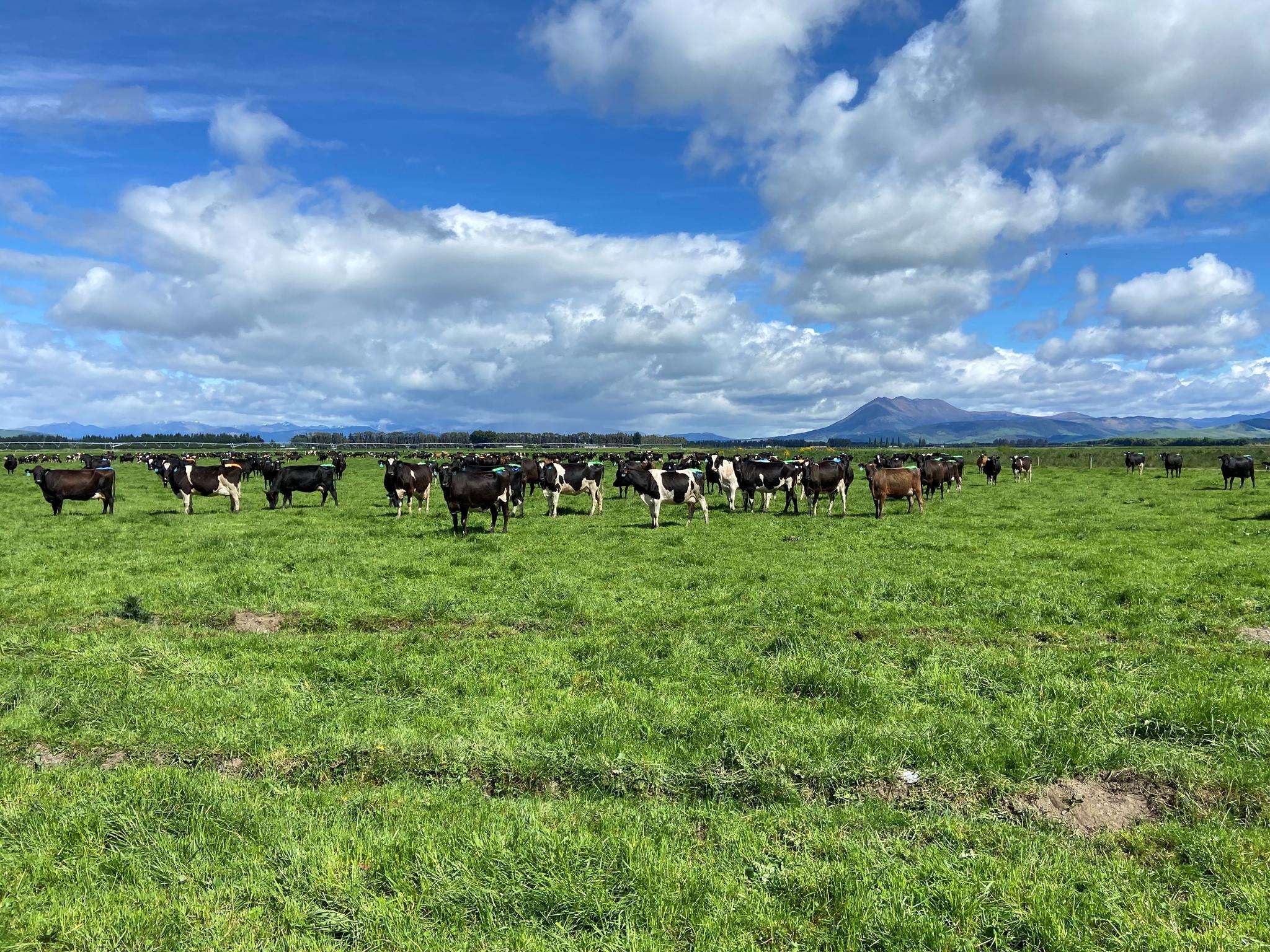
The New Zealand dairy sector remains a cornerstone of the economy, contributing $27 billion in export earnings in the year to June 2025, according to a new report published by the Colliers Rural Valuation & Advisory Services team.
This strength is now reflected in the rural property market, with dairy farm values climbing and transaction volumes rebounding after several subdued seasons.
The 2025 New Zealand Dairy Property Market Report revealed that in the 12 months to 30 June 2025, 202 dairy farms over 50ha sold on the open market for a combined $1.24 billion – almost double the previous year’s total.
The average sale price rose to $6.12 million, up from $5.16 million in 2023/24, while the average size of those farms that sold increased slightly to 169ha.
Start your property search
Canterbury recorded a sharp uplift in values, with average prices per hectare reaching $50,082 in the 2024/25 season, compared to $39,308 the previous season.
Several A-grade farms achieved prices above $60,000 per hectare – levels previously unseen in the region, although now surpassed by early market activity within the current 2025/26 season, including a record sale at $87,240 per hectare.
Southland also posted strong results, with 32 open market sales totalling $246 million and an average price of $34,000 per hectare.
Off-market transactions are becoming increasingly common in both regions, reflecting heightened demand and a preference for discreet negotiations.
Greg Petersen, Director of Rural Valuation at Colliers and a contributor to the report, says the resurgence in dairy is underpinned by a favourable milk price outlook.
“Fonterra confirmed a final 2024/25 Farmgate Milk Price of $10.16 per kgMS and forecasts a midpoint of $9.50 for the current season.
"Lower interest rates, with the Official Cash Rate now at 2.25 per cent, and an improved lending environment have further boosted buyer confidence,” Petersen says.
“The anticipated $2 per share capital return from Fonterra’s divestment of its consumer brands is expected to inject additional liquidity into the market.
“Farm working expenses, which surged during the pandemic, have stabilised, easing pressure on margins. Combined with strong milk payouts, this has created a profitable environment for operators and investors alike.”
The report also notes that Waikato and Bay of Plenty accounted for 28 per cent of aggregate sales value, with an average price of $39,310 per hectare.
Taranaki saw notable gains, with average values climbing to $45,329 per hectare.
In contrast, West Coast farms remain the most affordable, averaging $18,725 per hectare, appealing to new entrants and sharemilkers.
Colliers expects continued strength through the 2025/26 season, particularly for well-located farms with modern infrastructure and proven production history.
While international buyers remain largely absent, potential changes to overseas investment rules could deepen the pool of purchasers for larger-scale assets.
“For now, the fundamentals remain robust and strong milk prices, easing costs, and renewed confidence are driving a buoyant market for New Zealand dairy farms,” Petersen says.
- Supplied by Colliers