- Banks track spending habits, including credit purchases and gambling, affecting home loan approvals.
- Andrew Chambers advises cleaning up bank statements and saving before applying for a mortgage.
- Chambers warns against easy consumer credit and urges increased savings and cautious debt management.
Banks see “everything”, says Tella mortgages CEO Andrew Chambers, from a $70,000 Tesla bought on credit to how much – and how often – people spend at the TAB, or on Tinder, or Buy Now Pay Later, or Shopify, or Temu, or on a gaming app, or at the pub.
Start your property search
His big message is for people to clean up their bank statements before going for a home loan, saying advisors often spend three to six months just getting them ready.
“It's not just about tidying up their spending but also about the difference that these extra months of savings can make to their deposits.”
People never save more than when they are head down saving for a home deposit, he says, but New Zealand also has a major spending habit, which is well supported by access to easy credit: “Think BNPL and car loans. Every Shopify website has a credit option.”
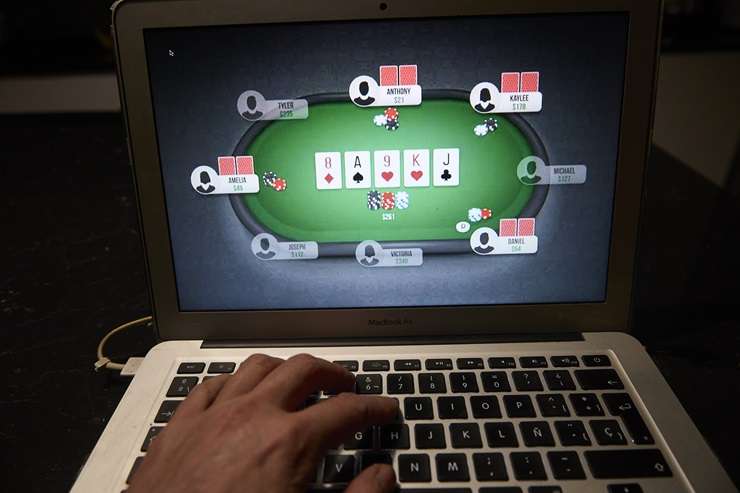
Online gambling and purchases made on credit are red flags for the banks. Photo / Getty Images
Financial advisers these days have to have a dollop of counselling skills to help people through what can be an emotional time.
What often sinks it for buyers is when red-flag spending shows up on their bank statements. “Even stuff as simple as, ‘I want to increase my lending but I've just gone out and bought a $70,000 Tesla on credit,’ and it's like, 'Well, there wasn't good planning there. You could have got the Tesla after you'd got the loan,'” Chambers says.
One of the biggest hurdles for the current crop of buyers is the normalisation of debt that wasn't there with previous generations, Chambers says. “Like, I'd be pretty embarrassed at having Tinder on my statements, but people don't seem to worry about that stuff as much, and TAB is kind of seen as socially acceptable.
Discover more:
- $120,000 plunge: House prices fall hard in Auckland's 'bullet-proof' suburbs
- 'Crazy numbers': First-time buyers cramming auction rooms and open homes
- 'NZ for sale, bring your buyers' - $50m properties to hit the market as ban loosens
“I think the online gambling, the offshore stuff, people probably feel a bit more guilty about, but there's a lot of work that goes into making people feel that it's all good, it's all OK, to be doing that stuff.”
Temu, the Chinese online marketplace, is gamified and addictive, Chambers says. “The rise of social media and algorithms to promote and sell hasn't helped in this respect.”
People need to think before they buy, Chambers says.
“I hear a lot of people say that the Boomers had it made, that everything was in their favour and wealth was made without effort. Not true. These generations saved hard, didn't have the distractions of consumerism and easy credit, and lived within their means," he says.

Tella chief Andrew Chambers: "Our homes are an appreciating asset, but anything else you put your money on is a depreciating asset." Photo / Supplied
“My parents, who are in their 80s - it wasn't easy to be a consumer back then, so they didn't have the temptations probably, but they were also hardwired to put every cent away.”
Chambers urges buyers to think twice before they take on debt, although he concedes that’s not easy, especially when a stint at university can result in $40,000 worth of student debt.
“It’s where it's really ingrained or embedded, or it's excessive; then it becomes a problem.”
Chambers says people should also be conscious of their timing in approaching a bank: a February call would show up the previous three months of spending over Christmas and the holidays, when people have their guards down.
On a Friday night, he says take cash to the pub rather than buy round after round of beers on a card because each Eftpos transaction shows up on the statement.
But his key message is for people to be very aware of the temptations of easy consumer credit. “Our homes are an appreciating asset, but anything else you put your money on is a depreciating asset, so if you're spending for fun, there's a cost with that.
“I think if people have a little spending issue, and I think a lot of people do, then probably the best thing they can do is look at increasing their KiwiSaver, or increasing savings in some way, so it's out of their hands, and that could be increasing their payments on the home loan.
“It's just trying to get those structures in place that stop them from doing the other stuff. That's why it's really hard with buy now pay later, because it's just so easy. It doesn't require you to have the cash, and to a large degree it's unregulated.”
People’s own discipline has to save the day, given the temptations, and Chambers warns that banks follow up on abnormal spending. “Although there's quite a lot of automation on these things, there is a human check, and that human has never met you, but they're going to profile you.”
- Click here to find properties for sale