- The $5.5b City Rail Link opens September 13, promising faster journeys across Auckland.
- CBRE warns hybrid working may weaken the property-value gains typically associated with major rail projects.
- Rail patronage remains below pre-pandemic levels, though Auckland Transport expects CRL trips to rise 25%.
One of the country’s largest real estate firms is warning that working from home could limit any future property gains from the City Rail Link.
Start your property search
CBRE’s concern stems from the impact Covid has had on Aucklanders’ commuting habits, which are well down on pre-pandemic levels, especially during peak periods.
“If work from home continues to suppress patronage, the assumed real estate uplift will be slower and shallower than global precedents suggest,” research manager Tamba Carleton said.
Auckland Transport recorded 14.4 million train journeys in the year to June 2026, compared with 21.4 million before the pandemic.
However, Auckland Transport expects the CRL – which opens in September – to generate at least 4.4 million more rail trips in its first two years, increasing passenger numbers by about 25%.
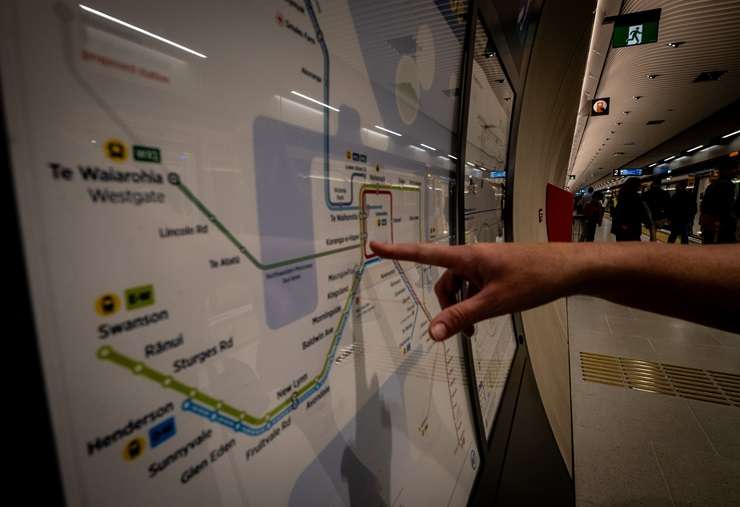
The CRL is due to open in September, promising to speed up rail travel in Auckland. Photo / New Zealand Herald
CBRE said Auckland residential property values increased 29% in the decade to 2024, while values within station catchments increased 36%, sometimes more.
“Morningside, for example – house prices in that walkable catchment have doubled in 10 years,” Carleton said.
The question was what, if any, additional impact the CRL would have on house prices, she said.
Few people have followed the City Rail Link more closely than Greater Auckland’s Patrick Reynolds.
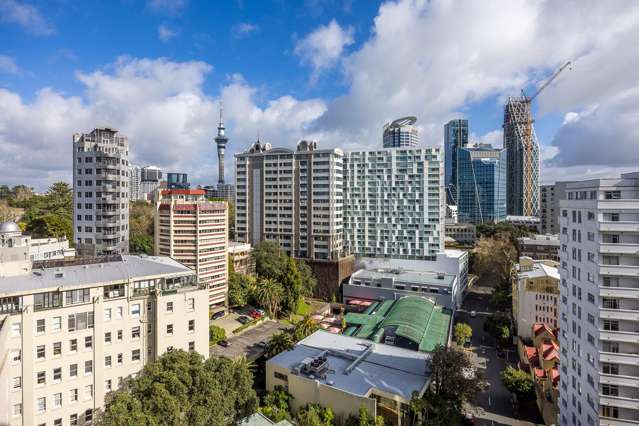
Not only was he one of the earliest advocates of the City Rail Link, but he also recently bought an apartment a few hundred metres from Karanga-a-Hape Station.
Discover more:
- Revealed: The top 10 New Zealand towns for first-home buyers
- Has the wipeout scarred a generation of buyers? Slump's shake-up revealed
- Businesswoman who bought Mike Hosking's home now selling her coastal estate
Reynolds said comparisons with pre-pandemic travel patterns missed the bigger picture.
Weekend public transport use was now running well ahead of 2019 levels, even as weekday peak commuting remained lower, he said.
“We should stop talking about getting back to normal. We are not going to get back to 2019 patterns.”
Reynolds said the CRL would do more than benefit the tens of thousands of people who travelled to and from the city centre by train each workday.
“This is not just about the city centre. It’s about getting from Orakei to Kingsland or getting from the western Line to Ikea.”
Reynolds said rail projects had eventually boosted nearby property values overseas, although any future gains here may be masked by a weak housing market.
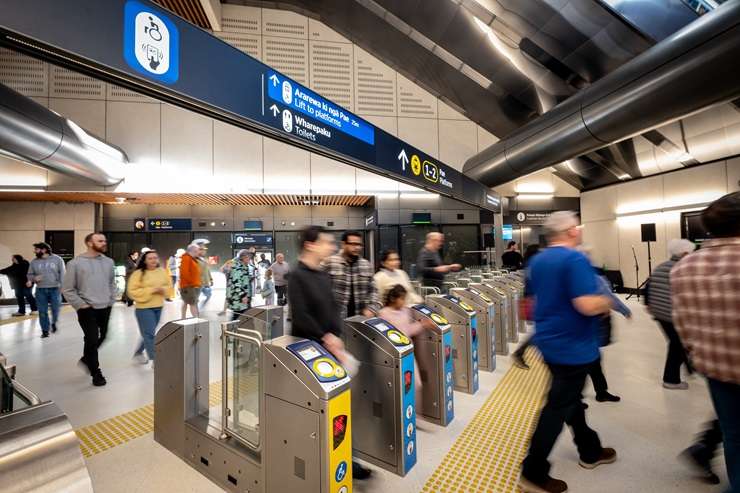
Visitors check out the new Karanga-a-Hape Station ahead of the official opening. Photo / NZME
“The property cycle is in such a downturn that it would conceal a lot of it.”
Real estate agents told OneRoof the City Rail Link was starting to feature more in conversations with buyers and sellers as the opening date approached, especially investors.
City Sales agent Scott Dunn said the CRL would put property near the Karanga-a-Hape Station on buyers’ radar in a way it hadn’t been before.
Property around Britomart and the Viaduct had long attracted buyers’ attention, but now the CRL would put K Road firmly in the spotlight too.
“We have not seen people paying a premium near the CRL. We have not seen that yet,” he said.
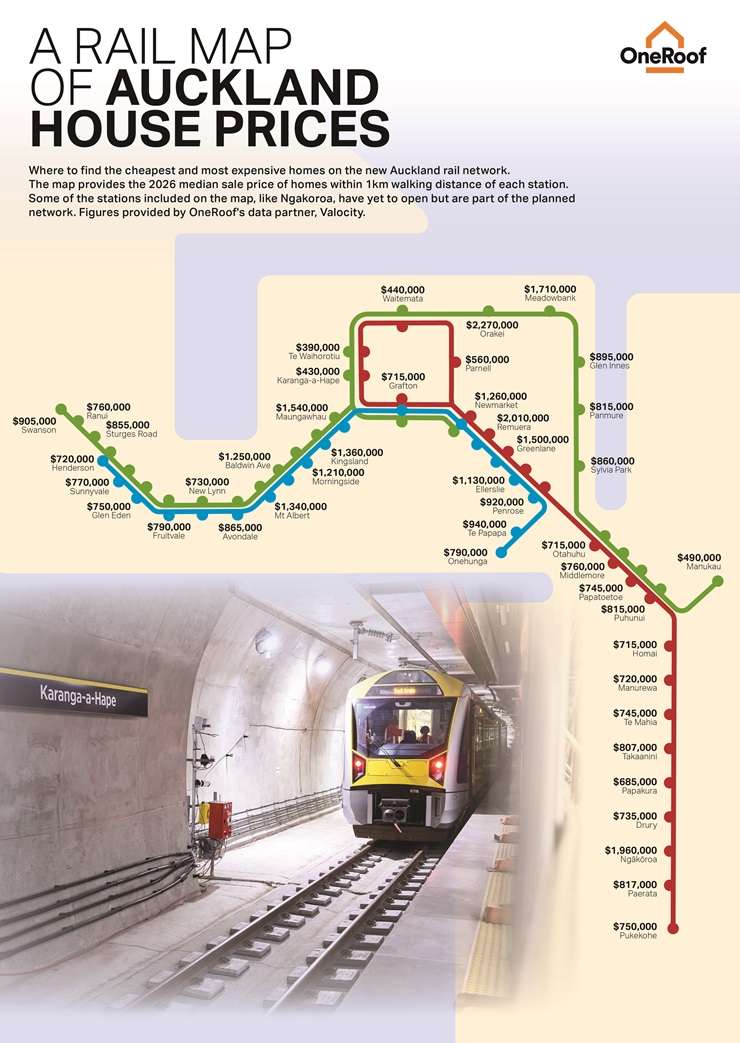
Analysis by OneRoof’s data partner Valocity found that house prices didn’t necessarily increase the closer the homes were to the city, with some of the city’s cheapest homes in the CBD and within 1km of the new stations at Te Waihorotiu (median sale price $390,000) and Karanga-a-Hape ($430,000).
Median prices reached $2 million for homes near stations at Orakei and Remuera.
Artwork / Beth Walsh
The variation in prices reflects the different types of housing found in those suburbs. The central city is dominated by apartments, while suburbs further out typically have more standalone homes.
Auckland Transport said hybrid working had changed the pattern and frequency of commuter travel, with 6200 fewer weekday peak-hour rail trips than before Covid.
Carleton said not all homes near train stations benefit equally.
Overseas research said the sweet spot was often a short walk from a station rather than properties immediately beside it. “Within a 50-metre boundary of the station, there might be a negative impact on liveability, but at 200 metres it’s optimal, and when you’re 1000-plus metres, you’re too far away to get any benefit really,” she said.
The $5.5 billion City Rail Link opens on September 13 and is designed to cut travel time and improve access between central, west and south Auckland.
- Click here to find properties for sale in Auckland