- A Canterbury family lost their home after attempting to pay rates with a $10 coin.
- The High Court ordered the sale of Nigel Rose’s property, which sold for $535,000.
- Waimakariri District Council says the family’s rates debt was more than the sale price.
A Canterbury family lost their home after they tried to pay their rates bills with a single minted coin worth $10.
Start your property search
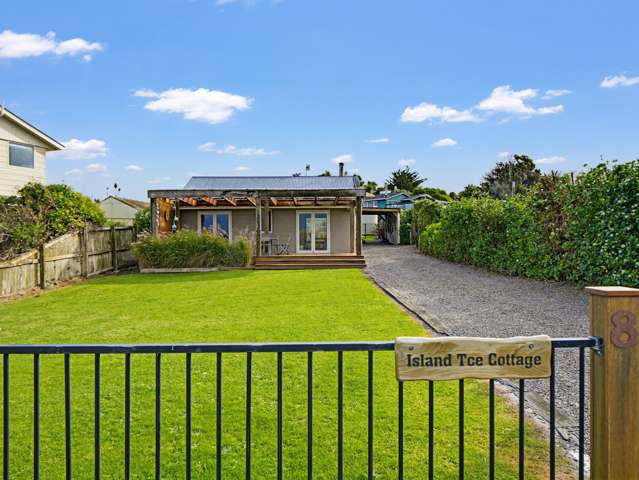
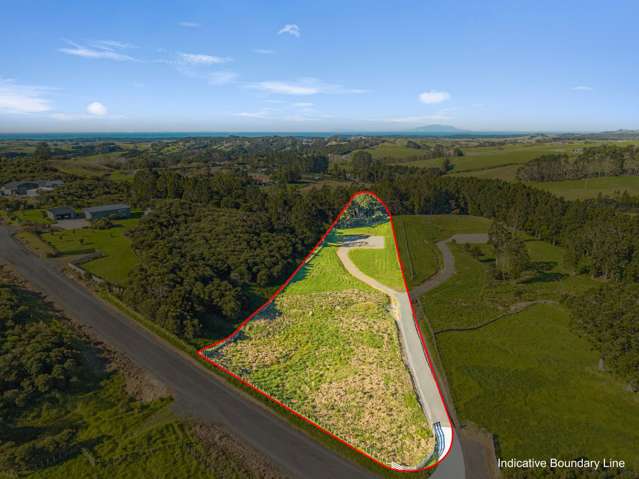
The High Court ordered the sale of Nigel Rose’s lifestyle property on Main Race Road, in Eyrewell, following an application by Waimakariri District Council.
The house fetched $535,000 at auction in May, well below its RV of $720,000.
A spokesperson for Waimakariri District Council declined to tell OneRoof how much Rose owed in rates and related charges, but said it was more than the $535,000 sale price.
Speaking on behalf of the Rose family on the day of the auction, Stephen Bell told OneRoof that the coin was “legal tender” and should have been accepted by the council.
Rose texted OneRoof on the same day and said that he and his four children would now be homeless. “Our house sold at ‘Court Ordered Sale’ and in 8 weeks myself and 4 kids will be homeless!!” he wrote.
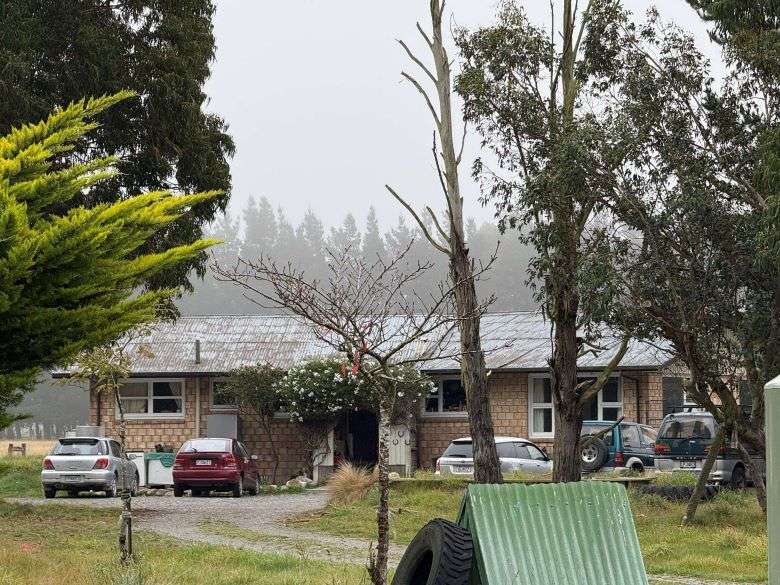
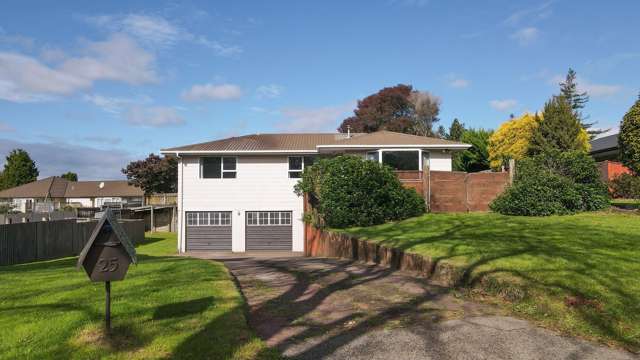
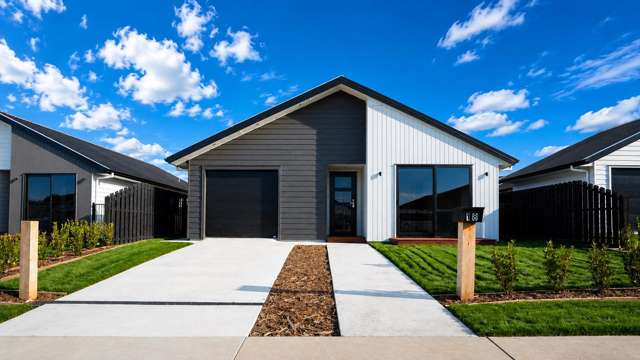
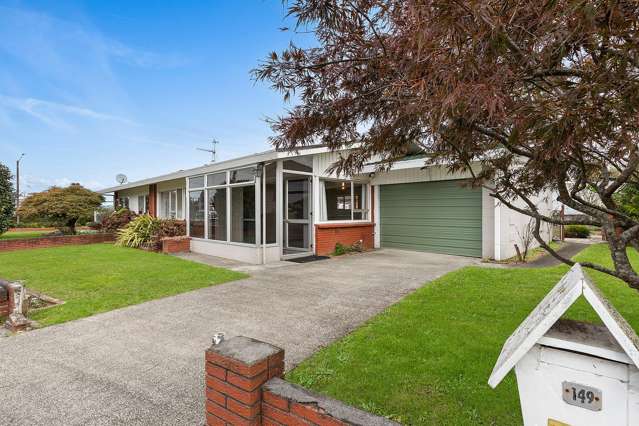
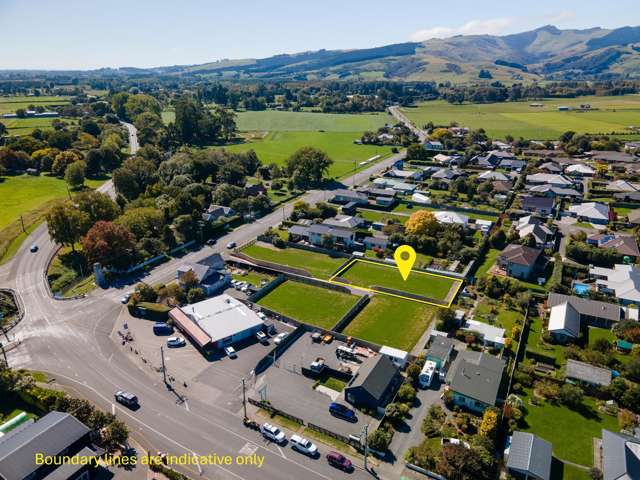
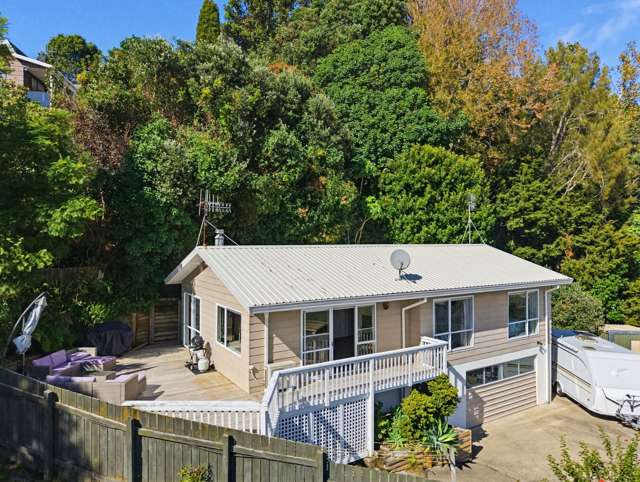
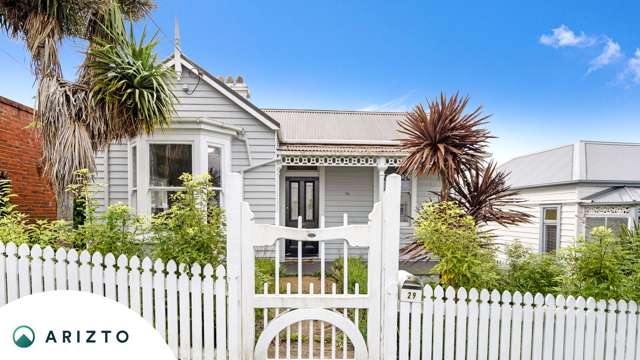
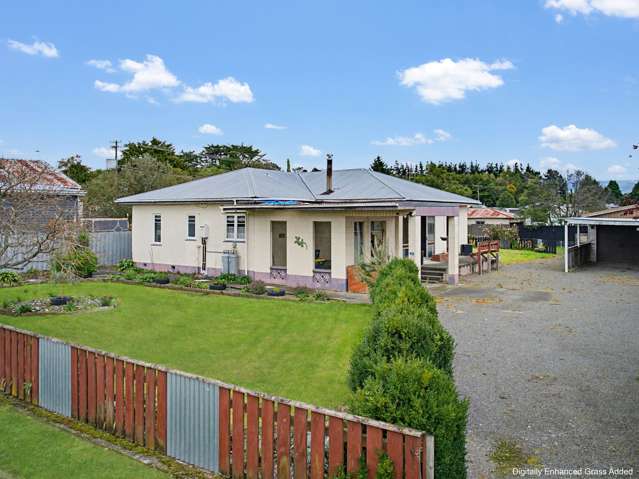
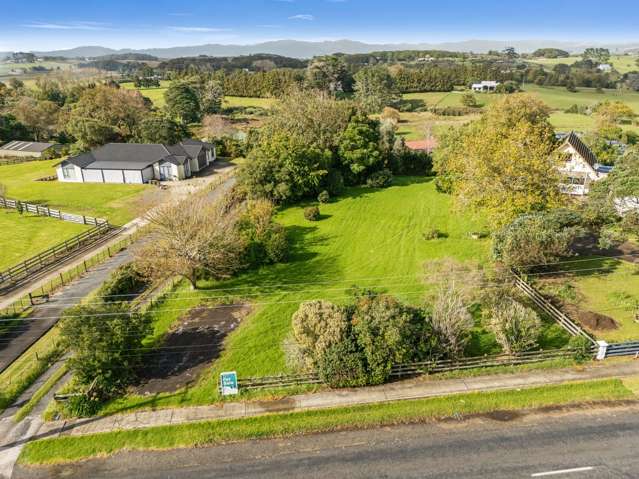
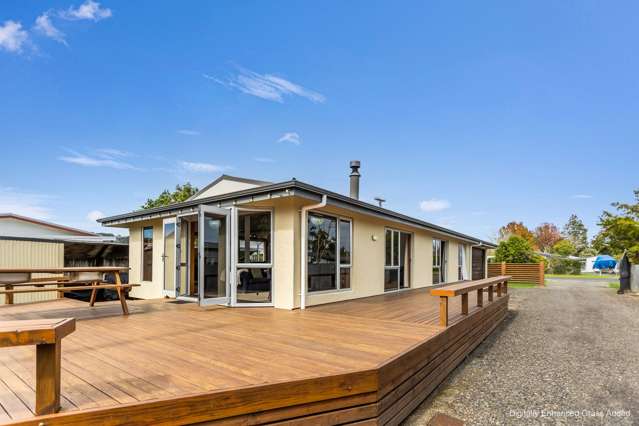
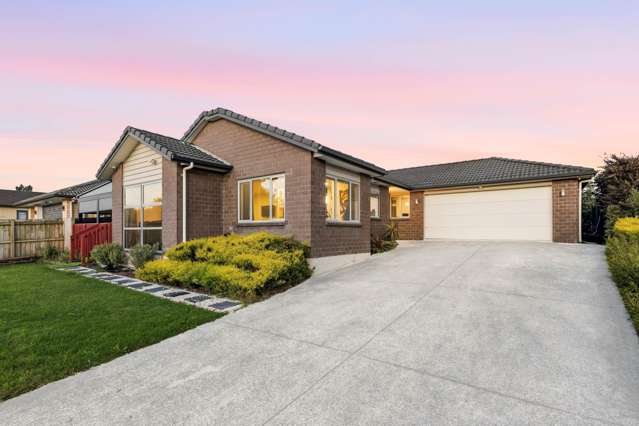
A rural property on Main Road, in West Eyreton, Waimakariri, was sold under the hammer in May for $535,000. Photo / Supplied
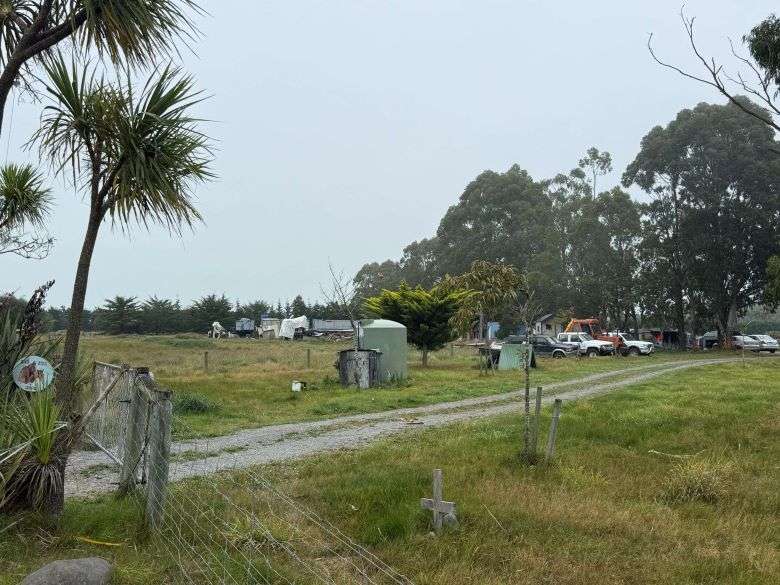
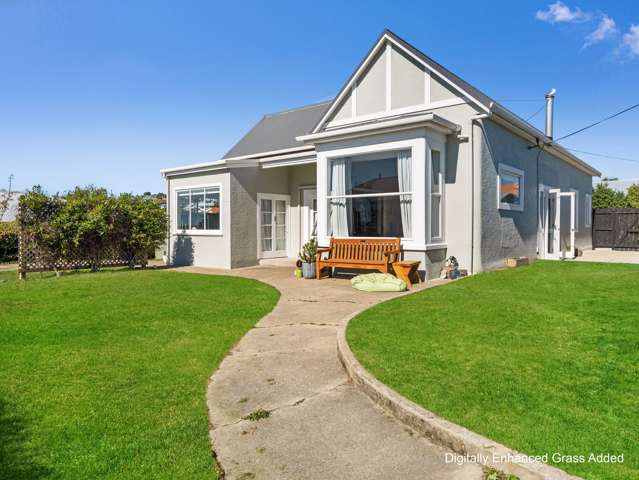
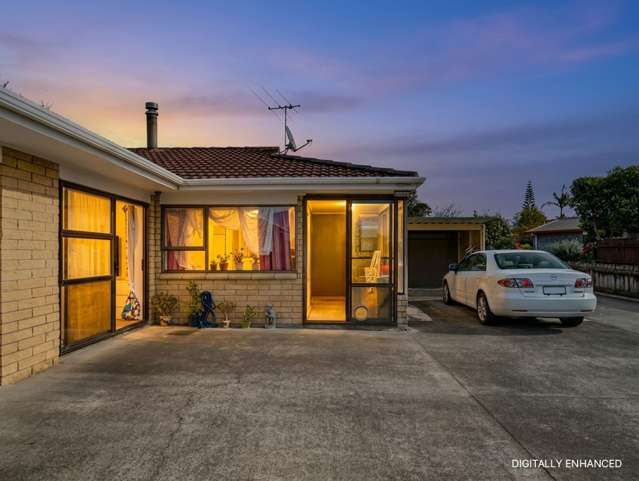
The High Court ordered the sale over an unpaid rates debt. The property’s RV was $720,000. Photo / Supplied
“Living very rural as we do, the council provides us with zero services, because we have our own infrastructure, and when we don’t pay $4000 per year for those zero services, they sell your only means of shelter!! Such wonderful caring leaders we have in NZ.”
A council spokesperson said that the family’s representatives attended two council meetings over the unpaid rates. “Following [the second] deputation, they offered a $10 silver and gold coin in payment of all of the rates and arrears,” the spokesperson said.
“The coin was a special issue year 2000 souvenir coin that is legal tender for $10. Their note was accompanied by a copy of the Reserve Bank Act in which they highlighted a section on legal tender, which they had misinterpreted to mean that any debt over $100 could be paid using a $10 coin.
“We have advised the person who handed over the coin that it is available for him to collect at the council’s service centre.”
Discover more:
- Mortgagee properties linked to failed property flipper Ashley Dean sell for a loss
- $10m mansion finally sells after sitting vacant for years
- Sci-fi epic 2001 at the heart of $11m penthouse drawing US eyeballs
The Local Government (Rating) Act 2002 allows councils to demand the sale of a property in order to recover unpaid rates.
Bell, who describes himself as a “Jack of all trades”, told OneRoof that the Rose family had wanted to settle the debt. “They’ve taken [Nigel] through the court. There’s been no information actually given to him to defend the case or anything, no service of orders, so there appear to be breaches of District Court rules and the High Court rules. That’s all under investigation,” Bell alleged.
“Payment was offered [to the council], they decided to refuse it ... This is where the intrigue comes in. Because when we get down to the foundational being of our money system or our currency system, then it calls into question everything.”
Bell stressed that the Rose family were “working within the law, not above it” and denied they were “sovereign citizens”, who believe they are exempt from the laws of New Zealand.
Bell said the Rose family had not paid the rates bill because they had suffered a loss of income due to Covid. “[Nigel] was not entitled to any provision from the government or anybody else for assistance, so he basically went three years without any income coming in. So it was hardship.”
The council spokesperson said council staff phone, visit and write to ratepayers who fall into arrears with rates payments. “If no response is forthcoming, more formal collection letters are sent requesting payment. Our preference is always to work with homeowners and help them with payment arrangements to clear any owed rates,” he said.
“If the property is mortgaged, the council will advise the mortgagee of the rates owing and, in some cases, make a formal demand to the mortgagee for payment. If there is no mortgage, the council writes to the ratepayer demanding payment; if written correspondence is unsuccessful, the council will phone the ratepayer to discuss payment plans.
“If the above does not work, the outstanding rates are handed over to a collection agency. The agency sends an initial letter, followed by notice of proceedings if no response is received or arrangements are not kept.”
The spokesperson said the Main Race Road property was the third forced sale initiated by the council. “One in 2010, one in 2015, and this one. The forced sale of a property is not a situation that the council enters without exhausting every and all options to recover the rates alongside the homeowner. The legal process can take several years to work through.
“However, as the level of debt on a property rises, the options available to the ratepayer are often reduced. We would encourage people who are having difficulty paying rates to get in touch early to discuss options for payment.”
- Click here to find more properties for sale in Canterbury