ANALYSIS: It was a 50:50 call but in the end the Reserve Bank made the decision today to get the upward leg of the monetary policy cycle started with a 0.25% rise in the Official Cash Rate to 2.5%. Borrowers on floating mortgage rates should expect the full 0.25% to be passed through to those rates shortly, but for fixed mortgage rates the impact will be a lot less.
Fixed mortgage rates are set in relation to where wholesale interest rates are sitting when banks make the loan to a customer. Those wholesale borrowing costs banks must pay don’t reflect just where monetary policy and the cash rate is right now, but also where the markets expect the rate to go in the future.
There have been universal expectations of policy tightening this year and that explains why despite the cash rate sitting unchanged at 2.25% from November 27 to now, wholesale interest rates started rising late in October. That in turn explains why fixed mortgage rates have already risen between 0.2% and 0.7% before any change in the Reserve Bank’s cash rate.
Because wholesale borrowing costs largely but not completely reflected an expectation of a rate change today their subsequent rises for now will be limited. That translates to just minor upward moves coming in fixed rates depending on how much banks want to compete for fresh business or keep existing customers.
Start your property search
The Reserve Bank in announcing their decision today noted that although growth in our economy has been hit by the Middle East conflict, its recent apparent resolution means growth will likely return in the September quarter after falling slightly in the June quarter just ended.
The bank notes that while the existence of spare capacity in the economy (unemployed people) will constrain inflation, businesses may also use the return of growth to rebuild their pricing margins. How these two key factors balance out is (my wording) anyone’s guess and that means we have to be careful not to get too wedded to a particular forecast track for where interest rates are headed.
Discover more:
- Tony Alexander: So when will house prices start to pick up in New Zealand?
- First-home buyers: 'We got a mortgage of $1.32m - just saying it out loud is ridiculous'
- Private 'school' linked to failed property influencer faces mortgagee auction
The direction is upward and the chances are high that there will be another 0.25% rise in the cash rate come early-September. A rise at the October 28 and or December 9 reviews may also occur. Beyond that we’ll have to see how inflation and pricing pressures are tracking – along with world growth and energy prices – before making any firm statements about how much further interest rates rise through 2027.
Given the Reserve Bank’s history of tightening monetary policy too little at the start of an upward phase, under-estimating where inflation and interest rates will go, and then eventually tightening by too much, we can’t rule out a scenario of only one more rate rise this year and then an extended pause.
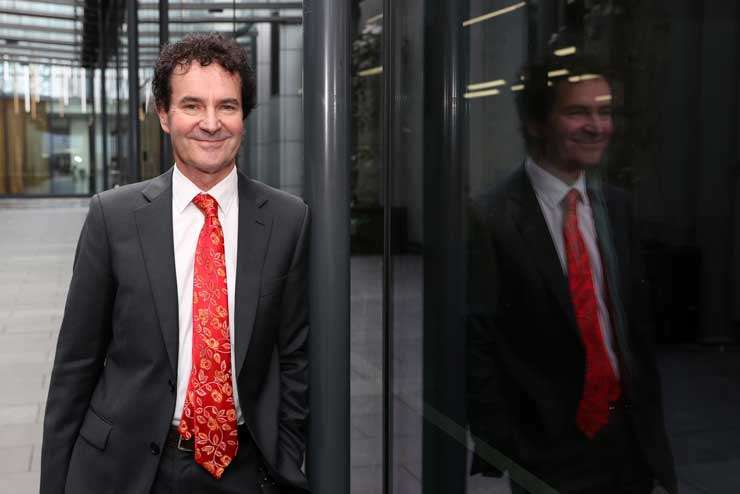
Independent economist Tony Alexander: “Borrowers on floating mortgage rates should expect the full 0.25% to be passed through to those rates shortly.” Photo / Fiona Goodall
For borrowers the first important thing to note is that the upward movement in monetary policy anticipated in the financial markets since October last year has started. The second point to note is that uncertainty about where things go and how rapidly means caution is warranted when considering how much interest rate risk to take.
If your debt is low, your cash outflow tolerance is high, or you have a view that rate rises will be minimal, then the usually popular strategy of repeatedly fixing one year may feel best. But if you’ve got high debt relative to your income, you’re vulnerable to income loss, or you just like to sleep easy, then maybe you’d opt for my personal preference to fix three years. Your choice. Good luck and here’s hoping the Reserve Bank’s prediction in May of a peak for the Official Cash Rate this cycle of 3.25% from the current 2.5% is not as far off the mark as what they predicted at the start of the previous tightening round in 2021.
Back then they picked a peak near 2.5%. The actual peak was 5.5%.
- Tony Alexander is an independent economics commentator. Additional commentary from him can be found at www.tonyalexander.nz