- Rates are rising significantly, causing concern among homeowners, especially during the cost-of-living crisis.
- The Ratepayers Assistance Scheme aims to help by allowing deferred rates until a house is sold.
- Advocates highlight the hardship for older people on fixed incomes, urging support mechanisms.
Nothing is certain in life except death and taxes, as the saying goes, but when it comes to residential rates, people get hot under the collar in a way they don’t always over other taxes.
Start your property search
As rates rise in councils around the country, in some areas by double digits, there have been numerous reports of people concerned about being rated out of their homes.
Rates rarely go down, and big increases are coming in the midst of a cost-of-living crisis where food prices, petrol prices and insurance hikes are all biting.
Some see rates as unfair, as they are based on the land value or capital value of a house rather than the number of inhabitants, but there appears to be no easy alternative.
One 80-year-old pensioner in Waihi told OneRoof she was struggling to live in her own home because of all the costs she has to pay, and spoke of her “horror” at learning her rates were going up 8.5% next month. She said she lived on soup and porridge, was stressed and felt stuck.
“It’s extremely difficult to make ends meet on the pension. The cost of food is ridiculous, not to mention insurance, power and petrol.
“I would like to move from Waihi, but my house is not worth enough for me to relocate anywhere unless I go to the bottom of the South Island or the West Coast and in my 80th year, moving is frightening anyway.
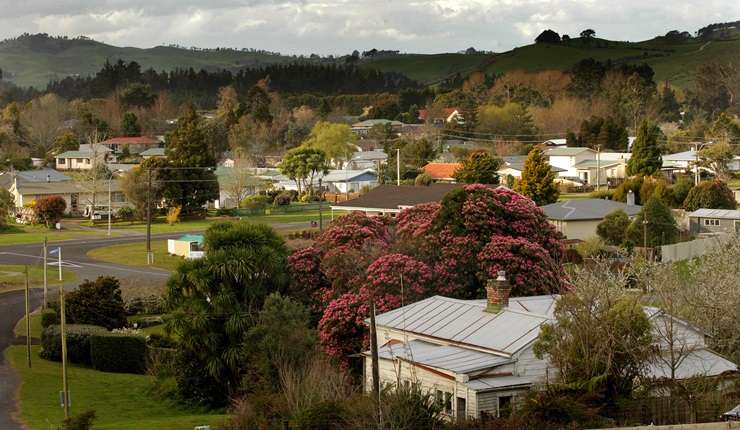
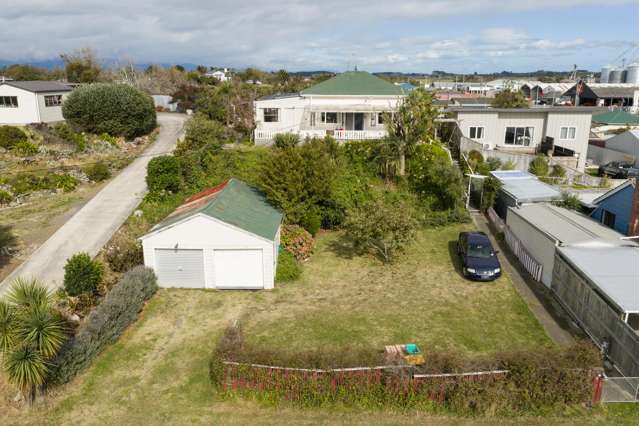
Waihi, in Hauraki District. One homeowner there is feeling the squeeze of rising council rates. Photo / Alan Gibson
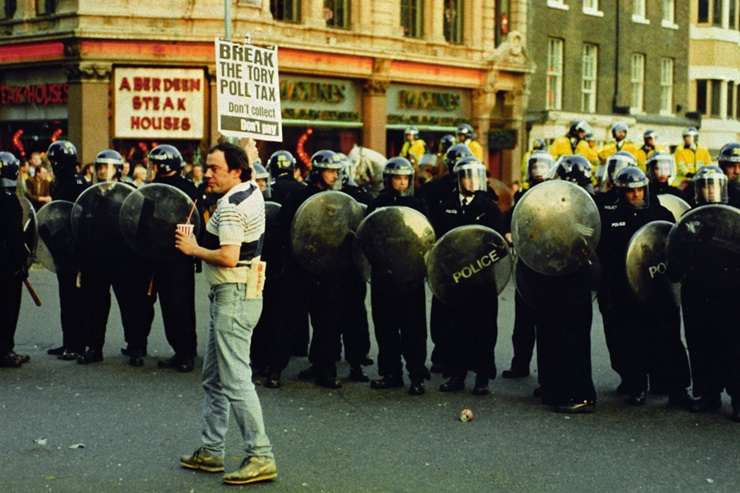
Riots and protests in the UK resulted in a U-turn on the poll tax and led to the end of Margaret Thatcher as Prime Minister. Photo / Getty Images
“It is unbelievable that I have used water that would cost anywhere near the amount I am forking out [$140 a month], and why am I paying so much for my property rates when this does not benefit me in any way whatsoever?”
Most countries, including New Zealand, work out rates, which fund local government, based on property and land value. Radical change from this system can lead to upheaval, as Britain discovered in the 1990s when it introduced the Poll Tax.
Former British Prime Minister Margaret Thatcher brought in a flat tax on all adult residents, including students and homeless people, but the masses revolted, and riots broke out.
The Poll Tax was abandoned and replaced with the Council Tax, which reverted to a property value system.
In New Zealand, rates have been hotly debated for decades, and currently various mechanisms and proposals are under discussion to alleviate cost-of-living pressures on households, including for older people on fixed incomes.
One is the Ratepayers Assistance Scheme, a joint initiative by Local Government NZ, the Local Government Funding Agency and several councils.
Discover more:
- Tony Alexander: End of the line for Auckland's house price slump
- '32cm encroachment': Multi-million-dollar apartment block hit by boundary dispute
- Surprise win for Warriors boss as he sells his waterfront home for a profit
It would offer low borrowing options that would allow, for example, people who qualified to defer their rates until the house was sold. The Post reported at the weekend many mayors support the scheme over the rates cap being proposed by the Government.
People spoken to by OneRoof could not think of a better way of funding councils other than by rating based on land and property values, although advocates for older people say there is no question that rates are adding to real hardship.
Others pointed to years of under-investment by councils, which have left infrastructure under immense strain.
David Shand thinks council incompetence has not helped the rates PR problem. Shand was grappling with the issue of rates 20 years ago when the then Labour-led Government established an Independent Commission of Inquiry into rates and local government funding, of which he was chair.
The inquiry became known as the Shand Report, and among its findings was that local council rates should not exceed 5% of a household’s gross income.
But Shand did not think the system was broken back then, and still doesn’t, telling OneRoof he thinks rates cause more anger than other taxes because they arrive in the letterbox.
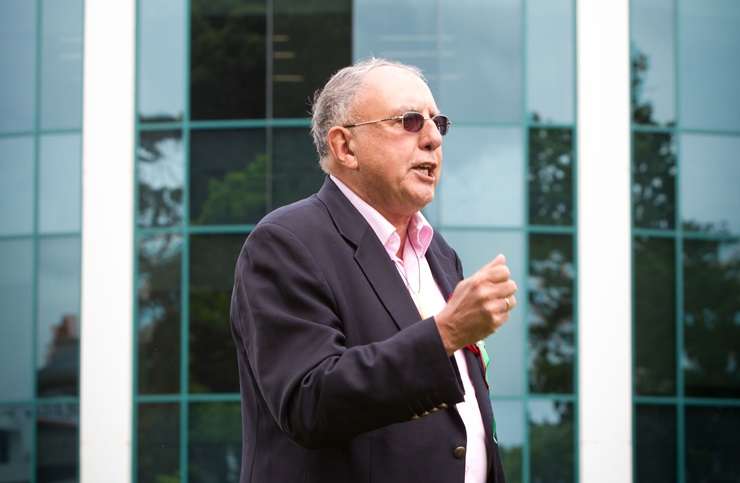
Shand Report author David Shand says council rate increases have the power to upset communities. Photo / NZME
They are visible, he argues, saying he doubts many people know how much GST they pay a year.
While few of the recommendations of the Shand report were picked up, he says the property-based rating system is not fundamentally broken.
“It’s got a lot of flexibility in how you allocate the burden. You can use capital value, land value, annual value, you can have uniform charging as part of that as well, and you can designate certain classes of land to be rated differentially, like farmland or multi-density land and that sort of stuff.”
Shand points to an Infometrics report for Local Government New Zealand from last year, which calculates rates as a percentage of household income and found the average household paid 10 times more in income tax and GST than in local government rates.
A release from LGNZ said: “In 2025, a two-person household on median incomes would pay nearly $40,000 to central government in PAYE and GST, compared to just under $4000 for an average rates bill. Both totals have increased from the last time LGNZ examined these figures in 2023: while rates are up by $985pa for rates, taxes have climbed by $3200.”
Shand says the report showed rates were about 3.14% of the CPI and 2% of Gross Domestic Product, which he says puts them into perspective.
“They’re not a huge part of the economy – you wouldn’t think that from the way people go on about it but, but anyway, that’s the data.”
One of the biggest problems around rates has been incompetence around how they are used and the fact that councils have, for years, kicked infrastructure issues down the road, he says.
“The long-term plans that councils have done propose spending $77 billion over the period 2022 to 2031. That’s a ten-year period - $77 billion in infrastructure.
“They haven’t properly funded the infrastructure. They’ve just let it accumulate, and most of them have known that this has been happening.”
Part of the reason councils ignored such issues was down to councillors bowing to cries of “keep the rates down”, and because infrastructure that can’t be seen, such as rotten pipes underground, is easier to ignore.
Shand was one of the commissioners on whether the separate councils in Auckland should be turned into a Super City, which eventuated in 2010, and said one of the great achievements of the merger was that water issues in Auckland were being addressed by Watercare.
But he said Wellington was an example of extreme neglect around water. In the capital, Wellington Water is being replaced by a new entity Tiaki Wai, after what Shand said was “shocking” incompetence on the part of the board and management, as well as poor advice from council officers and a lack of foresight by councillors.
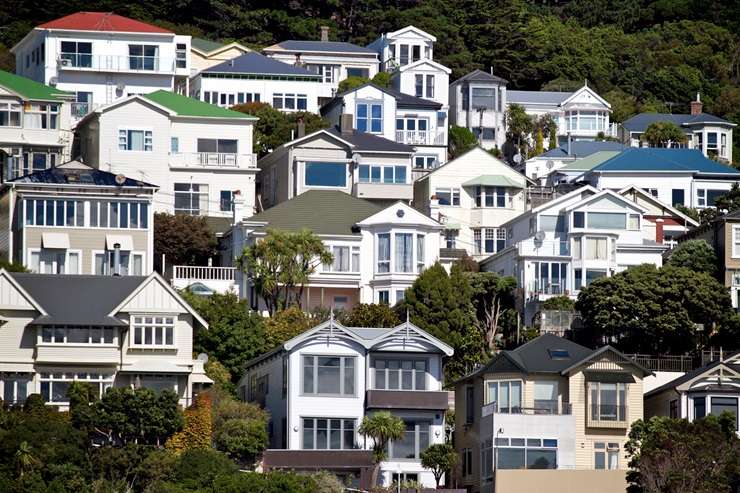
Wellington’s rate increases have been a lightning rod for resident anger. Photo / Getty Images
Wellington had a string of other issues, from cost blowouts on the town hall to a $600m spend on the new central library website that did not help the PR around rates.
One issue he sees as needing to be remedied is the division of responsibilities between council staff and councillors, saying chief executives are responsible for operational issues while councillors deal with policy, but he questions the boundaries between the areas.
“My belief is that councillors are not getting the information they need either because they don’t think about asking for it, or in any case council officers may draw a veil of secrecy over something by saying ‘this is not for you, this is an operational matter’.”
Notwithstanding those sorts of issues, Shand still says the system is sound and that it is easy to exaggerate people having to sell their homes because they cannot afford the rates.
Councils offer a rates rebate scheme, and Shand is supportive of deferral schemes, adding that there should be access to home equity loans.
While one person in a house might feel it is unfair to be paying the same rates as a household of six next door, alternatives such as a local authority income tax are not popular, and Shand is opposed to a rates cap.
“We elect local government to do what they are supposed to do. If they don’t do what they are supposed to do, people should vote them out, but a rates cap is far too blunt an instrument.”
David Norman, the former chief economist for Auckland Council, also supports the rating system, though he argues rates could be charged on just land value as opposed to land and capital value (the house).
He says charging on capital value disincentivises people from developing their land because if they do, they have to pay more rates, saying if the rates were charged on land value alone, it would not matter how many properties were built on the land and would lead to more homes being built.

Economist David Norman: "If you are paying a massive amount in rates, it’s probably because the value of that property has gone up significantly.” Photo / Supplied
One of the big problems was that councils around the country had been undercharging developers for infrastructure growth for decades, with some councils still charged $0 in development contributions.
“Our development contributions have not been sufficiently high to cover the true cost of growth infrastructure, and what that means is that your existing ratepayers get stuck with the bill to pay for growth.”
For older people concerned about not being able to pay the rates on homes they had lived in for years, he said councils had an explicit allowance for deferment schemes, where rates could be deferred until the house was sold.
“That’s available so no one has to be thrown out of their house, and if you are paying a massive amount in rates, it’s probably because the value of that property has gone up significantly.”
But advocates for older people say deferment schemes are uneven around the country.
Grey Power’s acting president David Marshall says one of the problems he sees in the Bay of Plenty is a lack of alternative accommodation for people to downsize into. Banks are also not keen on providing bridging finance for people on New Zealand super, which forces them to stay in homes they can no longer afford to maintain.
People wanted to stay in the area where they had social contacts, but rates were rising faster than the cost of living.
“That’s where the real stress comes in because that’s just now getting quite a large burden for many who have lived in their homes for years and years and years.”
A pilot scheme in Katikati was being looked at to help people downsize without having to borrow from the bank, Marshall said, but in the meantime many older people were making trade-offs in terms of food and necessities versus the rates.
Age Concern chief executive Karen Billings-Jensen agrees there is real hardship among older people on fixed incomes who have little opportunity to increase their incomes and no control over rising insurance and electricity costs, along with the increased rates bill.
She is hopeful the Ratepayers Assistance Scheme will come to fruition and says the issue was not about throwing out the rating system but rather ensuring mechanisms are in place to support people, particularly those in their own homes on fixed incomes who were cutting back on food to pay the bills.
“I’m not saying they (older people) are more needy than any other group but definitely there are some determinants of people as they age and their ability to increase income to meet these rising costs. That’s really the challenge.”
- Click here to find properties for sale