- Complex laws on sensitive land are confusing wealthy foreign buyers under the “golden visa” pathway.
- The Active Investor Plus visa requires a $5m home purchase and $5m investment.
- Some properties are excluded due to sensitive land rules, affecting high net worth buyers’ options.
Complex law around what constitutes sensitive land is stopping wealthy foreign buyers from buying homes under the so-called “golden visa” pathway, with some agents reporting clients are confused at the new rules.
Start your property search
The Government’s invitation to Active Investor Plus visa applicants to buy or build a house here worth $5m or more, if they also invest a minimum of $5m, has not yet been the boon many in the real estate industry had hoped for.
Excluded from purchase is certain sensitive land, which includes some environmental, cultural and historical land as well as waterfront.
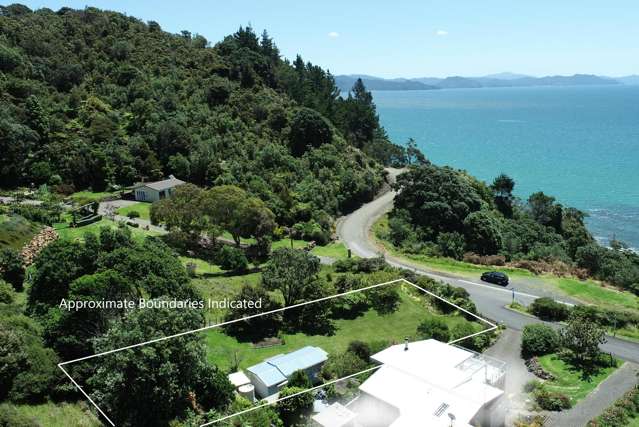
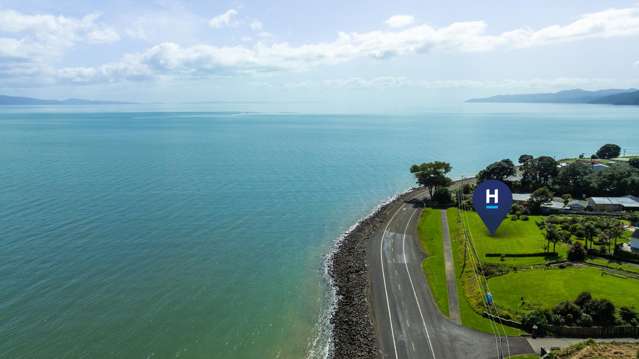
However, there are anomalies. While the rules generally exclude waterfront or beachfront properties, OneRoof understands technicalities around titles can allow such a purchase.
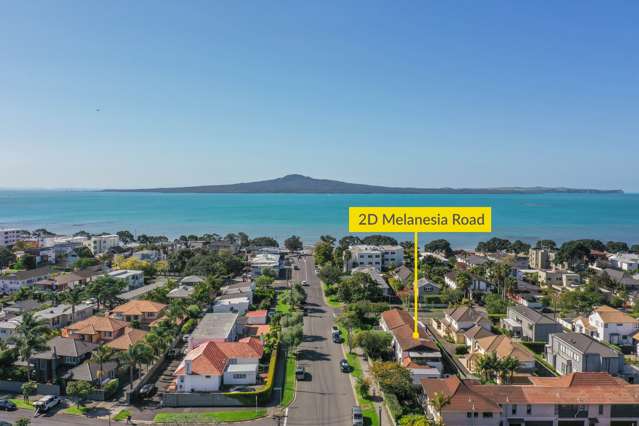
A large property in Glendowie, for example, was snapped up by an AIP visa-holder, for nearly $14m as it has a reserve between the title and the waterfront.
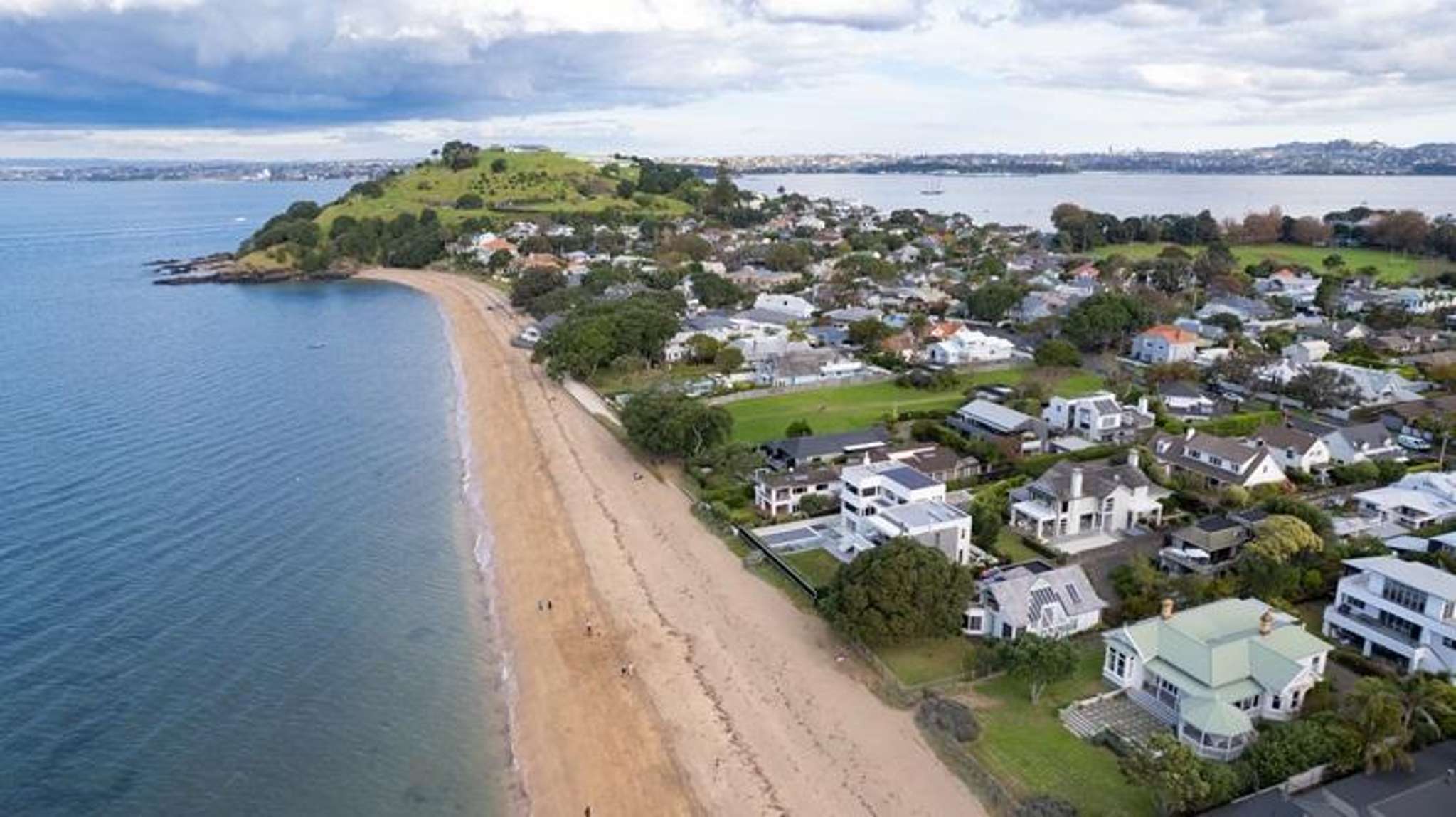
OneRoof was also told of a North Shore beach where overseas buyers could potentially purchase as-good-as beachfront because a council walkway separated houses from the foreshore. However, beachfront homes a few kilometres away may not be able to be bought if the titles went all the way to the foreshore.
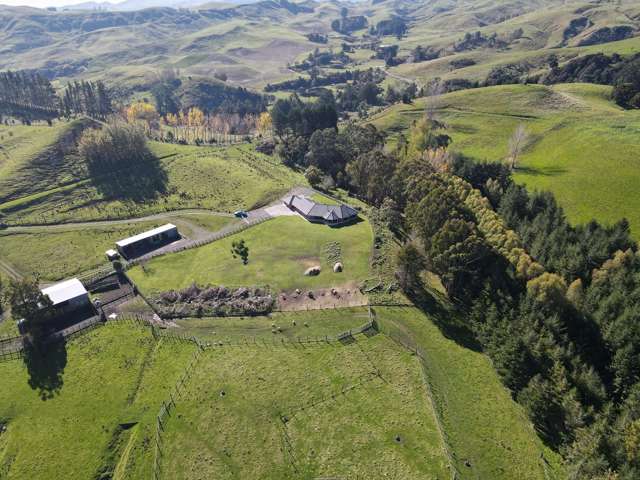
Another rule prevents overseas purchasers from buying into big gated residential estates where ownership constitutes a share of the common ground, as that can take properties over the 5ha threshold.
Oliver Road Real Estate agency managing director Cam Winter said he is about to make a submission to the Government to have that changed as he believes it misaligns with the intent of the AIP rules. It also badly limits the availability of property to buy in Queenstown, a sought-after location for high net worth buyers, he said.
A recent report from Bayleys Real Estate said while buyers are mainly interested in waterfront/coastal and lifestyle properties, navigating the sensitive land rules is a key challenge.
“At this stage, our view is the rule changes have created real activity but not the tidal wave of buying activity that some had speculated about,” the report said.
The buyer pool remained relatively small with the fine print around sensitive land having a real effect on which properties buyers could realistically pursue, it said.
As of May 7, 16 applications for property purchases had been approved by the Overseas Investment Office since March 6, when the foreign buyer rules were changed. Eleven homes in Auckland have gone to foreign buyers, followed by four in Queenstown-Lakes and one in Hawke’s Bay.
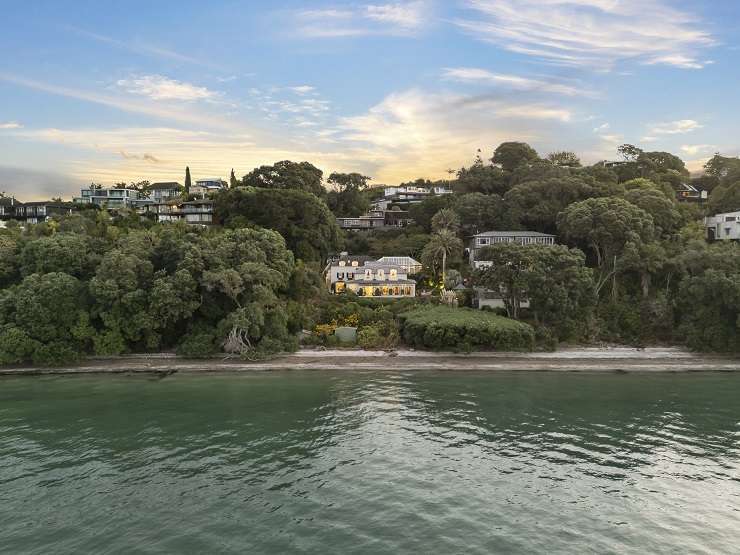
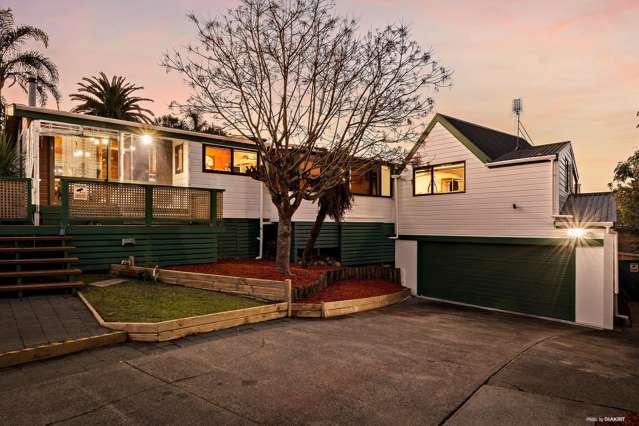
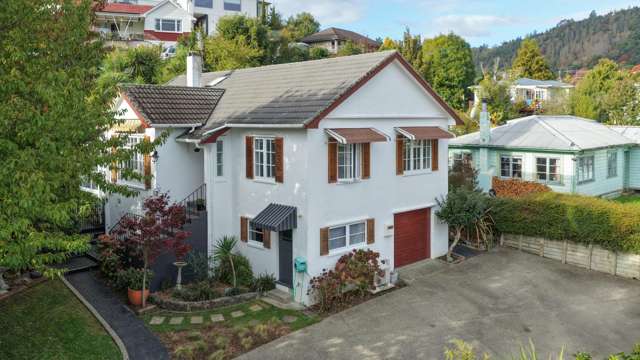
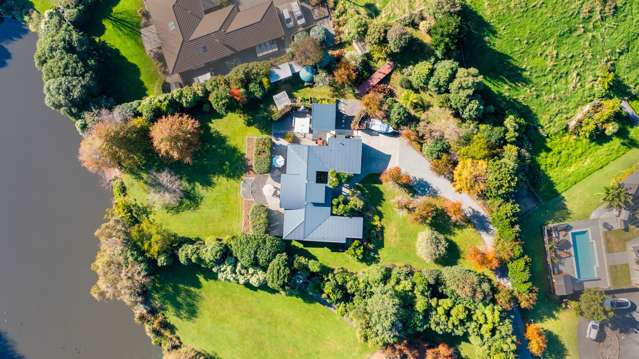
Former NBR owner Barry Colman’s waterfront mansion was sold to a golden visa-holder last month. The property qualified for the AIP scheme because of a thin strip of reserve between the title boundary and the beach. Photo / Supplied

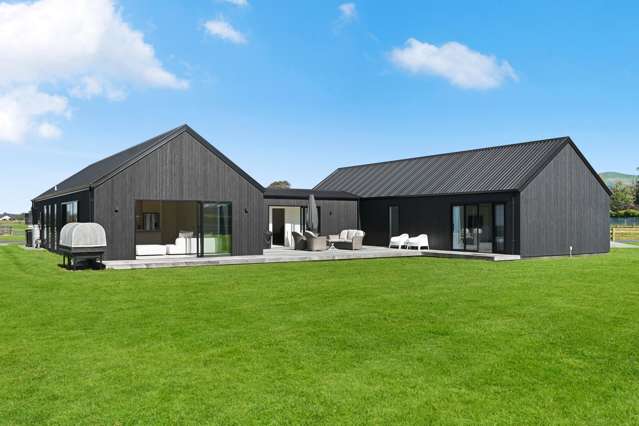
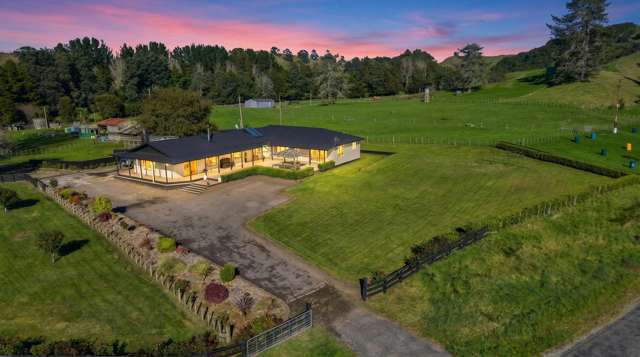
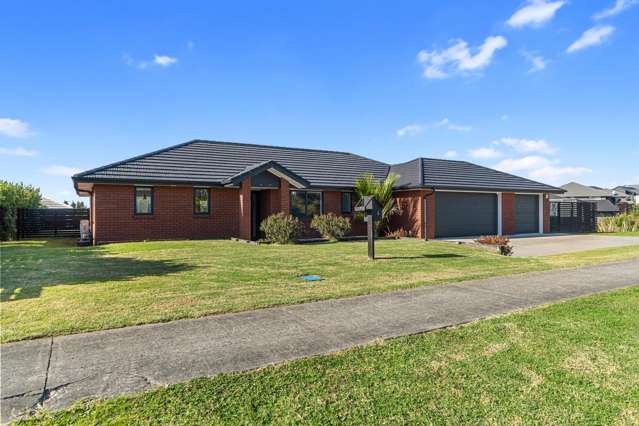
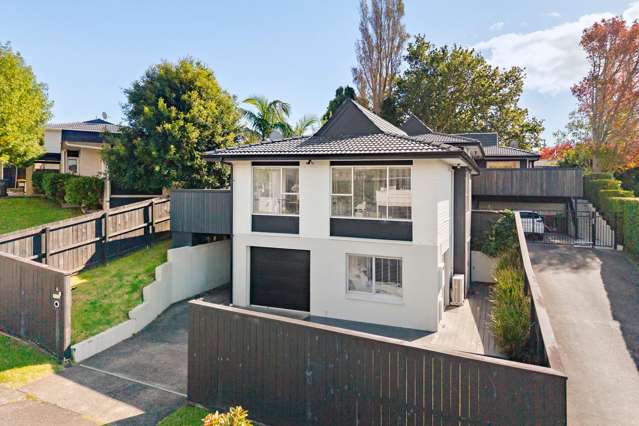
Not on the water and not on sensitive land: The mansion on Mahoenui Valley Road, in Auckland’s Coatesville, was snapped up by a golden visa holder for over $11m. Photo / Supplied

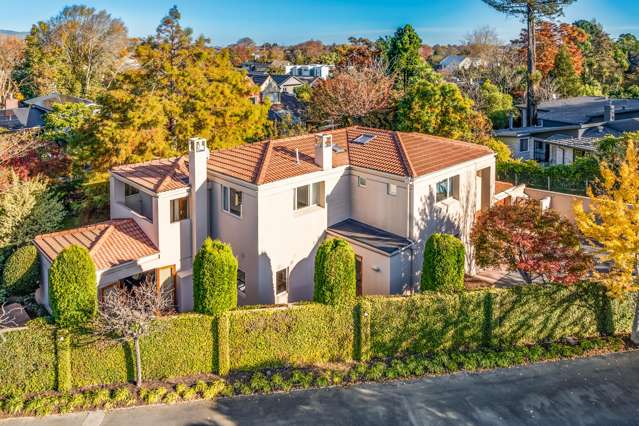
Sotheby’s agent Pene Milne says she has listings that go to the riparian boundary that do not qualify under the AIP scheme. Photo / Fiona Goodall
Bayleys head of insights Chris Farhi told OneRoof: “The sensitive land definitions are quite complex. Whilst the definitions are readily available from Linz (Land Information New Zealand), even as a property person they can be quite tricky to get your head around and often need specific technical knowledge about a property to understand whether they apply.”
Linz has presented to over 1000 agents, lawyers and advisers around the country, explaining the AIP visa pathway.
While foreigners can purchase a house through other routes, the AIP pathway is supposed to be the simplest for non-resident investors to own a property. AIP visa holders can buy land categorised as residential or lifestyle for the purposes of the District Valuation Roll, but the property must not be what is termed as “otherwise sensitive” land.
Otherwise sensitive land includes non-urban land over 5ha, land over 0.2ha that adjoins the seabed or foreshore, land including the seabed or foreshore, land over 0.4ha on certain islands (including Waiheke Island) and all land on other islands.
A Linz spokesperson told OneRoof sensitive land is defined by Schedule 1 of the Overseas Investment Act, which contains two tables of sensitivities.
Discover more:
- Auckland or Queenstown? Where foreign buyers are really putting their money
- 'Greatest place on earth': Expats eye up 6km stretch of NZ coast worth over $10m
- Cold War party house for sale: Auckland consulate home built to host who's who of NZ
Land can be deemed sensitive because of what it includes and what it adjoins, he said. “Adjoins means boundary to boundary, so does not include land separated by a road or another record of title (which would include a council-owned reserve or walkway).
“In each table there is a minimum land area threshold for each sensitivity, meaning some smaller areas of land are not sensitive. For example, there is a limit of 5ha for ‘non-urban’ land (i.e, rural land) and 0.4ha for land that adjoins the bed of a lake.”
For the AIP visa house pathway, the land could only be residential and not sensitive for any other reason. “The rules are limited to residential land so that investor visa holders are not inadvertently allowed to buy other more sensitive categories of land,” the spokesman said.
For properties that included any amount of marine and coastal area, or that were larger than 0.2ha and adjoined the marine and coastal area, consents could be granted. “Whether the land includes or just adjoins marine and coastal area will depend on how it is surveyed on the record of title. The way some properties are surveyed means they include part of the marine and coastal area.”
If the land was separated by another title, such as a council-owned walkway, it could not include or adjoin marine and coastal areas, he said.
OneRoof discussed the complexities with lawyer Nicola Hoobin, of Nicola Hoobin Legal, who has been involved in educating agents. She said it could take up to a year before the law became less complex as precedents were developed.

Bayleys head of insights Chris Farhi: “The sensitive land definitions are quite complex." Photo / Fiona Goodall
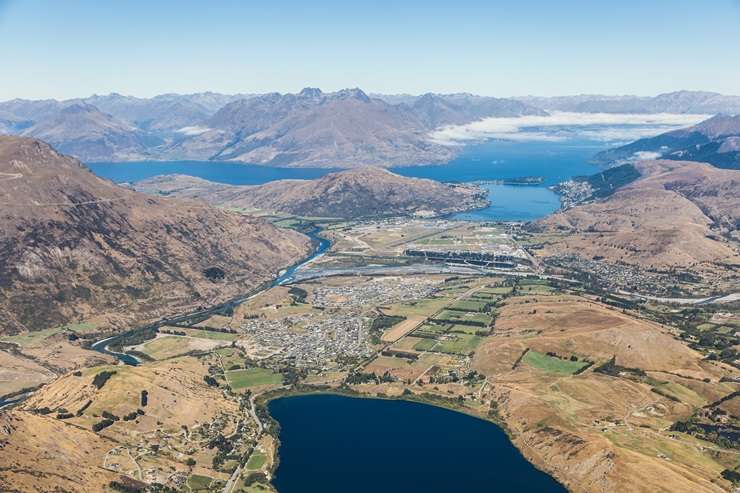
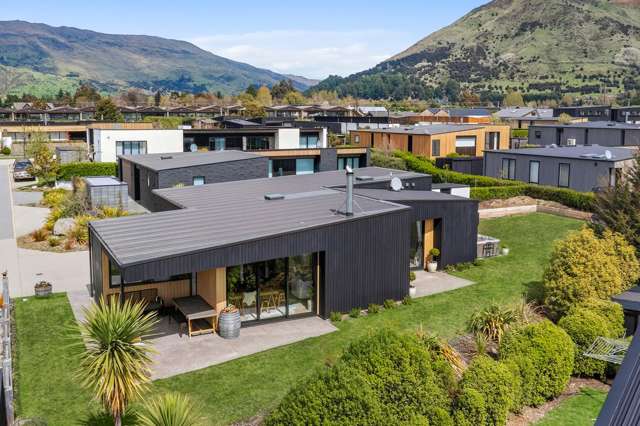
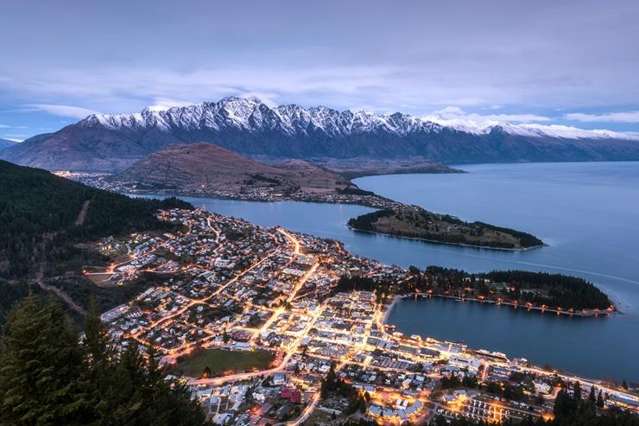
Lakes Hayes in Queenstown-Lakes. Properties in gated communities, such as those in Bendemeer or Closeburn Station, are not easy buys for overseas investors. Photo / Getty Images
Each individual property and title would need to be looked at, and when dealing with sensitive land she advised people to get a lawyer and a top-notch surveyor.
Hoobin said with waterfront, for example, there were complicated definitions around mean high water springs - the average height of the highest tides - which would mean a property was “otherwise sensitive”.
In some cases a surveyor might find the boundary stopped short of the mean high water springs: “This small gap can potentially be the difference between a property being otherwise sensitive or simply residential.
“The adjacency will be based on the legal title boundary, and that’s where that public aspect, or that gap, could assist an international property buyer.”
A lot of properties in New Zealand worth $5m-plus potentially adjoin the seabed or foreshore, but as more properties go through the consent process, this will help lawyers and create precedent.
Hoobin said some agents were struggling to understand the law, and that was no criticism of them, given it would take time to see how actual practice fitted in with the black and white legislation.
“To get an overall flavour of trends we’ll really need at least six months to a year to understand where this law is travelling and how it’s working for New Zealand, because I understand as well that there are others out there that have concerns that prime real estate will be sold to internationals, and that’s where the otherwise sensitive land definitions come in, to attempt to protect that mischief.”

New Zealand Sotheby’s International Realty managing director Mark Harris says the agency is dealing with some “very interesting” high net worth applicants. Photo / Supplied
When governments tweak laws, there is often a chain reaction, she said. “We’ve got an election coming up in November and although this law is originally based on a Labour Government law there obviously have been those changes, and one would hope that whatever government comes into power, whether it’s outright or coalition, that there will be continuity.”
Not all agents are reporting issues. New Zealand Sotheby’s International Realty managing director Mark Harris thought the process overall was going smoothly and that some “very interesting” high net worth applicants with a genuine interest in New Zealand had been looking at property.
Sotheby’s agents were well educated on the law and brought in lawyers where necessary, he said. “If there’s any confusion over it, or we get asked questions that are a grey area so to speak, we always pass them on directly to the solicitors, so we do that reasonably regularly.”
Solicitors were able to obtain a certificate from the OIO to show a property was available for purchase.
Sotheby’s website has a section on the AIP visa rules, and listings that have been checked are marked as “AIP eligible”.
Harris noted that while the AIP pathway excluded some properties, people could still apply under other investor categories.
Some agents spoken to said some overseas clients had not understood there were restrictions on what they could buy and were disappointed when they found out.
One Auckland agent whose patch includes waterfront homes said such clients were put in touch with an immigration adviser straight away. “They need to hire an immigration lawyer that will advise them on the right way to do things, and then it’s like, what can they buy?”
Pene Milne, one of the Sotheby’s agents involved in the sale of the Glendowie property to an AIP visa-holder, thought some buyers had not understood the distinction between the different investor categories and what could and could not be bought.
She explained that with the Glendowie property the buyer was able to purchase it because there was a thin strip of reserve between the title boundary and the beach.
“That purchase was approved because their title is not going to the riparian boundary. If it goes to the riparian boundary, such as other listings I’ve got, those are not AIP.”
For Cam Winter in Queenstown, the biggest frustration was the shortage of property of the calibre overseas buyers expected, along with the structural issue which closed off a sizeable slice of the top end market to AIP buyers.
This was where buyers in a premium gated community own a share of a much larger property which took them over the five-hectare threshold and triggered the sensitive land rules.
Exclusive gated communities, such as Bendemeer and Closeburn Station, were impacted, he said.
“There are lots of these farm parks and places around the country where it’s only due to the property holding a small undivided share in a larger block that it becomes sensitive.”
Bendemeer, for example, was a block of around 50ha but each title owned a small share of the whole block. “The way the OIO treated it is that they basically own the whole 50ha, which is obviously mathematically incorrect as much as anything.”
While some definitions around sensitive land made sense, such as conservation land or not being able to buy land bordering defence land, other land had been captured as sensitive because of technicalities: “The irony is a lot of these types of places are exactly the right properties for these AIP visa holders.”
- Click here to find properties for sale