ANALYSIS: Since the start of 2021, I have, with Crockers Property Management, run a monthly survey of property investors to gain some insights into what they are concerned about, how they are finding things like the availability of credit and tenants, and what their plans (hopes) are for rents.
My most recent survey was undertaken a couple of weeks ago, and shows that the proportion of investors worried about interest rates has risen firmly to 11% compared with 3% in November. This is about where things were late in 2023, before any firm expectations had arisen of interest rates falling away.
These concerns are being driven not only by recent hikes in energy prices stemming from the war in the Middle East. Even before the US attacks of February 28, 10% of investors were worried about mortgage rate rises. This reflects increases in wholesale interest rates from October, along with the rise in discussion about inflation not falling as the Reserve Bank had been predicting.
But at 11%, this area of concern is exceeded by the 15% of investors who are worried about insurance costs, and those worries seem likely to stay high in light of the impact of recent extreme weather events. Some 17% are also worried about council rates, and again, such worries are likely to grow given the proven inability of some large councils to constrain their rate rises as promised, increasing infrastructure project costs, and the need for extra spending to handle and mitigate weather impacts.
Start your property search
Discover more:
- Tony Alexander: Iran war's impact on NZ - who's feeling pain the most?
- Auction upset as 90s All Black star sells his Remuera villa for over $5m
- Auckland waterfront on a budget - five homes that won't break the bank
Rising costs go some way to explaining why the proportion of existing property investors thinking about buying another property sat at an average of 15% over the past three months, whereas the average since 2021 has been 21%. The peak was 28% that year.
Does this mean that investor demand is very weak? Not necessarily, and this is where it pays to have some understanding of survey populations when you are reading about such things.
My survey is only of existing investors, not potential new investors. This means that while I miss the complete picture of investor property demand from this particular source, I do gain insight into what people who have owned rental properties for some time are doing. More are selling.
On average, since early 2021, 58% of existing investors have said they will hold their property for at least ten years or have no intention of selling. That proportion currently is 44%. In contrast, when I ask the question of whether they plan to sell in the coming year, 37% say they will, versus an average 28% and 32% a year ago.
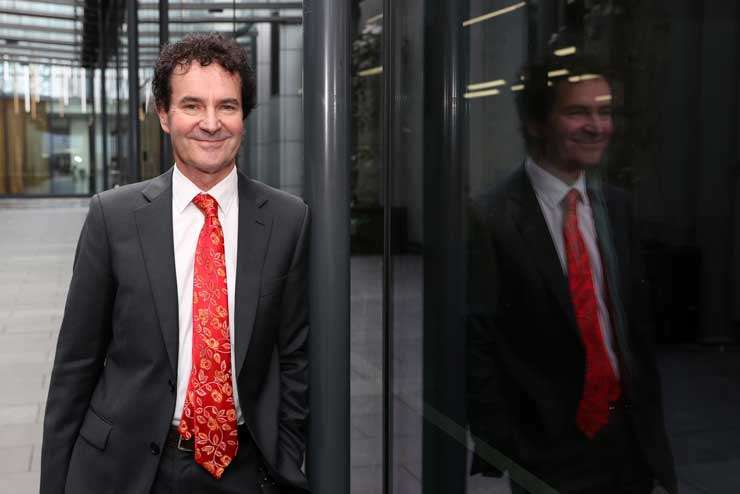
Independent economist Tony Alexander: "If the rules are changed again to make property investment less remunerative, this will be good for first-time buyers looking to make a purchase." Photo / Fiona Goodall
As a one-off this month in my survey, I asked people selling why they plan to do so. Twenty-eight percent said they are selling to fund their retirement, and 27% said the returns no longer justify holding onto the property. However, 15% said they were selling to buy something that better suited their investment requirements.
This reminds us that there is demand for investment property not just from people making such a purchase for the first time but also by some who already have experience of running a rental business. This is important because over one-third of the population needs rental accommodation, and the private sector is needed to provide this important service.
If the rules are changed again to make property investment less remunerative, this will be good for first-time buyers looking to make a purchase, as many have been doing since early 2023. It will be good also for house price restraint generally. But if reduced investment in property manifests itself as less construction of new property overall, then we will see renewed worsening of a property shortage, and this time it will be of rental accommodation, not owner-occupied dwellings.
But we are not there now and probably don’t risk such a scenario until net migration flows are much stronger. After all, a net 32% of investors in my survey just said they are finding it hard to get a good tenant, whereas the five-year average is only 5%.
- Tony Alexander is an independent economics commentator. Additional commentary from him can be found at www.tonyalexander.nz