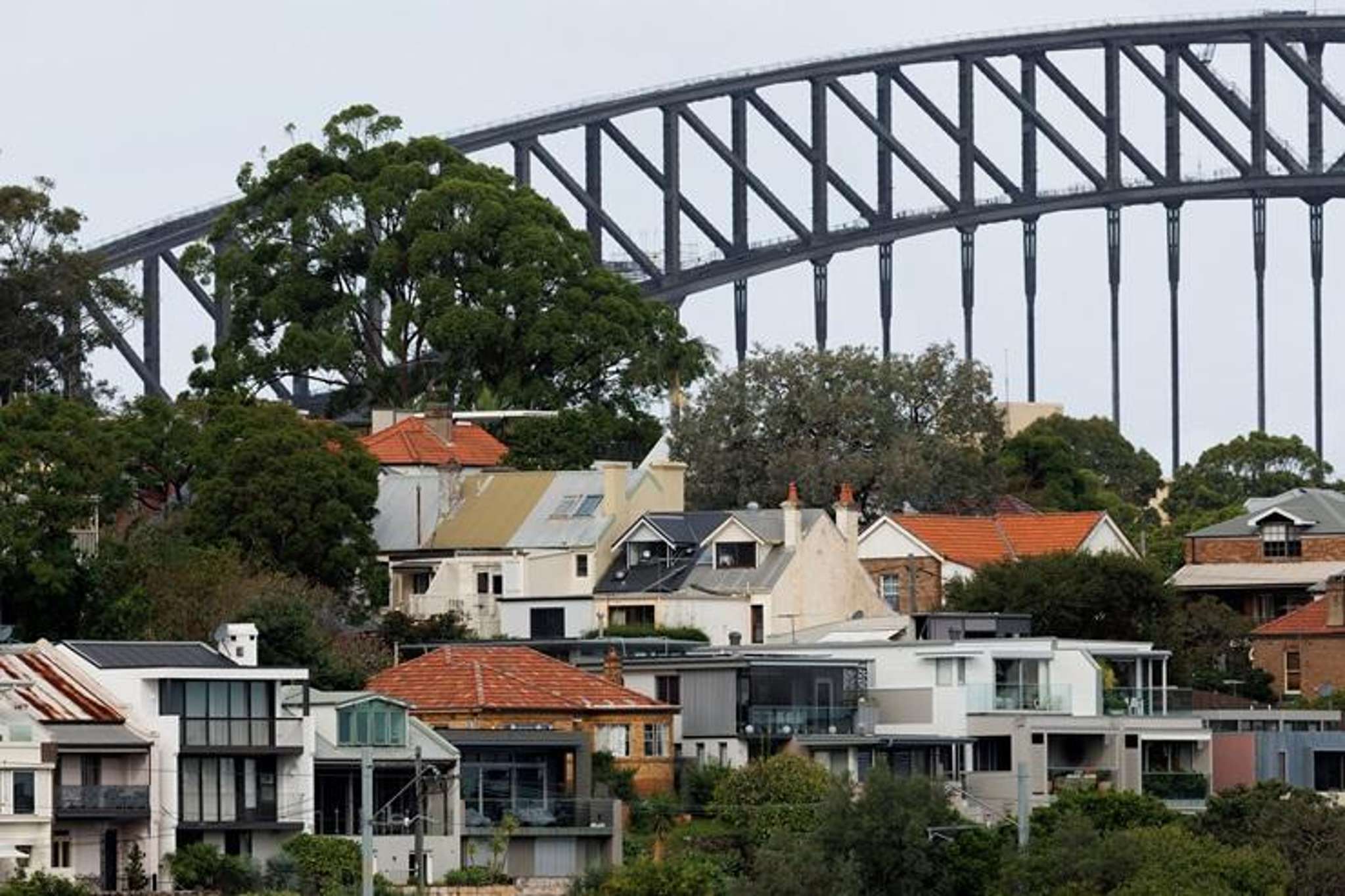
ANALYSIS: One of the favourite topics discussed by Kiwis last year and through 2024 was the high net loss of people to Australia, including not just those in their early 20s but often the generation before them. To those people thinking of making the move, I have nothing particularly insightful to offer with regard to likely wages, house rents and prices etc. But here is some information on the exchange rate.
From 2013 to 2025, the rate of exchange between the Kiwi and Aussie dollars moved broadly from 90 cents to about 96 cents. This week, the Kiwi dollar fell below 86 cents – the lowest reading since July 2013.
The sudden move down from 93 cents in July last year will come as a nasty shock to people in their 30s-50s who are contemplating moving across the Tasman because chances are they will be taking funds with them, and those Kiwi dollars are going to buy far fewer Aussie dollars than anticipated, which in turn will have an impact on their ability to buy a house in Australia.
The two questions I’d like to address here are:
Start your property search
1. Why has the exchange rate changed so much in six months?
2. Is it reasonable to expect it rise back above 92 cents anytime soon?
The key cause of the change is the divergence in both countries' monetary policies. For all months bar one between March 2014 and October 2024, the cash rate set by the Reserve Bank of New Zealand was above the rate set by the Reserve Bank of Australia. In November 2024, New Zealand’s rate was cut from 4.75% to 4.25% while Australia remained for a few months beyond then at 4.35%.
Discover more:
- Tony Alexander: Why the 2026 election is throwing house price predictions off course
- Why beachfront properties in this Coromandel town are selling for half the price
- Is this NZ's tiniest luxury home? Striking Queenstown bach up for grabs
Now the respective rates are 2.25% and 3.6%, and the 1.35% gap in Australia’s favour is the largest since April 2012. The key point to note beyond the basic difference is that over the past 6-9 months, the views on where monetary policy would head in New Zealand and Australia have changed.
Locally, we saw expectations build for a greater-than-expected cut in the NZ cash rate to eventually 2.25%. But at the same time, stronger-than-expected inflation data in Australia caused its rate expectations shift from additional cuts to no further cuts at all.
This explains the sharp decline in New Zealand’s currency against Australia’s. With regard to where we go from here, the biggest influence will be expectations for how both respective cash rates will be altered. In Australia, the markets think there may be a rate rise as early as February, with more throughout the year. Here, the common expectation is for a rate rise from late 2026, though past behaviour by the RBNZ suggests it will not move until some time next year.

Independent economist Tony Alexander: "The sudden move down from 93 cents in July last year will come as a nasty shock to people in their 30s-50s." Photo / Fiona Goodall
A sustained interest rate advantage to the Australian dollar over 2026 and 2027 suggests that it would not be reasonable to expect much recovery in the NZD against the AUD until 2028, maybe late-2027.
The message for Kiwis contemplating a shift to Australia is that you’ll have to get used to your monetary assets not buying as many Aussie dollars and as good an Aussie house as you have been thinking. It will be interesting to see if this purchasing power effect causes some of these older potential emigrants to rethink their plans.
But equally, it will be interesting to see if the same exchange rate factor causes younger people with no financial assets to look at working in Australia even more favourably. Why? Because any given wage or salary in Australia will now convert back into a lot more Kiwi dollars than was the case just six months back. Yes, the weaker NZD also means grocery prices and rents in Australia when converted back to NZDs will also be higher.
But speaking from experience, in my own case in the 1980s, I never converted unknown living costs into NZDs when planning my move across the ditch, only the salary on offer.
- Tony Alexander is an independent economics commentator. Additional commentary from him can be found at www.tonyalexander.nz