OneRoof’s Ask the Expert is a new weekly series aimed at helping consumers cut through the noise when buying goods and products for their home. It’s hard to make a decision when there’s so much out there, and the sheer volume of online recommendations is overwhelming. We live in an age of fake reviews, so who better to trust than the people who have the expertise and use these items for a living?
If there’s one kitchen item worth investing in, it’s a frying pan. Yet most of us continue buying cheap non-stick pans that scratch, warp, or lose their coating within a year or two and need replacing.
We asked three Beef + Lamb Ambassador chefs, Cameron Davies, Chetan Pangam, and Dean Thompson, to identify their favourite frying pan.
They all agreed that a good frying pan isn’t a trend piece or a gadget, it’s a hardworking tool that earns its keep every time you step into the kitchen.
Start your property search
Their advice was also unanimous: skip the throwaway cookware and invest in cast iron or high-quality carbon steel. With proper care, these pans won’t just last longer, they’ll make you a better cook.
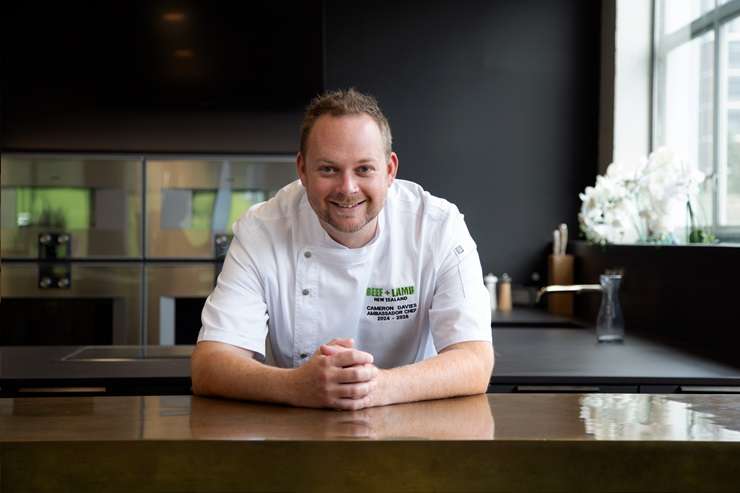
Fat Duck chef Cameron Davies: “There are too many cheap non-stick frying pans out there." Photo / Supplied
At the Fat Duck in Te Anau, chef Cameron Davies says home cooks should pick a frying pan that will last, revealing his pan of choice is an Ironclad.
“There are too many cheap non-stick frying pans out there, and they all last a couple of years and end up in the landfill. So, buy a good pan once,” Davies tells OneRoof.
He likes a heavy frying pan and says they are better at retaining heat to get a nice crust on your steak, vegetables or fish, something a lightweight pan can’t replicate.
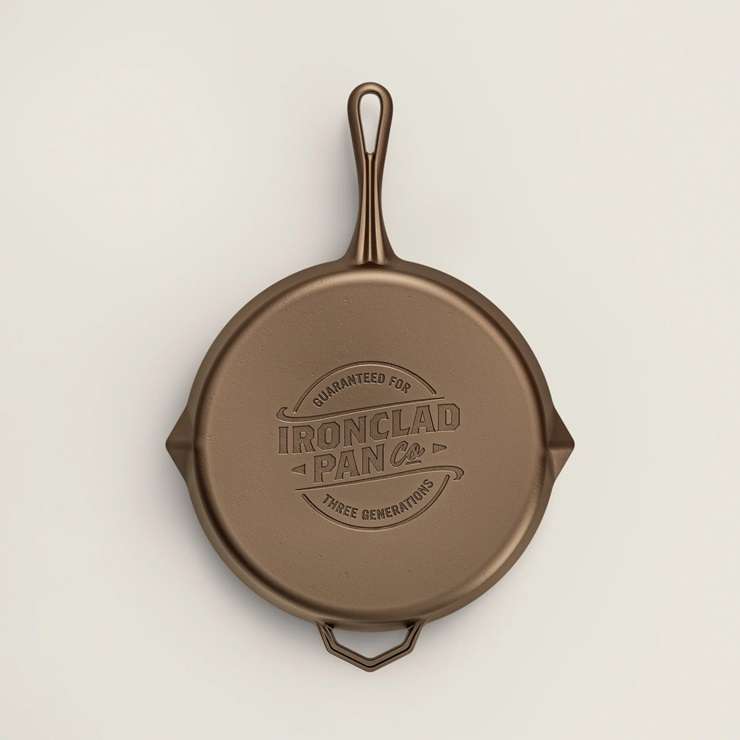
Davies is a big fan of Ironclad's legacy pan. Photo / Supplied
Ironclad's legacy pan at 28cm is large enough for family meals, but those looking to cook for larger gatherings, the 36cm Grande says it’s big enough for eight steaks or a leg of lamb.
Davies' top tips for cooking a great steak are to take the meat out of the fridge an hour before cooking, add some seasoning to it, and then throw it onto a hot cast-iron pan. Form a nice crust and then keep rotating until finished.
“Make sure that meat is rested for at least half the time that you've cooked it for,” he says.
Pangam, owner of Bellbird Eatery in Lower Hutt, has used many pans in his cooking life, both at home and in commercial kitchens, and has a clear favourite.
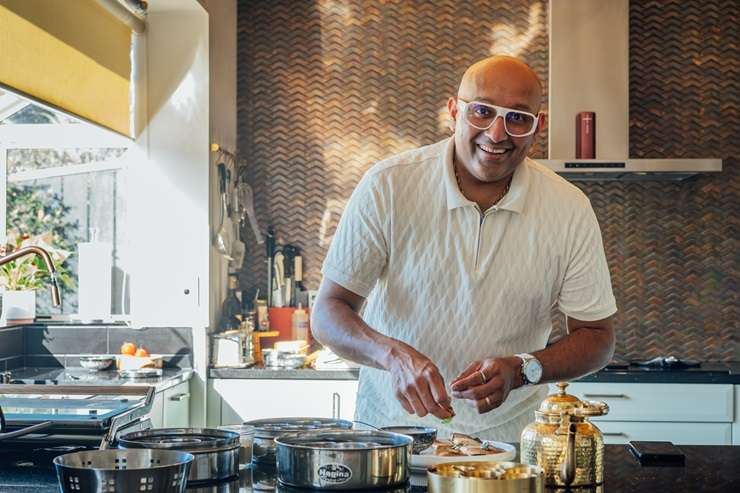
Bellbird Eatery owner Chetan Pangam's seasoning routine includes heat, salt, and oil. Photo / Supplied
“Cast iron is probably one of the best that you can buy. It’s an investment. It’ll last you a lifetime, probably for generations.”
Pangam recommends home cooks buy the best quality they can afford and season it properly so it lasts a lifetime. Seasoning the pan is the practice that makes cast-iron naturally non-stick, flavoursome, and long-lasting. His seasoning routine includes a combination of heat, salt, and oil.
In a nod to his South Indian culinary roots, he also uses an old-school salt-water slurry that both seasons the pan and gently seasons the food. To get the best results, he recommends heating the pan, adding a saltwater slurry and then wiping it out with a cut, oiled onion. It adds flavour, adds seasoning, and makes it non-stick, Pangam says.
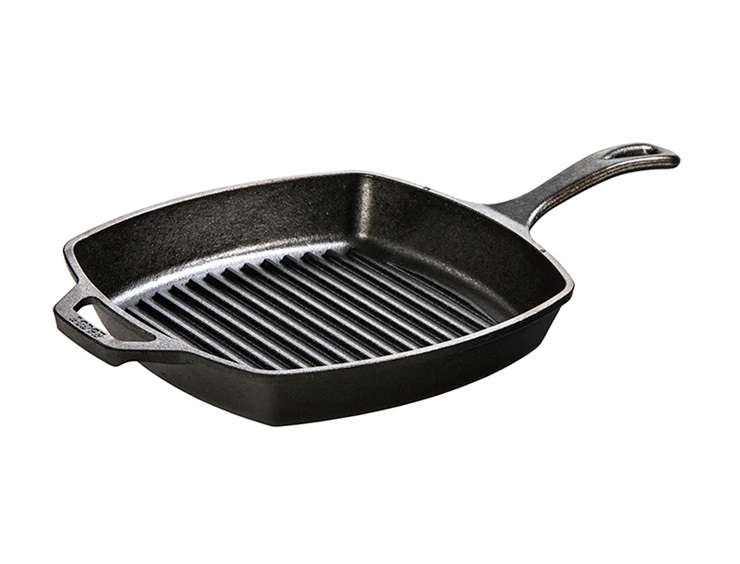
Lodge's 26cm square grill pan. Photo / Supplied
Sometimes a cheaper pan might be easier to get a hold of, but if you start adding up the cost of buying four or six, you might as well just buy one good cast-iron one, Pangam tells OneRoof.
LeCreuset has been around for generations and makes good cast-iron cookware, including this cast-iron everyday pan or this enamelled cast-iron skillet, which comes in sizes up to 30cm and has a lifetime warranty.
At Bellbird, Pangam uses commercial kitchen pans, but at home, he has a flat skillet for crepes and anything else that needs sauteing. He also has a cast-iron rectangular grill, which can be found at Lodge.
Pangam says a quality stainless steel pan is the workhorse of any good kitchen; look after them, and they look after your food.
He urges home cooks to find a decent gauge: a fully clad, 3-ply or more stainless steel LeCreuset is one such example. Total food equipment also has a series of stainless-steel cookware, including quality frying pans.
Schnappa Rock Tutukaka chef Dean Thompson is also a cast-iron supporter. He recommends Ironclad, but notes that home cooks should buy the best they can afford.
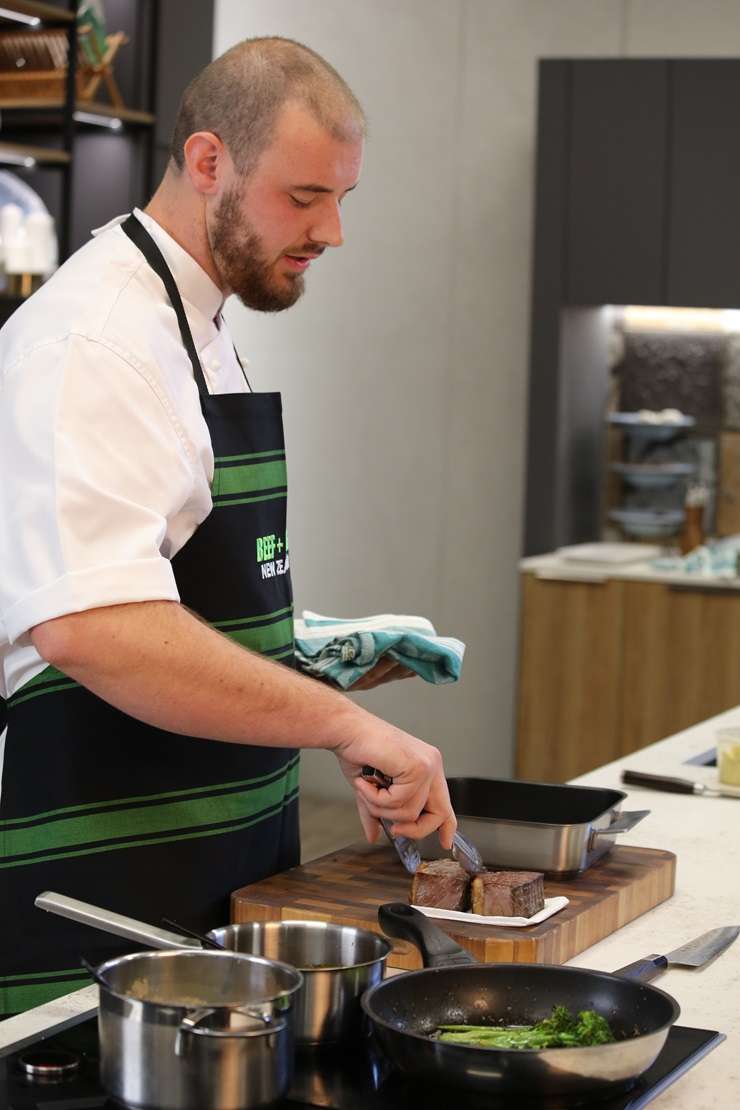
Schnappa Rock Tutukaka chef Dean Thompson: “If you don’t get it hot enough, the pan just won’t hold the heat." Photo / Supplied
Home cooks often underestimate how much heat a steak needs, he says, something a cast-iron pan solves instantly. “If you don’t get it hot enough, the pan just won’t hold the heat, but once you get a cast-iron pan up to heat, it will hold it,” he says.
Thompson is happily dismissive of the “rules” people often have for cooking steaks, such as the finger-test method for doneness or only flipping a steak once.
“I’ve always been against the finger one. What if you’re a skinny person with less flesh? The feel is going to be different for every person,” he says. “I think over time, you get a feel for it."
While Thompson uses a cast-iron pan at home, Schnappa Rock use a reverse sear method on their steaks. Scotch Fillet is slow roasted for up to 12 hours in an oven at around 50 degrees to gently bring the internal temperature of the meat up to the desired level. The process renders the fat and enhances the meat’s flavour and tenderness. It also acts as a built-in resting period, ensuring the juices remain within the steak before the final sear. Just before serving, the steak is seared on a hot grill to caramelise the outside, developing a delicious crust.