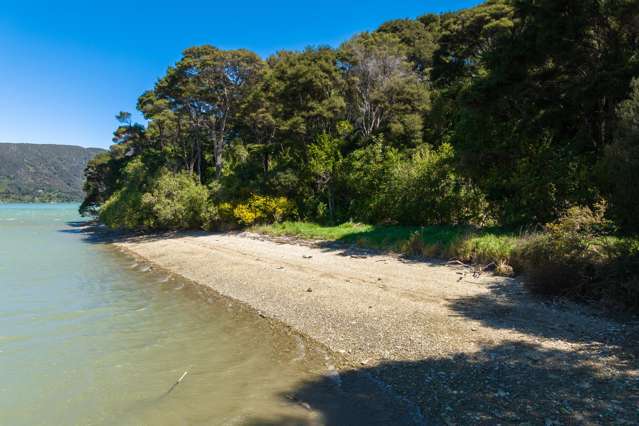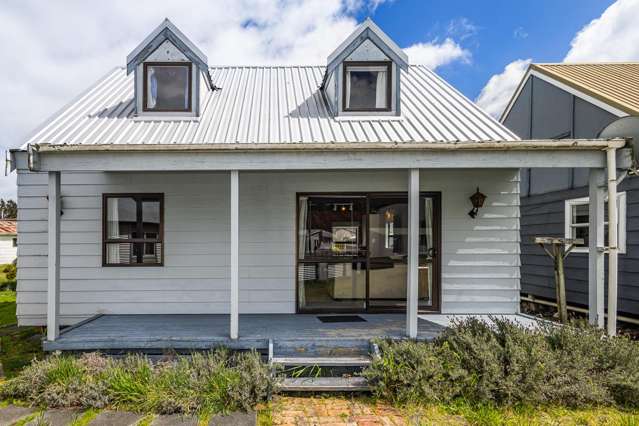
- Owning a bach is increasingly difficult due to high coastal property prices, often leaving inheritance as the only option.
- Multi-ownership can cause family conflicts, so agreements on management and expenses are essential.
- Experts recommend property sharing agreements to manage costs and prevent disputes among siblings.
The great Kiwi dream, after home ownership, is owning a slice of paradise – a bach at the beach, or even the lake.
Start your property search
But these days – with coastal and lakeside property fetching astronomical prices - the chances of owning a house near the water are out of reach for many.
For a lucky few – or unlucky, depending on how you see it – the only opportunity to keep the golden memories of a beach home holiday alive is through inheritance.
But Auckland senior family lawyer Jeremy Sutton warns that multi-ownership carries many pitfalls and can often tear families apart after mum and dad are gone.
“It gets quite difficult because what you’ll find is, unless the parties are getting on really well, one party may use the house more than the others and then are they all going to share the outgoings, and it causes some acrimony between them,” he told OneRoof.

Family lawyer Jeremy Sutton urges family members with a shared bach to draw up a contract. Photo / Supplied
“Who’s going to manage a beach house on Waiheke? Who’s going to manage the Airbnb, who’s going to pay the rates, what happens if the roof needs done? Can we afford to have repairs on the property? Who’s going to do the lawns?”
He said if the siblings go into multi-ownership, there needs to be a contract, or a mechanism that allows for circumstances to change, such as a buy-out clause.
“Really, it’s a case of the extended family all getting together at an early stage and deciding, well, ‘What are we going to do with this asset?’,” Sutton said.
Discover more:
- Wanaka couple buy decrepit bach for $335,000 as crowds descend on Great Barrier Island
- Iconic pub set to re-open after owner abandons sale - 'it just didn’t feel right'
- Christian couple’s life-size ark finally sells after getting $1.5m price tag
“Do people want to sit with an asset that potentially is quite a large part of the estate?”
Bayleys Matakana agent Kellie Bissett said owning a bach was a nice idea, but often beneficiaries were at different stages of their lives, making it unfair or impractical to hang onto it.
“I’ve known siblings who are geographically challenged and living in a different town or country,” she said.
“Others who have been unable to afford the time to regularly use it, as the kids all play sport and work just doesn’t allow the time away.”

Families can tear themselves apart fighting over the shared bach if things turn sour. Photo / Getty Images
She said it could be difficult to get everyone on the same page when it came to making the ultimate decision to keep or sell a family beach house.
“If there is division in the ranks, the most transparent and fair way to move forward might be to put it to the market, and if a couple of the kids want to band together and buy it at market value, they can.
“This allows those who can afford to hang on to it the opportunity to do that, and means the others can extract their share of the funds to help with their own circumstances.”
Bissett said the decision often came down to money. “They simply can’t justify keeping the bach when putting the proceeds elsewhere would make a significant impact on their life right now.
“I’ve had scenarios where selling the bach has allowed children educational opportunities, helped adults with house alterations for physical disabilities, and even contributed to life-lengthening medical interventions.”
The luxury of hanging on to the bach could often fall to one or two of the children who have to cover all the costs for the benefit of all, she said.
“Of course, irritations can fester if everyone is not on the same page. Even a new wife or husband can meddle with the family dynamic and cause stress.”

Pidgeon Judd senior associate Alex Sheehan: “I would always encourage parents to discuss with their children what their wishes are.” Photo / Supplied
Add the family “black sheep” into the mix, and it’s a recipe for disaster, Bissett said.
“They will turn up at their leisure, and eat, sleep, imbibe, and never replenish the cupboards or supplies. Good luck getting a contribution to the power bill or insurance from them.
“They’ll probably not recognise the effort that goes into mowing the lawns, washing the roof or keeping the windows clean between visits, and they’ll also be the ones who don’t wash the sheets before they leave.”
Shared responsibility typically came with rules to keep the peace, Bissett said. “Having an agreed understanding of how families will split the annual bills – insurance, power, maintenance – and how they will manage the calendar. It’s important to have a kitty arrangement for stocking up everyday supplies. If there are boats, vehicles, or sports equipment, then there needs to be some mutual rules on responsibility for them.”
Pidgeon Judd senior associate Alex Sheehan said beach houses had the potential to cause conflict after parents died. “I think that’s because people have a lot of memories of great holidays that they have at the bach.”
Sheehan, who specialises in trust and estate planning, said he encouraged siblings who have inherited a bach to put in place a property sharing agreement. “It sets out payment of the utilities, and a well-drafted one would also include a process for sale.”
For example, if there were two children and one wanted out, the other would get first right of refusal, meaning they would be offered the chance to buy the property before anyone else.
“If they can’t do that, then the property goes on the market. It means that you aren’t trapped in it if you don’t want to be.”
Sheehan said such an agreement should be reached as soon as possible after parents died and before any resentment grew.
Warning children what was ahead was also an option for parents, Sheehan said. “I would always encourage parents to discuss with their children ... what their intentions for their estates are and what their wishes are.”
If the family bach was in a trust, it wouldn’t form part of the estate, Sheehan said, and wouldn’t be distributed the way an estate usually was. In such cases, it’s common for the children to be appointed trustees, which could be a way to preserve the bach for future generations. Otherwise, the trust is wound up, the bach is sold, and every trustee gets their share.
Unlike in an estate, where a person’s will lists beneficiaries, there is no claim to entitlement in a trust for those who aren’t trustees.
Sheehan said if families agreed to hang on and hash out a fair agreement, successful multi-ownership was possible. “I have a friend who has an intergenerational bach, and they have their own app just for their [wider] family so they can co-ordinate bookings and who can use it.”
He said adult children contending with others from a blended family could find themselves in a “very acrimonious” situation, and that’s where a “pre-nup” or “contracting-out agreement” should be in place.
“I’ve seen it get quite messy. I had a client where there was a complicated arrangement of them buying into a beach house and it was all done on a handshake, but the other side never really honoured it, and it was very close to litigation,” he said.
“But even if you do settle it, you can still end up with a huge amount of family heartbreak in the process.”
- Click here to find properties for sale