1. Supply outpacing demand
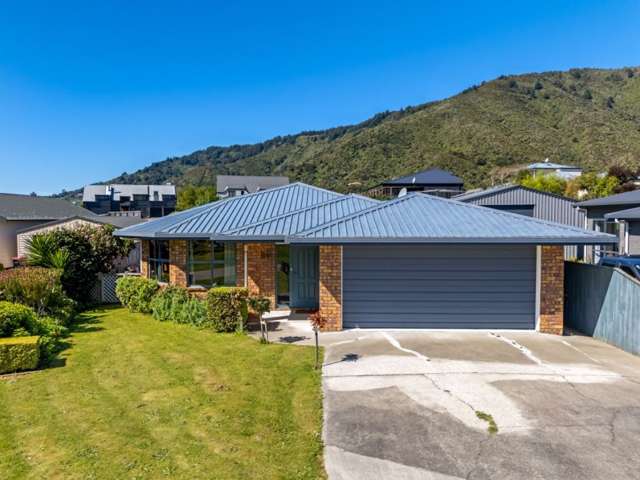
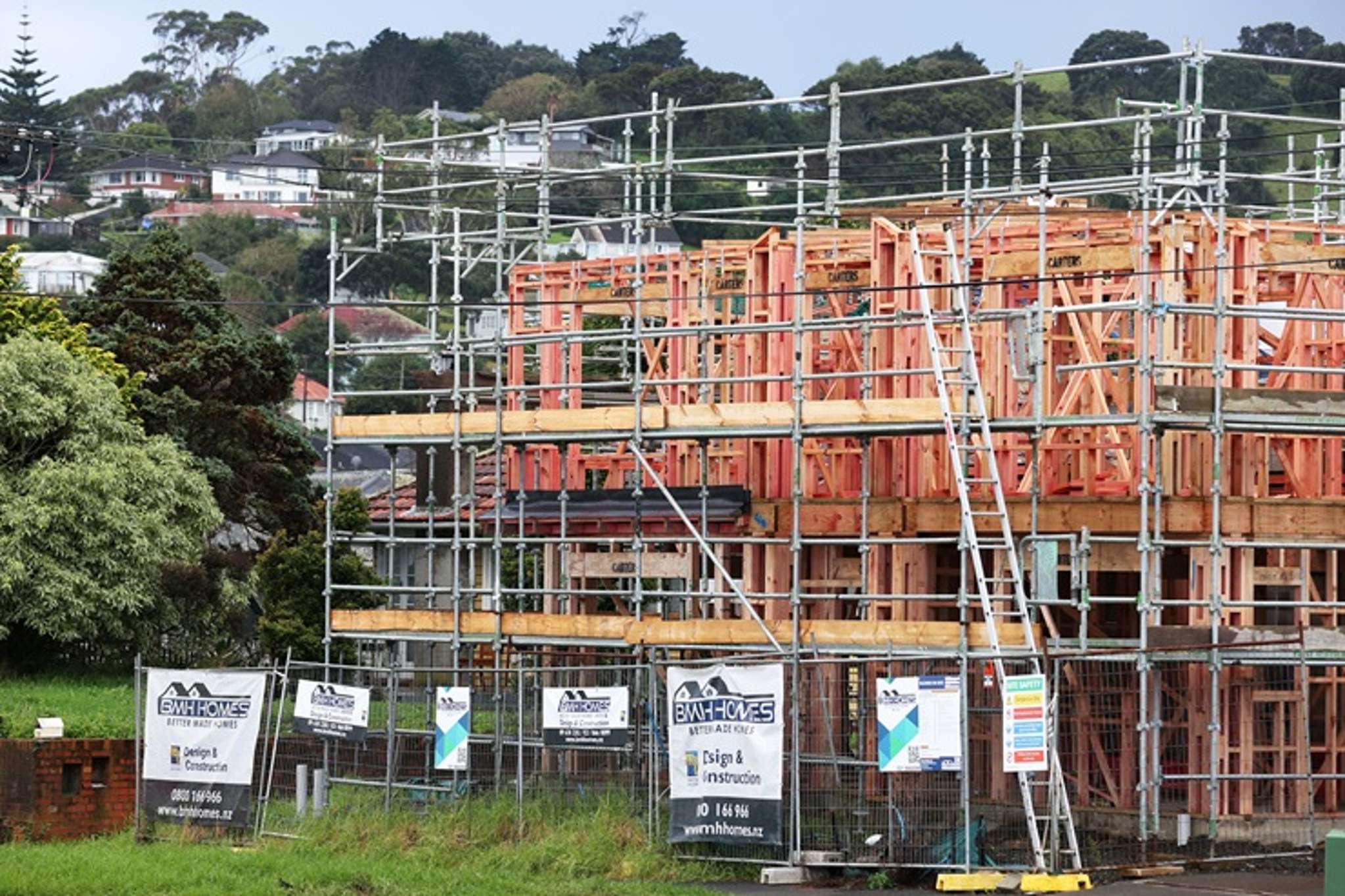
Last week, Cotality published research looking at how the dwelling stock has changed in various parts of the country relative to population growth in recent years – an insight into physical supply versus demand. It’s not a major surprise to see that supply outpaced demand in Auckland and Wellington in the five years to 2024, which is no doubt part of the reason why property values in those markets have remained so subdued lately. By contrast, despite strong supply increases, Hamilton and Tauranga saw even faster population growth, explaining some of their price resilience.
Elsewhere, other population hotpots such as Waikato District, Selwyn, and Waimakariri have also had strong supply growth to match, meaning property values and housing affordability have been kept in check to some degree. The outlier is Queenstown, where even though construction activity has been strong enough to match population growth, affordability remains challenging. That just shows yet again the unique nature of that market, with local and imported wealth a key factor.
Overall, when you look at the recent changes in the number of dwellings we have nationally versus our population growth, the strong conclusion is that supply and demand are better balanced than they’ve been for several years. No surprise, then, that shortage is just not a word you hear much anymore. That might not always be the case (although the Government is pushing hard on this front), but it’s a positive thing right now.
Start your property search
2. Rents remain strikingly weak
On that note, it’s not just house prices that are being dampened by a balanced supply and demand picture at present; rents are too. Taking the median national rent over the three months to July ($593 per week) from MBIE’s bonds system – which is, in effect, for new tenancies – there has been a drop since the same period in 2024 of around $7 (-1.1%).
Now, that’s not a massive decline. But you still have to go back more than 15 years - around the GFC - to find the last occasion when rents fell. In other words, it’s pretty unusual for the rental market to favour tenants this much.

Cotality chief economist Kelvin Davidson: "Supply and demand are better balanced than they’ve been for several years." Photo / Peter Meecham
3. Less migration has slowed rental demand
Why has rental demand softened? Lower net migration is a big factor, and Stats NZ figures show that net migration in the 12 months to the end of July was around 13,000, significantly below the long-term average of more than 30,000. To be fair, there have been hints in the past few months that migrant departures from NZ have reached a peak and arrivals might just be starting to rise again. In other words, this may be the low point of the cycle. But it’s early days and these figures can be subject to downward revisions, i.e. caution is still warranted.
4. Is inflation easing?
The first key economic release to watch this week will be Stats NZ’s selected price indexes for August, due Tuesday. It’s a monthly series covering about 45% of the benchmark quarterly CPI, including some key items such as food and rent. The recent upwards trend is something that the Reserve Bank is prepared to regard as temporary – hence the outlook for more OCR cuts to shore up the economy. But we'd all feel happier if Tuesday’s data showed a slowdown in inflation.
5. The last weak GDP reading before an upturn starts?
The second key release is the Q2 GDP data, released by Stats NZ on Thursday. The economy may have shrunk by as much as 0.5% in the three months to June, which would obviously be a disappointing result. But as always, it’s old news, and there’s a sense that Q3 (and beyond) has been better, as the economy slowly starts to respond to lower interest rates.
- Kelvin Davidson is chief economist at property insights firm Cotality