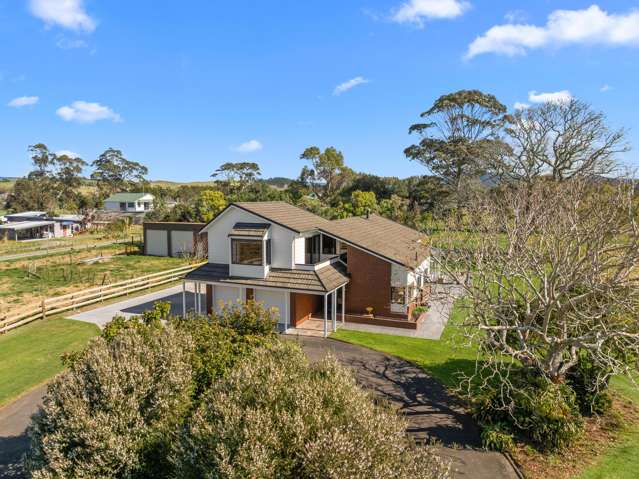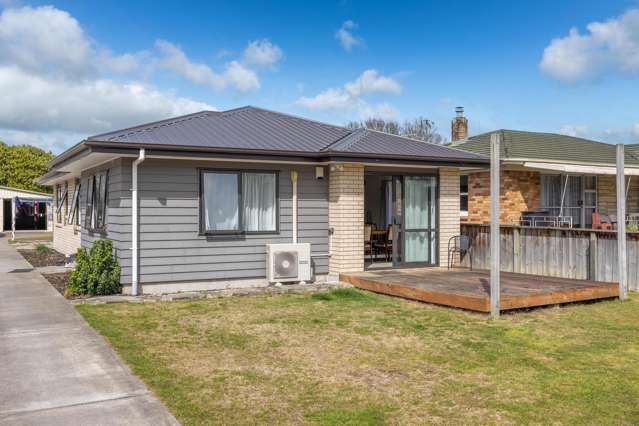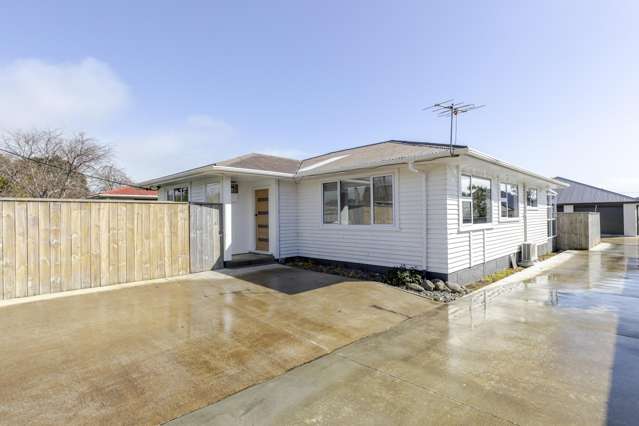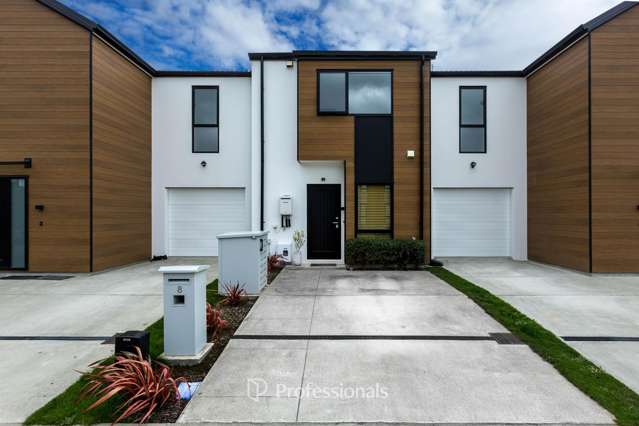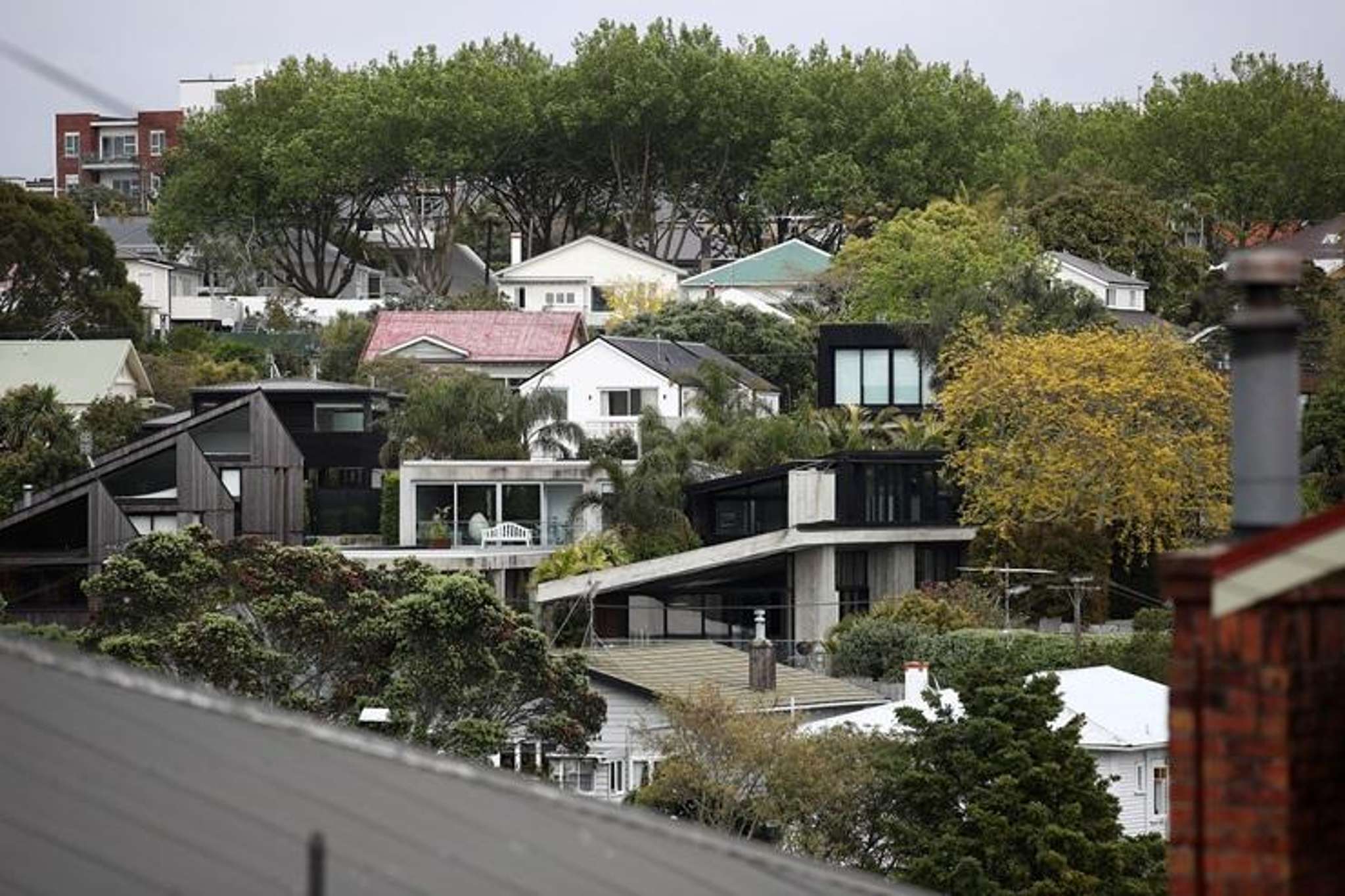
- House price growth is sluggish, with affordability still a concern for buyers despite falling interest rates.
- Wellington’s property values dropped significantly, while Queenstown-Lakes saw a rise due to luxury market interest.
- Tasman and smaller markets showed some growth, but overall sales remain low, limiting future predictions.
Stock levels are high, but the right kinds of houses are still hard to find. House price growth is sluggish, but affordability remains a concern for buyers. Falling interest rates have cleared a path for investors, but tenants are hard to come by, and insurance costs have risen. The housing market is in an awkward position as it heads into winter.
Start your property search
For most buyers and homeowners, the big positive amid the uncertainty is the direction of travel on home loan costs. Mortgage rates are set to fall further as the Reserve Bank of New Zealand tries to offset the damage wrought by the trade war unleashed by the White House at the start of April.
The latest figures from the OneRoof-Valocity House Value Index highlight the housing market’s so-so performance over the last three months – and longer. The nationwide average property value hasn’t budged since the end of January, sitting at $970,000. That’s close to where it was a year ago ($977,000) and two years ago ($955,000).
That flatness can be seen in all but two of New Zealand’s major cities. In the three months to the end of April, Auckland’s average property value dipped 0.5%. Value growth in Christchurch was just 0.9% over the same period, while house values in Dunedin, Hamilton, and Tauranga were down by less than 1%. Bucking the trend are Wellington City, where the average property dropped by 3.7%, and Queenstown-Lakes, where the average property value rose by 2.2%.
Property values in the capital are still reeling from public sector job losses, and while sales are up annually, many sellers have had to take drastic measures to get deals over the line, with more than 50% of Wellington listings dropping their search or asking price since the start of the year.
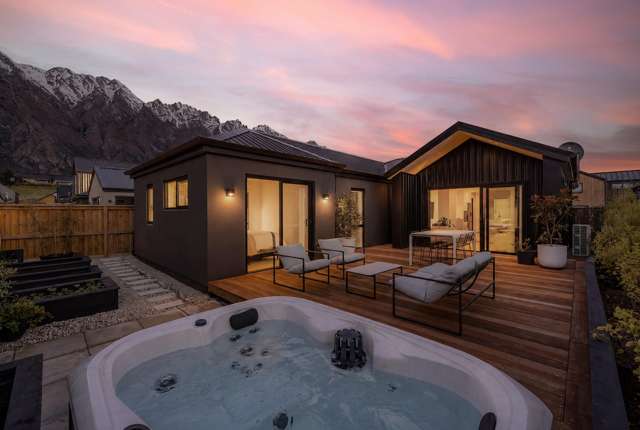
Prices in Queenstown-Lakes, on the other hand, have benefitted from a flight to real estate by the top end of the market and rising overseas interest in the wealthy enclave’s luxury homes.
Discover more:
- Tony Alexander: What you don't know about global trade wars - good, bad and ugly
- ‘Just bloody do it’: $1 reserve mansion sells for $3.5m after heartwarming twist
- OneRoof’s Need to Know: Netflix star’s secret mission to buy her grandparents’ home
The new RVs recently issued to homeowners in Wellington and Queenstown-Lakes also reflect the metros’ differing fortunes. Wellington’s median RV dropped by 24% since the last council valuations were taken, in September 2021, while Queenstown-Lakes’ median RV rose by 18% over the same period.
While overall price growth was sluggish over the last three months, the OneRoof-Valocity figures show positivity in some of the country’s smaller markets. Tasman’s average property value grew by 3% to $975,000. Neighbouring Marlborough was up 1.8%, while Gisborne, Southland, and West Coast were up by 1.7%, 1.4%, and 1.2%, respectively. However, low sales in these locations prohibit any attempts to make firm conclusions about their future direction of travel.
Mortgage experts predict the Reserve Bank and the major banks will cut interest rates further in response to Trump’s tariffs, but economic uncertainty and a pullback in spending plans may counteract the positive effects of cheaper home loans over autumn and winter.
Not helping is the glut of properties still for sale. The flow of new listing volumes has started to ease, with new listings for April down 12% annually, but total listings remain at near-record levels – just over 44,000 (up 7% annually).
While the above figures point to a buyer’s market, affordability is still an issue (the average house typically costs $202,000 more than it did five years ago). Anecdotal evidence also suggests that some buyers dislike much of what’s on offer. In Auckland, properties in flood-prone areas are a turn-off. High price expectations or a scarcity of larger family homes in good school zones are also frustrating buyers.

The average property value in Queenstown-Lakes has risen 2.2% to $2.079m over the last three months. Photo / Getty Images
The number of suburbs on the up has shrunk since the start of the year. Just over half of the suburbs covered by the OneRoof-Valocity analysis recorded value growth in the three months to the end of April, down from 70% in the three months to the end of December.
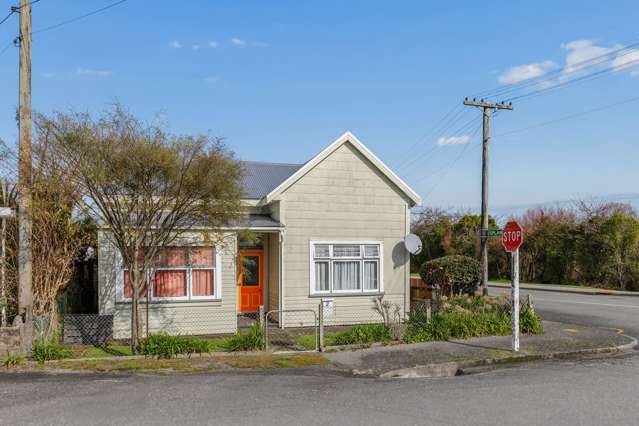
The deterioration can also be seen at the extremes: the biggest quarterly increase at the end of April was 5.3%, in Riverton/Aparima, but four months ago, the top-ranking suburb, Blaketown, had enjoyed quarterly growth of 8%.
Joining Riverton/Aparima at the top of the quarterly growth table at the end of April were: Glenorchy (+5%); Te Kuiti (+4.9%); Merivale (+4.3%); and Ohai (+4.2%).
Wellington continues to dominate the list of falling suburbs, with Wellington Central again recording the biggest drop. Its average property value tumbled 6% (-$29,000) over the last three months to $454,000. It also suffered the biggest year-on-year value drop – a plunge of 20.4% (-$116,000).
The biggest dollar gains over the quarter were in Arrowtown (+$79,000), Glenorchy (+$75,000), and Merivale (+$68,000), while the biggest dollar drops were in Grey Lynn (-$62,000), Saint Heliers (-$58,000), and Brooklyn (-$57,000).
- Click here to find properties for sale