Choosing a good real estate agent could be the difference between selling and not, getting a top price, or just scraping in over reserve. Think long and hard before choosing to sell privately. It can work, but do you have the time and skills to do a good job?
- Real estate agents in New Zealand need a licence from the Real Estate Authority and must adhere to a strict set of rules.
- They should know your market, have potential buyers on their books, and are trained in negotiation and sales skills. Typically agents are skilled in digital marketing, social media campaigns, and increasingly use targeted AI tools.
-Real estate agents must understand the Real Estate Agents Act, their Anti-Money Laundering and Countering Financing of Terrorism (AML/CFT) obligations, privacy laws, and tax issues such as the bright-line test.
Start your property search
- The agent works on behalf of you, not the buyer.
- Selling privately can save commission, but is a lot of work.
The majority of homes in New Zealand are sold using a real estate agent.
Real estate agents are sales people whose job it is to sell homes. Agents advertise and market your property, and they negotiate with potential buyers. A good agent will help you with strategy, presentation, marketing, pricing, buyer engagement and negotiation.
1. How to choose a real estate agent
Most sellers choose agents, rather than the agency they work for. But it’s worth investigating the agency’s track record in the location you’re selling in, and to consider its fees.
All agents will tell you they’re the best. Ask friends and neighbours for recommendations of agents they have used. Your questions should include if the agent created a good marketing plan, is honest and professional, a good negotiator, communicates frequently, and doesn’t pressure sellers.
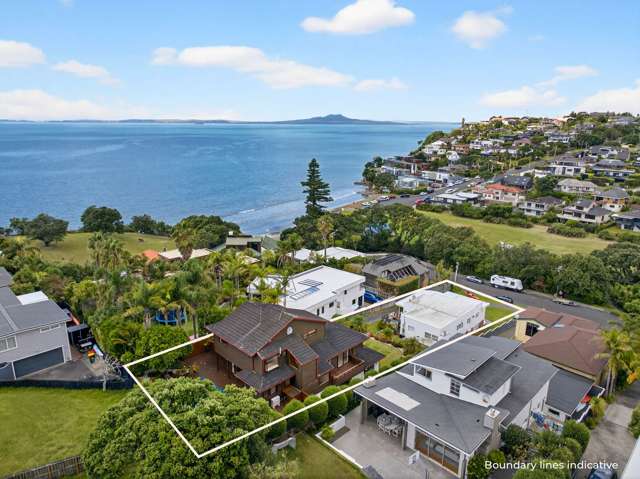
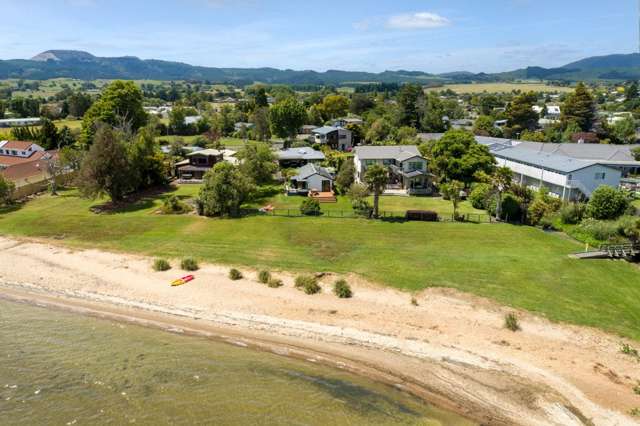
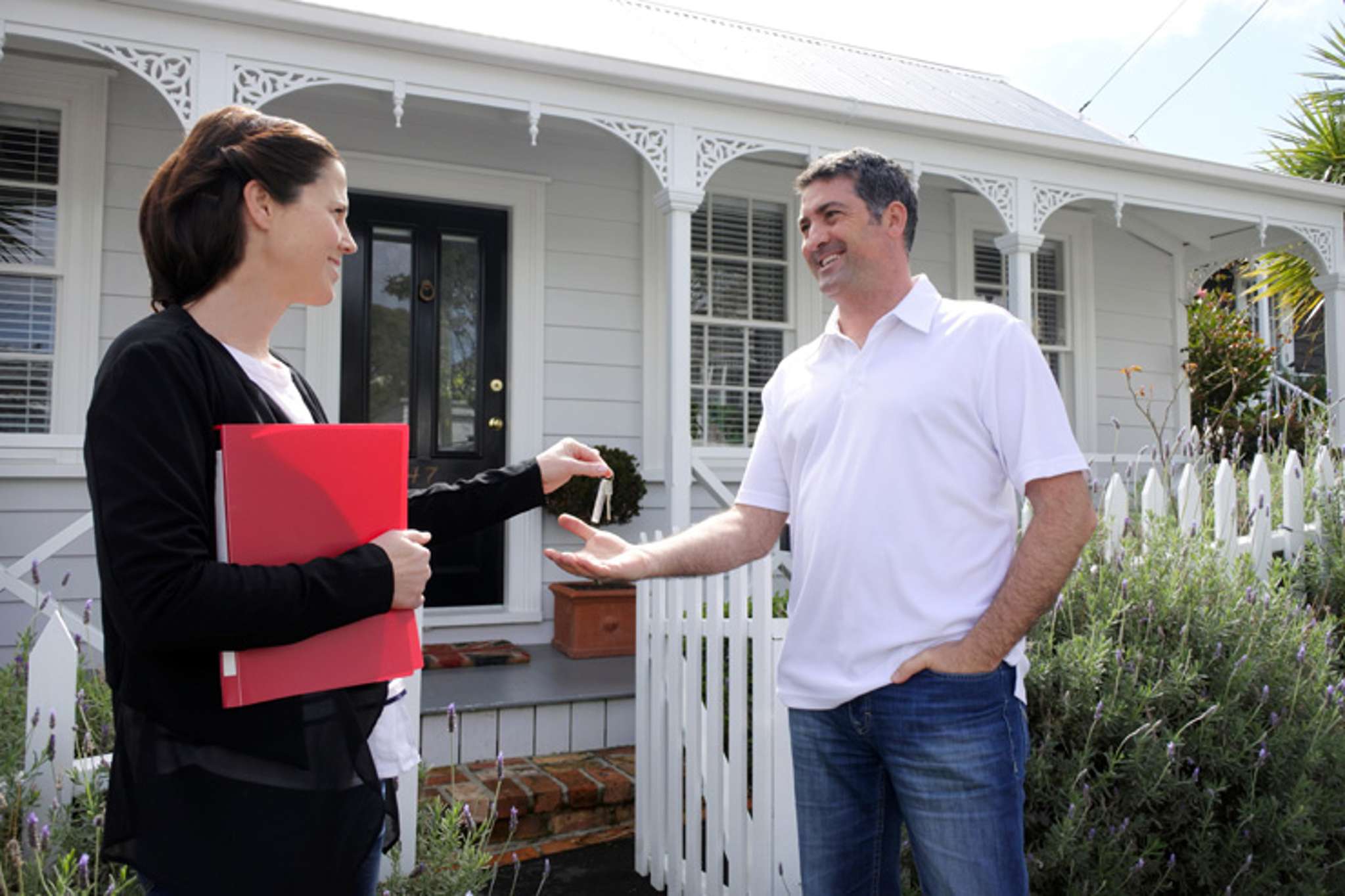
A good agent will help you get the best price for your home and will know where it sits in the current market. Photo / Ted Baghurst
Always check the Real Estate Authority’s public register to ensure the agent has a current licence. The register also highlights any disciplinary action against the agent in the past.
Once you have done that, create a shortlist then interview the agents to see if you can work with them.
2. How much do real estate agents charge?
It can cost more than the price of a brand-new car to sell your property. NZ real estate agencies typically charge tiered commissions. That can be 2.95%–3.95% on the first $400,000 to $500,000 of the sale price, then about 2% to 2.5% on the balance, plus GST. Some agencies offer flat-fee and hybrid (fixed-fee + percentage) options, especially for higher-value homes.
You can negotiate the agent’s commission. Be aware that some agencies include costs such as marketing, advertising and auctioneer in the commission package. With others you pay this in addition to the agency commission.
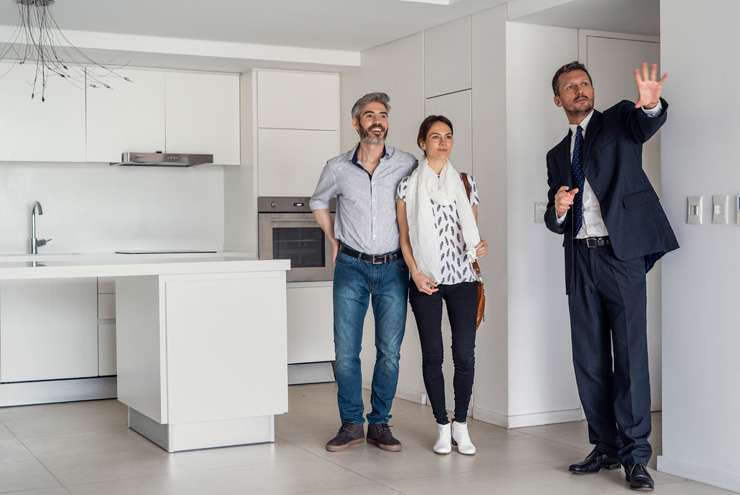
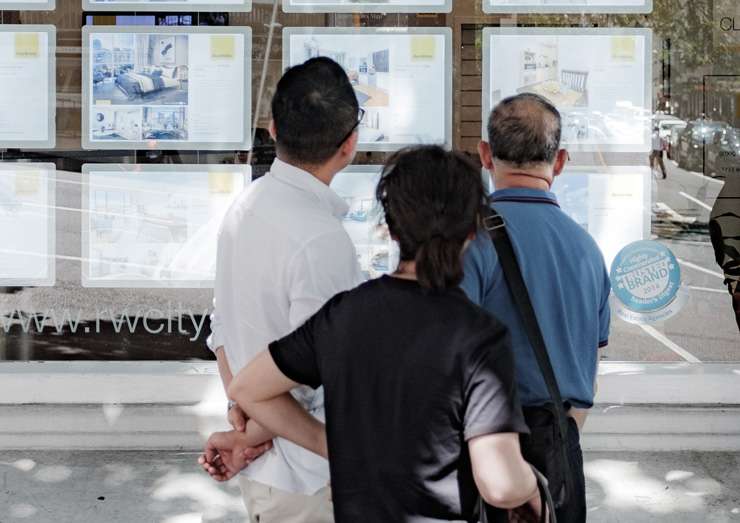
Try to find an agent who has a history of strong sales in your suburb. Photo / Getty Images
Most Kiwis usually choose one agency to sell their home. If your house doesn’t sell after the marketing period, you may choose to switch agents, or even open up the sale to a multi-agency.
3. Selling a house privately
There is nothing stopping you from listing your home for sale privately. You can put your own sign board up, advertise on private listings sites, do your own open homes, and negotiate/sign with the buyer.
You will still need a lawyer. Many private sales are between people who already know each other or family members.
Fewer people market their property privately than the statistics suggest because a) the numbers of homes sold “privately” are skewed by new homes sold by developers, which fall under the private sale category, and b) sales between family members, divorcees and others, where both parties know each other are recorded as private sales.
Read part five of our Home Sellers Guide: How to prepare your property for sale