
Personal finance writer Mary Holm answers your property and finance questions.
Question: My wife and I live in a very nice 182sq m home in an excellent suburb of Whangarei.
The home is worth $800,000. I am 60 and the only income earner. My wife is 63 and can't work for health reasons.
Our mortgage is $180,000. I am a real estate agent and have earned between $150,000 and $175,000 over the past few years since I have become established.
Start your property search
We have $65,000 jointly in KiwiSaver, which we still contribute to.
I can buy a section and build a 140sq m home, which is an ideal size for us.
We have one child and grandchildren who live in Whangarei so we don't need a large house for visitors. Two bedrooms plus an office is perfect.
We could build this smaller new home including the section for $550,000.
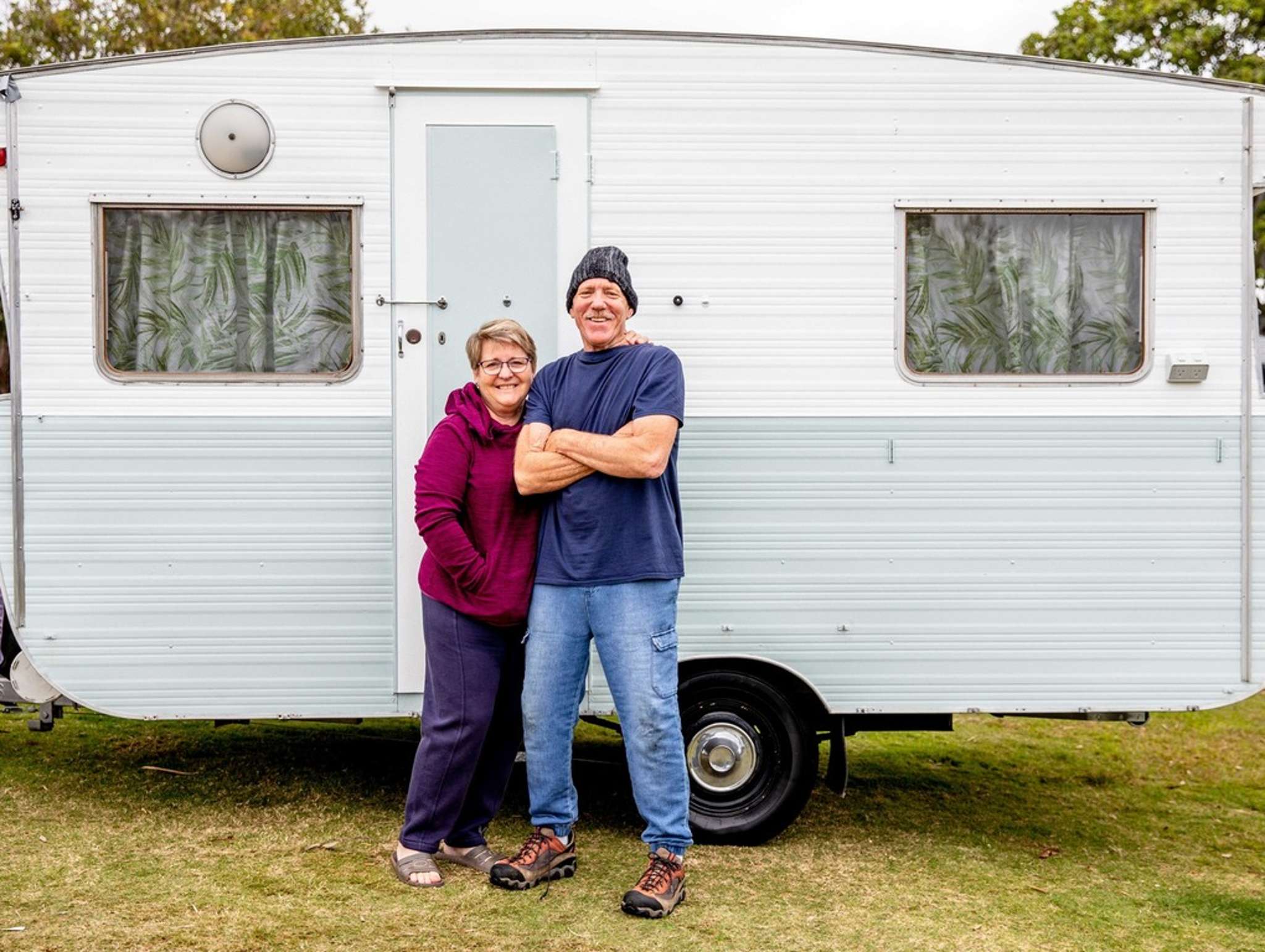
We would then have some money to buy a caravan for our getaways, have no pressure to earn so much, and we would be protected against any downturn in the property market.
Is our reasoning sound? Our current house — which we built with the same company we will use again — is in a better area, next to native bush, and is therefore a better investment, but there is a cost attached.
Mary: Your reasoning seems sound to me — except your assumption that your present house is a better investment because it's in a better area.
Good investments aren't about which property starts out worth the most, but about which one grows the most — and if it's a rental property, which one brings in the most rent per dollar invested. And, quite often, the cheaper ones perform better.
Crunching the numbers in the recent OneRoof Property Report shows:
- In the 12 suburbs where the median value in November 2015 was more than $1.5 million, the average gain in the three years since then was 15 per cent. And if we exclude Whitford, which had an extraordinary 36 per cent gain, the average was 13 per cent.
- In the 12 suburbs where the median value in November 2015 was less than $500,000, the average gain in the three years was 19 per cent.
And that period includes a rapidly-growing property market as well as a stagnant market.
It's the same story with shares. Higher-priced shares aren't necessarily the best ones to buy. I'm not saying high prices, for property or shares, don't tell us that these are nice places to live or well run companies. Of course they do. But the prices may not rise much more.
Meanwhile, the value of investments in areas that see improvements or become "in" places to live, or in struggling companies that get a break, may zoom up.
As US investor and author Benjamin Graham put it: "A great company is not a great investment if you pay too much for the stock."
What does all this mean for you?
Basically your one concern about your plan, that your newly-built house might not be as good an investment as your current house, may not be valid. In any case, you have several good reasons to go ahead. I particularly like the caravan idea, and less pressure to work so hard. Go for it!
- Mary Holm is a freelance journalist, a director of the Financial Markets Authority and Financial Services Complaints Ltd (FSCL), a seminar presenter and a bestselling author on personal finance. Her website is www.maryholm.com. Her opinions are personal, and do not reflect the position of any organisation in which she holds office. Mary's advice is of a general nature, and she is not responsible for any loss that any reader may suffer from following it. Send questions to [email protected]. Letters should not exceed 200 words. We won't publish your name. Please provide a (preferably daytime) phone number. Sorry, but Mary cannot answer all questions, correspond directly with readers, or give financial advice.