- The South Island’s housing market shows strong growth, with Queenstown-Lakes and Christchurch reaching record values.
- Wellington’s property values rose 0.3%, ending an eight-month decline, while Tauranga’s values grew 1.2%.
- Waiheke Island is now the most expensive suburb, with an average property value of $3.62m.
The slowdown in New Zealand’s housing market appears to be nearing its endpoint, with the latest OneRoof-Valocity house price figures showing strong growth in the South Island and a new contender for the country’s most expensive suburb.
Start your property search
Two of the South Island’s biggest markets reached record heights at the end of October. Queenstown-Lakes’ average property value jumped by 1.2% in the last three months to $2.11 million on the back of big-ticket sales and growing anticipation around the changes to the foreign buyer rules.
Quarterly growth in Christchurch was more modest, at 0.4%, but still lifted the city’s average property value to a new high of $805,000. Affordable prices and overall market stability have shielded Christchurch from the worst of the slump.
Also performing well in the South Island are Invercargill (up 2.2% over the quarter to a new high of $550,000) and Ashburton (up 1.2% to $658,000). The biggest growth region, however, is West Coast, which saw its average property value rise by 1.7% to $490,000, fuelled by bargain-hunters and owner-occupiers looking to upgrade.
In the North Island, a 0.3% lift in Wellington’s average property value to $943,000 ended an eight-month decline that saw house prices in the capital plunge by almost 5%. Feedback from agents suggests a turnaround in buyer activity, especially at lower price brackets, and an acceptance by vendors that values have dropped.
Tauranga is the North Island’s best-performing major metro over the quarter. Its average property value grew by 1.2% to $1.09m, after increased attendance at open homes, an improvement in clearance rates and some big sales in Mount Maunganui, all of which have helped build momentum in the market.
Discover more:
- Labour's capital gains tax plan - what it means for house prices
- 'Oh my God': Crowds swamp open home for blue beachside cottage
- Rich-lister Martyn Reesby pays $20m for waterfront mansion
While the nationwide average property value dropped $12,000 to $958,000 over the same period, the rate of decline has slowed since the start of spring, from more than 1% in winter to 0.2% at the end of October. The declines in Auckland, Dunedin and Hamilton have also eased, and anecdotal evidence from agents suggests buyers have been more decisive in the last few weeks.
Lower interest rates, they said, are having a positive effect on the market, as is the appearance of new stock. Expectations of another cut to the OCR later this month and plans by the Reserve Bank to increase the amount of low-deposit lending in the market will bring comfort to most buyer and seller groups.
What impact Labour’s recently announced plan for a capital gains tax on investment properties and secondary homes might have on buyer and seller sentiment is too early to gauge.
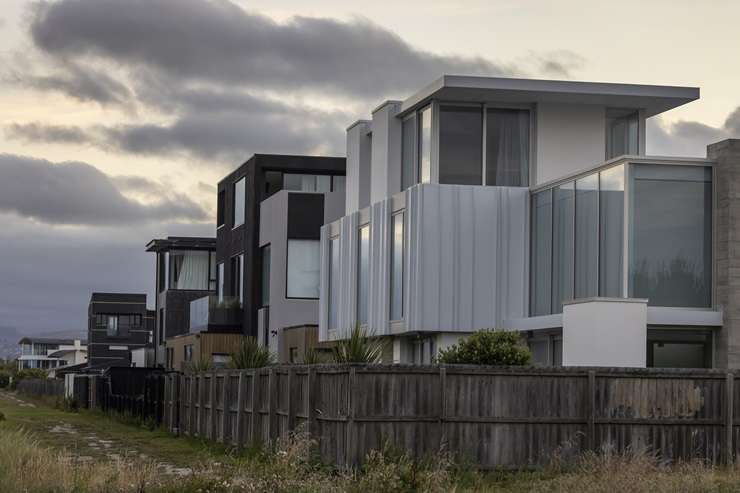
New Brighton, in Christchurch. The average property value in Christchurch has soared on the back of affordable prices and a relatively stable market. Photo / Peter Meecham
Speculation that a new government may increase the cost of owning a secondary property may well give some investors a reason to sell ahead of the election and turn 2026 into a game of “guess the tax rise”.
Of the 922 suburbs nationwide with 20 or more settled sales in the last 12 months, 339 recorded value growth over the quarter, and 469 were up year-on-year.
The five biggest quarterly increases at the end of October were in Mahia, in Wairoa (+5.5%); Mount Maunganui (+5.4%); Taupo (+5.1%); Omaha (+4.7%), and Muriwai (+4.5%). All five are close to the water and are likely to have benefitted from increased demand for holiday homes and increased building activity.
Great Barrier Island (Aotea Island) and Waiheke Island enjoyed the biggest annual increases, with bumps of 16.9% and 12.9% adding hundreds of thousands of dollars to the value of homes in both locations.
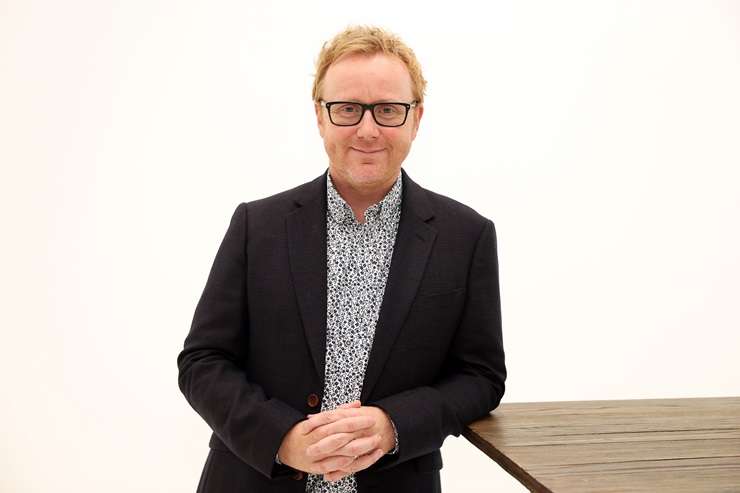
OneRoof editor Owen Vaughan: "Speculation that a new government may increase the cost of owning a secondary property may well give some investors a reason to sell." Photo / Fiona Goodall
Also enjoying annual value growth of more than 10% were Moana, in Grey, and Ahuriri, in Napier – both of which are at the upper end of the market in their respective locations.
Auckland and Hamilton dominate the list of falling suburbs. Only one Hamilton suburb, Flagstaff, recorded value growth over the quarter, with the steepest declines in Beerescourt (-5.3%); Maeroa (-4.7%); Whitiora (-4.1%); and Chedworth (-4%).
In Auckland, just 35 suburbs escaped the quarterly slump. Homeowners in Freemans Bay, Saint Marys Bay and Mangere Bridge suffered the biggest value declines, of more than 5%, although the dollar drops were steepest in Saint Marys Bay (-$155,000); Herne Bay (-$137,000); and Remuera (-$104,000).
The latest declines have improved affordability for first-time buyers in Auckland, with the percentage of suburbs with an average property value of less than $1m rising from 7% during market peak to 24% now.
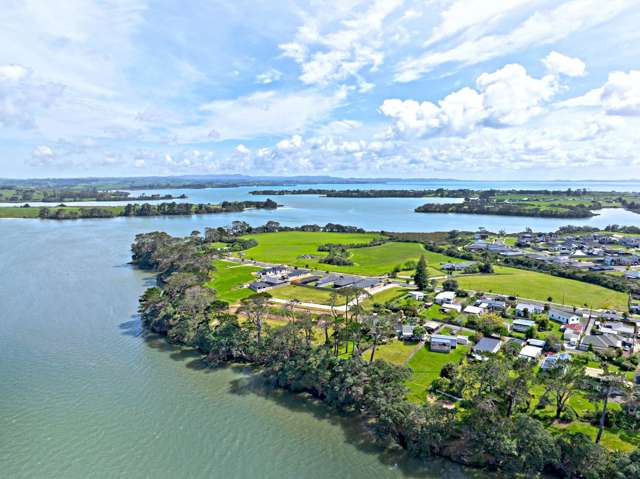
The declines and surges in Auckland have also shaken up the list of the country’s most expensive neighbourhoods, with Waiheke Island (average property value of $3.62m) knocking Herne Bay ($3.59m) off its perch. Rounding out the rest of the $3m-club are Coatesville ($3.59m), Whitford ($3.25m) and Omaha ($3.02m).
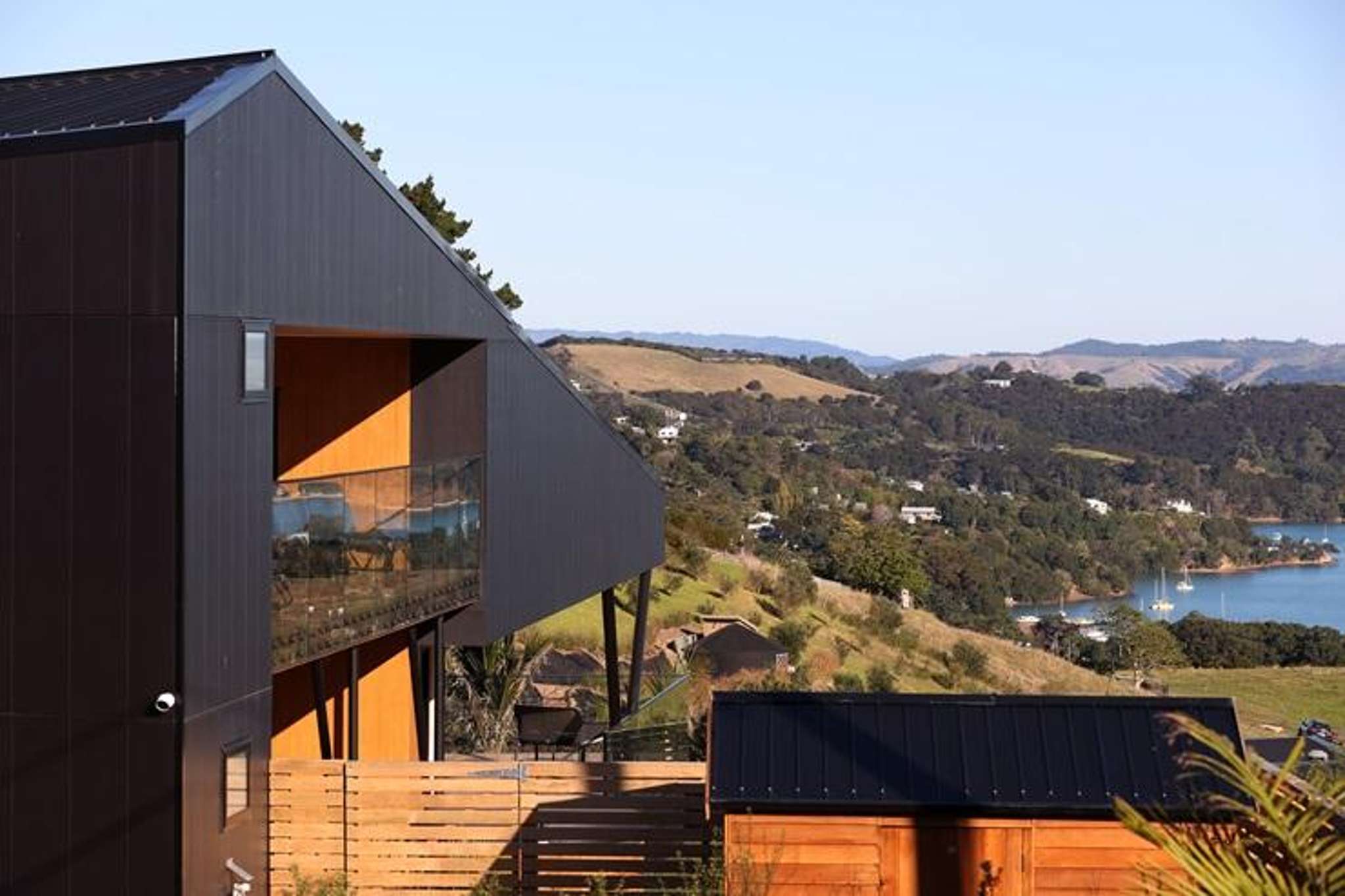
Waiheke Island is an unusual suburb, which takes in the top lodges and lifestyle estates in Church Bay, on the far east of the island, and Cowes Bay, on the far west, as well as the luxury builds at the emerging Wawata Estate, between Onetangi and Palm Beach.
OneRoof recently reported that Waiheke Island was swarming with tradies and big-name architects, who are working on multimillion-dollar projects hidden from public view.
One high-end builder told OneRoof that he was working on several jobs at once, and noted that some of the bigger sites were running with as many as 18 tradies at any one time.
“There are $10m, $20m, even $30m builds here. About 70% of our work is on Waiheke and I feel there’s actually a bigger market for super-high-end construction on the island than in Auckland,” he said.
- Click here to find properties for sale