ANALYSIS: The latest figures released by the Real Estate Institute of New Zealand suggest that the general election had a big impact on the housing market in October. Nationwide residential sales were 5840 for the month, down 23% year-on-year. In Auckland, sales were down by 30%. The seasonally adjusted figures showed that October sales were down by about 10% on September's tally, which is a relatively large monthly change even for this sometimes volatile series.
Presumably, once the final result is declared and the coalition negotiations have been completed, the buyers and sellers who held back will re-enter the market. That means potentially good activity levels if not in December, then at least over the January to March period.
Will a return of higher activity levels produce rising prices on average around the country? If this does happen, then the gains are likely to be very small. We are in an environment of low population growth caused by annual net migration running at half its average level for the past ten years.
Start your property search
We also have upward pressure on interest rates coming from the continuation of high inflation, which looks set to reach near 4.5% when December quarter numbers are released in the middle of January. For your guide, at the start of this year the Reserve Bank predicted inflation of only 2.3%.
The bank currently predicts 2.1% by the end of 2027, but the chances of inflation comfortably falling back to this level look slim when we consider the economy’s growth rate is expected to lift towards 2.5% and the unemployment rate fall to almost 5%.
Discover more:
- Tony Alexander: Why the next government matters less than you think
- House prices down 32% - but Wellington’s mansions are making a play for history
- $9m jungle home on billionaire's row for sale, tipped for demolition
As interest rates rise through 2027, there will be an offset to the upward pressure on prices likely to come from the improving economy. There will be further price restraint coming from an expected good rise in the number of houses being built around the country.
This is one of the two big changes underpinning a structural downward shift in the average pace of house price rises from the old 6.8% per annum to something between 4% and 5%. The other factor is the easing back in investor demand due to factors such as tax changes, reduced capital gain expectations, and an ageing of the investor population bringing increasing selling to help fund increasingly expensive retirements.
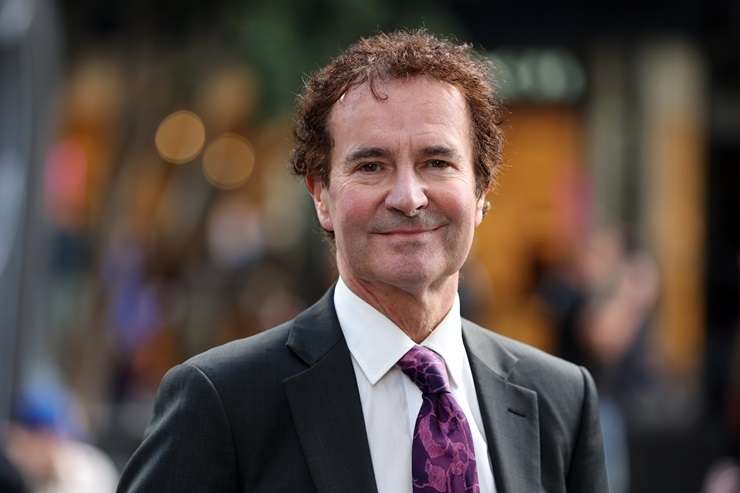
Independent economist Tony Alexander: "It really doesn’t matter if average house prices do in fact start rising at a firm pace over the March quarter." Photo / Fiona Goodall
This is a rather long-winded way of saying that it really doesn’t matter if average house prices do in fact start rising at a firm pace over the March quarter. The extent of price gains this cycle and for the next few years, if not decades, will be limited by the underlying shifts in demand for property and its supply.
For the record, average house prices fell 0.1% in October after rising 0.2% in September and falling 0.2% in August. On average, prices are flat to falling slightly nationwide, except in locations seeing strong economic benefit from the good growth in farm incomes and foreign visitor numbers.
Compared with a year ago, prices are down 2.2% nationwide, 4.1% in Auckland, 3.9% in Wellington, and 4.2% in Northland. But they are ahead by 2.4% in Canterbury, 3.6% in Queenstown Lakes District, and 5.6% in Southland.
- Tony Alexander is an independent economics commentator. Additional commentary from him can be found at www.tonyalexander.nz