More than 82,000 New Zealanders tapped into their KiwiSaver between January and September 2026, an 8% increase on the same period last year.
Financial hardship accounted for the majority of withdrawals, with 44,110 people accessing their savings, up 6.2% year-on-year. A further 38,000-plus used KiwiSaver to purchase their first home, a 10.3% increase.
Tella mortgages chief executive Andrews Chambers said he was "quite shocked" by the figures, noting hardship withdrawals had surged over the past five years. Since late 2023, more people have been withdrawing KiwiSaver because of financial strain than to buy a first home.
Chambers said persistent cost-of-living pressures were the main driver, although he questioned whether pandemic-era spending habits were also beginning to catch up with some households.
Start your property search
Inland Revenue data also showed the average KiwiSaver withdrawal climbed to $46,060 last month, the second-highest figure on record. The peak was reached in July, when the average withdrawal hit $46,113.

First-home buyers are increasingly turning to their KiwiSaver to get a foot on the property ladder. Photo / Fiona Goodall
Chambers said many first-home buyers had built up substantial KiwiSaver balances and were taking advantage of favourable conditions in a buyer's market.
“The good side of that is they are buying in a low market. I think there’s a huge catch-up that has been going on there just because of the devaluation of that market and the fact that there’s a good six months of supply out there at the moment.”
Separate figures released by property analysts Cotality showed first-time buyers were behind a record 29.5% of home purchases in three months to the end of September, more than any other buyer group.
Wayne Shum, senior analyst at OneRoof's data partner, Valocity, said the increase in hardship withdrawals had come at the same time as the country’s unemployment figures rose from about 3% in 2021/22 to about 5% in 2025.
“So that lines up with people not being able to get employment and taking money out for financial hardship.”
Discover more:
- Hospitality guru quits the rat race for $400k home in NZ's cheapest ski town
- Tony Alexander: What the OCR hold means for mortgage rates and house prices
- Quirky NZ city attracting Americans and first-home buyers - but there's a catch
Shum said KiwiSaver had also helped a lot of people to get their foot on the property ladder. “If you pick a couple who have $45,000 each so $90,000 and they are buying a house in Auckland for $800,000 – that’s a hefty chunk, more than 10% of the deposit.”
My Mortgage director Claire Williamson was also surprised to learn so many people had tapped their KiwiSaver.
“That’s a lot of New Zealanders,” she said, noting that those accessing it for their first home or for hardship reasons made up 2% of the 3.486m people with KiwiSaver.
“It’s a really interesting one because we are all trying to build this asset essentially for New Zealanders to support themselves and I appreciate things have been really tough in the last couple of years, for sure.”
Williamson said most first-home buyers were emptying their KiwiSaver to get onto the property ladder. “It’s pretty rare to see people do a partial withdrawal”, she said. “The odd person maybe if they were a little bit older and closer to retirement.”
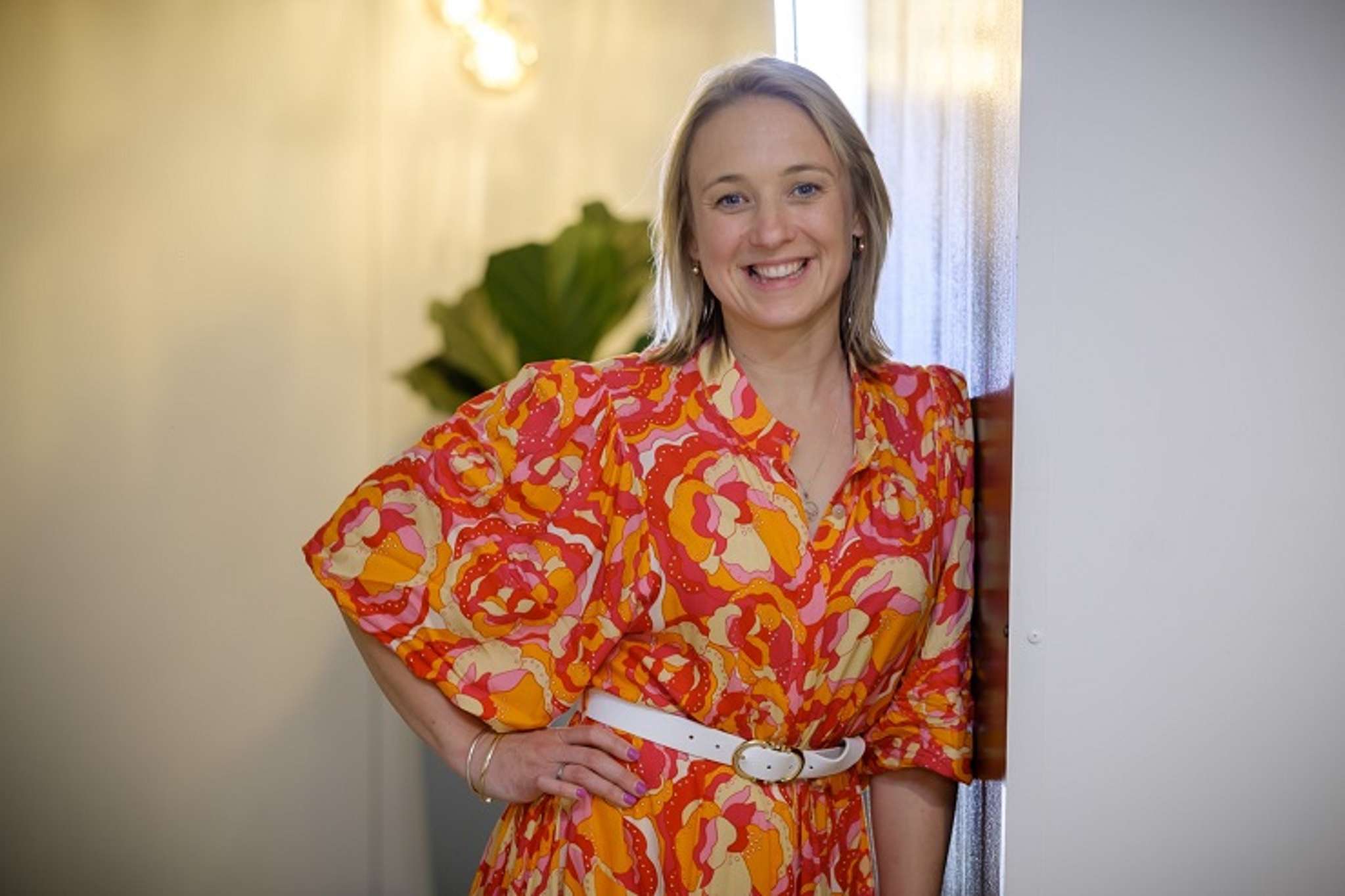
My Mortgage director Claire Williamson said first home buyers usually emptied out their KiwiSavers to use as their deposit. Photo / Supplied
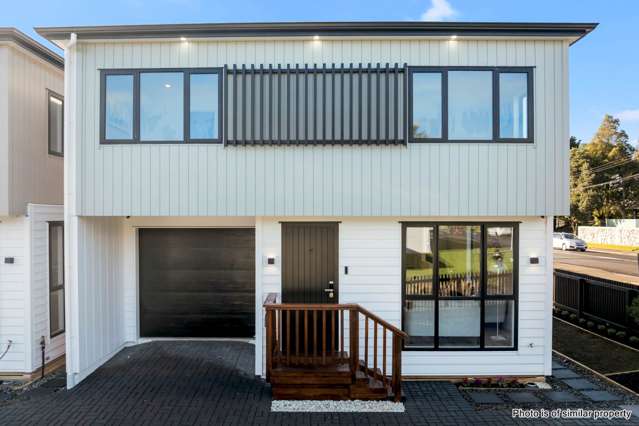
Barfoot & Thompson agent Donald Gupta said he had just sold four new builds in Papatoetoe to first-home buyers. All of them had tapped into their KiwiSaver.
Retirement planning expert Liz Koh said she supported people using KiwiSaver to get on the property ladder because it was an important first step in retirement planning, but was more concerned about people emptying it for financial hardship when they didn’t already own a house.
“It’s good for them to take it out for a home – that’s what they should do. I would advise them to do that, but for the financial hardship, they really need to look at what has caused them to be in financial hardship in the first place. This is where a lot of people need a bit of financial advice in terms of their budgeting, because sometimes it’s not knowing how to manage your money properly that contributes to that financial hardship.”
She said if someone was in dire straits, then it was probably better for them to access KiwiSaver than cranking up short-term debt at high interest rates they later had to repay.
“You might run into a period of financial hardship, but it doesn’t last forever, so I think the key is getting back on track to save for retirement.”
- Click here to find properties for sale