ANALYSIS: Today the Reserve Bank undertook its regular review of the Official Cash Rate and, despite strong market expectations of a third increase this year, decided to leave the rate unchanged at 2.75%. The NZ dollar has fallen away because this outcome was not expected, while wholesale interest rates have also eased back – for now. Inflation risks remain, and a catch-up phase of tightening still looks in the offing from some uncertain point in 2027.
New Zealand’s inflation rate is at 3.7% but set to climb above 4.5% within three months due to higher fuel prices from US intervention in the Middle East. This might not be an issue for future inflation and where interest rates will go were it not for the fact that our inflation rate has averaged 4% since the start of 2020. There is a growing risk that this experience is becoming embedded into people’s expectations for what lies ahead. The Reserve Bank explicitly targets 2%.
As noted in these columns since late 2024, a well above average net proportion of businesses in the ANZ’s monthly Business Outlook survey report that they intend to raise selling prices. The average for this measure since 1992 has been 27%. The latest reading is 48%.
Start your property search
This factor, along with a range of issues, will occupy the minds of our central bankers next year as they contemplate the soaring cost of living, which they have overseen.
There is extra inflation set to come from the pace of growth in our economy accelerating towards 3% and the unemployment rate falling from 5.6% towards 4%. There is extra inflation to come from the AI boom raising prices for computer chips, consumer electronics, electricity, and construction costs.
There is extra inflation to come from the New Zealand dollar tracking at lower levels than assumed by the Reserve Bank when they last ran their economic numbers a couple of months ago. El Niño may boost food prices if agricultural production is affected in coming months.
Discover more:
- Tony Alexander: 8 words slowing the market - ‘once the election is out of the way’
- Quirky NZ city attracting Americans and first-home buyers - but there's a catch
- TV chef Michael Van de Elzen finally finds a buyer for his lifestyle block
Then there is the simple situation that at the start of our economic upturn the inflation rate is at well above average levels. It should be below average.
Hence, the thing that I have been awaiting for some time is a strong signal from our central bank that it realises where inflation risks lie and intends to do something about it. So, my focus today was not on whether or not the cash rate rose from the still unusually low level of 2.75%, but the words the central bankers used to discuss the change and where the risks lie.
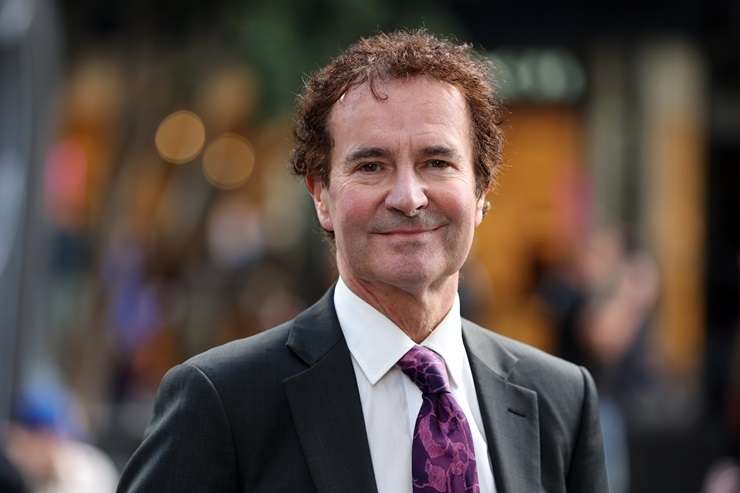
Independent economist Tony Alexander: “This means there is a good chance that, come the next review early in December, there will be a rate rise.” Photo / Fiona Goodall
Those words coalesced around worries about the global economy and the absence so far of evidence that businesses are rebuilding their margins after years of strong cost increases. Four members of the Monetary Policy Committee voted to leave the cash rate unchanged at 2.75% and three voted to raise it to 3%.
This means there is a good chance that, come the next review early in December, there will be a rate rise. But again, if and when that happens, my focus will be on the central bank’s assessment of future risks.
For the moment, their assessment is benign, and borrowers can continue to breathe easy for a while longer.
- Tony Alexander is an independent economics commentator. Additional commentary from him can be found at www.tonyalexander.nz