It’s the $20 million sale that wasn’t and the $24m sale that could have been. It’s a story of a developer who tried and failed to buy New Zealand’s most famous mansion, and how a caveat and Covid derailed the ambitions of a wealthy businessman from China. What follows is a tangle of legal disputes, disciplinary action, and big money, with a dash of politics on the side.
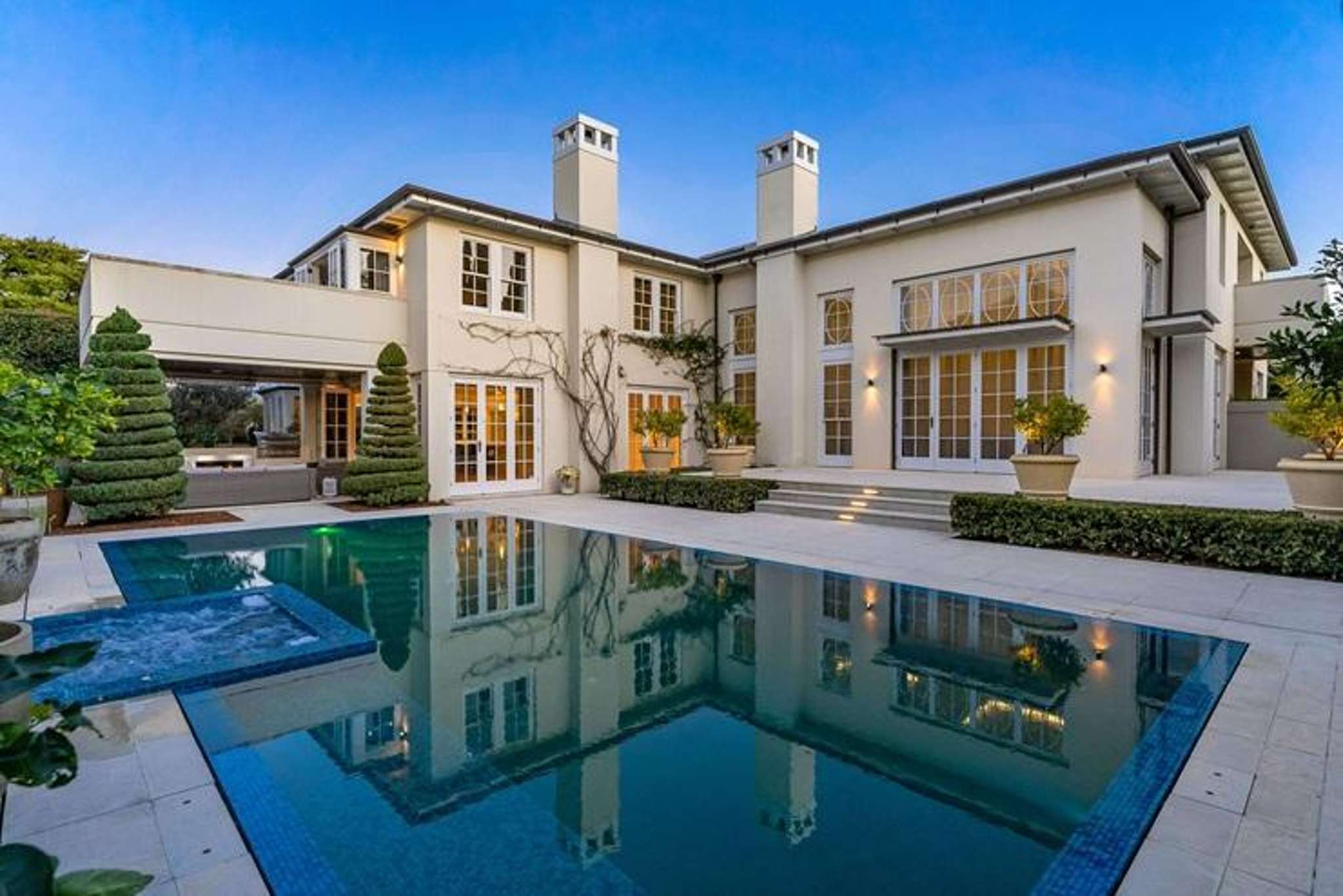
The property at the centre of it all is the former home of Sir John Key and Lady Bronagh, a luxury spread on St Stephens Avenue in Auckland’s Parnell.
The seven-bedroom, six-bathroom property is one of the country’s finest, boasting a gym, theatre, wine cellar, an outdoor pool and manicured gardens. During Sir John’s premiership, between 2008 and 2016, it hosted the rich and famous, and served as the backdrop to son Max’s regular social media posts.
After retiring from Parliament, Sir John and wife Lady Key sold it for an eyewatering $23.5m in 2017.
Start your property search
Listing agent Yi Wei Tang (Lowndes), who runs the real estate firm Aurora Group, brokered the deal, and her website features a warm endorsement from Sir John, thanking her for “achieving a top price for the property”.
Tang resold the property twice since then – but for millions of dollars less than what the Keys got. She told OneRoof that the 2017 sale was relatively straightforward, but the other two were more complex.
“In 2017, I was engaged by Sir John Key to sell the property. The agreed sale price was accepted by both the vendor and purchaser, and the transaction proceeded on a cash and unconditional basis.”
The buyer was Chinese businessman Lianzhong Chen, whose $23.5m purchase was the year’s second-largest transaction behind the $28.888m sale of a mansion on O’Neills Avenue in Takapuna. Due to an unusually long settlement period, the sale was not finalised until two years later.
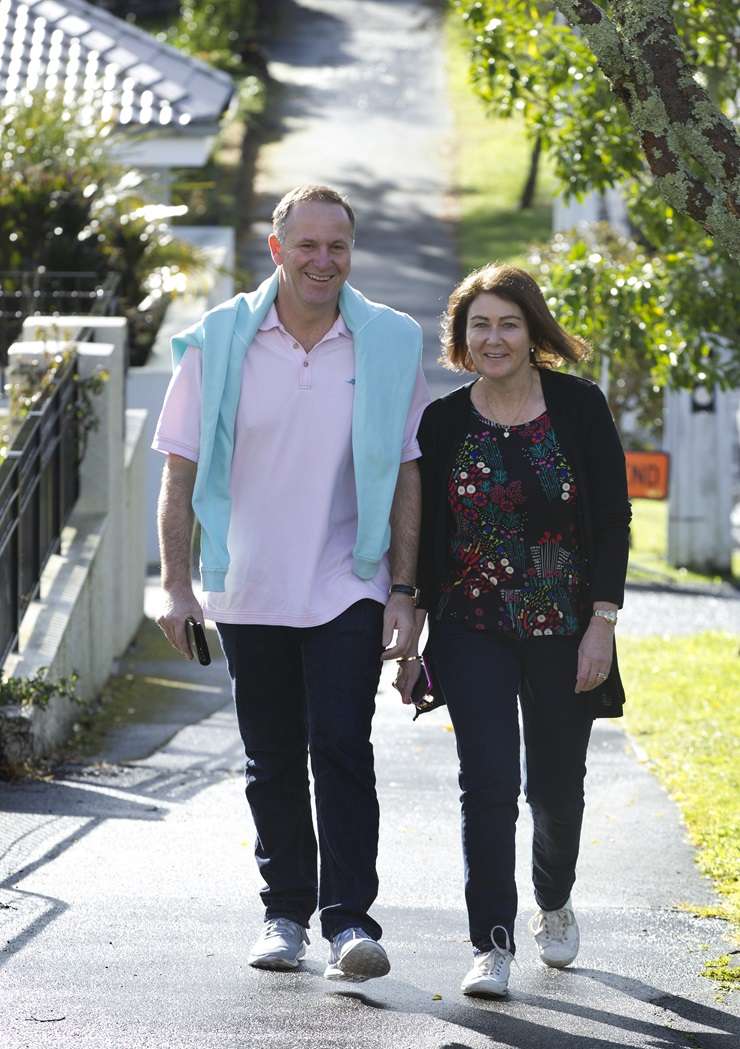
Sir John and Lady Key out for a walk in their neighbourhood on the day of the 2014 election. Photo / Brett Phibbs

Sir John on the grounds of his former home in 2014 after he won the election. Photo / Mark Mitchell
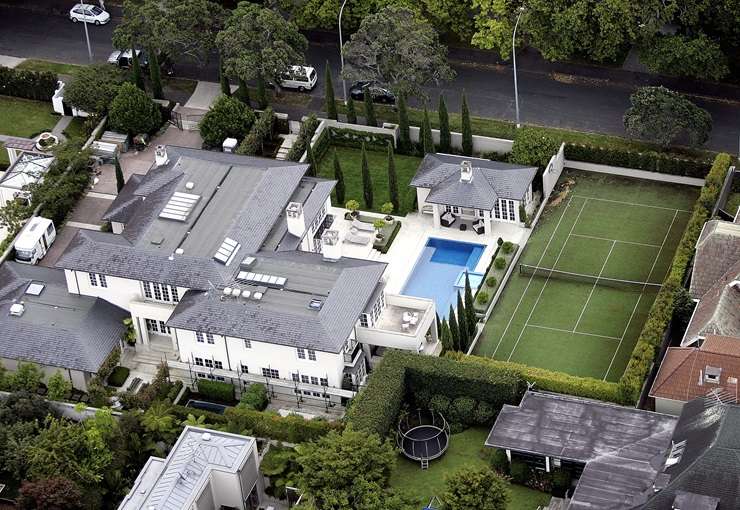
An aerial shot of the mansion when it was owned by the Keys. Photo / NZME
After taking ownership, Chen visited the property several times, but his plans to make it his permanent home were derailed by the Covid-19 pandemic. Strict travel restrictions imposed by both New Zealand and China left him unable to leave China.
In June 2021, the New Zealand Herald reported that the mansion appeared neglected and uninhabited, with neighbours complaining that it was bringing down the “feel” of one of the city’s poshest streets.
The same year, Chen called on Tang to sell the property. "Due to the effects of Covid and international travel restrictions at the time, he was unable to travel to New Zealand and asked me to assist with an off-market sale,” she said.
Tang had been out of real estate since 2018 and only reactivated her licence in September 2021, a month after she was found guilty of unsatisfactory conduct by the Real Estate Authority Disciplinary Tribunal.
The REA ruling related to the on-sale of a Warkworth property in 2015 for $5.8m. The tribunal found Tang “demonstrated a lack of skill, care, competence, and diligence when carrying out real estate agency work” and fined her $4000.
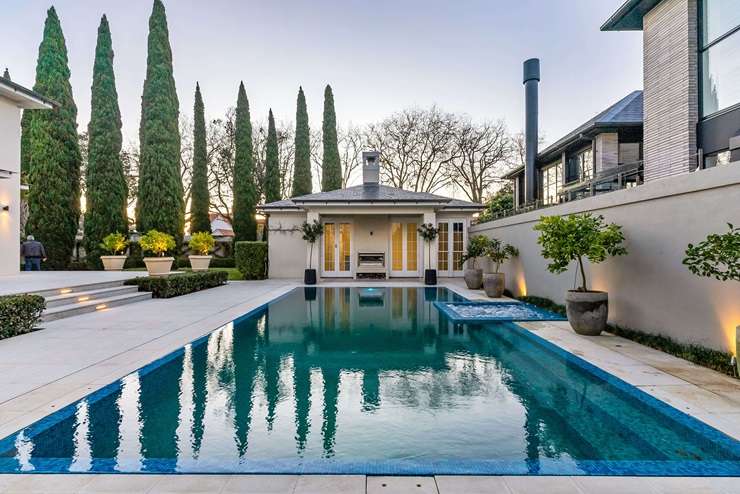
The former Key mansion was bought by Chinese businessman Lianzhong Chen in 2017 for $23.5m. Photo / Supplied
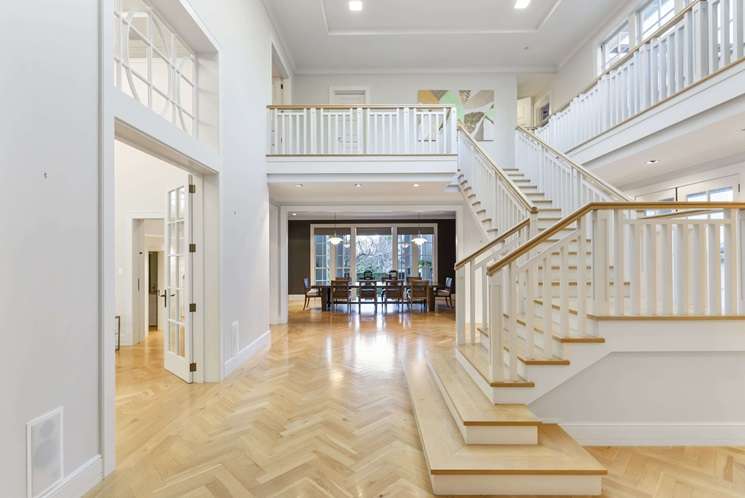
The property is now owned by Chinese investor Wan Ying He, who paid $16.3m for it in 2022. Photo / Supplied
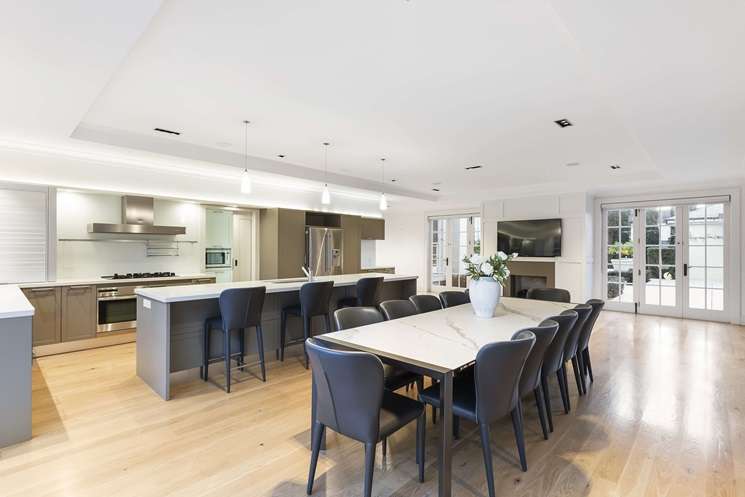
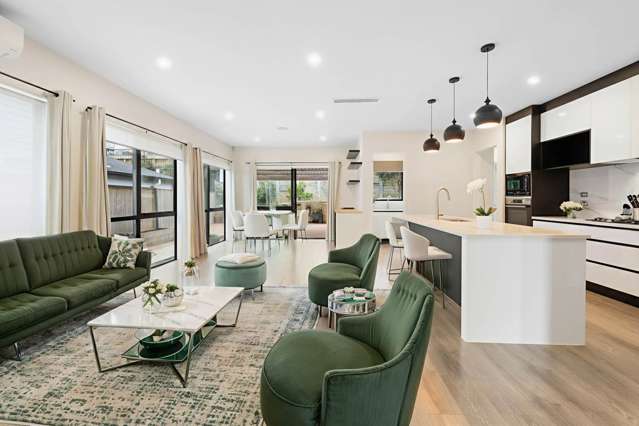
Listing photos from when the house was on the market in 2022 show smart but blank interiors. Photo / Supplied
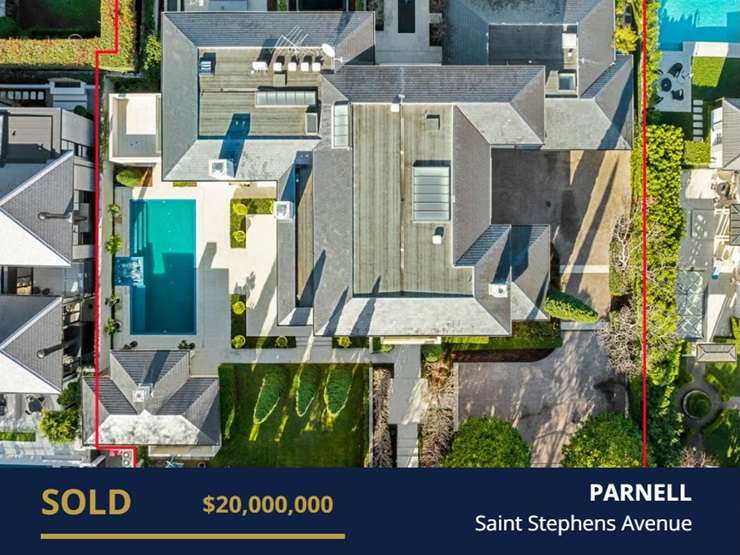
A screengrab from Aurora Group’s website shows an aerial shot of the mansion plus a $20m sale price. Photo / Supplied
Tang, who first became a real estate agent in 2009, told OneRoof in 2022 that she disagreed with the REA decision, explaining it was a “complicated story”. She didn’t have the energy to appeal the decision, she said. “Life is too short, why do you just have to fight with everybody – no point, so that’s why I just let it go. That doesn’t mean I have it wrong.”
Even without a public marketing push for the St Stephens Ave property, Tang found Chen a buyer, a New Zealand developer who was willing to pay $20m for the house.
She declined to say who the buyer was, but records show that a caveat was placed on the title in November 2021 by Awatea Custodians Limited, a trust operated by Zhaohai Ding.
A caveat is a legal mechanism that can block the sale of a property until it is removed. In this case, Awatea Custodians Ltd’s caveat claimed the trust had an interest in the St Stephens Ave property based on an agreement it signed with Chen to purchase the home in October 2021.
Ding at the time owned several properties, although none in the same league as St Stephens Ave, with a portfolio including a modest $1.6m home in Auckland’s Greenlane and an $800,000 townhouse in Henderson.
After lodging the caveat, Ding moved into the St Stephens Ave residence and registered one of his companies to the address – a fact that came to light in 2023 when he found himself in the High Court over a disputed property deal in Mount Eden.
Discover more:
- You can’t come in: A night of drama at Jacinda Ardern’s auction
- Kim Dotcom's $9m rental: Inside the lavish waterfront spread
- Max Key’s epic villa renovation: ‘My mum and I designed the whole thing’
The court heard that Wejun Ji bought a house on Dominion Road in Mt Eden from Ding’s company, Annecy Holding, but said Ding refused to settle and kept her $2.3m deposit. The registered address for Annecy Holding was the former Key mansion.
Annecy Holding was placed into liquidation in March 2022, a year before the court’s ruling. Company records show Ding also struck off eight companies that month, leaving Awatea Custodians Ltd as his sole remaining registered company.
Ding, however, never finalised his $20m deal for the St Stephens Ave property, and the house was relisted for sale in August 2022, this time on the open market, with Tang declaring it was a home “fit for royalty”.
The agent told the Herald soon after her listing went live that her $20m buyer – Ding – spent six months living at the Parnell home but failed to settle because they had trouble with their financing.
She also disclosed to the Herald that the caveat would soon be removed from the title. A lawyer for Awatea Custodians Ltd declined to comment.
While Tang was trying to find a new buyer for St Stephens Ave, Chen was looking to refinance – a move that required the cooperation of Ding.
On September 22, Awatea Custodians Ltd withdrew its caveat. The following day, the two mortgages on St Stephens Ave with Avanti Finance Ltd were discharged, and a new mortgage was entered with New Zealand Mortgages and Securities Ltd. The same day, Awatea Custodians Ltd placed another caveat on the title.
Tang told OneRoof this year that having the caveat on the title “significantly affected buyer confidence and the marketability of the property”.
“In fact, I had secured interest from a purchaser who was prepared to buy the property for approximately $24 million on a cash unconditional basis. However, that purchaser’s position was that the caveat would first need to be removed from the title,” she said.
“Unfortunately, the circumstances at the time did not allow that issue to be resolved within a timeframe acceptable to the purchaser. As a result, the purchaser chose not to proceed.”
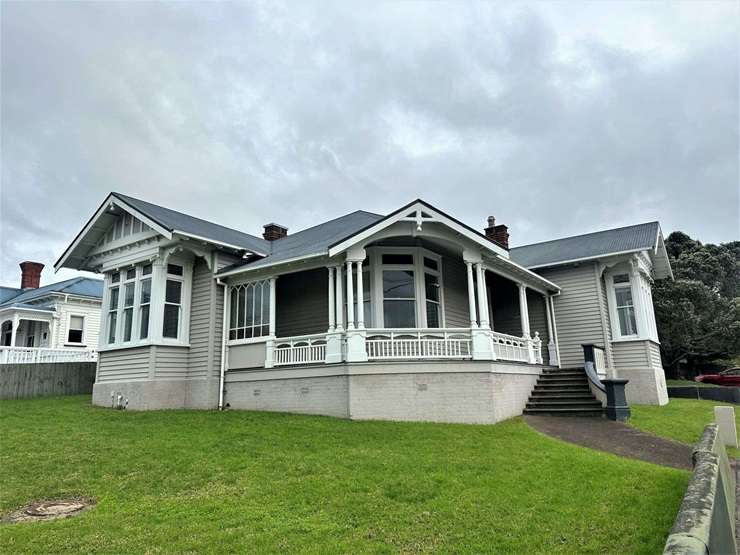
The Dominion Road property in Mt Eden that landed Zhaohai Ding in court. Photo / Supplied
Tang found another buyer, but what happened next can only be described as a game of caveat ping-pong. In November 2022, Good Farms AMC, a company operated by Chinese investor Wan Ying He, placed a caveat on the property. Awatea Custodians Ltd withdrew its caveat a month later, and in January 2023 Good Farms AMC settled the sale for $16.3m – well below the $23.5m Chen paid six years prior and $5.7m below RV.
Tang said the much lower sale price – which made headlines – needed to be viewed in context. “The final sale price cannot properly be viewed without understanding the effect of the caveat on the title,” she told OneRoof, noting that her client had opted to take “the highest available offer under the circumstances”.
“The three sales reflected three very different sets of circumstances, and a simple comparison of sale prices does not provide a complete picture of the transactions,” she said.
Tang declined to further elaborate on the circumstances of these sales. “I do not believe it would be appropriate for me to speculate on matters concerning caveats, financing arrangements, legal disputes, ownership structures, or the private affairs of other individuals and companies.”
When approached by OneRoof about the subsequent sales of his former home, Sir John said he was unaware of the $20m sale.
“I didn’t know the Dings. We didn’t know any of the individuals prior to the property being sold to them. We are unaware of any of the details in relation to the caveats.”
He was also unaware that Tang had been censured by the Real Estate Authority. “The reference was purely in relation to our property. A professional job was done.”
Kristine King, the chair of the property law section for the New Zealand Law Society, said caveats were essentially a red flag or stop notice lodged on a title that prevents the owner from transferring it or borrowing against it.
“Caveats are really important instruments, like if you want to protect yourself - gosh they can be wonderful, but they have pretty material impacts on property transactions, particularly if used incorrectly.”
There are three broad reasons where caveats were used, she said. The first was financial reasons such as a caveat being lodged because the property owner may have been lent money on the house and there was some sort of loan agreement with an agreement to mortgage.
The second fell under the equitable trust category and could be because there’s an interest in the property that’s not registered.
The final category was when a purchaser under an agreement for sale and purchase had the right to protect their interest by registering a caveat, which she said could get tricky if the purchaser didn’t settle.
When a caveat was lodged was also down to the purchaser, she said.
Sometimes lawyers registered a caveat for a purchaser straight away because there might be a long settlement or because it’s an expensive property and they paid a big deposit and wanted to ensure the vendor didn’t take the deposit and sell to someone else.
In other cases, purchasers waited until closer to settlement and might register a caveat if the vendor was making them nervous.
King said caveats could be added to a title relatively quickly, providing the reason fell under one of the above categories, but removing them was often a much lengthier process.
The homeowner and their lawyer had to apply to the Registrar of Land for the caveat to lapse, with Land Information NZ (LINZ) obligated to notify the caveator within five working days of the application.
If the caveator disagreed with the application, they then had 10 working days to tell LINZ that they intended to apply to the High Court to keep the caveat in place. Once they notified LINZ, they had 20 working days to get an urgent order from the High Court.
King said the initial process could take about six weeks, but if the caveator opposed it and the High Court got involved in could take months for a hearing and a decision. She was recently involved in an application to get a caveat removed, and it took six months.
King said there were some rules around registering caveats and technically lawyers could not register a caveat on the same grounds twice unless all the parties consented to it.
- Click here to find more properties for sale in Auckland