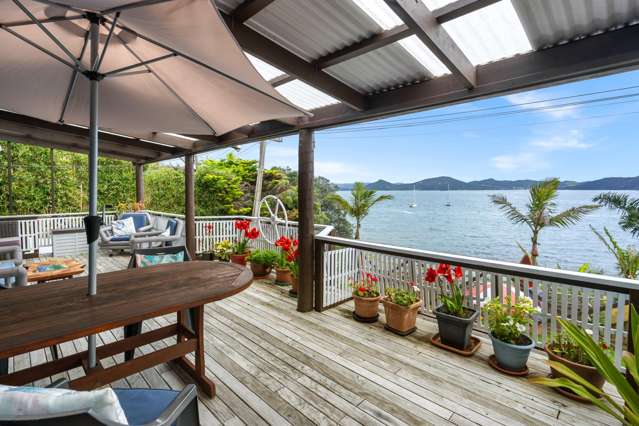
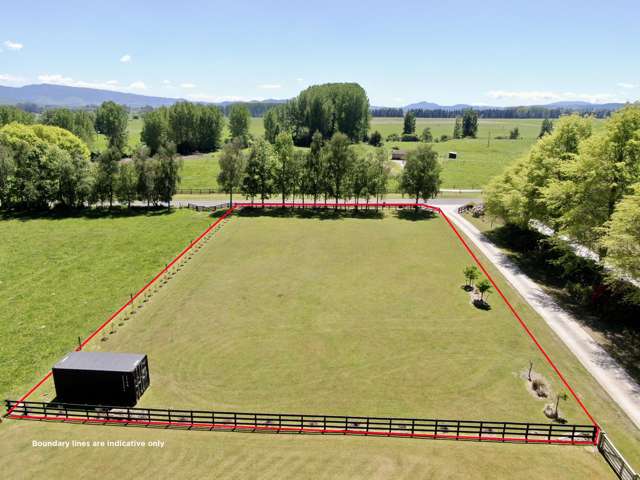
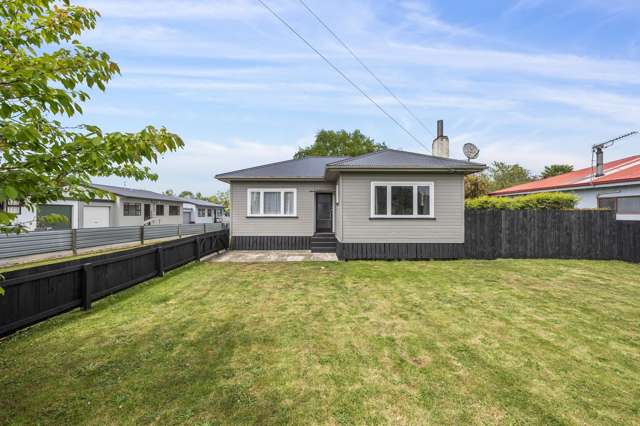
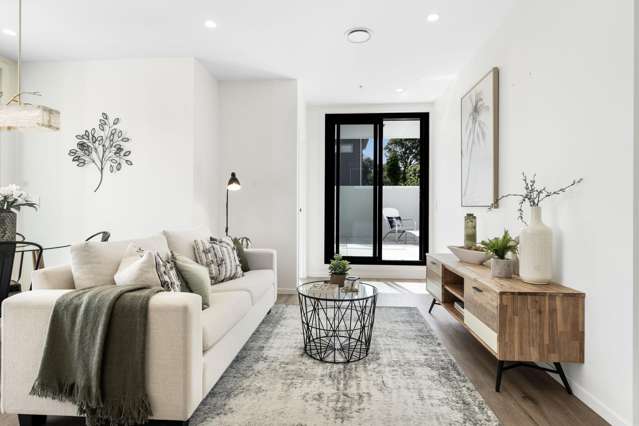
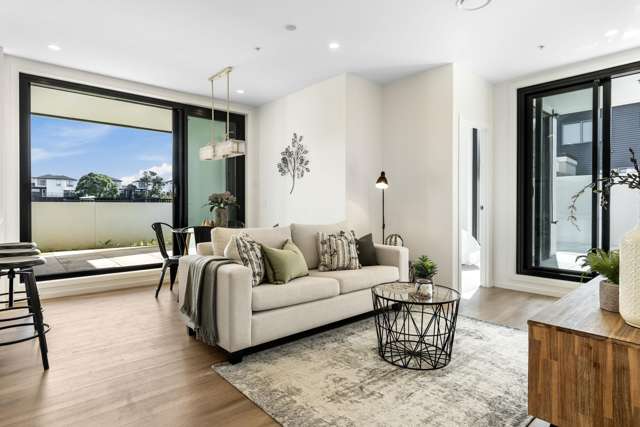
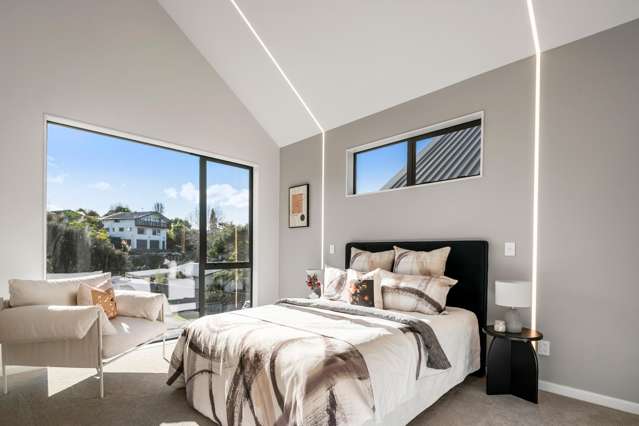
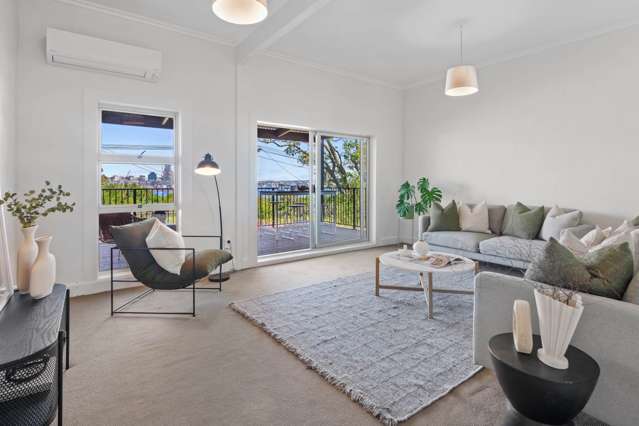
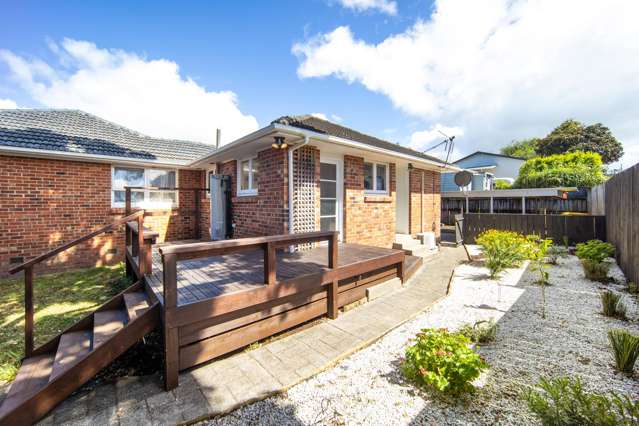
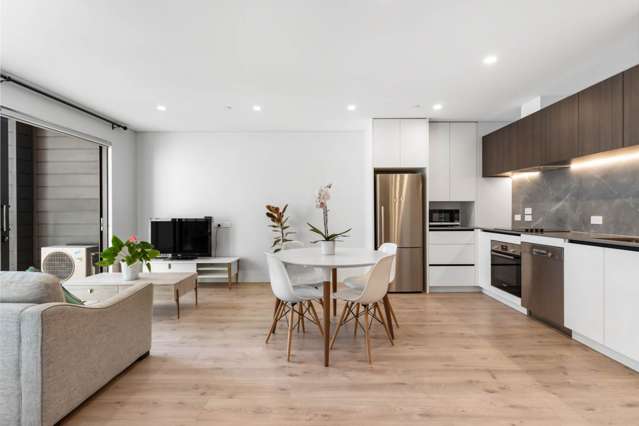
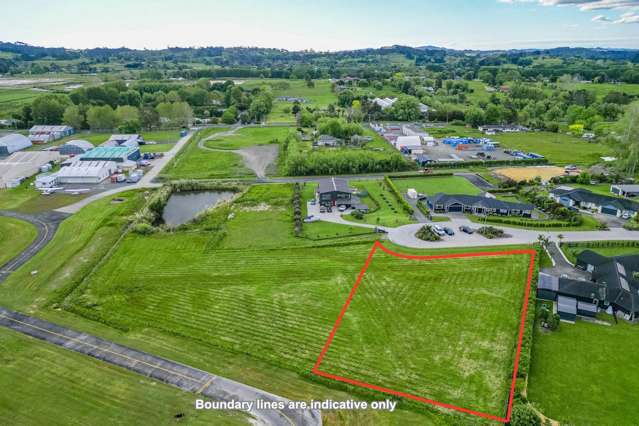
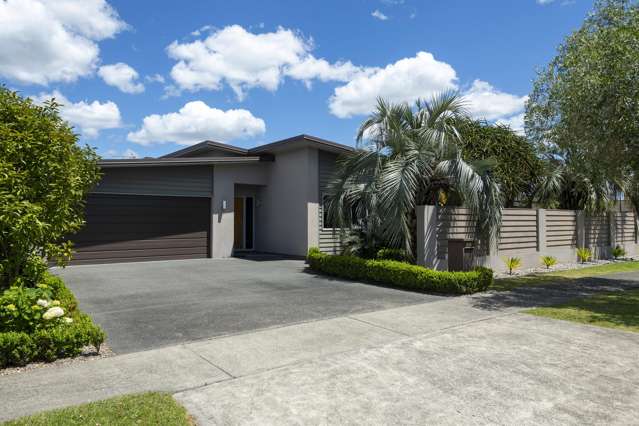
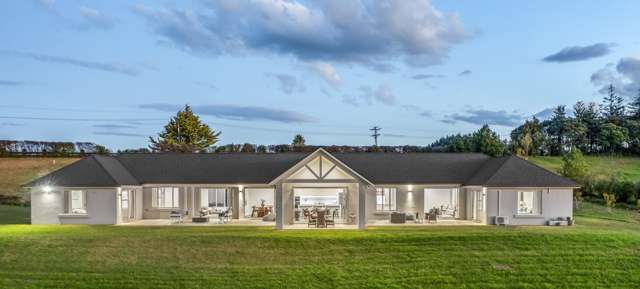
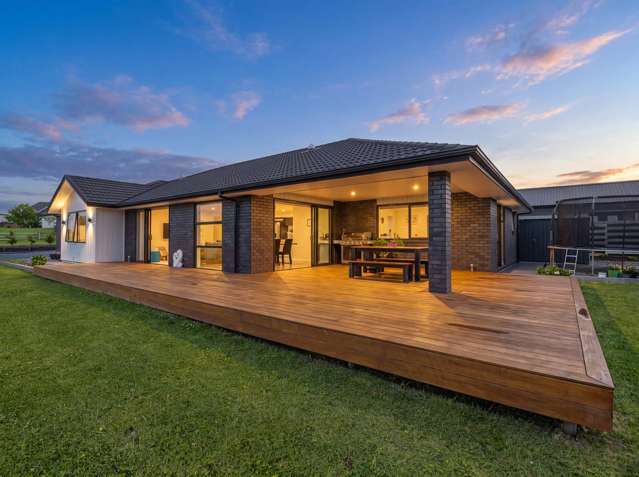
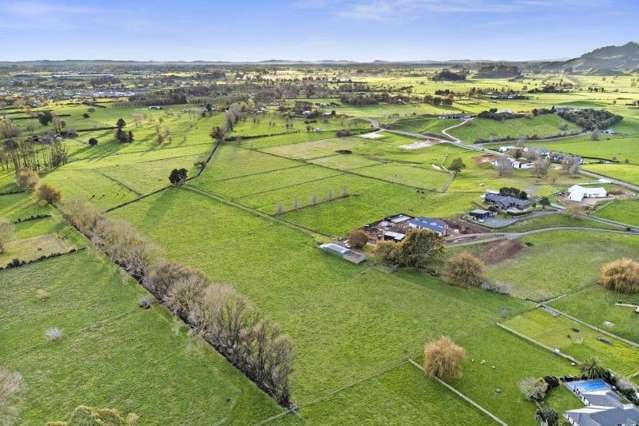
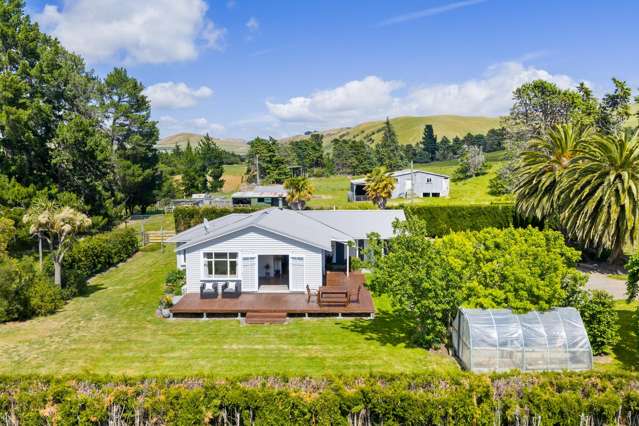
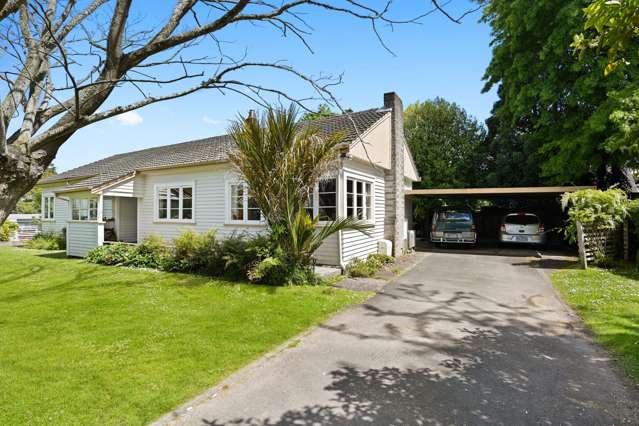
What if your first home cost less than half an Auckland house? In these regional hotspots, buyers are snapping up standalone properties with backyards, double garages and access to beaches, ski fields and lakes, often for under $600,000. OneRoof and its data partner Valocity analysed affordability, incomes, rents and employment to identify the places where ownership is still within reach. Catherine Masters reports.
First-home buyers have been on a buying spree with some searching outside the main cities to get a foot on the property ladder, and for good reason.
For many buyers, regional New Zealand offers a more affordable path to home ownership. In Greymouth, the median house price is 4.3 times the average household income, well below the 6.7-times ratio seen across greater Auckland.
While cost-of-living pressures are biting up and down the country, research from OneRoof, with data partner Valocity, identified the 10 most affordable towns outside the major metros where first-home buyers have been active in the last six months.
Start your property search
What stands out is not just cheap housing but employment. The analysis included towns with more than 40 sales since the start of the year and unemployment rates below 5%, with many underpinned by a strong rural economy.
Mortgage calculations were based on 30-year terms, and in all the towns identified it was cheaper to buy than rent.
Discover more:
- 'What if the kids never move out?': Experts say families should prepare for shake-up
- Shortland Street star finally sells Auckland home after relenting on price
- Ponsonby villas for $170K: 'You could see the fleas jumping out of the carpets'
Median prices ranged from the low $400,000s to the early $600,000s – compare that to greater Auckland’s median of $880,000.
Wayne Shum, senior research analyst for Valocity, noted that when young people leave Auckland for housing it’s not just for a cheaper price but because they get a lot more house and land for their money.
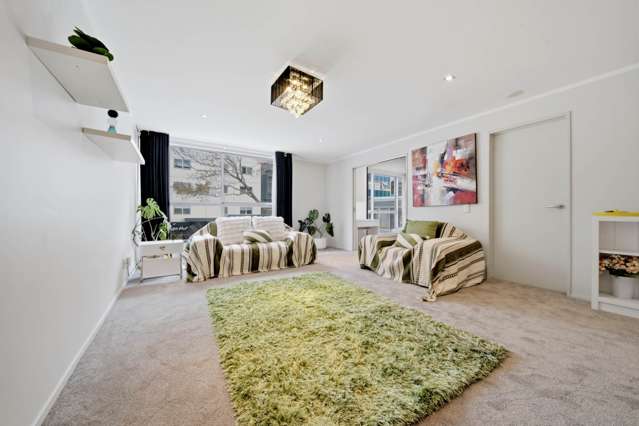
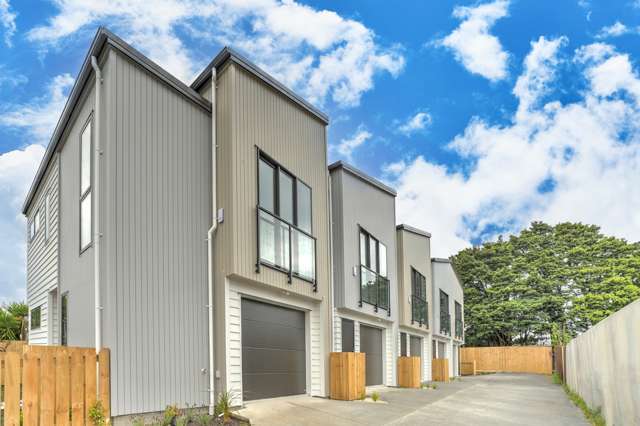
Instead of sharing walls in a row of terraces, they can own a standalone home with a backyard and often a double garage.
Agents spoken to said some first-home buyers were getting decent houses with 5% deposits of only $25,000, while gaining discretionary spending, a relaxed lifestyle, minimal commutes, and access to ski fields, lakes, and beaches.
---------
Median price: $410,000
Median rent: $470
Regional average household income: $94,754
Price-to-income ratio: 4.3
Unemployment rate: 4.6%
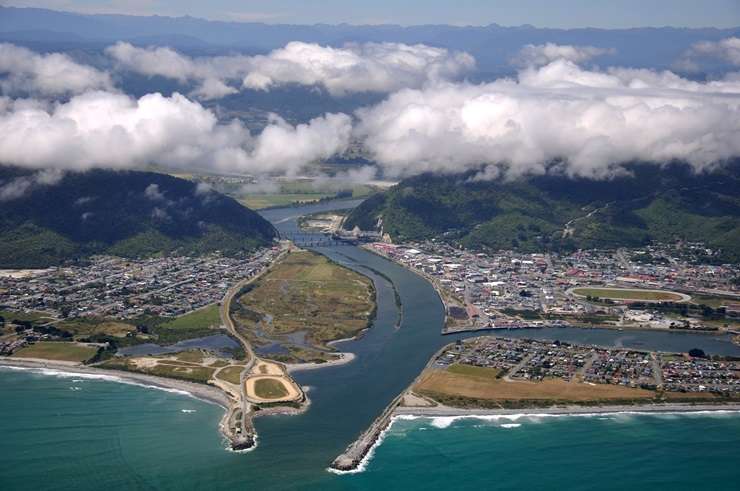
Greymouth is New Zealand’s most affordable town for first-home buyers, with jobs driven by mining, infrastructure projects and healthcare, alongside easy access to the West Coast’s lakes, beaches and snowfields. Photo / Getty Images
Greymouth agent Kevin O’Donnell says “hell, no” when asked if he’s surprised his town of around 15,000 people tops the list,
The growth of mining on the West Coast is generating jobs, with Kiwis returning from overseas and newcomers arriving.
The Harcourts West Coast business owner says a lot of young locals who didn’t have jobs are now in well-paid work, and some are getting into their first home.
Along with the mining is the infrastructure it generates – there are openings for engineers, electricians, plumbers, excavator drivers, truck drivers, loader drivers, and Greymouth has a hospital which needs doctors and nurses.
“These employees don’t just come out of thin air. These people are coming from potentially Australia, the North Island, Canterbury, Marlborough, and they’re coming into the West Coast and they are looking for permanent employment.”
First-home buyers can still pick up a house for under $300,000, although admittedly it would need work, and O’Donnell points out $1m sales are becoming much more common.
Life comes with a laidback West Coast lifestyle, good schools, easy access to lakes, snow fields, the ocean, biking and more, and while sometimes some people take a bit of time to adjust, O’Donnell says over and again he has seen city-folk stay six months then say, “we’d never leave”.
---------
Median price: $500,000
Median rent: $540
Regional average household income: $104,847
Price-to-income ratio: 4.8
Unemployment rate: 4.4%
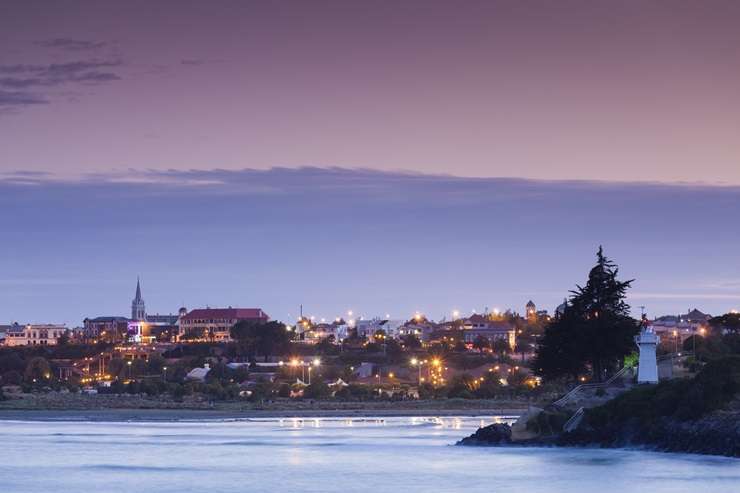
Timaru’s affordable housing, strong employment market and coastal lifestyle are attracting first-home buyers seeking more space and shorter commutes. Photo / Getty Images
A couple of hours between Dunedin and Christchurch is the coastal town of Timaru, once dubbed the Riviera of the South.
With a sandy beach and a port, LJ Hooker Timaru director Ben Groundwater says his town is a wonderful, affordable place to live.
Agents in Auckland tell him they are finding the current housing market tough, but Groundwater says in Timaru first-home buyers are out in force.
A relative in Auckland paid $1.5m for their first home, but he reckons in Timaru that sort of money buys a mansion. The same sort of house would sell for more like $450,000 and would need a $50,000 deposit rather than $150,000.
Discretionary income goes further, too: ”Your salary might look like it’s less on average potentially, but there’s more in your back pocket.”
The town boasts a “five-minute commute”, and the job market was currently more skewed towards employees than employers.
The port feeds a lot of industry, and there is also a strong agricultural sector.
---------
Median price: $474,477
Median rent: $510
Regional average household income: $92,286
Price-to-income ratio: 5
Unemployment rate: 3.6%
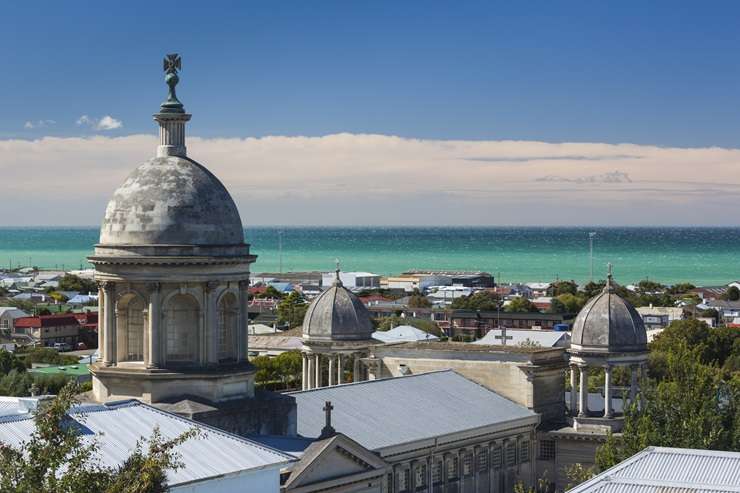
Oamaru’s distinctive Victorian streetscape and restored heritage precinct have helped transform the North Otago town into a thriving, affordable destination for first-home buyers. Photo / Getty Images
About 80km down the road from Timaru is historic Oamaru, which is on the map for its steampunk culture.
Oamaru is the biggest town in North Otago and one of the most affordable in the country, says Stephen Robertson, the principal of LJ Hooker Oamaru.
There are some big employers, such as Alliance Textiles and Summit Wool Spinners, and a lot of rural sector jobs available year-round. Key to the town’s success is the Waitaki River, with big dairy factories located in the area because of the irrigated land.
“The whole thing is driven off the Waitaki river really. When the rural sector is pumping, we’re busy.”
The schooling is excellent, and the town was once considered the education capital of the South Island.
Oamaru wasn’t always prosperous. At the turn of the century it was one of the most bankrupt towns in the country per capita, Robertson says.
Oamaru was established in the 1800s to be the agricultural hub of the South Island, and even though a harbour was built, ships kept wrecking, and Oamaru’s historic buildings fell into disrepair. In the 1980s, however, a trust was formed to restore and preserve them.
Now the town has a “lovely heartbeat. Everyone that I take out that comes from up north can’t believe how secure and safe it is. There’s no graffiti, there’s no obvious issues.”
---------
Median price: $459,500
Median rent: $550
Regional average household income: $88,544
Price-to-income ratio: 5.2
Unemployment rate: 4.9%
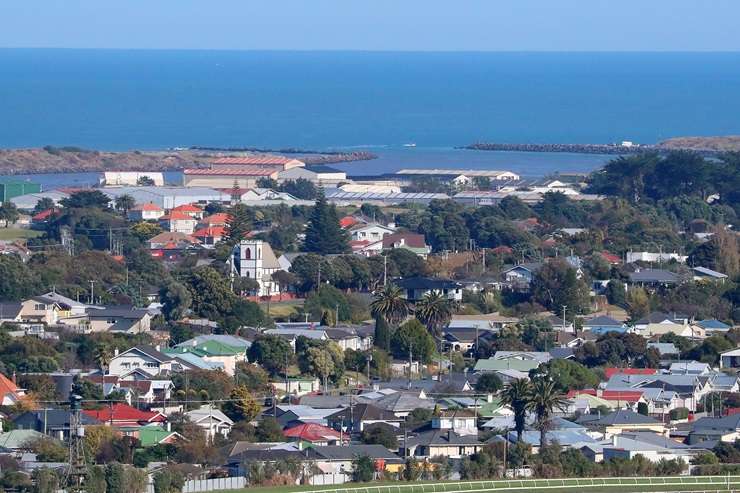
Whanganui offers affordable homes, a vibrant arts scene and easy access to beaches and the Whanganui River, making it popular with first-home buyers. Photo / Bevan Conley
On the west coast of the North Island, Whanganui boasts rugged west coast beaches and an iconic river.
Shannon Jury could rave all day about the town he adopted 25 years ago. The branch manager for Harcourts left for a few years to “sit in traffic” in Auckland, but once back, he has never looked back.
There are phenomenal opportunities for entry-level properties and mix that in with the central location, great schools and regular flights in and out of Auckland what’s not to love, he says.
One of the big drawcards is way less stress than the city.
Jury says: “Everyone I’ve met that’s relocated here from the likes of Auckland, Wellington, Christchurch, Tauranga, those places where you’ve got a busy bustling city as well as busy bustling roads, they think, ‘Well, not only are you five minutes from everywhere but once you’re there everyone is so friendly’.”
First-home buyers can get a solid home for between $350,000 and $550,000.
“I’ve got friends in bigger cities who earn less than me and spend far more on expenses,” says Jury.
“There’s potential here to make good money, and there’s way more potential to have a great lifestyle.”
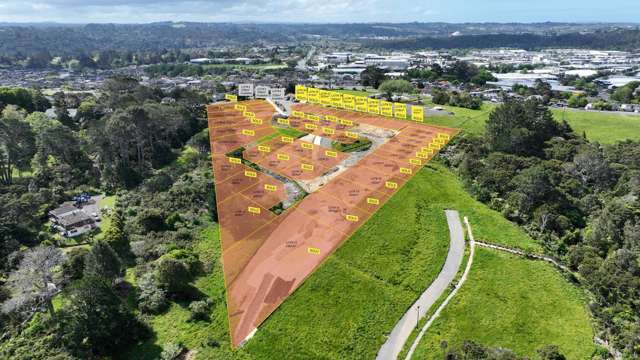
The town has a vibrant arts scene, plenty of cafes, historic buildings and plenty of industry, which provides employment. The building industry has gone from strength to strength, and there are multiple large subdivisions, hence an influx of first-home buyers.
“We’ve seen buyers who had given up on their markets further afield.”
---------
Median price: $547,000
Median rent: $530
Average household income: $104,847
Price-to-income ratio: 5.2
Unemployment rate: 4.4%
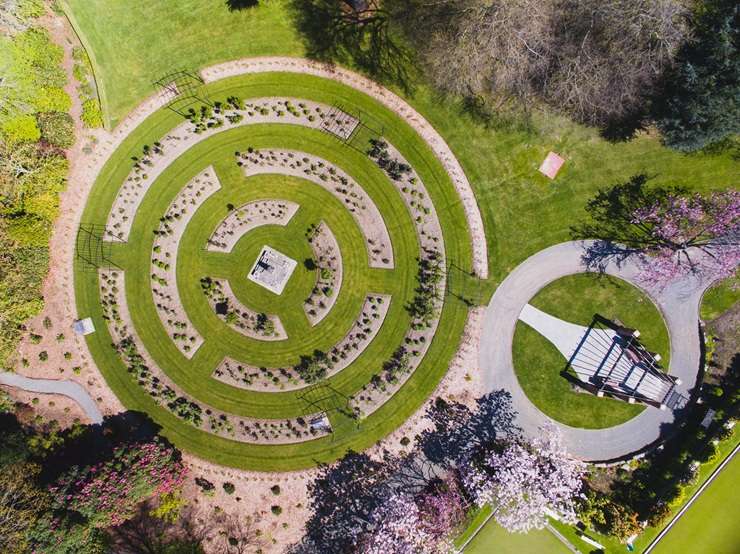
Ashburton’s famous gardens. The town’s thriving rural economy, affordable housing and proximity to Mt Hutt ski field are drawing first-home buyers to mid-Canterbury. Photo / Getty Images
Ashburton might not trip off the tongue as a destination but Sarah Smith, sales manager for Bayleys mid-Canterbury, says her town is the place to be for first-home buyers.
“Affordability is one of the reasons, but it’s a thriving rural community, quite buoyant with that dairy farm payout that’s just happened and a lot of rural activity which is driving the town’s positivity.
“Most things are walking distance. It’s got everything that you need; picture theatres, cafes, restaurants, good schools, good education.”
Some people buy in Ashburton for the lower prices but commute daily to the southern part of Christchurch for work, Smith says, but there is good employment in and around the pretty, community-minded town, including at the hospital.
A good three-bedroom home can be bought in the high $300,000s to early $400,000s, and people can go skiing at Mt Hutt on a Wednesday afternoon.
“Twenty-five minutes to Methven and another half an hour up the hill, so what are we talking? Forty-five minutes to an hour you’re skiing on the mountain.”
---------
Median price: $500,000
Median rent: $550
Regional average household income: $88,544
Price-to-income ratio: 5.6
Unemployment rate: 4.9%
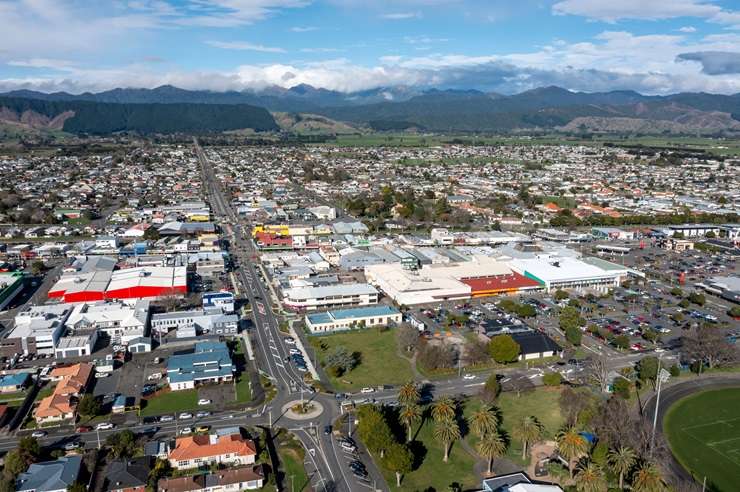
Levin is benefitting from major transport projects, with affordable homes and improved future connections to Wellington and Palmerston North attracting young buyers. Photo / Getty Images
Young people in the know are buying in this rural town between the Kapiti Coast and Palmerston North because of the Otaki to Levin expressway, says Murray Dorreen, from Property Brokers.
Due to open in 2029, the extension is already bringing industry to a town that will be known as the northernmost suburb of Wellington, or the southernmost of Palmerston North.
The Government has also ordered new trains to run between Palmerston North and Wellington, so all up commuting to the capital will be easier.
First-home buyers can spend between $500,000 and $550,000 for a good-quality three-bedroom house. That affordability makes up for a lack of nightlife in a town that has seen a lot of infill and private development.
They can get in sometimes on a 5% deposit, which on a $500,000 house is only $25,000, he says.
About 15 minutes away is Waitarere Beach and behind the town there are bike tracks and swimming holes, plus the weather is way better than Wellington’s.
“We can be sitting here, and I can be talking on the phone to somebody in Wellington, and they can say ‘God, what awful weather’, and I can be looking out the window and say ‘no, no no, it’s been good here’.”
---------
Median price: $595,000
Median rent: $610
Regional average household income: $104,847
Price-to-income ratio: 5.7
Unemployment rate: 4.4%
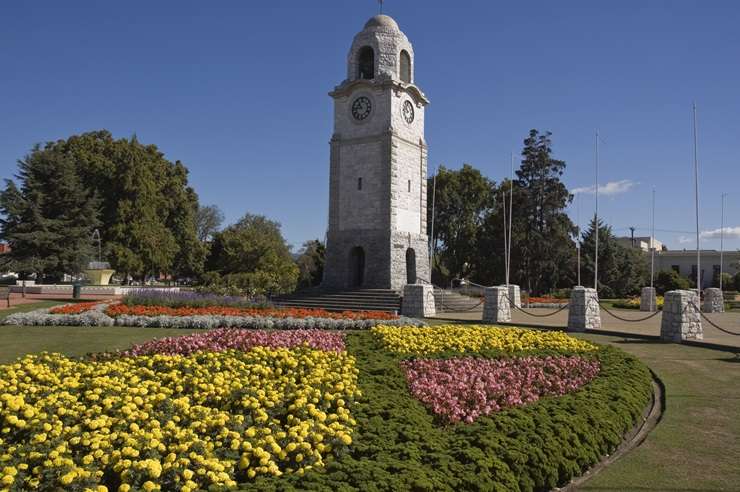
Sunny Blenheim offers first-home buyers affordable entry into the housing market alongside jobs in viticulture, aquaculture and other growing industries. Photo / Getty Images
In the heart of the Marlborough wine region is sunny Blenheim, at the top of the South Island.
“As a region we boast on average a month more sunshine than any other region in the country,” says Wade Cornelius, sales manager for Bayleys Marlborough.
Blenheim does not have tertiary education, so young people tend to leave for Otago and Wellington, but that leaves the first-home buyer market less congested than other towns.
“They head off to university or for tertiary education and then tend to do a bit of an OE, and then we tend to get them back when they’re in their 30s with young families type scenario, so it does free that up a bit.”
Blenheim’s sunshine attracted a lot of baby boomers who are now moving into retirement villages, freeing up properties that haven’t been on the market for 25 years.
“They are in original condition, incredibly well looked after as that generation tended to, so we’re finding first-time buyers can actually move in; they don’t have to do anything.”
Viticulture is prevalent in the area and also emerging industries like aquaculture and robotics, attract skilled people into a town that boasts a nice lifestyle, good primary schools and easy accessibility.
“It literally is a five-minute town but then again if you want to spend an hour you can be in Kaikoura, you can be in Marlborough Sounds fishing or you can be up a mountain skiing.”
---------
Median price: $555,000
Median rent: $600
Regional average household income: $88,544
Price-to-income ratio: 6.3
Unemployment rate: 4.9%

Feilding’s strong rural economy and reputation as one of New Zealand’s most attractive small towns continue to support demand from first-home buyers. Photo / Getty Images
The small rural town of Feilding has picked up the title of New Zealand’s most beautiful town a multitude of times.
The service town has seen first-home buyers active for about two years, says Ray White Feilding principal and owner Stu Fleming.
He thinks the Manawatu has remained insulated from the ups and downs of the housing market in the bigger centres, partly because of the Government money that flows in and out of the region with the Air Force and Army bases nearby, and large projects like the Manawatu Gorge and the Levin highway extension.
People will buy in Feilding and commute, but the rural sector is the backbone of the town, Fleming says.
“I think it’s about the third most productive rural region in the country so you've got a pretty decent structure, if you like, underneath everything that sort of keeps it nice and steady and calm in the midst of a whole lot of stuff going on that may affect bigger centres.”
With a median price range of around the mid-$500,000s, first-home buyers can easily swing a mortgage on the wages they are earning, sometimes only needing $25,000 or $50,000 as a deposit.
---------
Median price: $620,000
Median rent: $670
Regional average household income: $95,823
Price-to-income ratio: 6.5
Unemployment rate: 4.8%
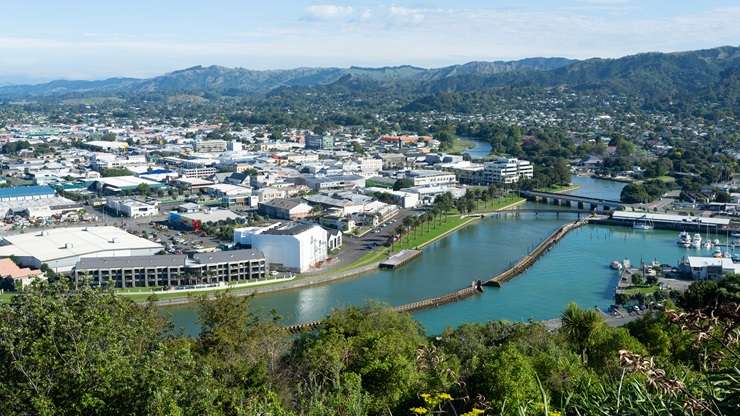
Despite higher prices than many regional centres, Gisborne remains a popular destination for first-home buyers seeking a laid-back east coast lifestyle. Photo / Getty Images
Gisborne, beloved by surfers, has made it into the top 10, although agent Shannon Sheridan, principal of The Agency, says half a million dollars does not buy much these days in the east coast town of the North Island.
A lot of first-home buyers are desperate to buy, but Sheridan says a lot of people are living week to week and sales are not great.
“I do deadline sales because the buyers need finance, valuations, insurance, so they need conditions, so we do a lot of deadline sales just to give them the opportunity to purchase a home.”
First-home buyers recently bought a house in the desirable suburb of Whataupoko, but they paid $720,000.
“They had been looking for two years so that was an extra two years of saving as well, I suppose, but that’s a lot of money for your first time.”
Gisborne wages tended to be lower than the regional average, at $50,000 or $60,000 a year, and first-home buyers who were active tended to have been saving for a long time. They were often in their 30s or 40s and had families.
“It’s so nice to see them get into their own home but, yeah, what a challenge, spending the majority of your life in rentals.”
Shum says the data shows people in the first-home buyer market buying two or three homes a week, but where a lot of other towns are commutable to larger centres, it is harder from Gisborne as getting to Napier is “a big, big drive”.
---------
Median price: $630,000
Median rent: $650
Regional average household income: $94,286
Price-to-income ratio: 6.7
Unemployment rate: 3.6%
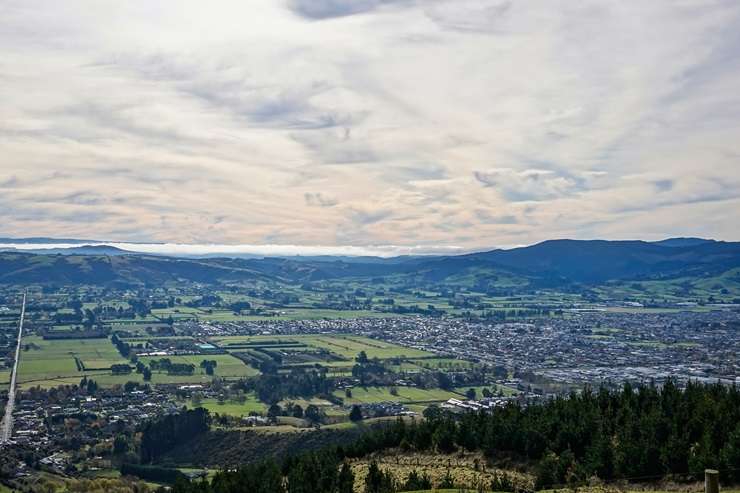
Mosgiel’s modern homes, family-friendly neighbourhoods and easy commute to Dunedin are attracting first-home buyers to the Taieri Plain. Photo / Getty Images
Tenth on the list is back in the South Island. Mosgiel is a satellite town to Dunedin on the Taieri Plain, and Property Brokers manager Judd de la Roche says the flatness attracts young people with families, as well as retirees.
A lot of first-home buyers make the 20-minute commute to Dunedin for work, but Mosgiel has newer homes and better weather.
“Mosgiel is three or four degrees warmer than Dunedin on average, so we have some cold starts with frost, but often our days are better, and we avoid some cold sea breezes that cut through Dunedin.”
First-home buyers spending $600,000 to $650,000 can get a renovated standalone property with a decent yard.
The $2 billion Dunedin hospital build provides jobs, and further down the track inland port projects at Taieri and Milburn will also provide employment.
“I think the outlook for Dunedin, and certainly Mosgiel, is pretty bright really compared to lots of areas.”
- Click here to find more properties for sale