- The housing market is declining, with only four South Island regions seeing growth in the last three months.
- Nationwide, the average property value fell 0.7%, with significant declines in Auckland and Wellington.
- Queenstown-Lakes led growth, while Auckland’s North Shore and Auckland City saw the biggest losses.
The housing market is stuck in reverse for much of New Zealand, with only four regions – all in the South Island – enjoying house value growth in the last three months.
Start your property search
Nationwide, the average property value slipped 0.7%, falling from $966,000 to $959,000, as economic uncertainty and ongoing cost-of-living pressures continued to weigh on the market.
While some homeowners have won the property lotto, earning over $100,000 over the last three months, many others, including those in previously impervious suburbs, have lost just as much.
The latest OneRoof-Valocity figures show the downturn is deepening in Auckland. House values fell 1% in July, up from a 0.6% decline in June, leaving the average property value at $1.25 million. That’s $13,000 lower than three months ago and $28,000 below where it stood a year earlier.
Wellington Region is also under pressure. Its average property value fell by 1.3% in the three months to the end of July, to $833,000, leaving it 1.5% lower than a year ago.
More concerningly, homeowners who bought at Wellington’s market peak have seen the value of their biggest asset shrink by more than $300,000.
Winter has been particularly tough on property values in Gisborne, where values fell 3.4% over the past three months. Nelson dropped 2%, while Tasman, Waikato and Hawke’s Bay each recorded declines of 1.4%.
The only bright spots were in the South Island. Property values edged up 0.1% in Canterbury, while Otago values gained 1%, driven by the growth in Queenstown-Lakes. West Coast property values were up by 1.2%, and Southland, bouncing along on the back of a strong rural sector and the one-off $3.2 billion dairy payout, led the country with growth of 1.5%.
However, all four showed signs of flagging in July, with values slightly dipping between June and July.
Among the major metropolitan markets, only Queenstown-Lakes, Tauranga and Christchurch recorded property value growth over the past three months.
Queenstown-Lakes was the standout performer, with property values rising 1.5%, or about $33,000, over the quarter. The district remains New Zealand’s most expensive housing market, with an average property value of $2.17m.
Tauranga and Christchurch also edged higher, although gains were more modest at 0.4% and 0.1% respectively.
Several smaller and more affordable centres bucked the national trend, including Ashburton, Invercargill and Rotorua, where property values increased by around 1%.
Losing the most money were homeowners in Auckland’s North Shore and Auckland City, with the average property value down by $26,000 in the former and $17,000 in the latter.
Homeowners in Dunedin (-$11,000), Hamilton (-$6000) and Wellington City (-$5000) also saw the value of their properties decline.
The Reserve Bank’s decision to lift the OCR by 0.25% to 2.5% at the start of July will curb growth prospects as the market heads into spring. The rise was expected, but the spike in swap rates has led to a round of fixed mortgage rate increases by the major banks, which will dent enthusiasm.
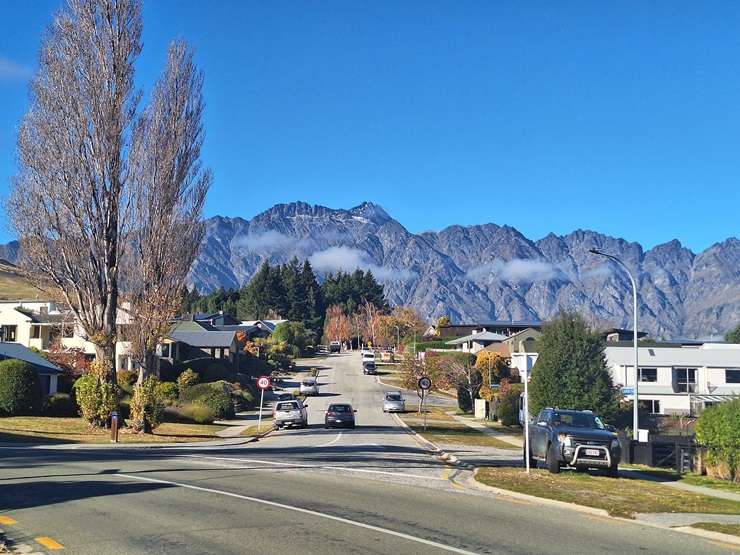
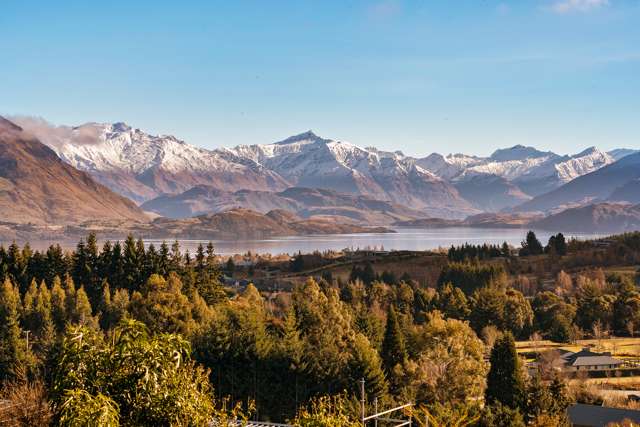
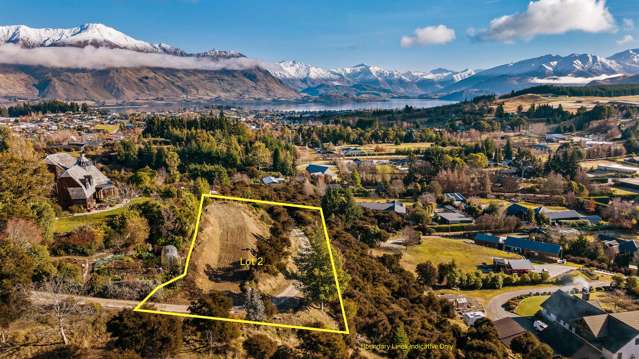
Kelvin Heights is known for its high-value homes and its lake and mountain views. The average property value in the suburb jumped $121,000 in the last three months. Photo / Ben Tomsett

OneRoof editor Owen Vaughan: “Southland, bouncing along on the back of a strong rural sector and the one-off $3.2 billion dairy payout, led the country with growth of 1.5%.” Photo / Fiona Goodall
Renewed conflict in the Middle East will play out at the petrol pump and inflation is unlikely to ease in the near term, with CPI now sitting at 4.1%, its highest level in two years.
Other strong headwinds include the upcoming election. The property investment landscape may change, depending on the make-up of Parliament after November 7. Listing volumes remain elevated, and those buyers who are active in the market are not in any rush.
Of the 928 suburbs with 20 or more settled sales in the last 12 months, 628 – 67% – were worse off at the end of July than at the start of May. The rate of value decline was steepest in Puketapu, in Hastings (-5.1%); Inner Kaiti, in Gisborne (-4.9%); and Peacocke, in Hamilton (-4.6%).
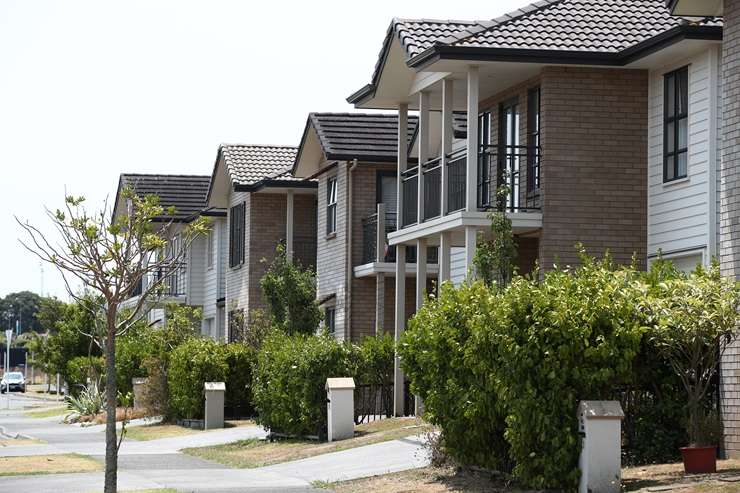
The average property value in Auckland’s Stonefields dropped by $50,000 over the quarter to $1.4m. Photo / Fiona Goodall
The biggest loser, in dollars, is the normally bulletproof Omaha. The average property value in the beach town dropped almost $100,000 (-2.4%) in the last three months to $3.08m. Homeowners are still $190,000 better off than a year ago, but values have wobbled since hitting a peak of just over $3.17m in March.
Also feeling the winter chill in the wider Auckland region are Stonefields and Point Chevalier, two suburbs that could also be classed as impervious to market volatility. The average property in both dropped by just over $50,000.
At the other end of the spectrum are the West Coast suburbs of Kaniere and Hokitika. Property values in both jumped by more than 5% in the last three months, to $696,000 and $535,000, respectively.
The biggest dollar rises were in the prestige lifestyle suburbs of Whitford (+$140,000) and Coatesville (+$132,000). Both suburbs have seen a pick-up in demand and some big-ticket sales in 2026, including to AIP investors.
The OneRoof-Valocity figures show the average property value in 55 suburbs, mostly in the South Island, hit new heights, but homes in another 26 suburbs suffered losses of over half a million dollars since hitting post-Covid peaks in 2021 and 2022.
- Click here to find properties for sale