OneRoof’s Ask the Expert series is aimed at helping consumers cut through the noise when buying goods and products for their home. It’s hard to make a decision when there’s so much out there, so who better to trust than the people who have the expertise and use these items for a living?
For many New Zealanders, buying an umbrella is less a practical purchase and more an annual exercise in cautious optimism.
Some umbrellas survive a season. Others barely survive the dash from the carpark to the office before turning inside out and taking your dignity with them. Making it through winter in places like Wellington can feel like an exercise in advanced engineering.
So, what makes a good umbrella and is there any point buying a cheap one? We asked the experts.
Start your property search
According to the MetService’s meteorological team, who have a front-row seat to New Zealand’s rain, wind and weather chaos, wind is by far the biggest umbrella killer.
“Wind is by far the most common umbrella killer,” they say. “Large hail could certainly test some fabrics, and a lightning strike would obviously be disastrous for both the umbrella and its user, but thankfully that’s a fairly rare scenario.”
The toughest conditions are often not steady rain, but unpredictable gusts funnelled through city streets, something New Zealand commuters understand all too well.
BLUNT Umbrellas founder and inventor Greig Brebner says urban gusts are particularly brutal on poorly designed umbrellas.
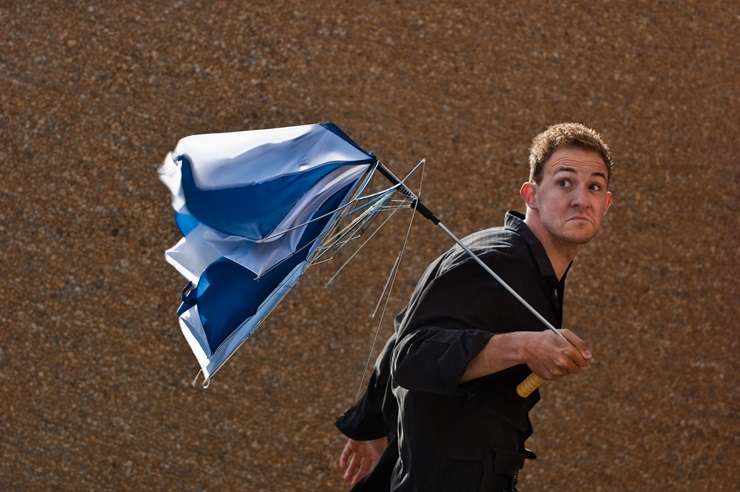
Wind gusts in Wellington can kill an umbrella in seconds. Photo / Getty Images

BLUNT Umbrellas founder Greig Brebner: “A well-designed umbrella behaves like a wing in the wind rather than a floppy sail.” Photo / Supplied
“The wind is definitely the toughest element on umbrellas,” he says. “In our experience, it is the unpredictable gusty conditions that funnel through city streets that are an umbrella’s worst enemy.”
Greig launched BLUNT with the intention of creating an umbrella that would last “forever”. BLUNT Umbrellas are wind tunnel tested to 115km/h in controlled conditions.
And when it comes to surviving those windy conditions, Greig says size and shape matter more than many people realise.
“The larger the umbrella, the greater the surface area, and the greater the forces it has to deal with. A well-designed umbrella behaves like a wing in the wind rather than a floppy sail.”
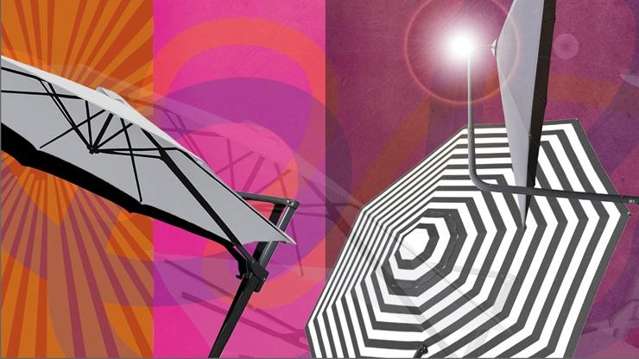
BLUNT tips open like mini umbrellas in the canopy pockets, creating tension between each component and a taut canopy all the way to the edge, the place where traditional umbrellas fail. The patented tips also create the distinctive BLUNT shape.
BLUNT come in a range of sizes from the smallest Metro all the way up to Sport, which fits up to three people. They also offer Limited Editions in partnership with the likes of Frank Green and the artist Flox.

Artist Hayley King, aka Flox, has teamed up with BLUNT to create umbrellas with her signature designs. Photo / BLUNT
Greig ultimately warns buyers to do their research.
“If there’s no brand attached to an umbrella, there’s no responsibility attached to its existence.”
He also recommends checking whether a company offers repairs or proper after-sales service, something increasingly rare in a market dominated by disposable products.
What about compact umbrellas, are they doomed from the start?
Greig says: “To make an umbrella compact and light enough to fit in your handbag there needs to be a lot more delicate moving parts working together.”
That engineering challenge is why many ultra-cheap compact umbrellas fold under pressure long before winter is over.
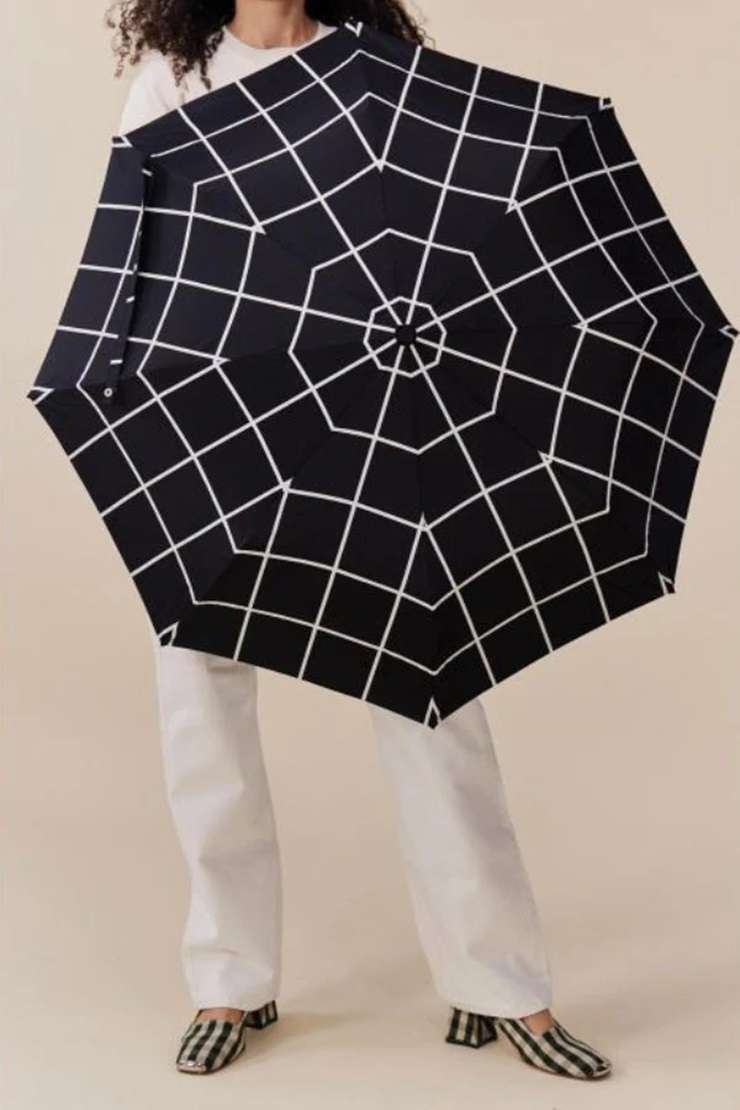
The Original Duckhead umbrellas are made from recycled plastic bottles. Photo / Supplied
MetService, however, says smaller umbrellas can cope surprisingly well because they present less surface area to the wind, although cheaply made models are unlikely to weather many storms.
If you are going compact, Original Duckhead umbrellas have good reviews and a cute style. They are made from recycled plastic bottles for a feel-good factor, with the wooden handle sourced from birch trees. Users rate it for durability and aesthetic design, and it can also be registered for a two-year warranty.
Repel Umbrella also offers a compact version on Amazon that has good reviews.
The experts say user technique matters too. Pointing an umbrella into the wind rather than fighting against it can make a noticeable difference. Many Wellingtonians, according to MetService, often skip umbrellas entirely and go straight for a good rain jacket.
For shoppers wanting an umbrella that will last longer than a single winter, Greig says buyers should look beyond price alone.
“In a market dominated by products built for obsolescence, you have to navigate through a lot of rubbish to find the gold. Or you could just go directly to BLUNT,” he says.